How to Prevent Dementia: Brain Health Habits and Risk Reduction

Dementia risk may be reduced by supporting heart, brain, and overall health throughout life. Regular exercise, balanced nutrition, quality sleep, and social and mental activity are key brain health habits.
Key Takeaways
- Dementia risk may be reduced by supporting heart, brain, and overall health throughout life.
- Regular exercise, balanced nutrition, quality sleep, and social and mental activity are key brain health habits.
- Managing blood pressure, diabetes, cholesterol, hearing loss, and smoking can help protect cognitive function.
- Not all forgetfulness means dementia, but ongoing changes in memory or thinking should be assessed by a doctor.
- Prevention focuses on lowering risk, not guaranteeing that dementia will never develop.
There is no guaranteed way to prevent dementia, but many daily habits can help lower risk and support long-term brain health. A healthy lifestyle, good control of medical conditions, and early attention to memory changes all play an important role.
Overview: Can Dementia Be Prevented?
Dementia is a broad term for a group of conditions that affect memory, thinking, behavior, and the ability to manage daily life. Alzheimer’s disease is the most common cause, but dementia can also result from vascular disease, Lewy body disease, and other brain disorders. Because different causes are involved, prevention is not always simple or absolute.
At the same time, research shows that some risk factors for dementia can be influenced. This means that while no single habit can fully prevent dementia, healthy choices may help lower the risk or delay the onset of symptoms. Protecting brain health often overlaps with protecting heart health, because the brain depends on a strong blood supply and a healthy body.
Prevention is best seen as a lifelong approach rather than a short-term fix. Habits in midlife and later life both matter. Even small changes, such as becoming more physically active or improving sleep, may contribute to better brain function over time.
Who Is at Risk of Dementia?
Some dementia risk factors cannot be changed. Age is the strongest known risk factor, and a family history of dementia may also increase risk in some people. Certain inherited conditions can play a role, although most dementia cases are not caused by a single gene. This is why having a relative with dementia does not mean a person will definitely develop it.
Many other factors are potentially modifiable. These include high blood pressure, diabetes, high cholesterol, smoking, heavy alcohol use, obesity, physical inactivity, depression, social isolation, poor sleep, and untreated hearing loss. Repeated head injury may also increase long-term risk.
Risk often builds over time. For example, high blood pressure in midlife can affect the blood vessels that nourish the brain, while chronic sleep problems or limited physical activity may gradually influence cognition. Understanding personal risk can help people focus on realistic, meaningful steps to protect brain health.
Brain Health Habits That May Help Reduce Dementia Risk

The most helpful approach is a combination of healthy habits rather than one specific strategy. Regular physical activity supports circulation, mood, sleep, and metabolic health, all of which can benefit the brain. Activities may include walking, swimming, cycling, strength training, or other exercises suited to a person’s age and mobility. The goal is consistency, not perfection.
Nutrition also matters. A diet built around vegetables, fruits, whole grains, legumes, nuts, fish, and healthy fats may support both cardiovascular and cognitive health. Limiting highly processed foods, excess sugar, and excess salt may also help. Drinking enough water and maintaining a healthy weight are useful parts of the same picture.
Mental and social activity appear to support resilience in the brain. Reading, learning new skills, solving problems, playing music, and staying socially connected may help keep the mind engaged. These activities are not a guaranteed shield against dementia, but they can support cognitive reserve and emotional well-being.
- Be physically active on most days of the week.
- Choose a balanced, heart-healthy eating pattern.
- Prioritize regular, restorative sleep.
- Stay mentally engaged with meaningful activities.
- Maintain social connections and seek support for loneliness.
Medical Conditions to Manage for Brain Protection
Good control of chronic health conditions is one of the most important ways to reduce dementia risk. High blood pressure, diabetes, and high cholesterol can damage blood vessels and increase the chance of vascular changes in the brain. Regular checkups and following a doctor’s treatment plan can make a meaningful difference over time.
Hearing loss deserves special attention. When hearing problems go untreated, communication becomes harder, social withdrawal may increase, and the brain may work harder to process sound. Assessment and treatment of hearing loss can improve quality of life and may support cognitive health as well.
Sleep problems should not be ignored. Sleep is important for memory processing and general brain function. Conditions such as insomnia or sleep apnea can affect concentration, mood, and daytime function, and they may also influence long-term cognitive health. People with loud snoring, pauses in breathing during sleep, or persistent daytime sleepiness should discuss this with a healthcare professional.
Smoking cessation and limiting alcohol are also important. Smoking harms blood vessels and overall health, while heavy alcohol use can affect memory and thinking directly. For some people, treating related conditions such as depression or seeking help for substance use can be an important part of a dementia risk-reduction plan.
How Doctors Assess Dementia Risk and Early Memory Changes
There is no single routine test that can predict exactly who will develop dementia. Instead, doctors assess overall risk by reviewing medical history, family history, lifestyle, medications, mood, sleep, and cardiovascular health. They may also ask about memory, attention, language, and daily function.
If a person or family notices ongoing changes in memory or thinking, evaluation is important. Many conditions can cause symptoms that look like dementia, including vitamin deficiencies, thyroid disorders, medication side effects, depression, sleep disorders, infections, and sensory problems such as hearing loss. Identifying these causes early may lead to treatment and improvement.
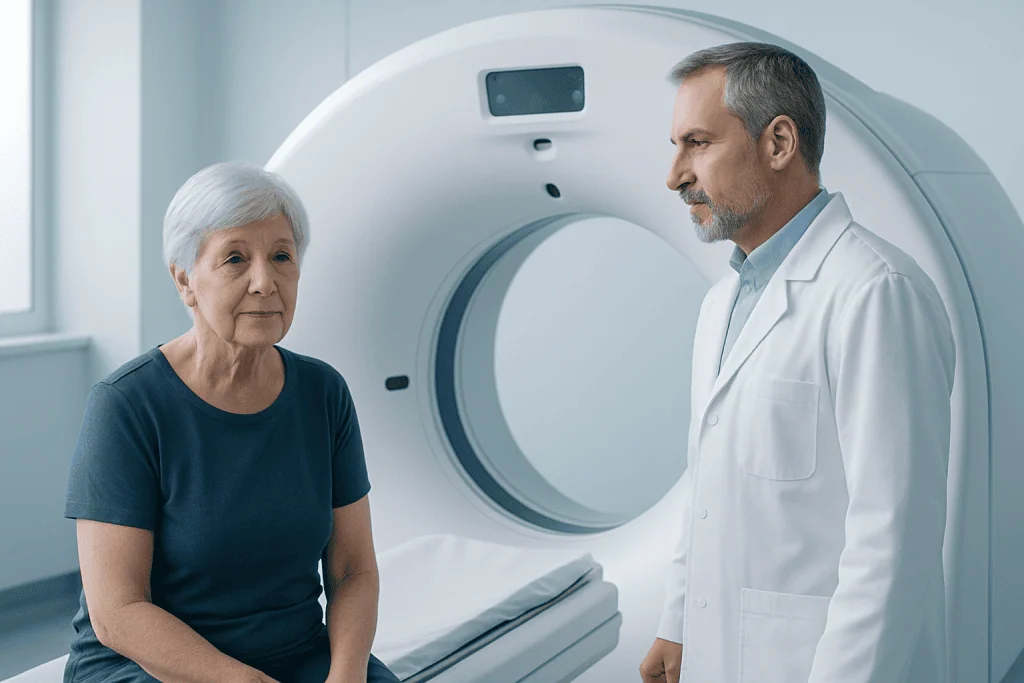
Assessment may include cognitive screening, blood tests, hearing assessment, and brain imaging when appropriate. In some cases, a person may be diagnosed with mild cognitive impairment, which means thinking changes are present but daily independence is largely preserved. Early follow-up helps doctors track changes and guide treatment if needed. Depending on the situation, evaluation may also involve MRI or other neurological rehabilitation support if symptoms affect function.
Everyday Self-Care for Healthy Aging and Memory
Healthy routines are easier to maintain when they are practical and enjoyable. Choosing activities that fit a person’s interests and daily life often works better than setting unrealistic goals. A walk with a friend, cooking balanced meals at home, joining a hobby group, or setting a regular bedtime can all support brain health in sustainable ways.
Stress management is another useful part of self-care. Chronic stress may affect sleep, blood pressure, mood, and concentration. Relaxation techniques, mindfulness, time in nature, spiritual practices, and counseling can all be helpful, depending on individual preference. Seeking support is a strength, not a failure.
Safety also matters, especially with aging. Preventing falls, using seat belts, wearing helmets for appropriate activities, and reviewing medications regularly may reduce the chance of injury or side effects that affect cognition. Staying current with routine medical care, vision checks, and hearing evaluations supports both independence and overall well-being.
For people who already have risk factors or early symptoms, working with specialists can help create a personalized plan. In some cases, care may include assessment for check-up services or support for related conditions such as Alzheimer’s disease when a diagnosis is being considered.
When to Seek Medical Advice
It is a good idea to speak with a doctor if memory problems become persistent, worsen over time, or begin to interfere with daily activities. Examples include getting lost in familiar places, repeating questions often, trouble handling finances or medications, difficulty following conversations, or noticeable changes in judgment or personality.
Family members are often the first to notice subtle changes. Bringing specific examples to an appointment can help the doctor understand the pattern. It is also helpful to mention sleep problems, depression, recent illness, alcohol use, hearing concerns, or any new medications, because these can affect thinking.
Prompt evaluation does not always mean a person has dementia. In many cases, symptoms have another cause that may be treatable. If dementia is diagnosed, early support can help with planning, symptom management, and maintaining quality of life. Near the end of the care journey, some families choose centers such as Acibadem International, where multidisciplinary specialists in JCI-accredited hospitals assess and treat neurological conditions for international patients.
Frequently asked questions
Can dementia always be prevented?
No. There is no guaranteed way to prevent dementia, because some risk factors such as age and genetics cannot be changed. However, healthy habits and good management of medical conditions may help lower risk or delay symptoms.
What is the best lifestyle change to reduce dementia risk?
There is no single best change, and the strongest approach is usually a combination of habits. Regular exercise, a balanced diet, good sleep, social engagement, and controlling blood pressure and diabetes are all important.
Does forgetting things sometimes mean dementia is starting?
Not necessarily. Occasional forgetfulness can happen with stress, poor sleep, aging, medication effects, or many other causes. A doctor should assess memory changes when they are persistent, worsening, or affecting daily life.
How does heart health affect dementia risk?
The brain depends on healthy blood vessels to receive oxygen and nutrients. Conditions such as high blood pressure, high cholesterol, diabetes, and smoking can damage blood vessels and raise the risk of cognitive decline, especially vascular dementia.
Can mental exercises prevent dementia?
Mental activities such as reading, learning, puzzles, and social interaction may support brain function and cognitive reserve. They are helpful as part of an overall healthy lifestyle, but they do not guarantee prevention on their own.
At what age should someone start thinking about dementia prevention?
Brain health habits are useful at any age, but prevention should ideally start in midlife or earlier. Even so, it is never too late to improve exercise, nutrition, sleep, and management of chronic conditions.
References
- World Health Organization
- National Institute on Aging
- Alzheimer's Association
- Centers for Disease Control and Prevention
- National Health Service
This article is for general information only and is not a substitute for professional medical advice. Please consult a qualified doctor about your individual situation.
Dementia in Turkey — costs, top hospitals & a free quote
JCI-accredited · board-certified surgeons · reply within 24h
Add us as a Preferred Source to see more of our trusted health content across Google Search, AI Overviews and Discover.
Check your numbers in seconds
BMI, calories, due date, blood pressure and 30+ more clinical calculators — free, instant, doctor-reviewed ranges.

Neurology
Diagnosis and treatment of disorders of the brain, spinal cord, nerves and muscles.
51 specialists in this unit