Rosacea vs Acne: How to Tell the Difference
Rosacea often causes persistent redness, flushing, and visible blood vessels, while acne commonly causes blackheads, whiteheads, and pimples. Rosacea usually affects the center of the face and may sting or burn, whereas acne can affect the face, chest, shoulders, and back.
Key Takeaways
- Rosacea often causes persistent redness, flushing, and visible blood vessels, while acne commonly causes blackheads, whiteheads, and pimples.
- Rosacea usually affects the center of the face and may sting or burn, whereas acne can affect the face, chest, shoulders, and back.
- Common rosacea triggers include heat, sun, alcohol, spicy foods, stress, and some skincare products.
- Acne is linked to clogged pores, excess oil, hormones, and inflammation.
- Both conditions can occur at the same time, so a dermatologist may be needed for an accurate diagnosis.
- Treatment depends on the diagnosis and may include gentle skincare, trigger avoidance, and prescription medicines.
Rosacea and acne can look similar, but they are different skin conditions with different triggers, patterns, and treatments. Knowing how to tell them apart can help a person choose the right skincare habits and seek appropriate medical care.
Overview: rosacea vs acne
Rosacea and acne are both common skin conditions, and they can sometimes be confused because both may cause bumps on the face. However, they are not the same. Rosacea is a long-term inflammatory skin condition that often causes facial redness, flushing, and sensitivity. Acne is a condition of the hair follicles and oil glands that leads to clogged pores, blackheads, whiteheads, and inflamed spots.
One of the clearest differences is the background appearance of the skin. In rosacea, the skin often looks red or flushed even between flare-ups, especially on the cheeks, nose, forehead, and chin. In acne, the main issue is usually clogged pores and breakouts, and the skin may be oily. Acne does not typically cause the same pattern of ongoing facial flushing.
It is also possible for a person to have both conditions at the same time. For example, someone may have persistent redness from rosacea along with acne blemishes caused by blocked pores. Because treatment for one condition may irritate the other, an accurate diagnosis matters.
Symptoms: how each condition looks and feels
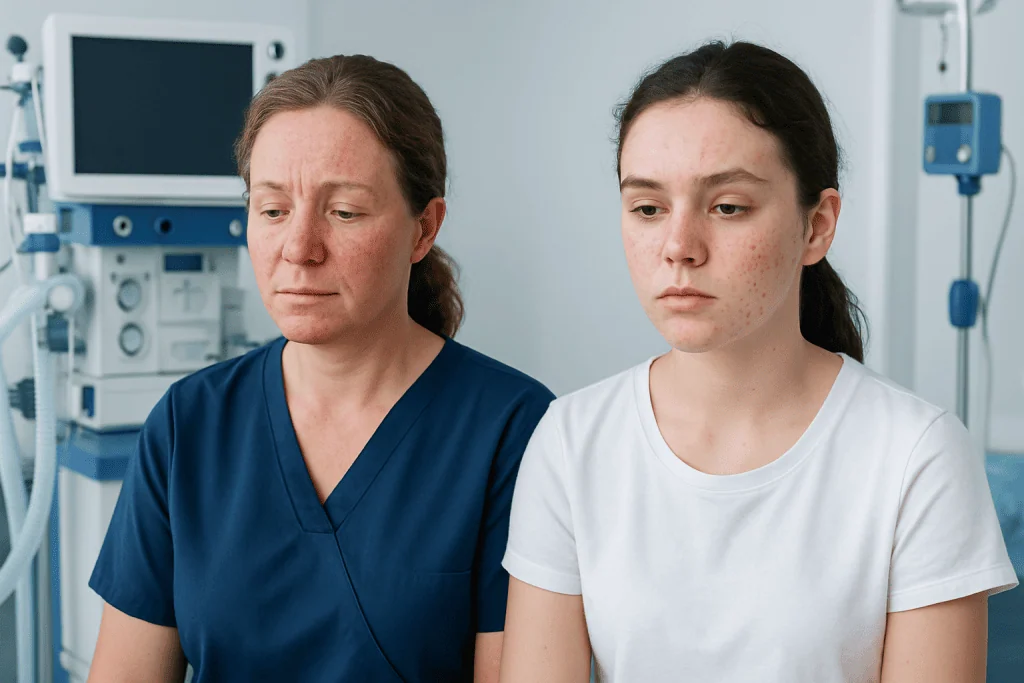
Rosacea often begins with episodes of flushing that come and go. Over time, redness may become more constant. Many people also notice visible tiny blood vessels, called telangiectasias, on the cheeks or nose. Small red bumps and pus-filled bumps can appear too, which is why rosacea is sometimes mistaken for acne.
Acne usually causes a wider range of blemishes. These include blackheads, whiteheads, red pimples, pus-filled spots, and sometimes deeper painful nodules or cysts. Acne can appear not only on the face but also on the chest, shoulders, and back. Rosacea, in contrast, most often affects the central face.
The sensation of the skin can also offer clues. Rosacea-prone skin often feels sensitive, warm, stinging, or burning, and certain products may easily irritate it. Acne may be tender if spots are inflamed, but it does not usually cause the same degree of flushing or sensitivity across the whole area.
- Signs that suggest rosacea: persistent redness, easy flushing, visible blood vessels, burning or stinging, central facial distribution
- Signs that suggest acne: blackheads, whiteheads, oily skin, pimples in several body areas, deeper clogged pores
- Overlap: both may cause red bumps and pustules
Causes and risk factors
Rosacea does not have one single known cause. It is thought to involve a combination of genetic tendency, inflammation, an overactive immune response, blood vessel reactivity, skin barrier problems, and environmental triggers. People with rosacea often notice that certain everyday factors make their symptoms worse.
Common rosacea triggers include sunlight, hot weather, cold wind, exercise, emotional stress, alcohol, spicy foods, hot drinks, and irritating skincare products. These do not cause rosacea by themselves, but they can bring on flushing or worsen a flare. Some people also develop eye symptoms, known as ocular rosacea, with dryness, irritation, or eyelid inflammation.
Acne develops differently. It is mainly related to clogged pores, excess sebum production, dead skin cells, inflammation, and bacteria involved in acne formation. Hormonal changes often play an important role, especially during puberty, menstruation, pregnancy, or times of stress. Family history and certain cosmetics can also contribute.
Risk patterns can differ as well. Rosacea is commonly recognized in adults and is often most noticeable in fair or sensitive skin, although it can affect any skin tone. Acne is very common in teenagers and young adults, but it can occur at any age. When breakouts are part of a broader skin disorder, doctors may also consider related conditions such as acne or inflammatory facial disorders including rosacea.
Diagnosis: how doctors tell the difference
Diagnosis is usually based on medical history and a skin examination. A doctor or dermatologist looks at where the lesions appear, whether there is background redness, whether blackheads or whiteheads are present, and what symptoms the person feels. This clinical pattern is often enough to distinguish rosacea from acne.
Blackheads and whiteheads strongly support acne rather than rosacea. Persistent redness and visible facial blood vessels strongly support rosacea. A doctor may also ask about flushing triggers, sun exposure, skincare products, hormonal changes, and whether the eyes feel dry, gritty, or irritated.
In some cases, other conditions may need to be ruled out, such as perioral dermatitis, seborrheic dermatitis, eczema, lupus, contact dermatitis, or folliculitis. Testing is not usually required, but it may be considered if the appearance is unusual or if treatment is not helping. Eye symptoms may need an ophthalmology assessment if ocular rosacea is suspected.
Treatment options for rosacea and acne
Treatment depends on the diagnosis, symptom severity, skin sensitivity, and whether both conditions are present. For rosacea, the goals are to reduce redness, calm inflammation, prevent flares, and protect the skin barrier. Doctors may recommend gentle skincare, daily sunscreen, trigger avoidance, and prescription topical or oral medicines. For persistent visible blood vessels or redness, some people may benefit from laser treatment.
Acne treatment focuses on reducing clogged pores, controlling oil, and calming inflammation. Depending on the type and severity, options may include benzoyl peroxide, topical retinoids, azelaic acid, antibiotics, hormonal approaches, or other prescription medicines. If acne scarring is a concern after inflammation has settled, procedures such as chemical peeling may be discussed in appropriate cases.
Some ingredients can help one condition but irritate the other if used too aggressively. For example, strong exfoliants, alcohol-based toners, or frequent scrubbing may worsen rosacea. Because of this, self-treating based only on online images can delay improvement. A tailored plan from a dermatologist is especially useful for persistent redness, painful breakouts, or mixed symptoms.
If a person has ongoing facial inflammation with uncertain diagnosis, a specialist may recommend a broader dermatology review. In suitable cases, this may include supportive procedures available through dermatology services. Near the end of the care journey, some international patients choose centers such as Acibadem International, where multidisciplinary specialists in JCI-accredited hospitals diagnose and treat skin conditions including rosacea and acne.
Prevention and self-care
Good daily skincare can make a meaningful difference in both rosacea and acne. A gentle cleanser, non-comedogenic moisturizer, and broad-spectrum sunscreen are helpful for most people. Products labeled fragrance-free and suitable for sensitive skin may be especially useful for rosacea-prone skin.
People with rosacea may benefit from keeping a trigger diary to identify patterns. If flushing happens after sun, hot drinks, alcohol, spicy foods, stress, or temperature changes, avoiding or reducing those triggers may help. Sun protection is especially important because ultraviolet exposure commonly worsens redness.
People with acne should avoid picking or squeezing blemishes, since this can increase inflammation and scarring. They may also benefit from choosing non-comedogenic makeup and skincare products and cleansing gently after sweating. Harsh scrubs and over-washing can irritate the skin and may make both conditions harder to control.
- Use lukewarm water rather than very hot water on the face.
- Patch-test new skincare products when possible.
- Avoid heavy, pore-clogging cosmetics if acne is a concern.
- Apply sunscreen every day, even on cloudy days.
- Seek medical advice before combining multiple active ingredients on sensitive skin.
When to see a doctor
A doctor should be consulted if facial redness persists, if flushing is frequent, or if bumps do not improve with basic skincare. Medical advice is also important when breakouts are painful, leave marks, or start to affect confidence and daily life. Early treatment can help reduce discomfort and lower the risk of long-term skin changes.
Prompt assessment is especially important if the eyes are involved. Symptoms such as dry eyes, burning, light sensitivity, blurred vision, or recurrent eyelid irritation may suggest ocular rosacea and should not be ignored. Eye-related symptoms need proper evaluation to protect comfort and vision.
It is also wise to seek help if a person is unsure whether they have rosacea, acne, or both. Since treatments differ, getting the diagnosis right is the best first step. A qualified clinician can recommend a safe routine and decide whether prescription treatment or specialist referral is needed.
Frequently asked questions
Can rosacea be mistaken for acne?
Yes. Rosacea can cause red bumps and pus-filled spots that resemble acne, especially on the cheeks and nose. The main clues favoring rosacea are persistent redness, flushing, visible blood vessels, and sensitive or burning skin.
Does rosacea cause blackheads?
No, blackheads are a feature of acne rather than rosacea. If blackheads or whiteheads are present, acne is more likely, although a person can have acne and rosacea at the same time.
Can someone have rosacea and acne together?
Yes, both conditions can occur together. This can make diagnosis more difficult, and treatment may need to be adjusted carefully so that one condition is not irritated while treating the other.
What triggers rosacea flare-ups?
Common triggers include sun exposure, heat, cold wind, stress, alcohol, hot drinks, spicy foods, and some skincare products. Triggers vary from person to person, so tracking symptoms can be helpful.
Is acne more common than rosacea?
Acne is very common, especially in teenagers and young adults, but it can affect people of any age. Rosacea is also common, usually appears in adulthood, and often centers on facial redness and flushing rather than clogged pores.
Should over-the-counter acne products be used for rosacea?
Not without caution. Some acne products, especially strong exfoliants or drying treatments, can worsen rosacea by irritating sensitive skin. If the diagnosis is unclear, it is safest to speak with a doctor or dermatologist before starting treatment.
References
- American Academy of Dermatology
- National Institute of Arthritis and Musculoskeletal and Skin Diseases
- National Rosacea Society
- Mayo Clinic
- British Association of Dermatologists
This article is for general information only and is not a substitute for professional medical advice. Please consult a qualified doctor about your individual situation.
Rosacea in Turkey — costs, top hospitals & a free quote
JCI-accredited · board-certified surgeons · reply within 24h
Add us as a Preferred Source to see more of our trusted health content across Google Search, AI Overviews and Discover.

More from the Health Library


Related Specialists
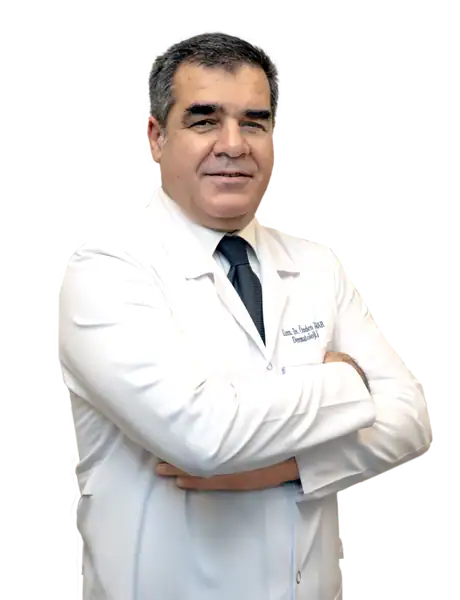
Dr. Özden Zeki Pınar
Dermatology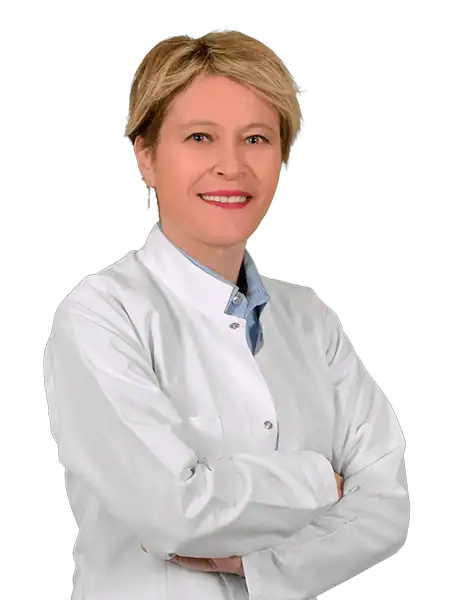
Dt. Neslihan Türker
Oral & Dental Health
Dr. Zeynep Cansu Aladağ
Gynecology & Obstetrics
Prof. Dr. Mehmet Uğur Özbaydar
Orthopedic Surgery & Traumatology