Dermatology Skin Care vs Cosmetic Skin Care: What Is the Difference?
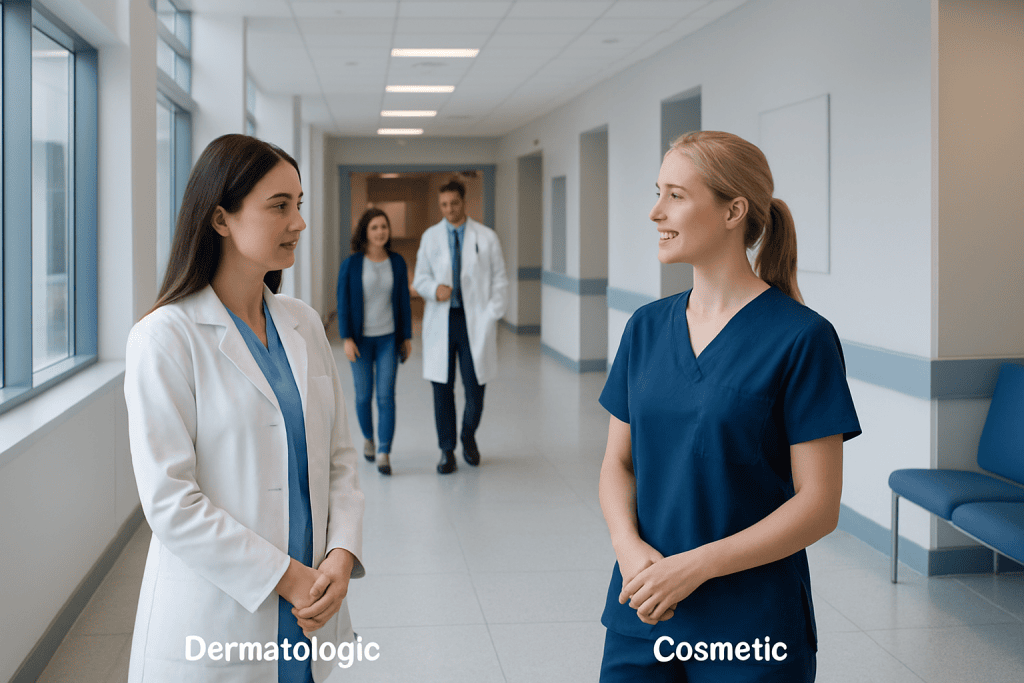
Dermatology skin care is medical and focuses on diagnosing, treating, and preventing skin diseases. Cosmetic skin care mainly supports appearance, texture, tone, and routine skin maintenance.
Key Takeaways
- Dermatology skin care is medical and focuses on diagnosing, treating, and preventing skin diseases.
- Cosmetic skin care mainly supports appearance, texture, tone, and routine skin maintenance.
- Some concerns, such as acne, rosacea, eczema, and suspicious moles, need evaluation by a dermatologist.
- A good skin routine may include both medical guidance and cosmetic products, depending on the person’s needs.
- Sun protection, gentle cleansing, and skin-type-appropriate products are important in both approaches.
Dermatology skin care and cosmetic skin care both support the skin, but they serve different purposes. One focuses on diagnosing and treating medical skin concerns, while the other mainly helps improve appearance, comfort, and daily maintenance.
Overview: How Are They Different?
Dermatology skin care vs cosmetic skin care is a common question because both involve caring for the skin, yet they are not the same. Dermatology skin care is a medical field. It focuses on skin health, including the diagnosis, treatment, and prevention of conditions that affect the skin, hair, and nails. Cosmetic skin care, by contrast, is usually centered on appearance and routine maintenance, such as cleansing, moisturizing, brightening, or improving the look and feel of the skin.
A dermatologist is a medical doctor trained to recognize skin diseases, prescribe treatments, perform procedures, and monitor changes that could affect overall health. Cosmetic skin care may be guided by aestheticians, beauty professionals, or consumers themselves using over-the-counter products. These products can be helpful for hydration, comfort, texture, and visible aging concerns, but they do not replace medical care when a skin condition is present.
In many cases, the two approaches work well together. A person with healthy skin may use cosmetic products to maintain glow and softness. A person with acne, eczema, psoriasis, or persistent irritation may need medical treatment first, then a cosmetic routine that supports the skin barrier. The key difference is purpose: dermatology addresses medical need, while cosmetic skin care addresses aesthetic goals and everyday care.
What Dermatology Skin Care Includes
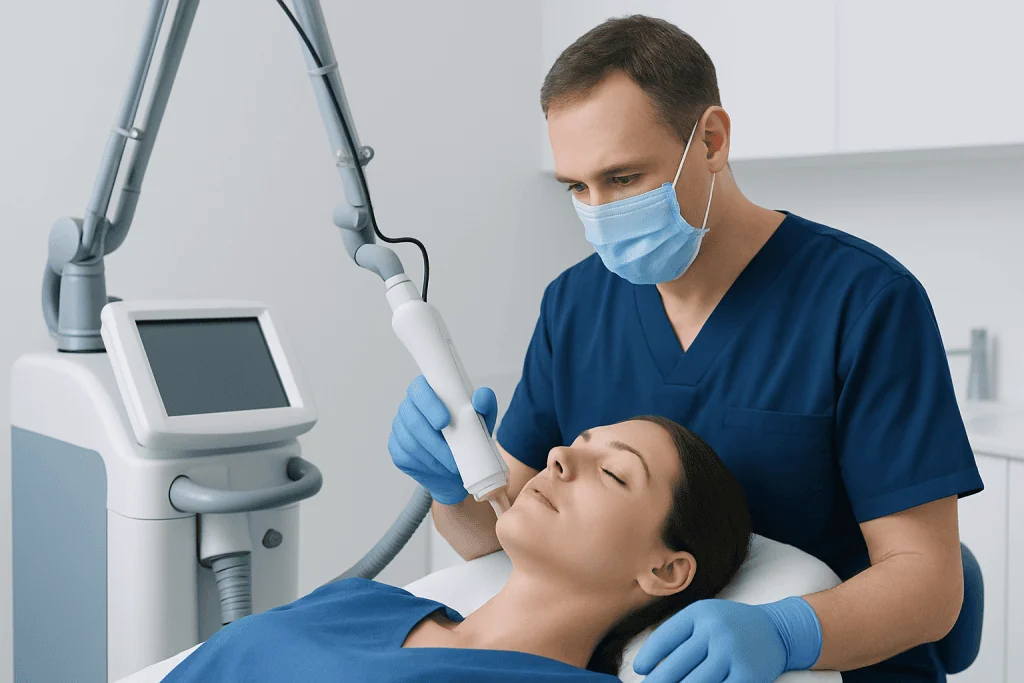
Dermatology skin care covers much more than basic skin routines. It includes evaluating symptoms, identifying underlying causes, and creating treatment plans for conditions such as acne, dermatitis, fungal infections, rosacea, psoriasis, pigment disorders, skin allergies, and skin cancer. A dermatologist can determine whether redness, itching, breakouts, rashes, or unusual lesions are harmless or signs of a condition that needs treatment.
Medical skin care may include prescription creams, oral medicines, patch testing for allergies, biopsy of suspicious spots, or in-office procedures. Dermatologists also help patients manage chronic or recurring conditions that may affect quality of life. Their goal is not only to improve how the skin looks, but also to restore function, reduce symptoms, protect the skin barrier, and prevent complications.
Dermatology skin care is especially important when symptoms are persistent, painful, widespread, or changing over time. For example, concerns such as acne, unexplained rashes, or signs of skin cancer should not be handled only with cosmetic products. Medical assessment helps ensure that treatment matches the true cause of the problem.
What Cosmetic Skin Care Includes

Cosmetic skin care usually refers to non-medical products and routines used to maintain or improve the skin’s appearance. This may include cleansers, moisturizers, sunscreens, exfoliants, serums, masks, and products marketed for dryness, dullness, fine lines, enlarged pores, or uneven tone. Many people use cosmetic skin care as part of a daily self-care routine.
Cosmetic products can play a helpful role in keeping the skin comfortable and balanced. Gentle cleansing removes dirt, oil, sunscreen, and makeup. Moisturizers support the skin barrier and reduce dryness. Sunscreen helps protect against sun damage, dark spots, and premature aging. Some ingredients, such as niacinamide, hyaluronic acid, retinoids, vitamin C, or exfoliating acids, may improve texture and brightness when chosen carefully.
Still, cosmetic skin care has limits. A product can support the skin’s surface, but it cannot reliably diagnose the reason for chronic redness, severe itching, infected lesions, or a changing mole. It is best viewed as supportive and preventive care rather than a substitute for medical evaluation.
When a Skin Concern Is Medical Rather Than Cosmetic
It is not always easy to tell whether a skin issue is cosmetic or medical. In general, a concern is more likely to need dermatology care if it causes symptoms such as pain, intense itching, bleeding, crusting, swelling, or infection. Skin changes that spread, recur often, leave scars, or do not improve with basic care are also more likely to need professional assessment.
Examples include moderate to severe acne, rosacea flares, persistent dandruff, eczema, psoriasis, hives, skin infections, unusual hair loss, nail changes, and suspicious moles. Even common concerns such as dark patches or dryness can sometimes be linked to inflammation, hormones, allergy, or another underlying issue. A dermatologist can tell the difference and guide next steps.
Cosmetic concerns, on the other hand, often involve skin that is otherwise healthy but has goals related to brightness, smoothness, mild fine lines, routine hydration, or general maintenance. If there is uncertainty, the safest choice is to seek medical advice before starting stronger actives, harsh exfoliants, or layered treatments that could worsen irritation.
- Medical warning signs include rapid change, pain, bleeding, pus, severe itching, or sores that do not heal.
- Cosmetic concerns usually involve appearance without significant symptoms.
- When in doubt, a dermatologist can help prevent delays in diagnosis.
Diagnosis, Professional Guidance, and Treatment Choices
One of the biggest differences in dermatology skin care vs cosmetic skin care is the role of diagnosis. In cosmetic skin care, people often choose products based on skin type or marketing claims. In dermatology, treatment begins with assessment. A dermatologist reviews symptoms, examines the skin, asks about triggers, medications, allergies, and family history, and may order tests or perform a biopsy if needed.
This diagnostic step matters because similar-looking symptoms can have very different causes. For example, redness may come from rosacea, irritation, allergy, infection, or an inflammatory disease. Breakouts may be acne, folliculitis, or another condition. Without the correct diagnosis, a cosmetic routine may be ineffective or may even aggravate the skin.
Treatment choices can include prescription topical therapy, oral medication, targeted procedures, and advice on skin-barrier-friendly products. Depending on the person’s needs, a dermatologist may also recommend selected cosmetic or procedural options such as chemical peels or laser treatment as part of a broader plan. The safest and most effective approach is individualized rather than trend-based.
Can Medical and Cosmetic Skin Care Be Combined?
Yes. Many people benefit from combining both types of care. A dermatologist may treat a medical condition while also helping the patient build a gentle cosmetic routine that supports healing and long-term maintenance. For example, a person with acne may use prescription treatment together with a non-comedogenic cleanser, moisturizer, and sunscreen. Someone with sensitive skin may need fragrance-free products and simpler routines while inflammation is controlled.
Combining approaches works best when cosmetic products do not interfere with treatment. Too many active ingredients, frequent exfoliation, or harsh cleansing can weaken the skin barrier and increase redness, dryness, or stinging. That is why it is often helpful to introduce products slowly and choose formulas suited to the skin’s condition rather than following broad social media trends.
Professional cosmetic procedures may also overlap with dermatologic care. Treatments such as HydraFacial or selected resurfacing methods may be suitable for some people, but timing and skin condition matter. When there is active inflammation, infection, or a compromised skin barrier, medical stabilization should come first.
How to Choose the Right Approach for Your Skin
The right choice depends on the person’s symptoms, goals, and skin history. If the main goal is routine cleansing, hydration, sun protection, or improving mild dullness and texture, cosmetic skin care may be enough. A simple routine often works best: gentle cleanser, moisturizer, broad-spectrum sunscreen, and one or two targeted products if tolerated.
If there are ongoing breakouts, recurring rashes, itching, burning, pigmentation changes, or new lesions, medical evaluation is the better first step. This is especially true if over-the-counter products have not helped after several weeks or if the skin becomes more irritated. A dermatologist can recommend what to treat, what to avoid, and when cosmetic products can be safely added.
Patients should also be cautious with aggressive home treatments, unverified online advice, and combining multiple active ingredients at once. Skin needs can change with age, climate, hormones, medications, and health conditions. Near the end of the care journey, some people also seek expert support from centers such as Acibadem International, where multidisciplinary specialists in JCI-accredited hospitals diagnose and treat skin concerns for international patients.
When to See a Doctor
A doctor should be seen when a skin problem does not improve, worsens, or causes significant discomfort. Persistent acne, unexplained rashes, severe dryness, sudden pigmentation changes, scalp problems, hair loss, nail changes, or any sore that does not heal deserve medical attention. Skin symptoms can sometimes reflect infection, allergy, autoimmune disease, or another health issue that needs proper diagnosis.
Urgent evaluation is important for a mole or spot that changes in size, shape, color, or border, or begins to bleed or crust. It is also wise to seek care for skin reactions after using a new product, especially if there is swelling, blistering, intense burning, or widespread redness. Early medical attention can make treatment simpler and help protect long-term skin health.
For most people, the goal is not choosing one approach forever, but understanding which type of care fits the situation. Cosmetic skin care can maintain healthy skin, while dermatology skin care provides medical expertise when symptoms, disease, or risk are involved.
Frequently asked questions
What is the main difference between dermatology skin care and cosmetic skin care?
Dermatology skin care is medical and focuses on diagnosing, treating, and preventing skin conditions. Cosmetic skin care mainly supports appearance, comfort, and maintenance through everyday products and non-medical routines.
Can cosmetic skin care products treat medical skin conditions?
Some cosmetic products can support the skin barrier and improve mild concerns such as dryness or dullness. However, they are not a substitute for diagnosis and may not be enough for conditions such as eczema, rosacea, infections, or suspicious lesions.
Should a person see a dermatologist for acne or only use skin care products?
Mild acne may improve with appropriate over-the-counter products and a gentle routine. If acne is persistent, painful, scarring, or not improving, a dermatologist should assess it and may prescribe medical treatment.
Is sunscreen considered dermatology skin care or cosmetic skin care?
Sunscreen can be part of both. It is a daily cosmetic skin care essential, but it is also strongly recommended in dermatology because it helps protect against sun damage, pigmentation, premature aging, and skin cancer risk.
Can a person use both dermatology treatment and cosmetic products at the same time?
Yes, many people do. The best results usually come from a simple, compatible routine that supports medical treatment without causing irritation, so it is helpful to ask a dermatologist which products are safe to combine.
When is a skin concern more likely to be medical than cosmetic?
A concern is more likely to be medical if it causes pain, itching, bleeding, swelling, discharge, or repeated flare-ups. Changes in a mole, a rash that spreads, or any sore that does not heal should also be evaluated by a doctor.
References
- American Academy of Dermatology
- National Health Service
- Mayo Clinic
- British Association of Dermatologists
This article is for general information only and is not a substitute for professional medical advice. Please consult a qualified doctor about your individual situation.
Hair transplant in Turkey — costs, graft counts & a free assessment
JCI-accredited · board-certified surgeons · reply within 24h
Add us as a Preferred Source to see more of our trusted health content across Google Search, AI Overviews and Discover.