

What Is Therapy? Meaning, Types, and How It Works

Therapy is a planned treatment process guided by trained professionals. Different types of therapy address mental, physical, emotional, or communication needs.
Key Takeaways
- Therapy is a planned treatment process guided by trained professionals.
- Different types of therapy address mental, physical, emotional, or communication needs.
- A person’s therapy plan is usually tailored to their symptoms, goals, and overall health.
- Therapy often works best when started early and followed consistently.
- Many people benefit from a combination of therapy, lifestyle changes, and medical care.
Therapy is a broad term for treatments that help people manage symptoms, recover function, and improve well-being. It may support mental health, physical rehabilitation, speech, behavior, or long-term medical conditions, depending on a person’s needs.
Overview: What Therapy Means
Therapy is a general term for treatments designed to help a person feel better, function better, or cope more effectively with a health challenge. Depending on the situation, therapy may focus on mental health, movement, pain, speech, behavior, recovery after injury, or adaptation to a chronic condition. The goal is not always to “cure” a problem completely. In many cases, therapy aims to reduce symptoms, improve quality of life, and build practical skills for daily living.
People often use the word therapy to mean counseling or psychotherapy, but the term is much broader. It can include physical therapy, occupational therapy, speech and language therapy, respiratory therapy, and other forms of treatment. Some therapies are short-term and focused on a specific issue, while others continue for longer periods as part of ongoing care.
Most therapy follows a structured plan. A trained professional assesses the person’s needs, discusses goals, and recommends an approach based on evidence and clinical experience. Progress is usually reviewed over time so the plan can be adjusted if needed. This personalized approach helps make therapy relevant and practical for each individual.
Main Types of Therapy
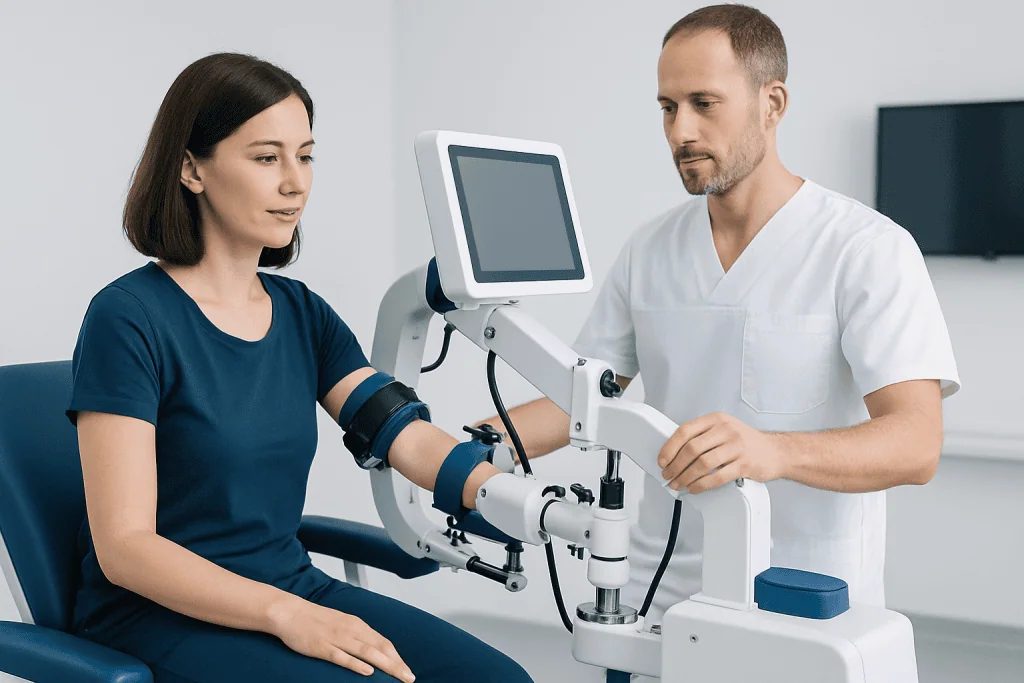
There are many types of therapy, and each serves a different purpose. Mental health therapy, also called psychotherapy or talk therapy, helps people understand thoughts, emotions, and behaviors. It may be used for stress, anxiety, depression, trauma, relationship difficulties, and many other concerns. Different methods include cognitive behavioral therapy, supportive counseling, family therapy, and group therapy.
Physical therapy focuses on movement, strength, flexibility, balance, and pain relief. It is often recommended after injury, surgery, stroke, or for long-term musculoskeletal conditions. Occupational therapy helps people perform everyday tasks such as dressing, cooking, working, or studying more independently. Speech and language therapy supports communication, swallowing, and language development in both children and adults.
Some people need more than one type of therapy. For example, a person recovering from a neurological condition may benefit from physical therapy and rehabilitation, occupational therapy, and speech support. In mental health care, therapy may also be combined with medical evaluation and, when appropriate, psychiatric care. The right combination depends on symptoms, diagnosis, age, and personal goals.
- Psychotherapy for emotional and psychological well-being
- Physical therapy for movement and recovery
- Occupational therapy for daily life skills
- Speech and language therapy for communication and swallowing
- Behavioral and developmental therapies for children and adults with specific needs
How Therapy Works

Although therapy methods differ, most begin with an assessment. The therapist asks about symptoms, daily function, personal history, medical background, and treatment goals. This first stage helps identify what is affecting the person and what kind of support may be most helpful. In some settings, therapy is part of a wider treatment plan that includes doctors, nurses, rehabilitation specialists, or social workers.
Once goals are set, therapy sessions usually involve specific techniques or exercises. In psychotherapy, this may include discussing patterns of thinking, learning coping strategies, or practicing new ways to respond to stress. In physical therapy, it may include guided exercises, posture training, stretching, balance work, and pain-management techniques. The process is active, meaning progress often depends on participation during sessions and follow-through at home.
Therapy usually works gradually rather than instantly. Small improvements in pain, mood, movement, communication, sleep, or confidence can build over time. Regular review is important because treatment may need to change as a person improves, faces new challenges, or responds differently than expected. Open communication between the patient and therapist helps keep therapy realistic, safe, and effective.
Who May Benefit From Therapy
Therapy can help people of all ages, from young children to older adults. A person may benefit from therapy after surgery, illness, injury, trauma, or a new diagnosis. Others seek therapy because symptoms have gradually begun affecting work, school, relationships, sleep, mobility, or independence. In many cases, therapy is useful not only for treatment but also for prevention of further decline.
Examples include someone with persistent low mood, a child with speech delay, an older adult recovering after a fall, or a person managing chronic pain. Therapy can also support people living with long-term conditions such as Parkinson’s disease, arthritis, stroke-related limitations, or anxiety disorders. The form of therapy depends on the main problem and the person’s goals.
Importantly, needing therapy does not mean a person is weak or seriously unwell. It simply means structured support may help improve function or coping. Many people use therapy as a practical tool to regain confidence, learn strategies, and take a more active role in their health.
What Happens During Diagnosis and Treatment Planning
Before therapy begins, proper evaluation is important. For physical symptoms, this may involve a medical examination, imaging, mobility assessment, or functional testing. For emotional or behavioral concerns, the process may include clinical interviews, questionnaires, and a review of personal and family history. The aim is to understand the cause of symptoms and decide whether therapy is the best option or part of a broader care plan.
In some situations, therapy is recommended after a clear diagnosis, such as after orthopedic surgery or for a condition like depression. In other cases, therapy begins while the healthcare team is still clarifying the problem, especially when the main goal is symptom relief or support with daily functioning. A diagnosis can guide treatment, but therapy plans are often based equally on current needs and measurable goals.
Treatment planning usually includes how often sessions will occur, what techniques will be used, what progress markers will be monitored, and what the person can do between visits. This may involve home exercises, journaling, communication practice, relaxation techniques, or activity modification. A clear plan helps patients understand what to expect and how to participate in their own recovery.
Benefits, Limits, and What to Expect
Therapy can offer many benefits, including symptom relief, improved mobility, better coping skills, greater independence, and stronger confidence in daily life. For some people, therapy reduces pain or emotional distress. For others, it improves communication, work ability, school participation, or recovery after an illness. Even modest progress can make everyday tasks feel easier and less overwhelming.
At the same time, therapy has limits. Improvement may take time, and results vary from person to person. Some conditions can be managed rather than fully resolved, especially chronic neurological, musculoskeletal, or mental health disorders. Therapy may need to be combined with medication, surgery, lifestyle changes, or specialist care to achieve the best results.
It is also normal for therapy to feel challenging at times. A physical exercise program may cause temporary fatigue, while emotional therapy may bring up difficult feelings before improvement becomes clear. These experiences should be discussed with the therapist, who can adjust the pace and approach. Safe, realistic expectations help people stay engaged without feeling discouraged.
Self-care, Consistency, and Long-Term Support
One of the most important parts of therapy happens outside the clinic. Self-care and consistency often influence progress just as much as the sessions themselves. Following home recommendations, keeping appointments, sleeping well, staying as active as medically appropriate, and asking questions when something is unclear can all support better outcomes.
Family support may also play a helpful role, especially for children, older adults, or people recovering from serious illness. Loved ones can encourage practice, help with routines, and notice gradual improvements that may not be obvious day to day. In mental health therapy, support from trusted people can make it easier to maintain coping strategies and attend follow-up care.
If therapy is not helping as expected, it is reasonable to review the plan rather than stop immediately. A different technique, therapist, frequency of treatment, or specialist referral may be needed. Near the end of treatment, the therapist may suggest maintenance strategies to help preserve gains and reduce the chance of setbacks.
When to Seek Professional Advice
A person should consider professional advice if symptoms are persistent, worsening, or interfering with normal life. This may include ongoing sadness or anxiety, repeated pain, difficulty moving, trouble speaking, poor balance, problems with daily tasks, or slow recovery after surgery or injury. Early assessment often makes treatment planning clearer and may improve outcomes.
Urgent medical attention is important if symptoms are sudden, severe, or potentially dangerous. Examples include chest pain, severe shortness of breath, sudden weakness, confusion, thoughts of self-harm, seizures, or signs of stroke. In these situations, emergency care is more appropriate than routine therapy assessment.
For people seeking coordinated care, Acibadem International’s multidisciplinary specialists and JCI-accredited hospitals diagnose and treat a wide range of conditions that may require therapy support, including rehabilitation and broader recovery planning for international patients. A qualified healthcare professional can help determine which type of therapy, if any, is most suitable.
Frequently asked questions
Is therapy only for mental health problems?
No. Therapy can refer to many kinds of treatment, including physical, occupational, speech, and psychological therapy. The common purpose is to improve health, function, coping, or quality of life.
How long does therapy usually take?
The length of therapy varies widely depending on the condition, goals, and type of treatment. Some people need only a few sessions, while others benefit from longer-term support and regular review.
Does therapy work right away?
Therapy usually works gradually rather than immediately. Many people notice small changes first, such as better understanding, less pain, improved coping, or easier movement, which build over time.
Can therapy be combined with medication or surgery?
Yes. Therapy is often part of a broader care plan and may be combined with medication, surgery, or lifestyle changes when appropriate. A doctor or specialist can help decide the safest and most effective combination.
What if the first type of therapy does not help?
Not every therapy approach suits every person. If progress is limited, the treatment plan may need adjustment, such as a different technique, another therapist, or a more detailed medical assessment.
Do people need a diagnosis before starting therapy?
Not always. Some people begin therapy for symptom relief or support with daily functioning before a final diagnosis is made. However, a medical or clinical evaluation is often useful to guide the most appropriate treatment.
References
- World Health Organization
- National Institute of Mental Health
- National Health Service
- American Physical Therapy Association
- American Psychological Association
This article is for general information only and is not a substitute for professional medical advice. Please consult a qualified doctor about your individual situation.
Explore treatments in Turkey — costs, top hospitals & a free quote
JCI-accredited · board-certified surgeons · reply within 24h
Add us as a Preferred Source to see more of our trusted health content across Google Search, AI Overviews and Discover.

More from the Health Library



Related Specialists

Ezgi Nur Çiçek
Physical Medicine & Rehabilitation
Prof. Dr. Fatih Dikici
Orthopedic Surgery & Traumatology
Dr. Nur Kaşkır Öztürk
Pulmonology
Pedagog Seren Öztoprak Kılıç
Pedagogy