Venous Insufficiency Treatment: Compression, Procedures, and Recovery
Venous insufficiency happens when leg veins have trouble sending blood back to the heart. Compression stockings are often a first step to reduce swelling, discomfort, and heaviness.
Key Takeaways
- Venous insufficiency happens when leg veins have trouble sending blood back to the heart.
- Compression stockings are often a first step to reduce swelling, discomfort, and heaviness.
- Minimally invasive procedures can treat damaged veins when symptoms persist or complications develop.
- Walking, leg elevation, weight management, and avoiding long periods of standing or sitting can support recovery.
- Early evaluation can help prevent worsening skin changes, recurring swelling, and venous ulcers.
Venous insufficiency treatment aims to help blood flow back to the heart more effectively, reduce symptoms, and prevent skin changes or ulcers. Treatment may include compression therapy, lifestyle changes, and procedures that close or remove damaged veins.
Overview of venous insufficiency treatment
Venous insufficiency is a condition in which the veins, usually in the legs, do not move blood back to the heart as efficiently as they should. This often happens because tiny valves inside the veins become weak or damaged, allowing blood to pool in the lower legs. Over time, this can lead to symptoms such as heaviness, swelling, aching, visible varicose veins, and skin changes.
Venous insufficiency treatment is designed to improve circulation, ease symptoms, and lower the risk of complications. For many people, treatment begins with conservative steps such as compression stockings, regular walking, leg elevation, and weight management. If symptoms continue or the condition becomes more advanced, doctors may recommend a procedure to close, seal, or remove unhealthy veins.
The best treatment approach depends on the severity of the condition, the pattern of vein damage, the presence of varicose veins or ulcers, and the person’s overall health. A vascular specialist can help decide whether symptom relief, prevention of progression, wound healing, or cosmetic improvement is the main treatment goal. In many cases, a combination of treatments provides the best result.
Symptoms and when treatment may be needed
Chronic venous insufficiency can develop gradually. Early symptoms often include leg heaviness, aching, throbbing, burning, itching, or tiredness that worsens after long periods of standing or sitting. Swelling around the ankles is also common, especially later in the day. Some people notice enlarged, twisted veins or smaller spider veins.
As the condition progresses, the skin on the lower legs may become dry, irritated, darker in color, or firmer to the touch. In more advanced cases, venous ulcers may form near the ankles. These are slow-healing wounds related to long-term pressure and poor blood flow in the veins. Treatment becomes especially important if skin damage or ulcers appear.
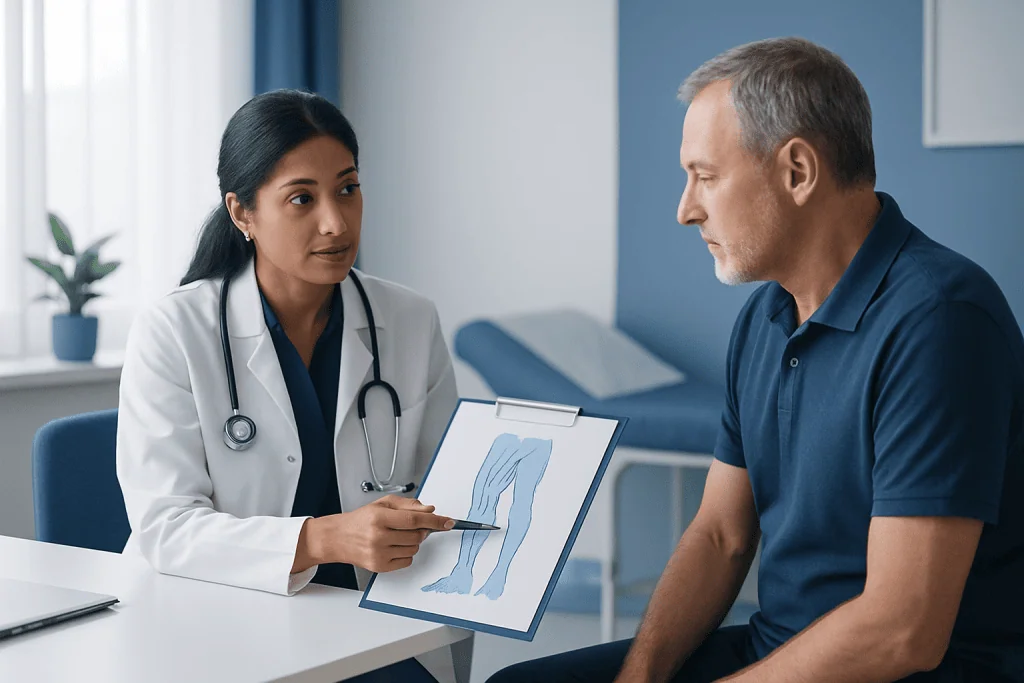
Medical assessment is usually recommended when symptoms are persistent, painful, interfere with daily life, or are associated with skin changes. Sudden one-sided swelling, severe pain, warmth, or redness should be assessed promptly, because these symptoms can overlap with other vein problems that may need urgent attention. Doctors may also evaluate related conditions such as varicose veins when planning treatment.
Causes, risk factors, and how doctors assess the condition
Venous insufficiency often results from valve dysfunction in the leg veins. When these valves do not close properly, blood can flow backward and collect in the veins. This raises pressure inside the veins and can stretch them further, creating an ongoing cycle. Previous blood clots, vein injury, or long-standing varicose veins can also contribute.
Common risk factors include increasing age, family history, pregnancy, obesity, limited physical activity, and jobs that involve prolonged standing or sitting. Some people are more likely to develop symptoms because of chronic pressure in the leg veins over many years. Women and people with a history of leg vein problems may be affected more often, although the condition can occur in anyone.
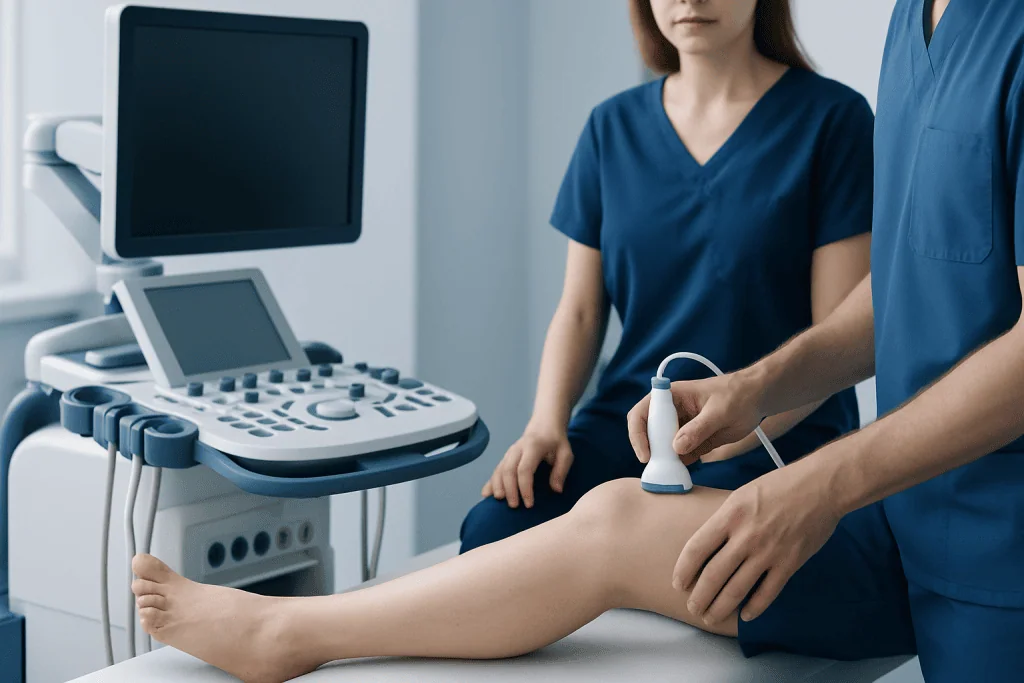
Assessment usually begins with a physical examination and a discussion of symptoms, daily habits, and medical history. The main diagnostic test is a duplex ultrasound, which shows how blood is moving through the veins and whether the valves are working properly. This test helps doctors identify which veins are affected and guides decisions about conservative care or varicose vein treatment procedures.
Compression therapy and lifestyle-based treatment
Compression therapy is often the foundation of venous insufficiency treatment. Compression stockings apply gentle pressure to the legs, helping the veins and calf muscles move blood upward more effectively. This can reduce swelling, ease discomfort, and lessen the feeling of heaviness. A doctor may recommend a specific stocking length or compression level based on the person’s symptoms and exam findings.
Lifestyle measures can make an important difference, particularly in mild to moderate cases. Regular walking activates the calf muscle pump, which supports blood flow in the legs. Elevating the legs above heart level for short periods can also help reduce swelling. Avoiding long periods of immobility, maintaining a healthy weight, and choosing comfortable clothing that does not constrict the waist or legs may improve daily symptom control.
Skin care is another important part of self-management. Moisturizing dry skin and protecting the lower legs from minor injury can help reduce irritation and lower the risk of ulcers. If there is itching, discoloration, or eczema-like skin change, a doctor may suggest additional treatments. Conservative care may be enough for some people, but others need a procedure if symptoms persist despite well-fitted compression and lifestyle changes.
- Wear compression stockings as advised by a clinician.
- Walk regularly and avoid sitting or standing in one position for too long.
- Elevate the legs when resting, especially after a long day.
- Support skin health with gentle cleansing and moisturizing.
Procedures used to treat venous insufficiency
When conservative care does not provide enough relief, doctors may recommend a procedure to treat the affected veins directly. Many modern treatments are minimally invasive and are performed using local anesthesia, ultrasound guidance, or small skin punctures. The goal is to close veins that are not functioning well so blood can reroute through healthier veins.
Common options include endovenous thermal ablation, sclerotherapy, and phlebectomy. Thermal ablation uses heat, usually delivered by laser or radiofrequency, to seal a damaged vein from the inside. Sclerotherapy involves injecting a solution or foam into targeted veins, causing them to close over time. Phlebectomy removes surface varicose veins through very small openings in the skin. In selected cases, surgery may still be recommended for larger or more complex vein problems.
The right procedure depends on vein size, vein location, ultrasound findings, symptom severity, and whether ulcers or skin damage are present. A specialist may discuss minimally invasive sclerotherapy or other vein procedures if visible varicose veins are part of the problem. If leg ulcers are present, treatment may also be coordinated with wound care and evaluation for related deep vein thrombosis risk when clinically appropriate.
Recovery after treatment and expected results
Recovery after venous insufficiency treatment depends on the type of procedure performed and the severity of the underlying vein disease. After minimally invasive treatment, many people return to normal daily activities relatively quickly, often with advice to walk regularly and avoid prolonged bed rest. Mild bruising, tightness, or tenderness along the treated vein can occur for a short time and usually settles gradually.
Compression stockings are commonly recommended for a period after treatment to support healing and improve comfort. Follow-up visits may include an ultrasound to confirm that the treated vein has closed properly and that blood flow is returning through healthier pathways. People with ulcers or significant swelling may need a longer recovery period and closer monitoring.
Results are often measured by symptom relief, less swelling, improvement in skin changes, and better quality of life. However, treatment does not remove the tendency to develop vein disease in the future. New varicose veins or ongoing symptoms can occur, especially if risk factors remain. Long-term success is usually best when procedures are combined with walking, weight management, leg elevation, and ongoing vein care.
Prevention, long-term self-care, and when to see a doctor
Although not every case can be prevented, healthy daily habits can help reduce symptoms and slow progression. Regular movement is one of the most useful steps, especially for people who sit at a desk or stand for long periods. Short walking breaks, calf raises, and changing position during the day support circulation. Weight management and treatment of related health conditions can also reduce pressure on the leg veins.
People who have already been treated for venous insufficiency may still benefit from compression during travel, prolonged standing, or times when swelling tends to flare. Ongoing skin care and attention to early signs of irritation are also important. If a venous ulcer has occurred before, prompt care for any new wound can help prevent complications and support faster healing.
A doctor should be consulted if leg swelling is persistent, symptoms are getting worse, skin color is changing, or a sore near the ankle is not healing. Immediate assessment is especially important for sudden leg swelling, chest symptoms, or severe pain. Near the end of the treatment journey, some patients choose care in specialized vascular centers; Acibadem International’s multidisciplinary specialists in JCI-accredited hospitals diagnose and treat venous insufficiency for international patients.
Frequently asked questions
Can venous insufficiency be cured?
Treatment can control symptoms, improve blood flow, and address damaged veins, but it may not permanently remove the tendency to develop vein problems. Many people do very well with the right combination of compression, lifestyle changes, and procedures. Long-term follow-up and self-care remain important.
Are compression stockings enough for venous insufficiency?
For some people with mild symptoms, compression stockings and lifestyle changes provide meaningful relief. However, if symptoms continue, skin changes develop, or ulcers appear, a doctor may recommend a procedure as well. The decision depends on ultrasound findings and the severity of the condition.
Is venous insufficiency treatment painful?
Conservative treatments such as compression and walking are generally not painful, although stockings can take time to get used to. Minimally invasive procedures are usually designed to reduce discomfort and often involve local anesthesia. Some soreness or bruising may happen afterward, but this is commonly temporary.
How long does recovery take after a vein procedure?
Recovery varies depending on the procedure and the extent of vein disease. Many people resume everyday activities soon after minimally invasive treatment, while swelling or bruising may take longer to settle. Recovery may be longer if there are skin changes, ulcers, or more complex vein problems.
What happens if venous insufficiency is left untreated?
Without treatment, symptoms may gradually worsen and can lead to more swelling, skin discoloration, eczema-like irritation, or venous ulcers. Not everyone progresses at the same rate, but early care may help prevent complications. A medical evaluation can clarify how advanced the condition is.
Can exercise help venous insufficiency?
Yes. Walking and calf-muscle activity can support circulation by helping push blood upward through the leg veins. Exercise is often part of treatment, although it does not replace medical care when vein damage is significant. A doctor can suggest safe activity based on the person’s symptoms and overall health.
References
- National Heart, Lung, and Blood Institute
- Society for Vascular Surgery
- National Institute for Health and Care Excellence
- American Venous Forum
This article is for general information only and is not a substitute for professional medical advice. Please consult a qualified doctor about your individual situation.
Persistent digestive symptoms? Get evaluated in Turkey
JCI-accredited · board-certified surgeons · reply within 24h
Add us as a Preferred Source to see more of our trusted health content across Google Search, AI Overviews and Discover.