Cervical Polyps: Do They Need Removal?

Cervical polyps are usually benign and commonly found during routine pelvic exams. They may cause spotting, bleeding after sex, or unusual vaginal discharge, but many cause no symptoms.
Key Takeaways
- Cervical polyps are usually benign and commonly found during routine pelvic exams.
- They may cause spotting, bleeding after sex, or unusual vaginal discharge, but many cause no symptoms.
- Removal is often simple and done in a clinic, especially if the polyp is symptomatic or looks unusual.
- A removed polyp is typically sent for laboratory testing to confirm it is noncancerous.
- Any new vaginal bleeding after menopause should be assessed by a doctor promptly.
Cervical polyps are small growths on the cervix that are often harmless and may not cause symptoms. Even so, a doctor may recommend removal if they cause bleeding, discharge, discomfort, or if the diagnosis needs to be confirmed.
Overview
Cervical polyps are small, finger-like growths that develop on the cervix, the lower part of the uterus that opens into the vagina. They are usually soft, red or purple, and often attached by a thin stalk. In most cases, they are benign, meaning they are not cancer. Many people only learn they have one during a routine gynecologic examination.
These growths can occur singly or, less often, as more than one polyp. They are most often seen in adults who have had children, but they can occur in others as well. Although the word “growth” can sound worrying, cervical polyps are commonly manageable and often straightforward to treat when needed.
The main question is not always whether a polyp is dangerous, but whether it is causing symptoms or needs to be removed for confirmation. A gynecologist will consider the size, appearance, symptoms, and a person’s age and medical history when deciding the next step. For many patients, this decision can be made quickly after an office examination.
Symptoms of Cervical Polyps
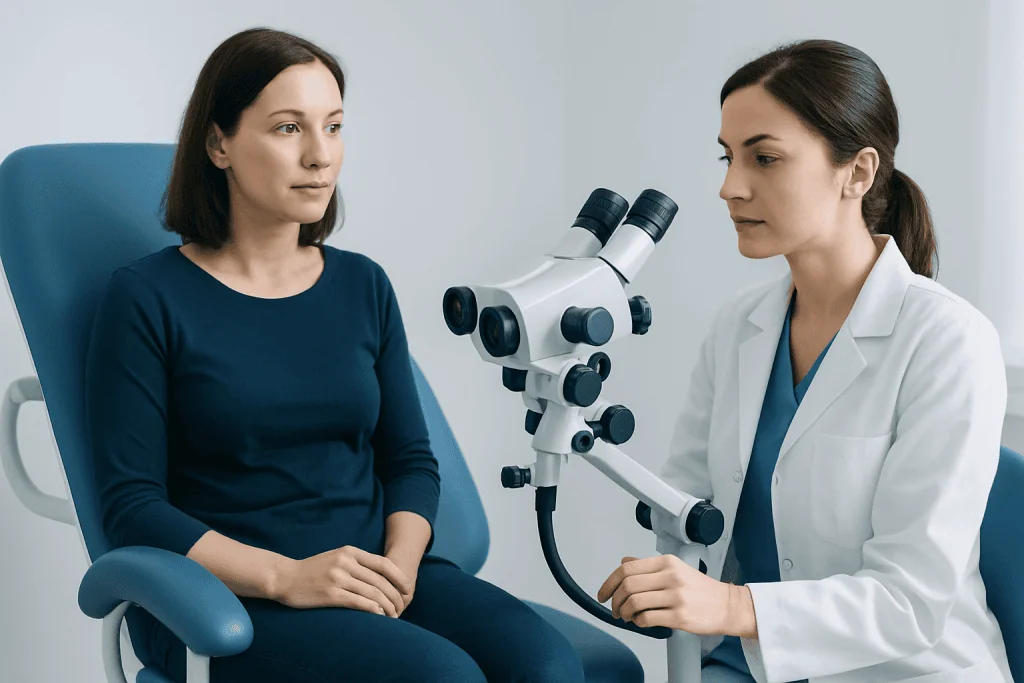
Many cervical polyps do not cause any symptoms at all. When symptoms do happen, they are often related to light bleeding or irritation because the polyp sits on a sensitive surface. A polyp can be fragile and may bleed easily when touched.
Possible symptoms include spotting between periods, bleeding after sexual intercourse, heavier periods than usual, or bleeding after menopause. Some people also notice an unusual vaginal discharge, which may be white, yellow, or streaked with blood. Less commonly, there may be a feeling of irritation or pelvic discomfort, although pain is not a typical symptom.
These symptoms are not specific to cervical polyps and can happen with other gynecologic conditions too. For example, abnormal bleeding can also be linked to infection, hormonal changes, or conditions affecting the cervix or uterus. That is why an examination is important rather than assuming the cause.
- Spotting between menstrual periods
- Bleeding after sex
- Bleeding after menopause
- Unusual vaginal discharge
- Occasionally heavier or prolonged periods
Causes and Risk Factors
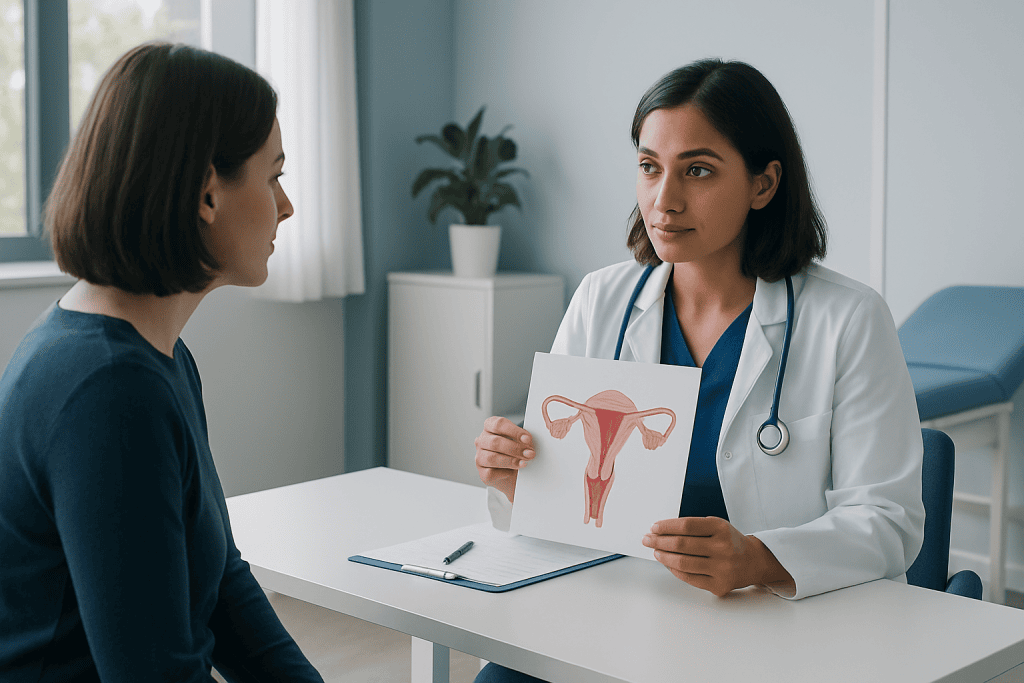
The exact cause of cervical polyps is not always clear. Doctors believe they may be linked to chronic inflammation of the cervix, an abnormal response to estrogen, or congestion of blood vessels in the cervical canal. These factors may encourage the tissue lining the cervix to overgrow and form a small polyp.
Some polyps are found in people with cervicitis, which is inflammation of the cervix, or alongside vaginal or cervical infections. Hormonal influence may also play a role, especially during reproductive years when estrogen levels fluctuate. However, having a cervical polyp does not necessarily mean there is a serious hormonal problem or infection.
Cervical polyps are more often seen in adults than in adolescents. They may be somewhat more common in people who have had pregnancies. Even with these patterns, anyone with a cervix can develop a polyp, and many have no clear risk factor. In many cases, the finding is simply incidental during a screening visit.
How Cervical Polyps Are Diagnosed
Diagnosis usually begins with a pelvic examination. During a speculum exam, a doctor may see a small smooth growth protruding from the cervix or from the cervical canal. Because cervical polyps are often visible, diagnosis can be relatively direct in the clinic.
Depending on symptoms and age, additional tests may be recommended. These can include a Pap smear if one is due, testing for infection, or a colposcopy, which uses magnification to examine the cervix more closely. If bleeding patterns suggest a problem inside the uterus, the doctor may also evaluate for uterine polyps or other uterine causes of bleeding.
A key part of diagnosis is making sure the growth is truly a cervical polyp and not another condition. Unusual lesions, persistent bleeding, or concerning cervical changes may require closer assessment and sometimes a biopsy. This is one reason removal is often advised even when the polyp seems harmless: laboratory examination can confirm the diagnosis.
Do Cervical Polyps Need Removal?
Not every cervical polyp must be removed immediately, but many doctors recommend removal because the procedure is usually simple and the tissue can then be examined. Removal is especially likely to be advised if the polyp is causing symptoms, is large, looks atypical, or bleeds easily. Polyps found after menopause are also often removed for confirmation.
If a small polyp is clearly visible, appears typical, and is not causing symptoms, a gynecologist may discuss watchful follow-up in selected cases. Still, many clinicians prefer removal because it is a relatively minor office procedure and provides reassurance. In most cases, the benefits of confirming that the growth is benign outweigh the inconvenience of the procedure.
Whether removal is needed also depends on the broader clinical picture. If bleeding may be coming from another source, the doctor may investigate other conditions such as cervical cancer or changes within the uterus. This does not mean cancer is likely; it means abnormal bleeding deserves a careful, evidence-based assessment.
Treatment Options and What Removal Involves
Small cervical polyps can often be removed during a clinic visit. The doctor may grasp the polyp gently with an instrument and twist it off at the base. In some cases, a local treatment is used to reduce bleeding. The removed tissue is then usually sent to a laboratory for histopathologic examination.
If the polyp is broad-based, higher inside the cervical canal, or difficult to remove in the office, a different approach may be needed. This can involve a more detailed examination of the cervix and uterus, sometimes with procedures such as hysteroscopy or targeted colposcopy depending on where the concern lies. These help the doctor see the tissue clearly and remove or sample it safely.
Recovery after simple removal is usually quick. Mild cramping or light spotting for a short time can happen. Patients are commonly advised to avoid intercourse, tampons, or vaginal products for a brief period if recommended by the doctor. If there is heavy bleeding, fever, worsening pain, or foul-smelling discharge after the procedure, medical advice should be sought.
When symptoms such as abnormal bleeding continue after a cervical polyp has been removed, the doctor may look for another cause. This might include evaluation of the uterine lining or biopsy of another area if clinically indicated. Treatment always depends on the underlying diagnosis rather than the symptom alone.
Prevention and Self-Care
There is no guaranteed way to prevent cervical polyps, because their exact cause is not fully understood. Still, routine gynecologic care plays an important role in early detection and in identifying infections, cervical inflammation, or other causes of abnormal bleeding. Keeping up with cervical screening as advised is a practical step for long-term reproductive health.
Self-care begins with paying attention to changes in vaginal bleeding and discharge. It can help to note when spotting happens, such as after intercourse or between periods, and whether it is new or recurring. This information can help the doctor decide whether symptoms fit a cervical polyp or suggest another issue.
General measures that support gynecologic health include practicing safer sex, seeking treatment for possible infections, and avoiding douching unless specifically advised by a doctor. These steps do not specifically prevent polyps, but they may reduce cervical irritation and help maintain normal vaginal and cervical health.
When to See a Doctor
A doctor should be consulted for bleeding after sex, spotting between periods, unusual discharge, or any bleeding after menopause. These symptoms often have benign explanations, but they deserve evaluation so the correct cause can be identified. New or persistent symptoms should not be ignored.
Prompt assessment is especially important if bleeding is heavy, symptoms keep returning, or there are signs of infection such as fever, pelvic pain, or foul-smelling discharge. People with a history of abnormal Pap smears or prior cervical treatment should also mention this during the visit. Clear communication about menstrual patterns, medications, and pregnancy status can help guide diagnosis.
For international patients seeking specialist assessment, Acibadem International’s multidisciplinary teams and JCI-accredited hospitals evaluate and treat cervical conditions with individualized care. The most important step, however, is timely review by a qualified gynecologist who can confirm whether a cervical polyp is present and whether removal is appropriate.
Frequently asked questions
Are cervical polyps usually cancerous?
No. Cervical polyps are usually benign growths. Even so, doctors often remove them and send them for testing to confirm the diagnosis, especially if they cause symptoms or look unusual.
Can a cervical polyp go away on its own?
Some small polyps may remain stable for a long time, but they do not always disappear on their own. If a polyp causes bleeding, discharge, or uncertainty about the diagnosis, removal is commonly recommended.
Is cervical polyp removal painful?
Many people tolerate removal well in the clinic, with only brief cramping or discomfort. The experience depends on the size and location of the polyp, and some cases may need a different procedure for comfort and safety.
Can cervical polyps affect fertility or pregnancy?
Most cervical polyps do not cause fertility problems. In some situations, if a polyp is large or located in a way that affects the cervical canal, a doctor may discuss whether treatment is helpful before or during pregnancy planning.
Do cervical polyps come back after removal?
They can recur, although many people do not have repeated problems. Follow-up depends on the pathology result, symptoms, and whether abnormal bleeding continues after the polyp has been removed.
Should bleeding after menopause always be checked?
Yes. Bleeding after menopause should always be evaluated by a doctor, even if the cause turns out to be a benign cervical polyp. This helps rule out other conditions that may also cause postmenopausal bleeding.
References
- American College of Obstetricians and Gynecologists
- National Health Service
- Merck Manual Professional Edition
- Mayo Clinic
- World Health Organization
This article is for general information only and is not a substitute for professional medical advice. Please consult a qualified doctor about your individual situation.
Oncology care in Turkey — second opinion and treatment plan
JCI-accredited · board-certified surgeons · reply within 24h
Add us as a Preferred Source to see more of our trusted health content across Google Search, AI Overviews and Discover.