

Risks and Side Effects of Treatment in Turkey: How They Are Managed

Risks and side effects of treatment in Turkey are managed through careful assessment, accredited hospital safety systems, and planned follow-up.
This guide explains the common risks and side effects you may experience around medical treatment in Turkey, how they are usually prevented and managed, and how to plan your trip more safely. It is designed to help you understand what is normal, what needs attention, and how international patient support can make your care journey clearer and more reassuring.
At a glance
- Procedure type: Applies to surgical and non-surgical treatments
- Purpose: To understand possible side effects, risks, prevention, and response planning before treatment in Turkey
- Anesthesia: Depends on the planned treatment; may be local, sedation, regional, or general anesthesia
- Hospital stay: Varies by treatment; same-day discharge to several days may be recommended
- Estimated recovery: Depends on the procedure, your health, and whether any complications occur
- Return to daily life: Often within days to weeks for many treatments, but timing varies by procedure and individual recovery
- Final result timeline: From days to months depending on the treatment and healing process
- Suitable department: Relevant specialty department with anesthesia, nursing, imaging, laboratory, and follow-up support
- International patient support: Interpreter services, transfer coordination, accommodation guidance, and remote follow-up planning
What is this treatment?
This guide is not about one single procedure. Instead, it focuses on a very important part of any medical journey: understanding the possible risks and side effects of treatment in Turkey, and how they are commonly prevented, monitored, and managed. Whether you are considering surgery, a minimally invasive procedure, or another hospital-based treatment, knowing what to expect can help you make more informed decisions.
All medical treatments involve some level of uncertainty. Some effects are expected and temporary, such as pain, swelling, bruising, tiredness, or nausea after anesthesia. Others are less common but more significant, such as bleeding, infection, wound problems, reactions to medications, or delayed healing. The exact risk profile depends on the treatment itself, your medical history, your age, your medications, and your overall health.
For international patients, there is an extra layer to consider: travel planning around treatment and recovery. This includes deciding how long to stay in Turkey, when it is safe to fly, how follow-up will be handled, and what to do if a problem develops after you return home. A structured plan before you travel can make this part of the process much smoother.
At Acibadem International, care planning typically involves the medical team, nursing services, diagnostics, anesthesia support where needed, and international patient coordination. This team-based approach helps you understand expected side effects, identify personal risk factors, and know whom to contact if you need help before or after your treatment.
When is it recommended?

This type of guidance is recommended before any treatment that may involve anesthesia, a hospital stay, recovery time, or the possibility of post-treatment monitoring. It is especially useful if you are traveling from abroad and need to organize flights, accommodation, time away from work, or support from a companion.
You may benefit from a more detailed risk discussion if you have chronic medical conditions such as diabetes, heart or lung disease, high blood pressure, immune-related conditions, obesity, or a history of blood clots. It is also particularly important if you take blood thinners, smoke, have allergies, or have had complications with previous surgery or anesthesia.
It is also recommended when you are comparing treatment options. Different approaches may offer different benefits, recovery times, and risk profiles. For example, a minimally invasive treatment may reduce certain risks compared with open surgery, while a more extensive procedure may be more suitable in other situations. Understanding these trade-offs helps you have a more meaningful consultation.
If you are seeking cosmetic, dental, orthopedic, bariatric, gynecologic, urologic, or general surgical treatment in Turkey, risk planning should be part of your decision-making from the beginning. It helps align your expectations with a realistic timeline for healing, follow-up, and safe travel home.
Who is a good candidate?

You are a good candidate for treatment abroad when your condition has been assessed properly, your diagnosis and treatment plan are reasonably clear, and you are well enough to travel. Good candidates are usually able to share accurate medical records, follow pre-treatment instructions, communicate symptoms clearly, and stay in Turkey long enough for the recommended checks.
You may also be a good candidate if you understand that all treatments have potential side effects and that recovery may not be completely predictable. A realistic mindset is important. Even when treatment goes well, you may still need medication adjustments, dressing changes, activity restrictions, and follow-up appointments after the procedure.
Some patients need extra evaluation before being confirmed as suitable. This may include people with complex medical histories, uncontrolled chronic disease, recent infections, pregnancy, advanced frailty, or previous complications related to anesthesia or surgery. In these situations, the team may advise additional tests, specialist consultations, or in some cases postponing treatment until it is safer.
The best candidates are those who are open about their history, including smoking, alcohol use, medications, supplements, previous operations, and allergies. Honest information allows your doctors to tailor prevention strategies and reduce avoidable risks as much as possible.
Treatment options
The risks and side effects you may face depend greatly on the type of treatment you are having. Broadly, treatments may be non-surgical, minimally invasive, or surgical. Non-surgical treatments may carry lower recovery burden but can still have risks such as allergic reactions, infection, bleeding, skin changes, or unsatisfactory results. Minimally invasive procedures often involve smaller incisions or shorter stays, but they still require proper assessment and aftercare.
Surgical treatment usually brings a wider range of expected side effects and possible complications. Common short-term effects may include pain, swelling, bruising, fatigue, constipation, temporary mobility limitation, sore throat after anesthesia, or fluid drainage from wounds. Potential complications can include bleeding, infection, delayed healing, scarring concerns, blood clots, anesthesia-related problems, or the need for unexpected observation or further treatment.
Your team may discuss different procedural approaches depending on your case, such as day-case versus inpatient care, local versus general anesthesia, or conservative versus more extensive treatment. In some specialties, imaging guidance, robotic assistance, endoscopic methods, or multidisciplinary planning may be used to improve precision and support recovery. The best option is the one that balances safety, effectiveness, and your personal health needs.
For international patients, the right option is not always the most convenient one for travel. Sometimes a treatment with a shorter flight-to-home timeline may not be medically ideal, while a more suitable treatment may require a longer stay in Turkey for monitoring. Your doctor will advise what is appropriate based on the planned procedure and your individual risk profile.
Online evaluation before travel
Before you travel, an online evaluation helps the medical team understand your health status, your goals, and any concerns that may affect safety. This usually involves sharing your medical history, current symptoms, medications, prior procedures, and available reports such as blood tests, imaging, pathology results, or specialist letters. For some treatments, photos or videos may also be requested.
This early review is important because it can identify issues that need attention before you book flights. You may be advised to stop smoking, improve blood sugar control, obtain clearance from another specialist, adjust certain medicines, or complete extra tests in your home country. In some cases, the team may recommend a different treatment plan than the one you originally expected.
Online review also gives you a chance to ask practical questions about recovery, length of stay, mobility, travel restrictions, and how side effects are usually managed. For international patients, this can reduce uncertainty and help you prepare more realistically for the trip.
At Acibadem International, international patient coordinators can help organize communication, medical document transfer, interpreter support, and treatment planning discussions. While an online review is helpful, final suitability is usually confirmed after in-person assessment and any required pre-treatment testing in the hospital.
Before the treatment
Preparation before treatment is one of the most effective ways to reduce risk. You may be asked to complete blood tests, imaging, cardiology review, anesthetic assessment, or other specialty evaluations depending on your medical background and the planned procedure. These checks help the team confirm that the timing and type of treatment are appropriate for you.
You will also receive instructions about eating and drinking, medications, smoking, alcohol, supplements, and what to bring to the hospital. Some medicines may need to be paused or adjusted, especially blood thinners, diabetes medications, and certain supplements that can affect bleeding or anesthesia. You should never stop prescription medication without medical advice.
If you have a cold, fever, active infection, new rash, chest pain, shortness of breath, or any sudden change in your health before the procedure, tell the medical team as soon as possible. Even if this feels minor, it may affect anesthesia safety, healing, or the risk of complications. In some situations, postponing treatment is the safest option.
It is wise to prepare for recovery before the treatment takes place. Arrange comfortable clothing, support from a companion if needed, easy access to hydration and meals, and enough time in Turkey for check-ups. Understanding your discharge instructions in advance can also make recovery feel more manageable.
What happens during the treatment
During treatment, your care team focuses on both the procedure itself and your overall safety. Depending on the type of treatment, this may include identity checks, site marking where relevant, sterile preparation, anesthesia monitoring, medication safety checks, and ongoing observation of vital signs. If you are having surgery, the operating room team works within established safety protocols designed to reduce avoidable errors and respond quickly to changes.
For procedures involving anesthesia, you may receive local anesthesia, sedation, regional anesthesia, or general anesthesia. Each has its own benefits and possible side effects. Temporary drowsiness, nausea, sore throat, shivering, or dizziness can occur after anesthesia, and these effects are often managed with medication, fluids, observation, and rest.
If any unexpected issue arises during the treatment, the team may need to adjust the plan. This does not necessarily mean that something has gone seriously wrong; sometimes additional steps are taken simply to keep you safe or improve the result. In certain cases, an overnight stay or additional observation may be recommended even if same-day discharge was originally planned.
After the procedure, you are moved to a recovery area or ward where nurses and doctors monitor pain, bleeding, nausea, breathing, circulation, and general comfort. This early period is important because many immediate side effects are identified and treated there before discharge is considered.
Hospital stay and discharge
Your hospital stay may range from a few hours to several days depending on the treatment, your response to anesthesia, your pain control, and whether there are any concerns that need monitoring. Some patients recover quickly and feel ready to leave on the same day, while others benefit from observation until they are eating, moving safely, and passing routine clinical checks.
Before discharge, the team usually reviews pain management, wound or dressing care, bathing guidance, mobility advice, medications, diet, and warning signs. If you have drains, compression garments, braces, or special equipment, you should be shown how to use them correctly. Written instructions are especially helpful for international patients who will continue early recovery outside the hospital.
Discharge does not mean all risks are over. Some complications appear later, after you have returned to your hotel or residence. That is why scheduled controls, an emergency contact route, and realistic activity restrictions are important. You should also understand whether you need blood tests, dressing changes, imaging, or specialist review before traveling home.
At Acibadem International, discharge planning can include interpreter assistance, coordination with your companion, and practical guidance for onward accommodation and transfers. The goal is that you leave the hospital with clear instructions and a safe plan for the next stage of recovery.
Recovery timeline
Recovery varies widely depending on your treatment, overall health, and whether healing follows the expected course. Side effects such as pain, swelling, bruising, tiredness, mild drainage, constipation, and appetite changes are often part of early recovery. The table below gives a general framework only; your own timeline may be shorter or longer.
You should follow the timeline given by your own doctor rather than comparing your progress too closely with another patient. Some people regain comfort quickly, while others need more time before returning to normal activity, travel, or work.
| Timeframe | What to expect |
|---|---|
| First 24 hours | Observation for pain, nausea, bleeding, dizziness, or immediate anesthesia effects. You may feel sleepy, uncomfortable, or weak. |
| First week | Early healing begins. Swelling, bruising, fatigue, and movement limitations are often most noticeable. Medication, rest, hydration, and check-ups are important. |
| Weeks 2-4 | Many patients feel progressively better and begin returning to light daily activities. Some symptoms improve clearly, but full stamina may not be back yet. |
| Months 1-3 | Deeper healing continues. Depending on the procedure, discomfort and swelling usually keep settling. Follow-up may still be needed. |
| Final result | Final recovery depends on the treatment. Some results are seen quickly, while others become clearer only after tissues fully heal. |
If your recovery seems slower than expected, this does not automatically mean there is a serious problem. However, new or worsening symptoms should always be reviewed promptly, especially if they affect breathing, bleeding, wound appearance, or severe pain control.
What to avoid after treatment
After treatment, you may be asked to avoid smoking, alcohol, heavy lifting, strenuous exercise, swimming, driving, or certain sleeping positions for a period of time. These restrictions are not only about comfort; they can directly affect bleeding, swelling, infection risk, wound healing, and overall recovery. The exact rules depend on the treatment you have had.
You should also avoid changing or stopping prescribed medications on your own unless you have been instructed to do so. This includes pain medicines, antibiotics when prescribed, stomach protection, anticoagulation plans, or dressing products. If a medication causes side effects, contact the medical team rather than discontinuing it without advice.
Long-distance travel too soon after treatment may also be discouraged in some cases, especially after major surgery or when there is concern about blood clots, wound care, pain, or the need for early review. Flying before you are medically cleared can make recovery more difficult and may increase risks for some patients.
Finally, avoid assuming that an online source or another patient’s experience applies directly to you. Your doctor’s instructions take priority because they are based on your procedure, findings, and medical condition. Following these instructions carefully is one of the most practical ways to reduce complications.
Risks and possible complications
Risks can be divided into expected side effects and less common complications. Expected side effects often include pain, swelling, bruising, tiredness, temporary numbness, mild bleeding or drainage, constipation, appetite changes, and nausea. These are often manageable and tend to improve as healing progresses.
Possible complications depend on the treatment, but may include infection, more significant bleeding, wound separation, fluid collection, delayed healing, scarring concerns, medication reactions, blood clots, urinary difficulties, respiratory issues, and anesthesia-related problems. Some procedures have organ-specific or function-specific risks that your doctor will explain during consent.
Not every complication can be prevented completely, but many can be reduced through careful assessment, sterile technique, medication review, early mobilization, hydration guidance, compression measures when appropriate, and timely follow-up. International patients should understand that safe management includes not only the treatment itself, but also the period after discharge and before flying home.
In some cases, additional treatment may be needed if recovery does not go as planned. This might involve extra medication, wound care, observation, imaging, drainage, a longer stay, or occasionally a repeat procedure. Honest discussion of this possibility is part of responsible medical planning, and results can vary from one patient to another.
Warning signs: when to contact a doctor
Some symptoms can be part of normal recovery, while others need urgent review. You should contact your doctor or care team promptly if you notice any symptom that is severe, worsening, or feels out of proportion to what you were told to expect.
- Fever, chills, or feeling suddenly unwell
- Increasing redness, warmth, swelling, bad odor, or discharge from a wound
- Heavy bleeding or bleeding that does not settle as instructed
- Shortness of breath, chest pain, fainting, or severe dizziness
- Severe pain not controlled by the recommended medication plan
- One-sided leg swelling, pain, or sudden calf tenderness
- Persistent vomiting or inability to keep fluids down
- Reduced urine output or inability to pass urine when this is unexpected
- Confusion, unusual drowsiness, or a sudden change in mental state
- Any new symptom that rapidly worsens after discharge or after returning home
If your symptoms are severe or urgent, seek emergency medical attention without delay. If you are still in Turkey, use the emergency pathway given to you by the hospital. If you have already traveled home, contact local emergency services and also inform your treating team so they can support communication and follow-up planning.
Results and expectations
Most patients focus naturally on the outcome of treatment, but it is just as important to understand the recovery process that leads to that outcome. Early discomfort, temporary swelling, fatigue, bruising, limited mobility, or emotional ups and downs do not necessarily mean that treatment has failed. In many cases, these are normal parts of healing.
At the same time, no responsible medical team can guarantee a perfect course or a specific final result. Recovery speed, symptom intensity, scar behavior, tissue healing, function, and satisfaction can vary. Some treatments may require a period of adjustment, rehabilitation, or staged follow-up before the full benefit becomes clear.
You may also need to adjust your expectations around timing. Immediate results are not always the final results. Swelling can hide the true outcome, and functional improvement may happen gradually rather than all at once. This is especially important if you are traveling and hoping to combine treatment with a short trip.
The best approach is to view your treatment as a process rather than a single event. Clear communication, realistic timelines, and prompt response to warning signs all contribute to better overall care. Your doctor will explain what success looks like in your specific case and what limits or uncertainties may still apply.
International patient travel planning
When you travel to Turkey for treatment, safety planning should include more than the hospital date alone. You should consider arrival timing, jet lag, need for pre-treatment tests, whether a companion is advisable, and how long you may need to remain in the country after the procedure. Leaving too soon can make follow-up and problem-solving more difficult.
You should also think about hotel comfort, mobility needs, stairs, bathing arrangements, and how you will attend control appointments. If your treatment may affect walking, lifting, or self-care, support from a companion can be very helpful. It is wise to avoid tight travel schedules or non-refundable plans until the medical timeline is clearer.
Before flying home, ask when air travel is considered appropriate in your case, whether you need fit-to-fly clearance, and if you should use mobility precautions, hydration strategies, compression measures, or special seating arrangements. This advice depends on your procedure, recovery, and personal risk factors.
Acibadem International supports international patients with practical coordination such as interpreter services, transfer arrangements, accommodation guidance, and post-discharge communication planning. This can help reduce stress and make it easier for you to focus on recovery while in Turkey.
Cost and package information
The overall cost of treatment-related care can vary depending on the procedure itself, the complexity of your case, your medical history, the need for pre-treatment tests, the type of anesthesia, hospital stay length, specialist consultations, implants or devices where relevant, medications, and whether additional monitoring or unexpected treatment becomes necessary.
For international patients, treatment packages often include some core medical services and some non-medical support services. Typically included items may cover the planned procedure, standard hospital care, routine nursing, operating room or treatment room use where relevant, and scheduled in-hospital follow-up related to the original plan. International coordination support may also be part of the overall process.
Items that are often not included, or may vary by case, can include flights, visas, extended hotel stays, companion expenses, treatment of unrelated medical problems, management of unexpected complications requiring extra care, additional specialist opinions beyond the original plan, extra tests requested after arrival, long-term medications, and follow-up performed in your home country.
For this reason, it is important to review your quotation carefully and ask what is included, what may change after in-person assessment, and what happens if the medical plan needs to be adjusted for safety reasons. A clear written breakdown helps you compare options fairly and avoid misunderstandings.
Why choose Acibadem
When you are considering treatment abroad, the environment in which care is delivered matters. Acibadem International supports patients through JCI-accredited hospital standards, coordinated specialty care, modern diagnostics, anesthesia and intensive care support where needed, and structured nursing and discharge processes. For many patients, this provides reassurance that safety systems are built into the treatment journey.
Another important advantage for international patients is coordination. Medical care does not happen in isolation from travel, language, or follow-up needs. International patient services can help you organize communication, documentation, interpreter support, transfers, and accommodation guidance so that the practical side of your trip feels clearer and more manageable.
Complex cases may benefit from multidisciplinary input, especially when there are underlying health conditions or when more than one specialist perspective is needed. This can help with planning, risk reduction, and deciding whether treatment should go ahead, be modified, or be delayed for safety reasons.
Most importantly, you should feel informed rather than rushed. A good provider helps you understand both the benefits and the limits of treatment, explains possible side effects honestly, and supports you during recovery in Turkey and after you return home. That balanced approach is central to safe international care.
Medical review and disclaimer
This guide has been medically reviewed by the Acibadem International medical team. It is intended to provide general information for international patients who are considering treatment in Turkey and want to understand common risks, side effects, and safety planning.
It does not replace a personal medical consultation, diagnosis, consent discussion, or emergency assessment. The exact risks, expected recovery, and follow-up needs depend on the specific treatment you are having and your own health condition.
Suitability for treatment, fitness for travel, anesthesia safety, and the timing of return home must always be decided by a qualified physician after appropriate evaluation. If you have symptoms that concern you before or after treatment, you should contact a doctor promptly.
Medical information can change, and individual circumstances vary. For that reason, your treating team’s advice should always take priority over general online content.
Step by step
- Initial contact. You contact the international patient team and describe the treatment you are considering, your goals, and any immediate concerns about safety or recovery.
- Medical record / photo submission. You share your medical history, medication list, prior reports, and photos or imaging when relevant so the team can begin an initial assessment.
- Preliminary medical review. The relevant clinical team reviews your information to identify possible risks, likely side effects, and whether further information is needed.
- Treatment plan and quotation. You receive a preliminary treatment outline, expected length of stay, and a quotation that explains the planned scope of care and what may affect changes.
- Travel planning. Flights, accommodation, transfers, companion arrangements, and the recommended stay in Turkey are planned around the likely treatment and follow-up timeline.
- Arrival. After arriving in Turkey, you settle into your accommodation and prepare for your in-person consultations and any tests scheduled before treatment.
- In-person consultation. Your doctor examines you, reviews your records, confirms the diagnosis or indication, and discusses benefits, limits, side effects, risks, and alternatives.
- Pre-operative tests. If required, blood tests, imaging, anesthesia review, or specialist clearances are completed to confirm that treatment can proceed safely.
- Treatment. The procedure or therapy is performed with the planned monitoring and safety measures, while the team remains ready to respond to any unexpected developments.
- Hospital stay. You are observed for immediate recovery, symptom control, mobility, and any early side effects or complications that need treatment.
- First control. A follow-up review checks healing, pain, wound condition, medication tolerance, and whether recovery is progressing as expected.
- Discharge / travel clearance. You receive discharge instructions, warning signs, medication guidance, and advice about when it is safe to travel or fly home.
- Remote follow-up. After returning home, remote communication helps address questions, review progress, and guide you if further medical attention is needed.
Your checklist
- Valid passport
- Medical history summary
- Current medication list
- Known allergies
- Previous surgeries or hospitalizations
- Current symptoms and how long they have been present
- Relevant blood test results
- Relevant imaging or scan reports
- Specialist letters or previous treatment notes
- Photos or imaging files where relevant
- Insurance information if applicable
- Emergency contact details
Key takeaways
- Every treatment carries some degree of risk, but careful assessment and planning help reduce it.
- Normal side effects are usually temporary; warning signs need prompt medical review.
- Your length of stay in Turkey should allow for checks before travel home.
- Accredited hospitals, clear discharge instructions, and remote follow-up support are important for international patients.
- Suitability, safety, and recovery expectations should always be confirmed by a physician evaluation.
Frequently asked questions
Is it normal to worry about risks before treatment in Turkey?
Yes. It is completely normal to want clear information about safety, side effects, and what would happen if a problem arose. A good treatment plan should include not only the procedure itself, but also prevention, monitoring, discharge planning, and follow-up.
Are all side effects a sign that something is wrong?
No. Many side effects are expected and temporary, such as pain, swelling, bruising, fatigue, or mild nausea depending on the treatment. What matters is whether your symptoms match the recovery guidance you were given or are becoming severe, unusual, or progressively worse.
How do doctors reduce the risk of complications?
Risk reduction starts with proper evaluation, accurate diagnosis, and choosing the right treatment for you. It also includes medication review, infection prevention, anesthesia assessment, sterile technique, nursing observation, clear discharge instructions, and timely follow-up.
How long should I stay in Turkey after treatment?
The right length of stay depends on the procedure, your health, and how your early recovery progresses. You should remain in Turkey long enough for essential checks and only travel home when your doctor confirms it is appropriate.
Can I travel alone for treatment?
Some patients can, especially for simpler treatments with short recovery. However, for surgery, mobility limitations, language concerns, or treatments requiring closer support, traveling with a companion can be helpful and sometimes strongly recommended.
What happens if a complication develops after I leave the hospital?
You should follow the contact instructions given at discharge and seek urgent care immediately if you have severe symptoms. If you are still in Turkey, the treating team can advise you directly; if you are home already, you may need local medical assessment while also informing your treating hospital.
Will I know in advance exactly what my risks are?
You can usually be told the main expected side effects, common complications, and important warning signs, but exact prediction is never possible. Your personal risks depend on the treatment, your anatomy, your medical history, and how your body heals.
What factors affect the overall cost if complications occur?
Costs can be influenced by the need for extra tests, longer hospital stay, additional medications, specialist reviews, dressings, imaging, procedures, or delayed travel arrangements. This is why it is important to understand what your original package includes and what may fall outside it.
Does having treatment in an accredited hospital matter?
Yes, it can be an important part of your decision. Accredited hospitals typically work within structured quality and safety processes, which may support consistent care, monitoring, infection control, and patient communication.
Can results still be good if recovery feels difficult at first?
Often, yes. Early recovery can involve discomfort, swelling, tiredness, and emotional stress, and these do not necessarily reflect the final result. Your doctor will help you understand which symptoms are expected and when the outcome can be judged more reliably.
Add us as a Preferred Source to see more of our trusted health content across Google Search, AI Overviews and Discover.
More Patient Guides
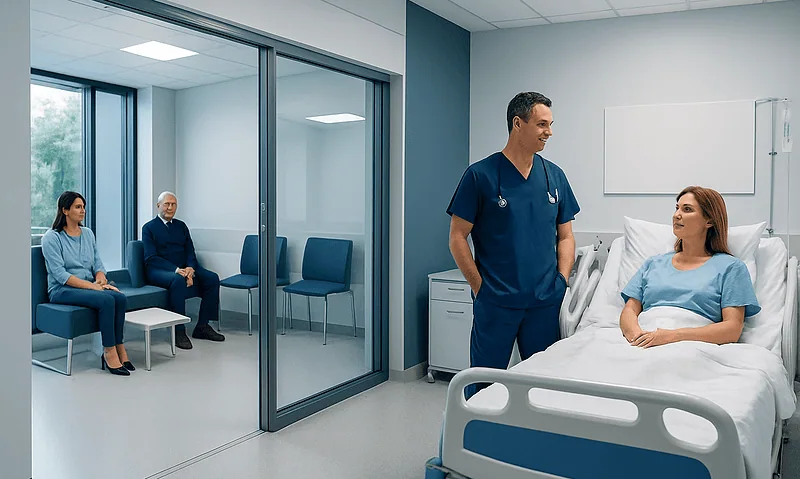
Day Surgery in Turkey: Can You Leave Hospital the Same Day?
Day surgery in Turkey often lets you go home the same day if your procedure and recovery are suitable and your doctor…
11 min read
General Anesthesia in Turkey: How to Prepare and What Happens Before You Sleep
General anesthesia in Turkey helps you sleep safely through surgery. Learn preparation, recovery, risks, and travel planning in Istanbul.
11 min read
Choosing Between Outpatient and Inpatient Treatment in Turkey: What Affects the Decision
Choosing Between Outpatient and Inpatient Treatment in Turkey depends on your procedure, health, recovery needs and travel plans.
11 min read