

Medical Travel to Turkey: Visa, Flights, and Accommodation Guide

Medical Travel to Turkey means planning your visa, flights and stay around your care. This guide explains the key steps for Istanbul and Turkey.
This guide explains how to plan medical travel to Turkey, including visa preparation, flight timing, accommodation choices, arrival logistics and practical support for your treatment journey. It is designed to help you travel with more clarity, comfort and confidence.
At a glance
- Procedure type: Travel and treatment planning guide for international patients
- Purpose: To help you organize visa, flights, accommodation and arrival steps for medical care in Turkey
- Anesthesia: Not applicable; depends on your planned treatment
- Hospital stay: Depends on the treatment, from same-day care to several days
- Estimated recovery: Varies by procedure and your overall health
- Return to daily life: Depends on the treatment plan, recovery progress and physician advice
- Final result timeline: Depends on the treatment, follow-up needs and healing process
- Suitable department: International Patient Services with the relevant medical specialty
- International patient support: Interpreter services, transfer coordination, accommodation guidance and remote follow-up support
What is this treatment?
Medical travel to Turkey is the process of planning your journey for healthcare, from the first online contact through arrival, treatment, recovery and return home. It usually includes practical arrangements such as checking whether you need a visa, choosing suitable flights, organizing accommodation and preparing the documents your medical team may need before you travel.
Unlike a standard holiday, medical travel should be organized around your treatment timeline rather than convenience alone. Pre-treatment tests, specialist consultations, possible changes in scheduling and the need for follow-up checks can all affect when you should arrive, how long you should stay and when it is safe to fly home.
If you are coming to Turkey for care at Acibadem International, your planning is typically coordinated with the relevant hospital and specialty team. International patient services can help you understand the practical steps, communicate with the hospital and arrange support such as interpreters, airport-hotel-hospital transfers and guidance about accommodation options.
When is it recommended?
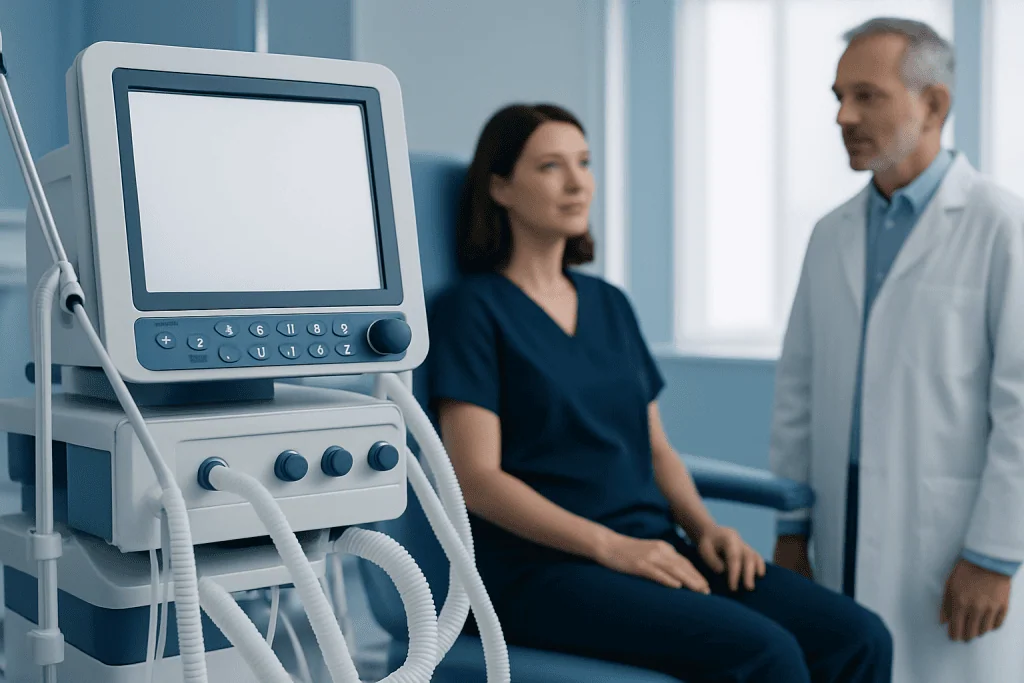
This type of planning is recommended as soon as you begin seriously considering treatment in Turkey. Early planning gives you time to gather medical records, understand whether your treatment is suitable for travel, and avoid last-minute decisions about flights or accommodation that may be stressful or impractical.
It is especially important if your treatment involves surgery, sedation, inpatient care, mobility limitations or repeated appointments. In these situations, you may need to stay close to the hospital, travel with a companion or adjust your itinerary to allow for tests and post-treatment controls.
Structured travel planning is also recommended if you have a chronic medical condition, take regular medication, have accessibility needs, or are traveling from a long distance with multiple flight connections. A well-prepared plan can make your journey safer, more comfortable and better aligned with your clinical needs.
Who is a good candidate?

You are a good candidate for a structured medical travel plan if you are an international patient seeking evaluation or treatment in Turkey and you want clear, practical guidance before booking your trip. This is helpful for both elective procedures and medically necessary treatments.
It is particularly useful if you are unsure how many days to stay, when to arrive before a consultation, what documents to carry, or whether you will need help with language, transport or accommodation. Planning support can reduce uncertainty and help you make decisions based on medical advice rather than guesswork.
You may need more individualized travel planning if you are older, pregnant, traveling with children, recovering from illness, using mobility aids, or expecting a longer recovery. In these cases, the safest travel arrangement depends on your health status and the treatment recommended by your physician.
Treatment options
Because this is a travel-planning guide rather than a single medical procedure, the exact pathway depends on the type of care you need. Some patients travel for outpatient consultations, imaging or second opinions, while others come for surgery, cancer care, fertility treatment, cardiology procedures, orthopedics, neurosurgery or other specialist services.
Your travel plan will differ depending on whether your treatment is same-day, short-stay or requires hospitalization. For example, a patient coming for a diagnostic check-up may only need a short hotel stay, while a patient having surgery may need pre-operative tests, inpatient recovery and a post-discharge hotel stay before flying home.
Another variation is whether you need one specialty or a multidisciplinary review. At Acibadem International, some patients are seen by more than one department, which may affect the number of appointments and the total length of stay. Your preliminary review helps clarify the likely pathway, but the final plan is confirmed after in-person physician evaluation.
- Outpatient evaluation or second opinion travel
- Day-case procedure travel
- Inpatient surgical travel
- Travel for complex or multidisciplinary treatment
- Travel requiring follow-up visits before return home
Online evaluation before travel
Before you book flights, an online or remote pre-assessment is usually the most practical first step. You may be asked to share your medical history, current symptoms, previous reports, imaging, pathology results, medication list and, where relevant, photographs. This helps the medical team understand your situation and advise whether travel for evaluation or treatment is appropriate.
The preliminary review can also help estimate how urgent your case is, which department should see you and what additional tests may be needed when you arrive. This stage is important because it can influence your travel dates, expected stay, whether you should bring a companion and what level of accommodation may be suitable.
It is helpful to remember that an online review is not the same as a final diagnosis or guaranteed treatment decision. The definitive recommendation is usually made after you are examined in person and any necessary tests are completed. For that reason, flexible travel planning is often wise.
Before the treatment
Once you have a preliminary plan, you can start preparing for your trip in a more focused way. Check passport validity, visa requirements and whether any official documents need translation. If your treatment may require blood tests, imaging, fasting or medication adjustments, ask for instructions in advance so you can plan your travel around them.
Try not to book flights too tightly around your procedure. Arriving with enough time before your first appointment can reduce stress and allow for delays, rest after a long journey or same-day testing. If your treatment is surgical, your team may recommend that you arrive at least a short time before the planned procedure for consultation and pre-operative assessment.
You should also prepare practically for your stay. Bring your regular medicines in original packaging, copies of relevant records, comfortable clothing and anything you need for recovery or mobility. If you have dietary restrictions, special assistance needs or concerns about traveling alone, inform the international patient team before arrival.
What happens during the treatment
What happens during your visit depends entirely on your medical reason for travel. For some patients, the first day may include registration, in-person consultation and tests such as blood work or imaging. Others may proceed to a planned procedure after the specialist confirms that treatment is suitable and safe.
If you are having surgery or an interventional procedure, the care process usually includes consent, pre-anesthesia review where applicable, treatment itself, monitoring afterward and physician-led decisions about discharge. If your treatment is outpatient, your same-day experience may still involve waiting time for test results or review by more than one specialist.
From a travel perspective, it helps to expect that your schedule may be adjusted according to medical priorities. Test findings, operating room planning or your recovery progress may affect whether treatment happens exactly as first expected. This is normal in healthcare and one reason flexible accommodation and return-flight planning can be valuable.
Hospital stay and discharge
Some international patients do not need admission and can return to their hotel on the same day, while others stay in hospital for observation or recovery. The length of stay depends on your procedure, overall health, pain control, mobility, test results and whether your doctor is satisfied with your early recovery.
Discharge is based on medical readiness rather than a fixed travel schedule. Your team may advise additional rest in a hotel before you are fit to fly, especially after surgery, anesthesia, complex treatment or long-distance travel. In some cases, a first control appointment is recommended before you leave Turkey.
At discharge, you should receive instructions about medication, wound care if relevant, activity limits, bathing, nutrition, warning symptoms and follow-up. Before finalizing your departure, confirm whether you need a medical report for travel, any airport assistance and when remote follow-up should take place after you return home.
Recovery timeline
Your recovery timeline depends on the treatment you receive, your age, general health and how far you must travel. Even if your procedure is minor, travel itself can be tiring, especially after a long flight or if you have several appointments close together.
The table below gives a general travel-oriented framework rather than treatment-specific medical advice. Always follow your own physician’s recommendations, as they may differ from broad expectations.
| Timeframe | What to expect |
|---|---|
| First 24 hours | You may be focused on registration, testing, consultation, treatment or immediate rest, depending on your care plan. After any procedure, monitoring and early recovery needs take priority over sightseeing or independent travel. |
| First week | This period may include hospital stay, hotel recovery, medication use, activity limits and one or more follow-up checks. Your doctor may advise you to remain close to the hospital until your condition is stable and travel is considered safe. |
| Weeks 2-4 | Some patients have already returned home and continue recovery remotely, while others with more complex treatment may still need local follow-up. Energy levels, mobility and daily routine often improve gradually, but this varies widely by treatment type. |
| Months 1-3 | Results and recovery become clearer over time for many treatments. You may have remote follow-up, review of test results or further care planning with your local physician and the treating team in Turkey if needed. |
| Final result | The final outcome depends on the treatment itself and may take weeks or months to assess properly. Some procedures require longer healing, repeat evaluation or staged treatment before the full result is known. |
If your return flight is long or includes layovers, ask specifically about movement, hydration, medications and any compression or mobility advice that may apply to your case. These details are individualized and should come from your treating team.
What to avoid after treatment
After treatment, try to avoid planning a tight tourism schedule, strenuous activity or long periods of walking unless your doctor says it is appropriate. Even when you feel motivated to make the most of your trip, your body may need rest, hydration and time for medical checks.
You should also avoid changing flights without discussing your fitness to travel if you have recently had surgery, sedation, bleeding, pain, fever, dizziness or reduced mobility. Flying too soon after certain procedures may not be advisable, and the safest timing varies by specialty.
Do not stop prescribed medications, remove dressings, restart exercise or resume work based only on online advice or another person’s experience. Follow the discharge plan given to you, and contact the medical team if anything is unclear before making decisions that could affect recovery.
Risks and possible complications
The travel-planning process itself is generally low risk, but medical travel has practical and clinical considerations that should be taken seriously. Delayed flights, fatigue, missed connections, unfamiliar surroundings and language barriers can add stress if not planned well. This is one reason many patients prefer coordinated support.
Medical risks depend on the treatment you are having, not only the journey. Surgery, anesthesia, invasive procedures and some medical therapies may involve complications, and these can affect your discharge date or ability to fly home as planned. Your doctor will explain the risks relevant to your procedure during consultation.
There can also be communication or documentation issues if records are incomplete or if your local medical history is not available. Bringing clear reports, medication details and imaging where possible can help reduce misunderstandings and support safer decision-making.
Warning signs: when to contact a doctor
If you feel unwell before travel, during your stay or after discharge, contact your treating team or seek urgent medical help according to the severity of your symptoms. Do not rely only on self-assessment if your symptoms are new, worsening or concerning.
- Fever, chills or feeling suddenly unwell after treatment
- Shortness of breath, chest pain or fainting
- Heavy bleeding or rapidly increasing swelling
- Severe pain not relieved as expected by your prescribed plan
- Redness, discharge or signs of infection at a treatment site
- Persistent vomiting, inability to drink fluids or marked dehydration
- Confusion, severe dizziness, weakness or difficulty walking
- Any symptom that makes you feel unsafe to travel or significantly worse than expected
If you are unsure whether a symptom is urgent, it is better to ask. Before leaving the hospital or hotel, make sure you know who to contact during working hours and after hours, and keep those numbers accessible during your trip.
Results and expectations
The main goal of good medical travel planning is not to promise a particular medical result, but to make your treatment journey smoother, safer and more manageable. A well-organized trip can reduce avoidable stress, help you arrive prepared and support better coordination between your travel arrangements and healthcare needs.
It is important to keep expectations realistic. Even with careful planning, treatment dates may shift, additional tests may be needed and recovery may not follow the exact timeline you first imagined. This does not necessarily mean something is wrong; it often reflects the fact that responsible medical care must respond to your actual condition at the time of evaluation.
Your final medical outcome depends on many factors, including diagnosis, treatment type, your overall health and healing response. Some patients need only one visit, while others may require staged treatment, longer follow-up or additional consultation after returning home.
International patient travel planning
When planning travel to Turkey, start with the essentials: passport validity, visa requirements, likely treatment dates and where your hospital is located. If your care will be in Istanbul, consider airport options, local traffic and the practical benefit of staying near the hospital rather than in a more touristic but less convenient area.
Flight planning should allow for flexibility. Where possible, choose changeable tickets or at least avoid schedules that leave no room for medical adjustments. If you are likely to have a procedure, ask whether you should arrive a day or more before treatment and whether your return should be delayed until after a control appointment. If you have reduced mobility or need wheelchair assistance, request this from the airline in advance.
Accommodation planning should reflect your expected energy level and recovery needs. Many patients prefer a quiet hotel or serviced apartment close to the hospital, especially if they need rest, easy access to follow-up or help from a companion. Ask about elevators, accessible bathrooms, room service, nearby pharmacies and the time needed to reach the hospital. Acibadem International’s patient services can help guide you on practical options and local logistics.
For visa matters, requirements vary by nationality and purpose of travel. It is your responsibility to verify current rules with the relevant official authorities before departure. If supporting hospital documentation is needed for your application, ask early so there is enough time to prepare and submit the necessary paperwork.
Cost and package information
The total cost of medical travel to Turkey depends on more than the treatment itself. Important factors include the medical specialty involved, whether you need tests before treatment, hospital stay length, complexity of care, anesthesia needs, medication, follow-up visits and whether your case requires more than one specialist.
Travel-related costs also vary according to season, airline route, ticket flexibility, hotel category, stay length, companion travel, airport transfers and any special assistance you may need. A patient needing only an outpatient consultation will usually have different non-medical costs from a patient planning surgery and hotel recovery afterward.
When reviewing a package or quotation, ask what is typically included and what is not. Depending on the arrangement, included items may cover hospital services, physician fees, standard tests, interpreter support and planned transfers. Items often not automatically included may involve visa fees, flights, personal expenses, companion costs, upgraded accommodation, unexpected extra tests, treatment of unrelated conditions or longer-than-expected stay.
Because needs differ from one patient to another, the most reliable quotation is based on your records, preliminary review and proposed care plan. Final costs may change if the in-person evaluation shows that additional tests, extended monitoring or a different treatment approach is medically necessary.
Why choose Acibadem
If you are traveling for treatment, coordinated care matters almost as much as clinical expertise. Acibadem International supports patients through JCI-accredited hospital pathways, helping connect your travel planning with the appropriate medical department so that practical decisions are informed by your care needs.
International patient services can assist with communication before arrival, document sharing, appointment coordination and practical logistics such as interpreter support, transfer arrangements and accommodation guidance. This can be especially reassuring if you are traveling from abroad for the first time or if English is not your first language.
Another advantage is the ability to coordinate multidisciplinary care when needed. If your case requires more than one specialty, having hospital-based teams and international coordination in one system can make the process more organized. After you return home, remote follow-up communication can also help you stay connected with the treating team when questions arise.
Medical review and disclaimer
This guide has been medically reviewed by the Acibadem International medical team. It is intended to provide general information for international patients considering medical travel to Turkey and to explain common planning steps around visa, flights, accommodation and treatment logistics.
The information here does not replace a medical consultation, diagnosis or personalized travel advice from your treating physician. Requirements for travel, timing of treatment, fitness to fly and length of stay depend on your individual health condition, the type of treatment planned and your recovery progress.
Suitability for treatment and travel must always be confirmed by physician evaluation. Visa rules, airline policies and travel requirements may change, so you should verify the latest official information before making final arrangements.
Step by step
- Initial contact. You contact the international patient team and explain the treatment or consultation you are considering in Turkey.
- Medical record / photo submission. You share available medical reports, imaging, medication information and, where relevant, photos to support an initial review.
- Preliminary medical review. The relevant department reviews your information to assess whether travel for evaluation or treatment may be appropriate.
- Treatment plan and quotation. You receive a preliminary plan, likely timeline and a quotation based on the information available at this stage.
- Travel planning. You check visa requirements, consider flight timing, choose accommodation and discuss transfer or interpreter needs.
- Arrival. You arrive in Turkey and complete airport, hotel and hospital arrangements according to your schedule.
- In-person consultation. Your specialist confirms your history, examines you and explains the next steps in person.
- Pre-operative tests. If needed, blood tests, imaging, anesthesia review or other assessments are completed before treatment.
- Treatment. Your planned procedure, consultation pathway or hospital-based treatment takes place according to the physician's decision.
- Hospital stay. If admission is required, you remain under observation and recovery care until discharge criteria are met.
- First control. A follow-up check may take place before discharge or before you are cleared to leave Turkey.
- Discharge / travel clearance. You receive discharge instructions and guidance on when it is medically appropriate to travel home.
- Remote follow-up. After returning home, you stay in contact with the team for reports, questions and follow-up planning as advised.
Your checklist
- Valid passport
- Visa information or application documents if required
- Medical history summary
- Current medication list
- Known allergies
- List of previous surgeries or major treatments
- Current symptoms and main concerns
- Recent test results and laboratory reports
- Imaging reports and image files where relevant
- Pathology or biopsy reports where relevant
- Emergency contact details
- Travel and accommodation details
Key takeaways
- This guide suits you if you are arranging treatment in Turkey and need help planning travel details around medical care.
- You should confirm visa needs, travel dates and accommodation only after your preliminary medical review and treatment plan.
- It is wise to allow extra days before or after treatment in case tests, recovery or doctor controls affect travel timing.
- Choose accommodation based on distance to the hospital, mobility needs and whether you will have a companion.
- Always follow your treating physician's advice on fitness to fly, discharge timing and when it is safe to return home.
Frequently asked questions
Do I need a visa to travel to Turkey for treatment?
Visa requirements depend on your nationality, passport type and purpose of travel. You should always check the latest official rules with the relevant authorities before booking. If hospital documents are needed to support your application, request them early.
When should I book my flights?
It is usually best to wait until you have had a preliminary medical review and a likely treatment timeline. If possible, choose flights with some flexibility in case tests, scheduling or recovery needs change. Avoid planning an immediate return after a procedure unless your doctor specifically confirms it is appropriate.
How long should I stay in Turkey?
The length of stay depends on your treatment, whether pre-treatment tests are needed, and how quickly your doctor expects you to recover. Some patients need only a short visit, while others need hospital stay plus hotel recovery and a control appointment before departure. Your treating team can guide you more accurately after reviewing your case.
Should I arrive a few days before my treatment?
In many cases, yes, especially if your treatment involves surgery, anesthesia or specialist testing. Arriving earlier can reduce stress from travel delays and gives time for consultation and preparation. The exact timing should follow the advice of your medical team.
What kind of accommodation is best for medical travel?
The best accommodation is usually one that is practical, quiet and reasonably close to the hospital. If you may have pain, limited mobility or follow-up appointments, convenience matters more than tourism location. Features such as elevators, accessible bathrooms and easy transport can be very helpful.
Can I travel alone for treatment in Turkey?
Some patients can travel alone, especially for consultations or simple outpatient care. However, if you are having surgery, sedation, reduced mobility or emotional support needs, traveling with a companion may be more comfortable and safer. Ask your care team whether a companion is recommended for your specific plan.
Is it safe to fly home soon after treatment?
That depends on the type of treatment, your recovery, your general health and the length of the flight. Some patients can travel relatively soon, while others should wait for a control appointment or longer observation. You should only fly when your treating physician confirms that it is medically appropriate.
What affects the total cost of medical travel to Turkey?
Costs are influenced by both medical and non-medical factors. These may include the complexity of treatment, tests, hospital stay, follow-up needs, flights, accommodation, companion travel and transfer arrangements. A personalized quotation is more reliable than general estimates because every case is different.
Will my treatment plan be final before I travel?
Usually, you can receive a preliminary plan before travel, but the final decision is often made after in-person examination and any necessary testing. This is a normal part of safe medical practice. Your doctor may confirm the original plan or adjust it based on findings at the hospital.
What support is available for international patients?
International patient services may help with appointment coordination, document sharing, interpreter support, transfers and accommodation guidance. At Acibadem International, this support is designed to make communication and logistics easier during your medical journey. Remote follow-up can also help after you return home.
Add us as a Preferred Source to see more of our trusted health content across Google Search, AI Overviews and Discover.
More Patient Guides

Day Surgery in Turkey: Can You Leave Hospital the Same Day?
Day surgery in Turkey often lets you go home the same day if your procedure and recovery are suitable and your doctor…
11 min read
General Anesthesia in Turkey: How to Prepare and What Happens Before You Sleep
General anesthesia in Turkey helps you sleep safely through surgery. Learn preparation, recovery, risks, and travel planning in Istanbul.
11 min read
Choosing Between Outpatient and Inpatient Treatment in Turkey: What Affects the Decision
Choosing Between Outpatient and Inpatient Treatment in Turkey depends on your procedure, health, recovery needs and travel plans.
11 min read