

Remote Follow-Up After Returning Home from Turkey
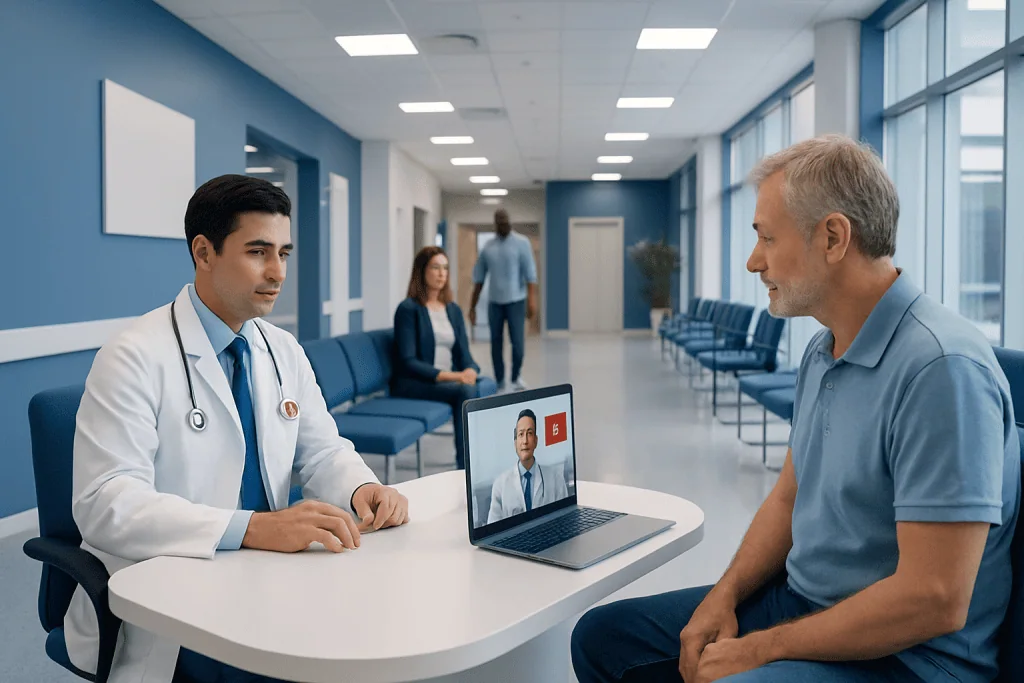
Remote follow-up after returning home from Turkey helps you stay connected to your care team for recovery guidance, questions, and next steps.
This guide explains how remote follow-up works after you return home from Turkey, what support you can expect, and how to prepare for a smooth recovery. It also covers warning signs, practical travel timing, documentation, and how Acibadem International helps you stay connected to your care team.
At a glance
- Procedure type: Post-treatment aftercare and medical follow-up
- Purpose: To monitor your recovery after you return home, answer questions, review progress, and guide next steps safely
- Anesthesia: Not applicable
- Hospital stay: Not usually required; remote follow-up begins after discharge and travel clearance
- Estimated recovery: Depends on your original treatment, overall health, and healing progress
- Return to daily life: Varies by treatment; remote follow-up helps you return safely and gradually
- Final result timeline: Depends on the treatment; some results are early, while others continue to improve over weeks or months
- Suitable department: International Patient Services together with your treating specialty team
- International patient support: Coordination, interpreters, documentation support, remote check-ins, and guidance on when local or urgent care is needed
What is this treatment?
Remote follow-up after returning home from Turkey is a structured part of your aftercare. It allows you to stay connected with your treating team once you have completed your hospital stay, received discharge instructions, and traveled back to your home country. Instead of replacing all in-person care, it helps bridge the period after travel by providing guidance, monitoring, and support.
Depending on the treatment you had, remote follow-up may include scheduled calls or messages, review of photos, discussion of symptoms, review of pathology or imaging results, medication guidance, wound care advice, and recommendations for activity, travel, work, or exercise. In some cases, your team may also ask you to arrange local blood tests, scans, or an in-person check with a doctor near you.
At Acibadem International, remote follow-up is usually coordinated between International Patient Services and the specialist team that treated you. The goal is to help you feel informed and supported while making sure any concerns are assessed in a timely and safe way.
When is it recommended?
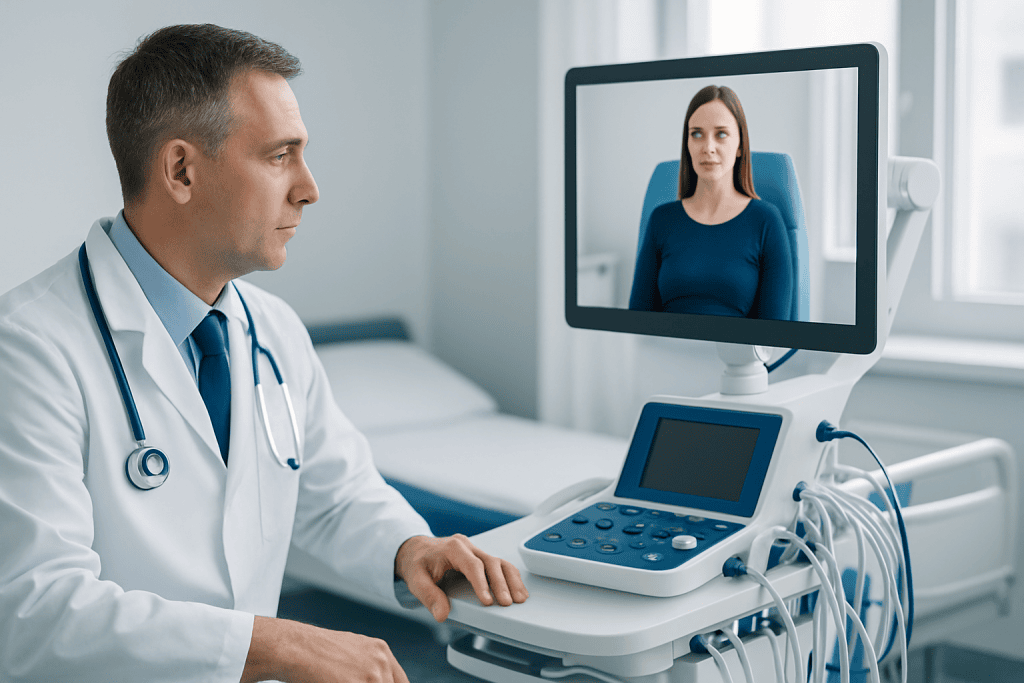
Remote follow-up is recommended for almost all international patients after returning home, especially after surgery, interventional procedures, cancer care, orthopedics, cardiology procedures, neurosurgery, bariatric surgery, IVF treatment, and treatments that require medication adjustment or ongoing recovery monitoring.
It is particularly useful when your care continues beyond discharge. This may include checking incision healing, reviewing mobility, discussing swelling or pain, monitoring digestive recovery, confirming whether you can resume normal routines, and interpreting routine tests requested after your trip.
Even when recovery is uncomplicated, follow-up matters. Many important questions arise after patients return home, including what is normal, what should improve over time, and when to seek medical attention. Remote review offers reassurance, but it also helps identify situations that may need local medical care or, more rarely, further specialist assessment.
Who is a good candidate?
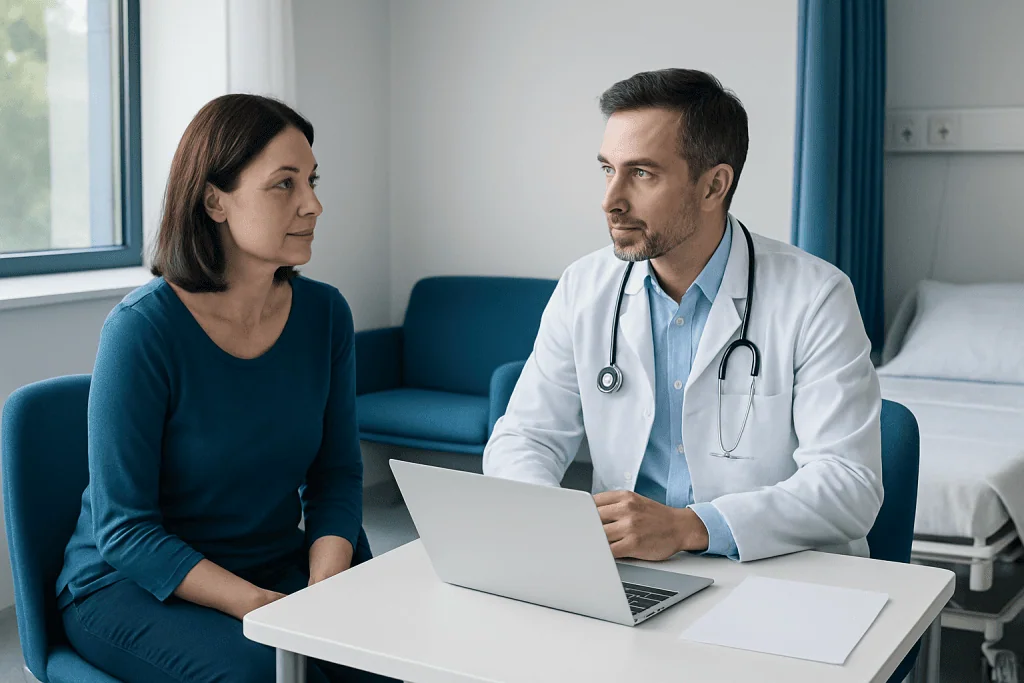
You are a good candidate for remote follow-up if you have already completed evaluation and treatment in Turkey, are medically stable for travel, and can communicate regularly with your care team after returning home. It is especially appropriate if you can share your symptoms clearly, follow written instructions, and provide photographs, test results, or updates when requested.
Remote follow-up works best for expected recovery monitoring, reviewing progress, and answering non-emergency questions. It is suitable for patients whose doctor has advised that routine aftercare can safely continue from a distance with the support of local services if needed.
It may be less suitable as the only follow-up method if you have complex medical needs, develop new severe symptoms, have difficulty accessing local healthcare, or need physical examination, urgent imaging, wound procedures, or emergency treatment. In these cases, your treating team may advise a local doctor visit or emergency assessment near your home.
Treatment options
Remote follow-up is not a single fixed pathway. The format depends on the treatment you had, your medical history, and how your recovery is progressing. Your specialist may recommend one or several forms of aftercare communication during the weeks or months after you return home.
Common options include:
- Scheduled video or telephone follow-up appointments
- Secure review of wound photos or progress images
- Medication and symptom review
- Review of pathology, laboratory, or imaging results performed after discharge
- Rehabilitation and activity guidance
- Coordination with your local doctor or specialist when appropriate
Some patients need only one routine follow-up, while others may need several staged reviews. For example, after surgery, your team may check pain control, wound healing, and mobility early on, then later discuss scar care, exercise, pathology results, or return to work. After medical treatments, follow-up may focus more on symptom changes, medication tolerance, or scheduled tests.
If concerns arise, remote follow-up can also help determine the next step. This may include continuing observation, changing practical instructions, arranging tests in your home country, or advising urgent local evaluation. The safest plan always depends on physician judgment and your specific condition.
Online evaluation before travel
Although remote follow-up happens after you return home, planning for it begins before you travel to Turkey. During your initial online evaluation, the care team may explain how long you should stay in Turkey, what the first recovery period usually involves, when you may be fit to fly, and what type of follow-up will be needed once you are back home.
This is a good time to ask practical questions. You can ask who to contact after discharge, whether you will need wound photos, whether local blood tests or imaging may be required, and how quickly you should report symptoms. Understanding this before your trip can make your return home much more comfortable and organized.
If you have a complex health history, limited local support, or difficulty accessing healthcare in your home country, mention this early. It may influence the discharge plan, travel timing, and the level of support needed after you leave Turkey.
Before the treatment
Before your treatment in Turkey, it helps to prepare for the period after you go home. Keep a list of your regular medications, allergies, previous procedures, and ongoing health conditions. Make sure your treating team knows who your local doctor is, if you have one, and whether you may need translated documents for care in your home country.
You should also plan the practical side of aftercare. This may include arranging a family member or friend to help you during the first days at home, preparing supplies for wound care if advised, and making sure you can attend any local blood test or imaging appointment if requested later.
Before discharge, ask for clear instructions about showering, dressings, medicines, movement, exercise, travel precautions, work, diet, and red-flag symptoms. Having these details in writing can make remote follow-up more efficient and reduce uncertainty once you are back home.
What happens during the treatment
During your treatment and hospital stay in Turkey, your doctors assess not only the procedure itself but also your expected recovery and readiness for travel. The team will monitor your progress, manage symptoms, review any tests, and decide when you are stable enough for discharge.
As discharge approaches, you will usually receive instructions tailored to your treatment. These may cover medications, wound care, mobility, diet, compression garments or braces if relevant, and activity limits. You may also be told when to send updates, how to share photographs, and when a routine remote review should take place.
For some patients, the team may recommend a first in-person control in Turkey before departure, followed by remote follow-up after returning home. This approach can be especially helpful after operations or treatments where early healing needs direct assessment before flying.
Hospital stay and discharge
Remote follow-up begins after your discharge plan is in place. Before leaving the hospital, your team will confirm that you are medically stable, that your pain and other symptoms are reasonably controlled, and that you understand the key aftercare instructions. If needed, International Patient Services can also help organize reports and communication for your onward journey.
Your discharge documents are important. They often include a summary of your treatment, medications, advice about activity and diet, any pathology or test information available at that time, and guidance on when to seek urgent help. Keep both printed and digital copies with you.
Travel clearance depends on your treatment and recovery. Some patients can fly relatively soon, while others need to stay longer in Turkey before it is considered safe. Always follow the advice of your treating physician rather than assuming a standard timeline.
Recovery timeline
Your recovery timeline depends on the treatment you had, your general health, and whether healing progresses as expected. Remote follow-up helps your team understand how you are doing after travel and whether your recovery remains on track.
The table below gives a general framework. Your own instructions may be different, especially after major surgery, complex treatment, or if local testing is needed.
| Timeframe | What to expect |
|---|---|
| First 24 hours | You continue your discharge plan, rest after travel if cleared to fly, take medications as instructed, and monitor for any new or worsening symptoms. |
| First week | You may have swelling, fatigue, mild discomfort, or limited activity depending on your treatment. You may be asked to send updates, photos, or answer questions about pain, mobility, wound healing, or bowel and bladder function if relevant. |
| Weeks 2-4 | Many patients gradually increase daily activities. Your team may review progress, discuss whether dressings, compression, or medications should continue, and advise when work, exercise, or driving can be resumed. |
| Months 1-3 | Healing usually becomes more stable, but some symptoms such as swelling, stiffness, numbness, scar changes, or energy fluctuations may still improve over time. Additional test reviews or specialty follow-up may be needed for some treatments. |
| Final result | The final outcome depends on the original treatment. Some results are clear early, while others take several months or longer to fully settle. Your doctor will explain what is realistic in your case. |
If your recovery does not follow the expected pattern, remote follow-up can help decide whether continued observation is enough or whether you should see a local doctor promptly.
What to avoid after treatment
What you should avoid after treatment depends on the procedure or therapy you had, but there are some common principles. Avoid changing or stopping your prescribed medicines without medical advice. Do not ignore dressings, drains, braces, dietary restrictions, mobility guidance, or hygiene instructions that were given at discharge.
You should also avoid assuming that internet advice or another patient’s experience applies to you. Recovery can vary significantly, even among people who had similar treatments. If you are unsure whether a symptom is normal, it is safer to ask your care team or a local doctor than to self-manage in a way that could delay healing.
In many cases, patients are advised to avoid heavy lifting, strenuous exercise, smoking, alcohol excess, long periods of immobility, swimming before wounds heal, or early return to work or travel beyond what their doctor recommended. The exact restrictions should come from your treating physician.
Risks and possible complications
Remote follow-up itself is a supportive care pathway, but it has limitations. The main limitation is that your doctor cannot physically examine you from a distance. Some concerns can be assessed well through discussion, photos, and test results, while others may require a local in-person examination, urgent imaging, or emergency treatment.
Your original treatment may carry its own risks, which depend on the specialty involved. These can include infection, bleeding, delayed healing, fluid collection, pain that does not improve as expected, scarring concerns, medication side effects, blood clots, bowel or urinary issues, recurrence of symptoms, or treatment-specific complications. Your surgeon or physician will explain the risks relevant to you.
It is also important to understand that recovery is not always linear. Some swelling, fatigue, discomfort, emotional stress, or temporary changes in function can be part of normal healing. However, because serious complications can sometimes begin with subtle symptoms, regular communication and prompt reporting of concerns are important.
Warning signs: when to contact a doctor
You should contact a doctor promptly if you develop symptoms that are worsening, unexpected, or do not match the instructions you were given. If symptoms feel severe or urgent, seek local emergency care first and inform your Acibadem team as soon as possible.
- Fever, chills, or feeling significantly unwell
- Increasing redness, swelling, warmth, discharge, or bad odor from a wound
- Heavy bleeding or new bleeding that does not settle
- Severe or worsening pain not controlled as advised
- Shortness of breath, chest pain, fainting, or sudden dizziness
- Calf pain, one-sided leg swelling, or signs that may suggest a blood clot
- Persistent vomiting, inability to drink fluids, or marked dehydration
- Confusion, severe weakness, new numbness, or sudden neurological symptoms
- Difficulty passing urine or stool when this is unexpected
- Any symptom your discharge instructions identified as urgent
Remote follow-up is valuable, but emergencies should never wait for an online response. If you believe you need urgent help, attend the nearest emergency service in your country.
Results and expectations
The purpose of remote follow-up is not to guarantee an outcome, but to support your recovery and help your team respond to expected healing as well as possible concerns. It can provide reassurance, practical advice, and continuity of care after international treatment.
Results depend mainly on the treatment you had, the underlying medical condition, your general health, and how your body heals. Some patients recover quickly with minimal support, while others need longer guidance, additional local tests, rehabilitation, or medication adjustment.
It is important to keep expectations realistic. Minor asymmetry, swelling, stiffness, fatigue, numbness, scarring, or slower-than-expected recovery can occur in some cases and may still improve with time. Occasionally, further treatment or revision may be considered, but this decision requires careful physician assessment rather than early judgment during the healing period.
International patient travel planning
Good remote follow-up starts with good travel planning. Before leaving Turkey, make sure you know how long you are expected to stay after treatment, whether you need an in-person control before flying, and what medical documents you should carry home. Ask whether you need compression stockings, mobility precautions, medications for the journey, or any airline-related medical paperwork.
After you return home, keep communication channels open. Save the contact details provided by International Patient Services, know the expected response route for routine questions, and understand what should be handled urgently through local healthcare. Time-zone differences can be managed more easily if you know in advance how to reach the team.
It is also helpful to identify a local doctor, clinic, or hospital before you travel, especially if you are having major surgery or complex treatment. If you later need a physical examination, blood tests, imaging, or urgent care, having a local option already in mind can save valuable time.
Cost and package information
The cost of your overall care pathway may be influenced by more than the treatment itself. Factors can include the specialty involved, complexity of the procedure, length of hospital stay, need for intensive monitoring, implant or device use, pathology or imaging requirements, medications, rehabilitation needs, and whether extra in-person review in Turkey is needed before you travel home.
Remote follow-up arrangements may also vary depending on your treatment plan. What is typically included can involve discharge documentation, standard post-treatment guidance, and routine communication about your recovery. In some cases, scheduled follow-up review of messages, photos, or results may also be part of the plan.
Items that are not always included may involve local consultations in your home country, emergency care outside Turkey, additional imaging or blood tests performed locally, treatment of unrelated conditions, extra medications purchased after discharge, extended accommodation, or unplanned revision or complication management that requires new assessment. The most accurate information comes from your individualized treatment plan and quotation.
Why choose Acibadem
For international patients, continuity matters as much as treatment itself. Acibadem International supports this by coordinating care between JCI-accredited hospitals, specialist teams, and dedicated international patient services. This can make your transition from treatment in Turkey to recovery at home more structured and less stressful.
You can expect practical support with communication, documentation, and coordination. Interpreters, transfer assistance, accommodation guidance during your stay, and organized contact pathways after discharge can all help you focus on recovery rather than logistics.
Acibadem’s multidisciplinary approach is especially valuable when recovery involves more than one specialty. If your treatment plan includes surgery, imaging, pathology, rehabilitation, medication review, or local test interpretation after you return home, coordinated follow-up can help keep information clear and connected.
Medical review and disclaimer
This guide has been medically reviewed by the Acibadem International medical team. It is intended to help you understand how remote follow-up may work after returning home from Turkey and what practical steps can support a safer recovery.
The information here is for general educational purposes only. It does not replace a consultation, physical examination, diagnosis, or personalized medical advice from your treating physician or a qualified doctor in your home country.
Suitability for travel, discharge, remote follow-up, and any further treatment always requires individual physician evaluation. If you develop urgent or severe symptoms, seek immediate local medical care.
Step by step
- Initial contact. You contact Acibadem International to discuss your treatment interest and ask about the expected aftercare pathway for international patients.
- Medical record / photo submission. You share relevant medical documents, medication details, test results, imaging, and photos if needed for the initial review.
- Preliminary medical review. The specialist team reviews your case to understand your condition, treatment needs, and expected recovery requirements.
- Treatment plan and quotation. You receive a preliminary treatment plan, expected stay guidance, and information about what may be included in your care pathway and follow-up.
- Travel planning. You organize flights, accommodation, and practical support, while also preparing for the period after you return home.
- Arrival. After arriving in Turkey, your schedule, transfers, and hospital arrangements are coordinated through the international patient process.
- In-person consultation. You meet your doctor for full assessment, confirmation of the plan, and discussion of benefits, risks, expected recovery, and follow-up.
- Pre-operative tests. If relevant, you complete blood tests, imaging, anesthesia review, or other assessments needed before treatment.
- Treatment. You undergo the planned treatment, procedure, or operation under the care of the appropriate specialist team.
- Hospital stay. Your condition is monitored, symptoms are managed, and your doctors assess healing and medical stability.
- First control. You may have an in-person check in Turkey before departure so the team can assess early recovery and confirm travel readiness.
- Discharge / travel clearance. You receive discharge instructions, documents, medication guidance, and advice on when and how remote follow-up should continue after returning home.
- Remote follow-up. After you return home, you stay in contact with the team for recovery updates, document or photo review, questions, and guidance on next steps.
Your checklist
- Passport copy
- Medical history summary
- Current medication list
- Known allergies
- List of previous surgeries or procedures
- Description of your current symptoms
- Relevant blood tests, reports, and imaging
- Pathology reports if applicable
- Photos of the treated area if requested
- Contact details for your local doctor if available
- Discharge papers and prescriptions from Turkey
- Emergency contact details
Key takeaways
- Remote follow-up is designed for patients who have completed treatment in Turkey and returned home.
- It helps you stay in contact with your treating team for recovery questions, progress reviews, and practical advice.
- The timing and format of follow-up depend on the treatment you had and your individual healing.
- You should keep your discharge papers, medication list, and any requested photos or test results ready.
- Urgent symptoms should be assessed promptly by local emergency services or a doctor near you when necessary.
Frequently asked questions
What is remote follow-up after returning home from Turkey?
It is the part of your aftercare that continues after you leave Turkey and return to your home country. It may include communication with your treating team, review of symptoms or photos, discussion of test results, and practical advice about recovery.
Is remote follow-up enough on its own?
For many routine recovery questions, remote follow-up can be very helpful. However, it does not replace emergency care or situations where you need a physical examination, urgent imaging, or hands-on treatment from a local doctor.
How long should I stay in Turkey before flying home?
There is no single answer because it depends on the treatment you had, your healing progress, and your doctor’s assessment. You should only travel when your treating physician confirms that it is medically appropriate.
What should I prepare before I leave Turkey?
You should have your discharge summary, medication list, instructions for wound care or activity, and the contact details for follow-up communication. It is also wise to understand which symptoms are expected and which ones require urgent local care.
Will I need to send photos or test results after I get home?
Possibly, depending on your treatment. Some patients are asked to share wound photos, progress images, blood test results, imaging reports, or short updates so the team can better assess recovery from a distance.
What if I have a problem at home outside office hours?
If your symptoms are severe, sudden, or worrying, you should seek local urgent or emergency care immediately. After that, you should inform your Acibadem team and share any reports so they can understand what happened and advise on continuity of care.
Can Acibadem communicate with my local doctor?
In some situations, sharing discharge documents or relevant medical information with your local doctor can support smoother aftercare. This depends on the circumstances and should always be handled appropriately and with your knowledge.
What affects the cost of my aftercare pathway?
Cost can vary according to the complexity of your original treatment, length of stay, specialty needs, tests, medications, and whether extra review or unexpected care is required. Local consultations, imaging, or emergency treatment in your home country are not always part of the original plan.
Will remote follow-up guarantee my final result?
No follow-up method can guarantee an outcome. Remote follow-up is designed to support recovery, answer questions, and identify concerns early, but final results still depend on the treatment performed, your health, and how you heal.
What if I recover more slowly than expected?
Slower recovery does not always mean something is wrong, as healing times vary between patients. Still, you should report any delayed progress, persistent symptoms, or concerns so your doctor can advise whether observation, local review, or additional testing is needed.
Add us as a Preferred Source to see more of our trusted health content across Google Search, AI Overviews and Discover.
More Patient Guides
Day Surgery in Turkey: Can You Leave Hospital the Same Day?
Day surgery in Turkey often lets you go home the same day if your procedure and recovery are suitable and your doctor…
11 min read
General Anesthesia in Turkey: How to Prepare and What Happens Before You Sleep
General anesthesia in Turkey helps you sleep safely through surgery. Learn preparation, recovery, risks, and travel planning in Istanbul.
11 min read
Choosing Between Outpatient and Inpatient Treatment in Turkey: What Affects the Decision
Choosing Between Outpatient and Inpatient Treatment in Turkey depends on your procedure, health, recovery needs and travel plans.
11 min read