

How to Read a Medical Quote for Treatment in Turkey

How to Read a Medical Quote for Treatment in Turkey: understand inclusions, exclusions, timelines and travel costs before you decide.
This guide helps you understand what a medical quote for treatment in Turkey usually includes, what may not be included, and which questions to ask before you travel. You will also learn how international patient planning, clinical review, travel timing and aftercare can affect the final plan.
At a glance
- Procedure type: Pre-travel planning and cost review process
- Purpose: To help you understand a medical quote, compare options safely and plan treatment in Turkey with fewer surprises
- Anesthesia: Not applicable
- Hospital stay: Depends on the treatment quoted; the quote should state whether admission is required
- Estimated recovery: Varies by treatment; your quote may reflect procedure complexity and follow-up needs
- Return to daily life: Depends on the planned treatment, tests and recovery timeline
- Final result timeline: Treatment-specific; often influenced by healing, pathology, rehabilitation or staged care
- Suitable department: International Patient Services with the relevant medical or surgical specialty
- International patient support: Online pre-evaluation, interpreters, transfers, accommodation guidance and remote follow-up coordination
What is this treatment?
Reading a medical quote is not a medical treatment itself, but it is an important part of planning safe care abroad. A quote is a structured estimate prepared from your medical information, requested procedure, and the likely hospital resources needed for your care. For international patients considering treatment in Turkey, it helps you understand the clinical pathway, expected services and practical costs before you travel.
A clear quote should do more than list one total amount. It should help you see what has been medically reviewed, which department will treat you, whether your plan includes surgery, hospitalization, tests, implants or follow-up, and which items may still depend on in-person evaluation. This is especially important when the final treatment plan can change after physical examination, imaging or laboratory results.
At Acibadem International, quotes for international patients are usually coordinated through International Patient Services together with the relevant specialty team. This means the estimate is connected to medical review, travel planning and practical support, so you can prepare more confidently and ask informed questions before making a decision.
When is it recommended?
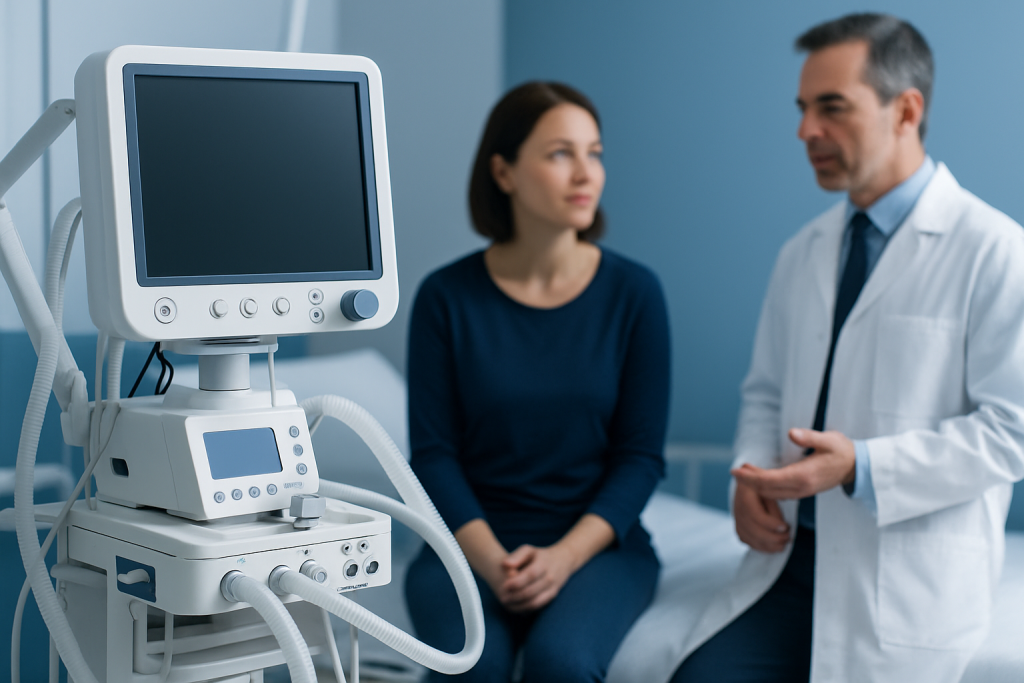
You should review a medical quote carefully whenever you are planning treatment in another country, especially if your care involves surgery, hospitalization, anesthesia, advanced imaging, implants, fertility treatment, oncology, cardiology or any procedure with a recovery period. The more complex the care, the more important it is to understand exactly what the estimate covers.
It is also recommended when you are comparing providers. A lower total figure may not always represent better value if it excludes tests, hospital stay, anesthesia, pathology, implants, medications or follow-up. Looking closely at the details helps you compare like for like rather than comparing incomplete package summaries.
If you have a medical condition, previous surgeries, chronic medications or a complicated case, reviewing the quote line by line becomes even more important. In these situations, pre-travel estimates are often more variable because the care pathway may need to be adjusted after specialist examination.
Who is a good candidate?

You are a good candidate for this type of planning guide if you are considering treatment in Turkey and want to make a careful, informed decision. It is especially useful if you are traveling internationally for the first time, if you are comparing several hospitals, or if you want to understand the difference between a basic estimate and a fully reviewed treatment plan.
This guide is also suitable if you are supporting a family member. Many patients rely on a companion to help organize documents, compare quotes, understand travel timelines and prepare for recovery. Knowing what to look for can make the process calmer and more transparent for everyone involved.
You may benefit most from a detailed quote review if your case involves uncertainty. Examples include possible need for additional tests, a history of prior surgery, questions about candidacy for the planned treatment, or a procedure where the final approach depends on your examination findings. In all of these situations, a well-explained quote helps set realistic expectations.
Treatment options
The way a quote is written often depends on the type of treatment you are seeking. For a surgical procedure, the quote may include surgeon fees, anesthesia, operating room use, hospital room, routine consumables and standard inpatient follow-up. For a medical treatment, it may focus more on consultation, diagnostics, procedure sessions, medicines used during your visit and outpatient monitoring.
Some quotes are built as package plans, while others are itemized. A package may be easier to understand at first glance, but it is still important to ask what the package includes and excludes. An itemized quote can be more detailed, showing separate components such as consultation, imaging, surgery, pathology, implant, room category or rehabilitation services.
There may also be different quote pathways depending on your clinical needs, for example:
- Diagnostic-only plans, such as consultation plus imaging or endoscopy
- Day-case procedures without overnight stay
- Inpatient surgical plans with one or more nights in hospital
- Staged treatment plans that include tests first and treatment after physician review
- Revision or complex cases where the final scope can only be confirmed in person
If more than one treatment option is medically possible, ask for a clear explanation of each pathway. Understanding the reason for each option helps you evaluate not just cost, but also expected recovery, length of stay and follow-up needs.
Online evaluation before travel
Before a quote is prepared, you will usually be asked to share medical records. Depending on your case, this may include clinic notes, laboratory results, imaging reports, pathology reports, operation reports, medication lists and photographs if relevant. The quality and completeness of this information can directly affect how accurate the preliminary quote is.
Online evaluation helps the specialist team decide whether your requested treatment is suitable to assess further, whether additional records are needed, and whether a package estimate can reasonably be prepared before travel. It can also identify early concerns, such as the need for extra tests, a different specialty review, or a longer stay in Turkey than you expected.
At Acibadem International, this process is coordinated to make communication easier for international patients. Interpreters and patient coordinators can help organize information between you and the medical team. Even so, it is important to remember that online review does not replace an in-person consultation, and your final plan may change after examination.
Before the treatment
Before you accept a quote, read it with both medical and practical questions in mind. Start by identifying the diagnosis or suspected problem the quote refers to. Make sure the proposed treatment matches your goals and the specialist opinion you have received. If the document uses clinical terms you do not understand, ask for a plain-language explanation.
Then review the operational details. Check the estimated number of treatment days, whether hospital admission is planned, whether a companion is recommended, and whether you may need to remain in Turkey for the first follow-up visit. These details often matter as much as the treatment itself when planning time away from home, work and family.
It also helps to confirm whether the quote is based on standard recovery or on your personal medical profile. Conditions such as diabetes, heart disease, obesity, prior surgery, anticoagulant use or smoking history may influence the pre-operative work-up, hospital stay, wound care, anesthesia planning or monitoring needs.
Before you travel, ask for clarification on expiry dates, payment timing, cancellation policy, and what happens if the doctor recommends a different treatment after seeing you in person. A reliable hospital team should be able to explain these points clearly and calmly.
What happens during the treatment
What happens during treatment depends entirely on the procedure being quoted, but your estimate should give you a broad picture of the pathway. This may include consultation, admission, pre-operative tests, anesthesia review, the procedure itself, recovery monitoring, ward stay, medicines used during admission and initial follow-up before discharge.
If you are reading a quote for surgery, ask whether it includes routine pre-operative testing, surgeon and anesthesiologist services, operating room use, standard consumables, hospital room and nursing care. If an implant, prosthesis, mesh, lens or other device may be required, ask whether it is included or whether the final choice depends on examination findings.
For non-surgical care, the quote may include clinic review, treatment sessions, imaging guidance, sedation if needed, observation time and written instructions for aftercare. It is also useful to ask whether unexpected findings during the procedure could require extra services, a different technique or a longer stay.
Hospital stay and discharge
One of the most important parts of reading a quote is understanding the expected hospital stay. Some treatments are day-case procedures, meaning you can usually leave on the same day after observation. Others require one or more nights in hospital for pain control, monitoring, drains, mobility support or specialist review.
Your quote should ideally indicate the expected admission type and duration, but you should also ask what could extend the stay. Additional tests, slower-than-expected recovery, blood pressure or pain control issues, fever, dizziness, limited mobility or the need for extra observation can all affect discharge timing.
Discharge planning matters for travel too. Leaving the hospital does not always mean you are ready to fly immediately. Depending on your treatment, you may need a local hotel stay, wound checks, dressing changes, drain removal, a first control appointment or physician travel clearance before returning home.
If you are traveling with a companion, check whether they can stay with you in hospital, what support they may need after discharge, and whether local accommodation near the hospital is recommended. Good planning helps reduce stress at a time when you should be focusing on recovery.
Recovery timeline
Your quote may not describe recovery in detail, but recovery expectations affect how you interpret the overall plan. Recovery influences how long you need to stay in Turkey, whether you can travel alone, and whether you will need remote follow-up after returning home. Always ask the team for guidance specific to your procedure and health status.
In general, think of recovery as a timeline rather than a single date. Early recovery focuses on monitoring, pain control and mobility. Later recovery may involve wound care, activity adjustments, rehabilitation, pathology review or staged follow-up. The table below shows a general framework you can use when discussing your quote and travel plans.
| Timeframe | What to expect |
|---|---|
| First 24 hours | Admission, observation or immediate post-procedure recovery if applicable; discharge may or may not occur the same day depending on treatment. |
| First week | Early healing, rest, medications as prescribed, possible first control appointment and close attention to instructions from your doctor. |
| Weeks 2-4 | Gradual return to routine activities for many treatments, though physical restrictions and follow-up needs may still apply. |
| Months 1-3 | Ongoing healing or adjustment period; some treatments require rehabilitation, repeat imaging or further review of results. |
| Final result | Depends on the treatment; some outcomes are seen quickly, while others only become clear after full healing and follow-up. |
When reviewing a quote, ask whether recovery-related services are included. Examples may include dressings, first follow-up, routine medications during admission, physiotherapy planning or remote review after you return home. This can help you understand the true scope of the package.
What to avoid after treatment
Even though this guide focuses on understanding a quote, it is wise to ask early about common post-treatment restrictions. These can affect your travel plans, work leave and accommodation choices. For many procedures, your doctor may recommend avoiding strenuous activity, heavy lifting, smoking, alcohol, long periods without walking, driving for a period, swimming, or returning to air travel too soon.
Depending on the treatment, you may also need to avoid certain medications or supplements before and after the procedure. This is particularly relevant if you use blood thinners, anti-inflammatory medication, herbal products or medicines that affect blood sugar or blood pressure. Always follow the specific advice of your treating physician.
If your quote does not mention follow-up instructions, that does not mean they are unimportant. It simply means those instructions are usually provided after the doctor confirms your final treatment plan. You can still ask in advance what the typical restrictions are so you can prepare realistically.
Risks and possible complications
No quote can remove medical uncertainty. A quote is a planning document, not a guarantee of a final diagnosis, exact treatment scope or complication-free recovery. This is why it is important to understand that additional tests, a different procedure or a longer hospital stay may sometimes become necessary after in-person assessment.
Medical risks depend on the treatment itself, your age, general health, smoking status, body weight, prior surgery, medications and the complexity of your case. Possible issues can include anesthesia-related concerns, bleeding, infection, pain, delayed healing, need for additional treatment, or a result that differs from initial expectations.
There are also practical risks in travel planning. Booking flights that are too early, bringing incomplete records, misunderstanding package inclusions, or assuming all follow-up is covered can create avoidable stress. Reviewing your quote carefully with the hospital team helps reduce these non-medical surprises.
A balanced quote discussion should be transparent about what is known, what is provisional and what might change. This kind of honesty supports safer decisions and more realistic expectations.
Warning signs: when to contact a doctor
After any procedure, your care team will tell you what is normal for your recovery and what is not. If you have already traveled home, remote follow-up can help guide you, but urgent symptoms should never be ignored.
- Fever, chills or feeling suddenly unwell
- Increasing pain that is not improving or is difficult to control
- Heavy bleeding or new drainage that concerns you
- Shortness of breath, chest pain or fainting
- Severe swelling, redness or warmth around the treatment area
- Persistent vomiting or inability to drink fluids
- Confusion, weakness or any sudden neurological symptoms
- Wound opening, foul-smelling discharge or signs of infection
- Calf pain or swelling, especially after surgery or long travel
If you develop urgent symptoms, contact your treating team and seek local emergency medical care when needed. Do not wait for a routine message response if you feel seriously unwell.
Results and expectations
A medical quote is best understood as a starting framework for your care, not a promise of a specific result. Good results depend on accurate diagnosis, proper treatment selection, your health profile, technical factors during treatment, healing response and follow-up care. Because of this, the final medical plan and outcome can vary from the initial estimate.
When reading a quote, ask yourself whether it helps you form realistic expectations. Does it explain the planned pathway? Does it mention possible additional tests? Does it make clear whether the estimate is package-based or subject to change? Clear wording supports confidence, while vague wording should prompt more questions.
For many international patients, a good outcome also includes a smooth travel and communication experience. Reliable coordination, interpreter support, organized appointments and accessible follow-up can make the entire process feel more manageable. At Acibadem International, these practical elements are designed to support your clinical journey, not replace physician judgment.
International patient travel planning
Once you understand the quote, the next step is planning your trip realistically. Ask how many days you should stay in Turkey before treatment, how long you may need to remain after treatment, and whether a first control visit is required before flying home. These answers may influence your flights, hotel booking, companion planning and insurance arrangements.
You should also confirm airport transfers, hospital location, likely appointment sequence and language support. International patients often find it helpful to choose a provider with dedicated patient coordinators, because treatment planning usually involves both medical and logistical questions. This can be especially valuable if your schedule includes multiple tests or consultations in a short time.
If you are combining treatment with tourism, be cautious. Recovery, follow-up timing and activity restrictions may limit what you can comfortably do. It is usually better to treat sightseeing as a possible extra rather than an essential part of the trip. Your main goal should be safe care and a manageable recovery.
At JCI-accredited Acibadem hospitals, international patient services can help coordinate practical needs such as interpreters, transfers and accommodation guidance. Even with this support, you should still build some flexibility into your itinerary in case your doctor recommends extra evaluation or a longer stay.
Cost and package information
The cost shown in a medical quote is usually influenced by several factors: the specialty involved, the complexity of your condition, whether the treatment is outpatient or inpatient, the need for anesthesia, the expected operating time, implant or device use, pathology or laboratory work, room category, rehabilitation needs and the number of follow-up visits required during your stay.
Typical inclusions may cover some or all of the following: physician review of your records, consultation, routine pre-procedure tests, hospital admission, operating room use, anesthesia, standard consumables, nursing care, a standard room, routine medicines during admission and an initial control visit. However, inclusions vary, so you should always ask for confirmation in writing.
Common items that may not be included are: extra tests requested after in-person examination, treatment for unexpected findings, intensive care if needed, extended hospital stay, blood products, non-routine medications, special implants or upgraded devices, additional consultations from other specialties, rehabilitation beyond the standard plan, hotel accommodation, flights, visa-related costs, companion expenses and local travel outside arranged transfers.
You should also ask whether the quote is fixed, package-based, itemized, or subject to revision after doctor examination. If a treatment plan changes, request an updated written explanation before proceeding. A transparent hospital team will help you understand the reasons for any adjustment.
Why choose Acibadem
When reading a quote for treatment abroad, the quality of the medical environment matters as much as the document itself. Acibadem International supports patients through JCI-accredited hospital settings, multidisciplinary specialist teams and coordinated international patient services. This can help you connect the financial estimate with the real clinical pathway behind it.
For international patients, practical support is also important. Interpreter services, transfer coordination, accommodation guidance and remote follow-up planning can make the process easier to navigate, especially when you are balancing medical decisions with travel logistics. Clear communication is often one of the most reassuring parts of care abroad.
Just as importantly, a responsible provider should be open about uncertainty. A trustworthy quote should reflect physician review, explain likely inclusions and state when the final plan depends on examination or tests. This balanced approach helps you make decisions based on understanding rather than assumptions.
Medical review and disclaimer
This guide has been medically reviewed by the Acibadem International medical team. It is intended to help you understand how to read a medical quote for treatment in Turkey and prepare informed questions before travel.
The information provided here is for general information only and does not replace a medical consultation, diagnosis or personalized treatment recommendation. Quotes are preliminary planning tools and may change after physician evaluation, physical examination, imaging, laboratory testing or review of additional records.
Your suitability for any procedure, package or treatment plan can only be confirmed by a qualified physician after proper assessment. If you are considering treatment, please seek individualized advice from the relevant specialist team.
Step by step
- Initial contact. You contact the international patient team with your treatment interest, symptoms or existing diagnosis and receive guidance on what information is needed.
- Medical record / photo submission. You share available medical reports, imaging, test results, medication details and photos if relevant so the team can understand your case.
- Preliminary medical review. The relevant specialty reviews your records to assess whether a preliminary plan and quote can be prepared or whether more information is needed.
- Treatment plan and quotation. You receive a preliminary treatment pathway and quote, including likely inclusions, expected stay and any points that remain subject to in-person evaluation.
- Travel planning. Once you understand the quote, you can plan flights, accommodation, companion support, documents and the expected duration of stay in Turkey.
- Arrival. After arrival, transfer and logistics support may help you reach the hospital or hotel smoothly and prepare for your scheduled appointments.
- In-person consultation. You meet the physician, discuss your goals and medical history, and confirm whether the preliminary plan remains appropriate.
- Pre-operative tests. If your treatment requires it, you undergo tests such as blood work, imaging, anesthesia review or specialty clearance before proceeding.
- Treatment. Your confirmed treatment is performed according to the physician's plan, with any necessary updates explained to you before proceeding.
- Hospital stay. If admission is needed, you stay for monitoring, nursing care, medication and early recovery until your doctor considers you ready for discharge.
- First control. A first follow-up review checks healing, results, symptoms and any next steps before you continue recovery outside the hospital.
- Discharge / travel clearance. You receive discharge instructions, medications if needed, and guidance on when you can safely travel or whether you should remain locally for further review.
- Remote follow-up. After returning home, you may continue follow-up by sharing updates, reports, images or questions with the international team and your treating department.
Your checklist
- Passport copy
- Current medical history and diagnosis information
- List of current medications and supplements
- Known allergies
- Previous surgeries or procedure history
- Description of current symptoms and how long you have had them
- Relevant blood tests and laboratory results
- Imaging reports and image files where relevant
- Pathology or biopsy reports if available
- Doctor notes, discharge summaries or operative reports
- Photos related to the condition if requested
- Questions about quote inclusions, exclusions and follow-up
Key takeaways
- A medical quote is an estimate based on the information available before your doctor sees you in person.
- Always check what is included, what is excluded and what could change the plan after examination or tests.
- Travel, hotel, companion needs, extra tests and longer stays may affect your overall budget.
- Bring complete medical records and accurate information to reduce delays or unexpected changes.
- A trustworthy quote should be clear, structured and linked to a physician review, not just a generic package.
Frequently asked questions
Is a medical quote the same as a final bill?
No. A medical quote is usually a preliminary estimate based on the information available before you are examined in person. The final plan and final billing can change if additional tests, a different procedure, extra treatment or a longer stay becomes necessary.
Why can two quotes for the same treatment look very different?
Quotes may differ because they include different things. One estimate may cover anesthesia, admission, tests and follow-up, while another may only reflect the core procedure. Differences in hospital setting, implant type, case complexity and recovery planning can also affect the structure of the quote.
How can I tell if a quote is clear enough?
A clear quote should explain the proposed treatment, expected hospital stay, likely inclusions and any items that depend on in-person assessment. It should also make it easy to ask what is excluded and what could change the estimate. If important details are missing, ask for written clarification.
What questions should I ask before accepting a quote?
Ask what is included, what is not included, what could change after examination, how long you should stay in Turkey, and when you may be fit to fly home. You should also ask about follow-up, possible extra tests, payment timing and whether the quote has an expiry period.
Do I need to send medical records before getting a quote?
In most cases, yes. Records help the specialist team prepare a more relevant preliminary plan and reduce misunderstandings. Incomplete or outdated information can lead to a less accurate estimate and may delay planning.
How long should I stay in Turkey after treatment?
This depends on the procedure, your recovery and whether a first control visit is required before travel. Some treatments allow a short stay, while others need more time for monitoring, wound review or test results. Your treating team should advise you based on your specific plan.
Are travel, hotel and companion costs usually included in a medical quote?
Not always. Some quotes relate only to hospital-based care, while travel and accommodation are handled separately. Always ask whether airport transfers, hotel support, companion arrangements and local transport are included or only coordinated for you.
Can the doctor change the plan after I arrive?
Yes, this can happen. The in-person consultation, physical examination and any required tests may confirm the original plan or show that a different approach is safer or more suitable. A reputable team should explain the reasons clearly before any change is made.
Is choosing the cheapest quote a good idea?
Not necessarily. The safest comparison is based on medical suitability, hospital quality, specialist review, inclusions, follow-up and overall planning support. A lower number can be misleading if important elements are excluded or if the quote is not based on proper physician assessment.
How does Acibadem International support patients during the quote process?
Acibadem International helps coordinate record review, communication with the relevant specialty, practical travel guidance and post-treatment follow-up planning. International patient teams can also assist with interpreters, transfers and accommodation guidance, making the process easier to understand.
Add us as a Preferred Source to see more of our trusted health content across Google Search, AI Overviews and Discover.
More Patient Guides
Day Surgery in Turkey: Can You Leave Hospital the Same Day?
Day surgery in Turkey often lets you go home the same day if your procedure and recovery are suitable and your doctor…
11 min read
General Anesthesia in Turkey: How to Prepare and What Happens Before You Sleep
General anesthesia in Turkey helps you sleep safely through surgery. Learn preparation, recovery, risks, and travel planning in Istanbul.
11 min read
Choosing Between Outpatient and Inpatient Treatment in Turkey: What Affects the Decision
Choosing Between Outpatient and Inpatient Treatment in Turkey depends on your procedure, health, recovery needs and travel plans.
11 min read