

Cancer Treatment in Turkey: Choosing the Right Hospital

Cancer treatment in Turkey can offer coordinated oncology care, advanced diagnostics and international support when you choose the right hospital.
This guide helps you understand how cancer treatment in Turkey is planned, what hospital features matter most, and how to prepare as an international patient. You will also learn what to expect before travel, during treatment, recovery, and follow-up.
At a glance
- Procedure type: Personalized oncology care plan that may include diagnostics, surgery, chemotherapy, radiotherapy, immunotherapy, targeted therapy, or supportive care
- Purpose: To diagnose, stage, treat, and monitor cancer using a multidisciplinary approach tailored to your cancer type and overall health
- Anesthesia: Depends on treatment; not needed for many medical therapies, while surgery may require local, regional, or general anesthesia
- Hospital stay: Varies widely; some treatments are outpatient, while surgery or complex care may require several days in hospital
- Estimated recovery: Depends on the treatment plan, your general health, and how your body responds over time
- Return to daily life: Often gradual; some patients continue light activities during treatment, while others need longer recovery and support
- Final result timeline: Usually assessed over weeks to months with examinations, imaging, pathology, and follow-up visits
- Suitable department: Medical Oncology, Radiation Oncology, Surgical Oncology, Hematology, Nuclear Medicine, Pathology, Radiology, and supportive specialties
- International patient support: Interpreter services, airport-hospital transfers, accommodation guidance, treatment coordination, and remote follow-up planning
What is this treatment?
Cancer treatment is a personalized medical plan designed to diagnose, stage, control, remove, or monitor cancer. It may include one treatment or several combined approaches, such as surgery, chemotherapy, radiotherapy, immunotherapy, targeted therapy, hormone therapy, interventional procedures, rehabilitation, and supportive care. The right plan depends on the type of cancer, how advanced it is, your symptoms, and your general health.
When you are considering cancer treatment in Turkey, choosing the right hospital is especially important because cancer care often involves many departments working together. You may need imaging, pathology review, laboratory testing, surgery, oncology infusions, radiation planning, intensive follow-up, and symptom management. A hospital that coordinates these services in a structured way can help make your care safer, clearer, and less stressful.
At Acibadem International, care planning for international oncology patients is typically coordinated through multidisciplinary teams. This means specialists from relevant departments review your records together and recommend the most suitable pathway for your situation. For many patients, this team-based approach is one of the most important factors when choosing where to be treated.
When is it recommended?
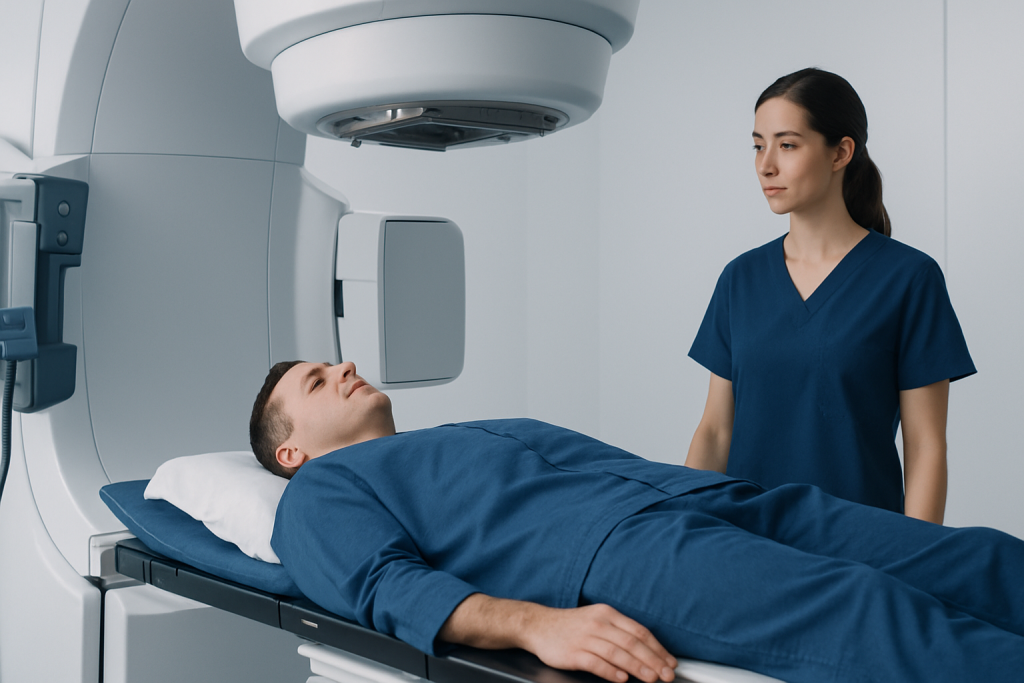
Cancer treatment is recommended when there is a suspected or confirmed diagnosis of cancer, when a previous treatment plan needs review, or when you need a second opinion about the next step. Some patients travel for initial diagnosis and staging, while others already have a confirmed diagnosis and are seeking surgery, systemic therapy, radiotherapy, or coordinated follow-up.
You may also consider treatment abroad if your case is complex, if you need multiple specialists involved, or if you want access to a hospital that can provide diagnostics and treatment in one setting. This can be helpful for cancers that require close timing between imaging, biopsy, pathology, surgery, and oncology treatment.
It is also recommended to seek specialist evaluation if you have new or worsening symptoms, unclear pathology results, recurrence after earlier treatment, or a treatment plan that needs reassessment. Even if you already know your diagnosis, the hospital may advise repeat or confirmatory testing to make sure the treatment plan is based on the most accurate current information.
Who is a good candidate?

You may be a good candidate for cancer treatment in Turkey if you have a suspected or confirmed cancer diagnosis and are medically stable enough to travel, or if your doctors agree that travel is appropriate for the next stage of care. Many international patients travel for expert review, treatment planning, surgery, radiotherapy, chemotherapy, second opinions, or post-treatment reassessment.
Good candidates are usually able to share complete medical records, including pathology reports, biopsy results, scan reports, treatment summaries, and a list of current medications. This helps the oncology team understand what has already been done and whether your current plan needs modification. The more complete your records are, the more useful your pre-travel review can be.
Whether you are suitable depends on your diagnosis, symptoms, performance status, other medical conditions, and travel timing. In some cases, urgent local care may be safer before international travel. Your suitability should always be confirmed by a physician after reviewing your records and, when necessary, after an in-person assessment.
Treatment options
Cancer treatment options vary widely depending on the type and stage of cancer. Broadly, treatment may be curative, disease-controlling, or supportive. Some patients need only one main treatment, while others benefit from a combination given in a planned sequence.
Common treatment pathways include surgery to remove a tumor, chemotherapy or other systemic treatments to treat cancer cells throughout the body, and radiotherapy to target a specific area. Depending on the diagnosis, your plan may also involve immunotherapy, targeted therapy, hormone therapy, stem cell-related hematology care, interventional radiology procedures, palliative symptom control, nutritional support, or rehabilitation.
The right hospital should be able to explain not only which treatment is possible, but why it is recommended in your case, what alternatives exist, and what the expected goals are. Useful questions include whether your case will be reviewed by a tumor board, whether pathology can be re-evaluated, whether advanced imaging is available on site, and how supportive care is coordinated during treatment.
- Diagnostic work-up and staging
- Surgical oncology procedures
- Medical oncology treatments such as chemotherapy and newer systemic therapies
- Radiation oncology planning and delivery
- Hematology and blood-related cancer care where appropriate
- Pain control, nutrition, psychological support, and rehabilitation
Online evaluation before travel
Before you travel, an online evaluation can help clarify whether treatment in Turkey is appropriate and what should happen first. This usually starts with sharing your medical history, pathology reports, imaging results, previous treatment summaries, and current symptoms. If your records are recent and complete, the team may be able to provide an initial opinion about possible next steps and whether more tests are likely to be needed on arrival.
This review is especially helpful in cancer care because timing matters. It can identify whether you may need urgent treatment locally before travel, whether repeat imaging or pathology review is likely, and how long you may need to stay. It can also help avoid unnecessary travel if the first priority should be stabilization, further local testing, or closer home-based monitoring.
For international patients, Acibadem International can help coordinate the document-sharing process and communication across specialties. Keep in mind that an online review is preliminary. Final treatment recommendations often depend on physical examination, updated laboratory tests, imaging, and sometimes a repeat biopsy or pathology confirmation.
Before the treatment
Before treatment begins, your team will usually confirm your diagnosis, stage the disease if needed, review your overall health, and decide whether additional tests are required. Depending on your situation, this may include blood tests, imaging, cardiology review, anesthetic assessment for surgery, infection screening, and discussions with more than one oncology specialist.
This stage is also when practical planning becomes important. You may need to arrange a companion, organize medications for travel, and make plans for rest days between appointments. If you have had treatment elsewhere, bring all operative notes, pathology slides or blocks if requested, scan discs, and summaries of previous chemotherapy, radiotherapy, or hospital admissions.
Your doctors will also discuss goals of care, expected benefits, possible side effects, and alternatives. This is the right time to ask clear questions about timing, likely length of stay, whether you can travel during treatment, and how follow-up will continue after you return home. A trusted hospital should make this planning process structured and understandable.
What happens during the treatment
What happens during treatment depends entirely on the treatment plan. If you are having surgery, there will be standard pre-operative preparation, anesthesia review, the operation itself, and post-operative monitoring. If you are receiving chemotherapy, immunotherapy, targeted therapy, or supportive infusions, treatment may be given in an outpatient oncology setting with regular monitoring of blood results and symptoms.
If radiotherapy is part of your plan, treatment usually starts with consultation, planning scans, and individualized mapping before the treatment sessions begin. If you need more than one type of treatment, the sequence may be carefully coordinated so that each part supports the next. In many cancer pathways, your treatment schedule is adjusted according to how you respond and how well you tolerate therapy.
Throughout treatment, symptom management matters. Your team may address pain, nausea, fatigue, nutrition, sleep, emotional stress, and infection risk. Good cancer care is not only about the main anti-cancer therapy; it also includes the support that helps you stay as well as possible during the process.
Hospital stay and discharge
Some cancer care is entirely outpatient, while other situations require admission. For example, surgery usually involves at least a short hospital stay, and certain complex therapies or complications may require closer inpatient monitoring. By contrast, many consultations, imaging tests, infusion sessions, and radiation treatments are arranged without overnight admission.
Your discharge timing depends on your stability, pain control, ability to eat and drink if relevant, wound status after surgery, blood results, and whether your immediate treatment goals have been safely completed. The team will explain your medications, diet or activity instructions, wound care if applicable, and when your next review should take place.
For international patients, discharge planning also includes travel readiness. Before flying, you may need clearance based on your energy level, infection risk, mobility, recent surgery, and planned follow-up. If you are not yet ready to travel, your coordinator can help you understand the likely next steps and the expected local stay.
Recovery timeline
Recovery after cancer treatment is highly individual. It depends on the type of cancer, the treatment used, your baseline health, and whether treatments are combined. Some people recover quickly after outpatient sessions, while others need a longer period after major surgery or intensive therapy.
Your team will tell you what recovery means in your specific case. Often, recovery is measured not only by how you feel day to day, but also by examination findings, blood tests, scan results, wound healing, nutrition, mobility, and how well you tolerate the next stage of treatment.
| Timeframe | What to expect |
|---|---|
| First 24 hours | Observation depends on the treatment given. After surgery, close monitoring is common. After outpatient therapy, you may be watched for immediate side effects before returning to your accommodation. |
| First week | You may experience tiredness, reduced appetite, discomfort, or treatment-specific symptoms. Follow-up calls or clinic checks may be arranged, especially after surgery or a first treatment cycle. |
| Weeks 2-4 | Many patients gradually regain strength, although fatigue can continue. Pathology, treatment response, or next-step planning may be reviewed during this period. |
| Months 1-3 | Ongoing reassessment is common. Depending on your plan, you may continue treatment, recover from surgery, start rehabilitation, or undergo imaging and laboratory monitoring. |
| Final result | Outcomes are usually judged over time rather than immediately. Your doctors assess symptom improvement, disease control, healing, and treatment response using clinical review and investigations. |
It is normal for the timeline to change if additional tests, combination therapy, side effects, or recovery needs arise. Your doctor will guide you on when it is safe to work, travel, exercise, or resume your usual routine.
What to avoid after treatment
What you should avoid depends on the kind of cancer treatment you received. In general, avoid making assumptions about activity, diet, travel, or medication changes without checking with your doctor. After surgery, you may need to avoid heavy lifting, strenuous exercise, or getting wounds wet for a certain period. After systemic therapy, infection precautions and monitoring may be especially important.
Do not stop or change prescribed medicines on your own, including pain relief, anti-nausea medication, blood thinners, or supportive drugs. Avoid non-prescribed supplements or herbal products unless your oncology team says they are safe, as some may interact with treatment or affect bleeding, liver function, or recovery.
It is also wise to avoid smoking and to limit alcohol unless your doctor advises otherwise. If you are planning to fly soon after treatment, ask specifically whether it is safe, whether you need compression or mobility precautions, and whether you should delay travel until after a review.
Risks and possible complications
All cancer treatments have potential risks, but the type of risk varies by treatment. Surgery may involve bleeding, infection, pain, delayed healing, anesthesia-related issues, or procedure-specific complications. Chemotherapy and other systemic therapies may affect blood counts, energy levels, appetite, digestion, or the immune system. Radiotherapy can cause local irritation and other side effects depending on the treated area.
Not every patient experiences the same side effects, and not all side effects are severe. Many are temporary and manageable, but some can be serious or need treatment adjustments. This is why regular assessment, blood tests, and clear communication with your team are essential during and after treatment.
A reliable hospital should explain risks honestly, monitor you appropriately, and help you understand which symptoms are expected and which are urgent. If you are comparing hospitals, ask how complications are handled, whether there is 24-hour support for urgent issues, and how coordination works if you return home during follow-up.
Warning signs: when to contact a doctor
After cancer treatment, some symptoms should be reported promptly because they may indicate infection, dehydration, bleeding, a treatment reaction, or another complication. If you are ever unsure, it is safer to contact your care team and ask for guidance.
- Fever, chills, or signs of infection
- Shortness of breath, chest pain, or new confusion
- Heavy bleeding, black stools, vomiting blood, or rapidly worsening bruising
- Severe or worsening pain not relieved by prescribed medication
- Persistent vomiting, inability to keep fluids down, or signs of dehydration
- Redness, swelling, discharge, or opening of a surgical wound
- Sudden weakness, fainting, or major dizziness
- Marked decrease in urine output or significant swelling
- New severe headache, seizures, or neurological symptoms
- Any sudden, unusual, or rapidly worsening symptom after treatment
If symptoms are severe or rapidly progressing, seek urgent medical care immediately. If you are an international patient, keep your treatment summary and emergency contact information with you while in Turkey and after you return home.
Results and expectations
Results in cancer care are measured in different ways depending on the goal of treatment. In some cases, the aim is complete removal or control of the disease. In others, the goal may be to shrink a tumor, slow progression, reduce symptoms, improve quality of life, or prepare for another stage of treatment. This means expectations should always be discussed in relation to your exact diagnosis and treatment purpose.
It is important to know that results are rarely judged immediately. Your doctors may need pathology findings, blood tests, repeat scans, and follow-up visits over weeks or months to understand how well the treatment has worked. Some patients need treatment adjustments as they go, and some may need additional therapy later.
A good hospital will help you balance hope with realism. Honest counseling matters: outcomes vary from person to person, side effects are possible, and revision of the treatment plan is sometimes necessary. What matters most is receiving well-coordinated care based on careful evaluation and ongoing review.
International patient travel planning
If you are traveling for cancer treatment, planning should start as early as possible. Your length of stay depends on whether you need evaluation only, outpatient therapy, surgery, recovery time, or several treatment phases. In many cases, it is best not to book fixed return travel until your medical team confirms the likely schedule.
Bring your passport, medical records, medication list, and any imaging discs or pathology materials requested by the hospital. Travel with enough regular medication for the journey, and keep essential items in your hand luggage. If you have reduced mobility, special dietary needs, or require a companion, mention this before arrival so support can be arranged where possible.
Acibadem International supports patients with practical coordination such as interpreters, transfers, and accommodation guidance. This can make a complex treatment journey easier to manage, especially when multiple appointments are needed across different oncology services. Remote follow-up planning is also important if part of your care will continue in your home country.
Cost and package information
The cost of cancer treatment varies significantly because oncology care is highly individualized. The main factors include the type of cancer, stage of disease, whether diagnosis is already confirmed, which treatments are needed, whether surgery or hospitalization is required, the complexity of imaging and pathology review, the number of treatment sessions, and the length of follow-up.
When you request a quotation, it is helpful to understand whether it is based on a preliminary review or a confirmed final treatment plan. In many cases, a package or estimate may include selected consultations, standard pre-treatment tests, a planned procedure, a defined hospital stay, and routine immediate follow-up. Additional imaging, pathology reassessment, intensive care, extra inpatient days, treatment of complications, emergency care, blood products, special implants or devices, and non-medical personal expenses may not be included unless specifically stated.
For international patients, it is wise to ask exactly what is included and excluded, how possible treatment changes are handled, and whether accommodation, transfers, interpreters, and remote follow-up coordination are part of the arrangement. Clear written information helps you compare hospitals fairly and plan with confidence.
Why choose Acibadem
When choosing a hospital for cancer treatment, many patients look for coordinated care, strong diagnostic capability, and a team that can manage complex cases in one system. Acibadem International supports oncology patients through JCI-accredited hospital standards, multidisciplinary specialist teams, advanced diagnostic services, and practical international patient coordination.
For you, this can mean a more organized pathway from pre-travel record review to in-person consultation, testing, treatment, discharge planning, and follow-up communication. Instead of navigating multiple providers on your own, the goal is to make the process clearer and more connected.
Just as importantly, international patient services can help with the non-medical side of treatment. Interpreter support, transfer coordination, accommodation guidance, and remote follow-up planning can reduce stress and help you focus on your care. The best choice is always the hospital that is medically appropriate for your diagnosis and can offer the level of expertise and coordination your case requires.
Medical review and disclaimer
This guide has been medically reviewed by the Acibadem International medical team. It is designed to help you understand cancer treatment in Turkey and the practical points to consider when choosing the right hospital.
The information here is general and does not replace a personal medical consultation, diagnosis, or treatment recommendation. Cancer care is highly individualized, and the most suitable approach depends on your pathology, imaging, symptoms, previous treatments, overall health, and physician assessment.
Your suitability for travel, testing, treatment, and timing must always be confirmed by a qualified doctor. If you have urgent symptoms or a recent diagnosis, seek prompt medical evaluation rather than relying on general information alone.
Step by step
- Initial contact. You contact the international patient team and explain your diagnosis, current concerns, and what kind of oncology review or treatment you are seeking.
- Medical record / photo submission. You share available records such as pathology reports, scan reports and discs, treatment summaries, blood tests, and a medication list.
- Preliminary medical review. Relevant specialists review your records to assess whether treatment in Turkey may be appropriate and what additional information is needed.
- Treatment plan and quotation. You receive a preliminary care pathway and practical information about expected steps, likely stay duration, and cost structure.
- Travel planning. Flights, accommodation, transfers, companion needs, and appointment timing are organized with support from the international patient team.
- Arrival. After arriving in Turkey, you are assisted with transfer and orientation so you can attend your scheduled consultations and tests.
- In-person consultation. You meet the oncology team for physical assessment, review of records, and confirmation of the most appropriate next steps.
- Pre-operative tests. If surgery or a procedure is planned, you may undergo blood tests, imaging, anesthesia review, and other safety checks before treatment.
- Treatment. Your planned cancer treatment is carried out, whether that involves diagnostics, surgery, systemic therapy, radiotherapy, or a combined approach.
- Hospital stay. If admission is needed, your team monitors recovery, symptom control, and readiness for the next phase of care or discharge.
- First control. An early follow-up review checks healing, symptoms, laboratory results, pathology findings, or response to treatment.
- Discharge / travel clearance. When medically appropriate, you receive discharge instructions, medications, a treatment summary, and advice about safe travel.
- Remote follow-up. After you return home, remote communication may help coordinate reports, further recommendations, and follow-up planning with your local doctors.
Your checklist
- Passport and travel details
- Full medical history and current diagnosis information
- Pathology reports, biopsy reports, and if requested pathology slides or blocks
- Imaging reports and image discs or digital files
- Recent blood test results and other relevant test results
- Medication list with doses and schedules
- Known drug, food, or contrast allergies
- Previous surgery and hospital admission records
- Summary of prior chemotherapy, radiotherapy, immunotherapy, or other cancer treatments
- Current symptoms and when they started
- Contact details for your current doctor or hospital if available
- Insurance or payment authorization documents if applicable
Key takeaways
- Cancer treatment in Turkey is not one single procedure; it is a personalized plan based on diagnosis, stage, and your health needs.
- The right hospital should offer multidisciplinary tumor boards, advanced imaging, pathology, surgery, systemic therapies, and radiotherapy in one coordinated system.
- Your length of stay depends on whether you need tests only, outpatient therapy, surgery, or a combination of treatments.
- Bring all medical records, pathology reports, scans, and medication details for a safe and accurate review.
- Recovery and results vary by cancer type and treatment; regular follow-up is essential.
- A proper physician evaluation is always needed before confirming suitability, timing, and travel plans.
Frequently asked questions
How do I know if I am suitable for cancer treatment in Turkey?
Suitability depends on your diagnosis, current condition, treatment needs, and whether it is medically safe for you to travel. A physician should review your records first, and in some cases urgent local care may be recommended before travel.
Why is choosing the right hospital so important for cancer care?
Cancer treatment often involves several specialties, not just one doctor or one procedure. A hospital with coordinated oncology, radiology, pathology, surgery, radiotherapy, and supportive care can make decision-making and treatment timing more efficient and safer.
Can I get an online opinion before I travel?
Yes, a preliminary online review is often possible if you share complete records such as pathology, scan reports, and treatment summaries. This helps the team understand your case, but the final plan may change after in-person evaluation and updated tests.
How long do I need to stay in Turkey for cancer treatment?
There is no single answer because the stay depends on whether you need diagnostics only, outpatient sessions, surgery, recovery time, or several treatment phases. Your team can usually give an estimated range after reviewing your records.
Will I definitely start treatment immediately after I arrive?
Not always. Some patients begin quickly, while others need repeat imaging, pathology review, blood tests, or specialist consultations before the plan is finalized. This step is important for safety and accuracy.
Is cancer treatment always inpatient?
No. Many cancer treatments are outpatient, including consultations, imaging, and many infusion or radiotherapy sessions. Hospital admission is more likely for surgery, certain complex therapies, or if closer monitoring is needed.
What affects the cost of cancer treatment in Turkey?
The main factors are the cancer type, stage, complexity of diagnostics, need for surgery or hospitalization, number of sessions, medicines used, and duration of follow-up. Because treatment is highly individualized, costs can change if the plan changes after evaluation.
Is it safe to travel during or after cancer treatment?
It can be safe for some patients, but timing matters. Your doctor should advise based on your immune status, recent surgery, blood counts, mobility, symptoms, and risk of complications.
What should I bring with me for my oncology appointment?
Bring your passport, full medical records, pathology reports, imaging discs and reports, blood results, medication list, allergy information, and summaries of any previous cancer treatments. Having complete documentation helps avoid delays.
Will I need follow-up after I return home?
Very often, yes. Cancer care usually involves ongoing review with examinations, blood tests, scans, or communication between your treating team and local doctors. Remote follow-up can help coordinate this, but the exact plan depends on your treatment.
Add us as a Preferred Source to see more of our trusted health content across Google Search, AI Overviews and Discover.
More Patient Guides
Day Surgery in Turkey: Can You Leave Hospital the Same Day?
Day surgery in Turkey often lets you go home the same day if your procedure and recovery are suitable and your doctor…
11 min read
General Anesthesia in Turkey: How to Prepare and What Happens Before You Sleep
General anesthesia in Turkey helps you sleep safely through surgery. Learn preparation, recovery, risks, and travel planning in Istanbul.
11 min read
Choosing Between Outpatient and Inpatient Treatment in Turkey: What Affects the Decision
Choosing Between Outpatient and Inpatient Treatment in Turkey depends on your procedure, health, recovery needs and travel plans.
11 min read