

Revision Surgery in Turkey: When to Consider a Second Opinion

Revision surgery in Turkey can correct or improve a previous result after specialist review, careful planning, and realistic expectations.
This guide explains when revision surgery may be considered after a previous procedure, how a second opinion works, and what you can expect if you travel to Turkey for assessment and treatment. You will also find practical information about recovery, travel planning, costs, and follow-up.
At a glance
- Procedure type: Corrective or secondary surgery, tailored to the original procedure and your current concern
- Purpose: To improve function, appearance, comfort, healing, or complications after a previous treatment
- Anesthesia: Depends on the area treated; may be local anesthesia, sedation, or general anesthesia
- Hospital stay: Varies by procedure; some cases are day treatment, while others need 1 or more nights
- Estimated recovery: Depends on the complexity of revision and the body area involved; often longer than first-time surgery
- Return to daily life: Usually possible within days to weeks, depending on the procedure and your healing progress
- Final result timeline: Often takes weeks to months, and in some procedures longer, as swelling and tissues settle
- Suitable department: Plastic, reconstructive and aesthetic surgery or the relevant specialty linked to the original procedure
- International patient support: Online pre-evaluation, interpreters, transfers, accommodation guidance, and remote follow-up
What is this treatment?
Revision surgery is a second procedure performed to correct, improve, or refine the outcome of a previous treatment. It may be considered after cosmetic surgery, reconstructive surgery, weight-loss related body contouring, breast procedures, facial surgery, abdominal surgery, orthopedic procedures, or other operations where the first result did not fully meet medical or personal expectations.
The goal is not always purely cosmetic. In many cases, revision surgery is recommended because of functional problems, discomfort, asymmetry, persistent symptoms, healing issues, scar-related changes, implant concerns, or complications from a prior procedure. Sometimes the best next step is not immediate surgery, but further healing time, medication, imaging, physical therapy, or another conservative treatment.
If you are considering revision surgery in Turkey, the process usually starts with a careful review of your original operation, your current symptoms, and your goals. At Acibadem International, multidisciplinary specialist teams can assess whether revision is appropriate, what level of improvement is realistic, and whether a surgical or non-surgical approach may be safer.
When is it recommended?
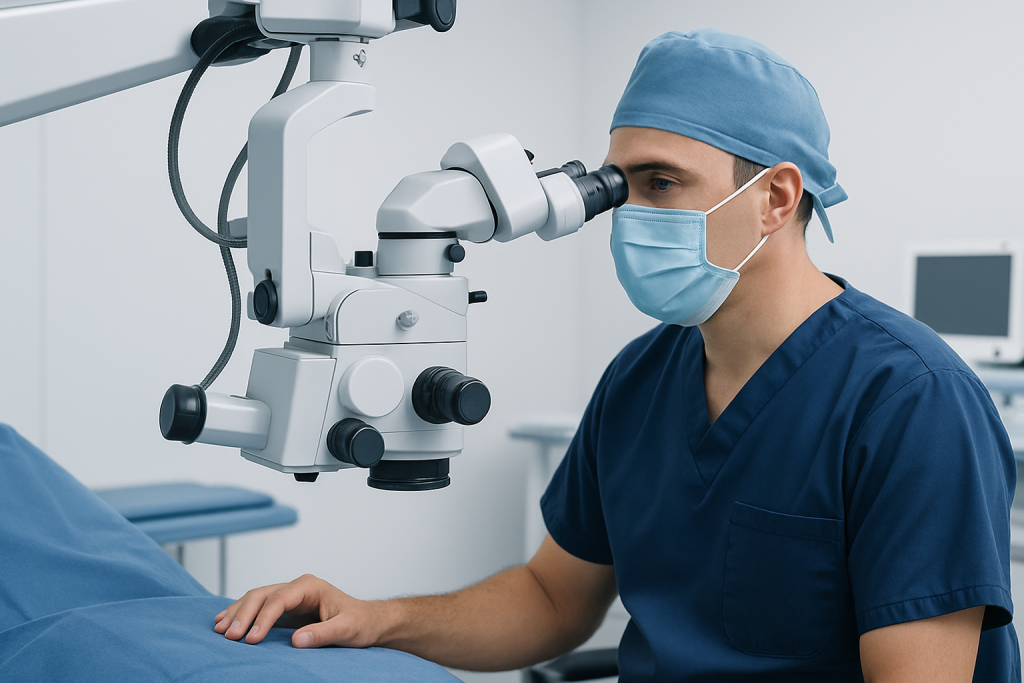
Revision surgery may be recommended when there is a clear medical or structural reason to intervene, or when the final outcome of a previous procedure remains unsatisfactory after enough healing time. Common reasons include ongoing pain, breathing or movement problems, implant malposition, contour irregularities, asymmetry, scar contracture, wound healing concerns, or a result that does not match the agreed treatment goal.
It is also sometimes considered when a first procedure has changed over time. For example, weight fluctuations, aging, tissue relaxation, pregnancy, trauma, or scar maturation can affect the result months or years later. In these situations, a specialist second opinion can help you understand whether the change is expected, temporary, or something that may benefit from correction.
Revision is usually not recommended too early unless there is an urgent complication. Many procedures need time for swelling to settle and tissues to soften before the true result can be judged. Your doctor will advise whether you need more time, additional tests, or prompt treatment.
Who is a good candidate?

You may be a good candidate for revision surgery if you are medically fit for treatment, have a specific concern that can be clearly identified, and understand that revision aims for improvement rather than perfection. The best candidates are usually those who can describe what is bothering them, provide records from the previous procedure, and are open to a specialist assessment of what is realistically achievable.
Good candidates also have stable general health, manageable expectations, and enough time to recover properly. If you smoke, have uncontrolled chronic illness, active infection, poor wound healing, or major emotional distress related to the first procedure, these issues may need to be addressed before a revision is planned.
Sometimes you may not be an ideal candidate for surgery right away. If your tissues are still healing, if the concern is minor, or if a non-surgical solution may help, your doctor may recommend waiting, observation, scar care, or another supportive treatment first.
Treatment options
Revision surgery is highly individualized because it depends on the original treatment and the problem being corrected. In some cases, the surgeon can make a limited adjustment, such as scar revision, small contour correction, implant exchange or repositioning, tissue release, or closure improvement. In other cases, a more complex secondary reconstruction may be needed.
Treatment options may include surgical revision, staged revision, implant removal or replacement, fat grafting, tissue reshaping, scar management, grafting, or image-guided investigation before intervention. Some patients benefit from non-surgical options instead, such as medication, dressings, compression, rehabilitation, laser-based scar care, or simply more healing time.
If you are seeking a second opinion in Turkey, one important part of the process is confirming whether your concern is best treated by plastic and reconstructive surgery or by another specialty. Depending on your situation, your care may involve radiology, anesthesia, rehabilitation, dermatology, ENT, orthopedics, general surgery, or breast surgery teams working together.
- Minor revision: small adjustments after full healing
- Functional revision: focused on breathing, movement, pain, support, or implant-related issues
- Reconstructive revision: repair after tissue loss, scarring, or complications
- Staged revision: more than one procedure for safer correction
- Non-surgical management: observation, scar care, rehabilitation, or other conservative options
Online evaluation before travel
Before you travel, an online evaluation can help determine whether revision surgery in Turkey is appropriate and how urgent your case may be. You will usually be asked to share your medical history, details of the original procedure, current symptoms, previous operation notes if available, and recent photos or imaging relevant to the treated area.
This remote review is useful for planning, but it does not replace an in-person examination. Revision cases are often more complex than first-time procedures, and doctors may need to assess scar quality, tissue thickness, implant position, range of movement, or tenderness directly before confirming a final plan.
At Acibadem International, online coordination can also help you understand which department is most suitable, how long you may need to stay in Turkey, whether additional tests may be needed on arrival, and what documents to bring for a more complete second opinion.
Before the treatment
Preparation begins with a full consultation and review of your original treatment. Your doctor will ask what was done, when it was done, how your recovery went, what concerns you have now, and what you hope to improve. Photographs, scan results, pathology reports, implant information cards, and previous clinic notes can be very helpful in planning.
You may need blood tests, imaging, anesthesia review, or specialist input depending on the area involved. If there are signs of infection, poor healing, or implant-related issues, further tests may be needed before any surgery is scheduled. In some cases, a second operation may be safer if delayed until inflammation settles or tissues recover more fully.
You will also receive instructions about medications, smoking, nutrition, fasting, and recovery planning. Because revision surgery can be technically more demanding than primary surgery, clear preparation and realistic discussion are especially important.
What happens during the treatment
The treatment itself depends on the problem being corrected. A minor revision may take a relatively short time and be done under local anesthesia with or without sedation, while a more extensive reconstruction may require general anesthesia and a longer operating time. The surgeon may remove scar tissue, release tightened tissue, reshape structures, revise a wound, adjust or replace an implant, improve symmetry, or reinforce support.
Revision procedures often require a careful and conservative approach because tissues may already have scarred, blood supply may be altered, and normal anatomy may have changed after the first surgery. For this reason, your surgeon may sometimes recommend a staged plan rather than trying to address everything in one operation.
During your in-person consultation, your doctor will explain what is planned, what alternatives exist, and what limits are realistic in your case. The aim is to improve function, safety, and appearance as much as possible while minimizing unnecessary risk.
Hospital stay and discharge
Some revision procedures are performed as day cases, especially when the correction is limited. Others require at least one overnight stay so your team can monitor pain control, wound condition, drainage, mobility, and early healing. More complex cases may need a longer stay, particularly if reconstruction, implants, or multiple areas are involved.
Before discharge, you will receive instructions about wound care, bathing, compression garments if needed, medication use, activity limits, and when to return for your first control appointment. If drains, dressings, or supportive garments are used, your team will explain how they are managed.
For international patients, discharge planning also includes travel safety. Your doctor will advise when you are fit to leave the hospital, whether you should remain in Istanbul or elsewhere in Turkey for observation, and when air travel is reasonable for your specific procedure.
Recovery timeline
Recovery after revision surgery varies widely because each case is different. In general, healing may be slower than after a first operation because scar tissue, altered anatomy, and previous healing changes can make the body area more sensitive and less predictable.
Your surgeon will give you procedure-specific guidance, but the table below shows the broad pattern many patients can expect after a secondary operation.
| Timeframe | What to expect |
|---|---|
| First 24 hours | Rest, monitoring, swelling, mild to moderate discomfort, and early wound care instructions. You may feel tired after anesthesia. |
| First week | Bruising, swelling, tightness, and reduced activity are common. Follow-up visits may include dressing changes, drain review, or wound checks. |
| Weeks 2-4 | Many patients gradually return to light daily routines, depending on the procedure. Swelling often improves but may still be noticeable. |
| Months 1-3 | Tissues continue to settle, scars begin to mature, and function or contour may become clearer. Some restrictions may still apply in more complex cases. |
| Final result | The final outcome may take several months or longer, depending on the area treated, scar behavior, and whether a staged plan is needed. |
Because revision surgery can be emotionally important, it helps to expect gradual change rather than immediate perfection. Early swelling or unevenness does not always reflect the final result, and your surgeon will monitor your progress over time.
What to avoid after treatment
After revision surgery, it is important to protect healing tissues. Avoid smoking, nicotine products, and anything else your doctor identifies as harmful to circulation or wound healing. Smoking can increase the risk of delayed healing, poor scars, and complications, especially in a previously operated area.
You should also avoid strenuous exercise, heavy lifting, pressure on the treated area, and returning to normal activity too quickly. Depending on the procedure, you may need to avoid sleeping in certain positions, wearing tight clothing, exposing scars to sun, or travelling too soon after treatment.
Do not restart medications, supplements, or skin treatments unless your care team approves them. Follow your dressing, bathing, scar care, and follow-up instructions carefully, as small details can make a meaningful difference in revision healing.
Risks and possible complications
All surgery carries some risk, and revision surgery can be more complex than primary treatment. Possible complications may include bleeding, infection, delayed healing, fluid collection, unfavorable scarring, asymmetry, contour irregularity, persistent pain, numbness, tissue loss, implant-related issues, anesthesia-related risks, or a result that still falls short of expectations.
Because the tissues have already been operated on, there may be more scar tissue, less flexibility, or reduced blood supply in the area. This can affect both healing and the extent of correction that is safely possible. In some cases, more than one revision stage may be needed to reach the best achievable result.
A careful consultation is essential to balance the potential benefit against the limitations and risks. A second opinion can help you understand whether surgery is likely to help, whether waiting is wiser, or whether a non-surgical approach may be enough.
Warning signs: when to contact a doctor
After revision surgery, your team will explain which symptoms are expected and which need urgent review. Contact a doctor promptly if you develop any concerning changes, especially in the early recovery period.
- Fever or chills
- Increasing redness, warmth, or swelling around the treated area
- Bad-smelling discharge or pus from the wound
- Sudden bleeding or rapid swelling
- Severe or worsening pain not controlled as advised
- Shortness of breath, chest pain, or fainting
- New leg swelling or calf pain
- Opening of the wound or darkening of the skin
- Persistent vomiting or inability to drink fluids
- Any sudden change in function, sensation, or implant position
If you are an international patient, remote follow-up support can help you decide whether a symptom is routine recovery or something that needs urgent medical attention. If symptoms are severe, seek immediate local emergency care.
Results and expectations
The purpose of revision surgery is improvement, not perfection. In many cases, it can significantly help function, comfort, symmetry, contour, scar quality, or overall satisfaction. However, the final result depends on your anatomy, the condition of the tissues, the reason for revision, healing quality, and whether any complications have already affected the area.
Some patients achieve a clear improvement with one procedure, while others need staged correction or a more limited solution than originally hoped. If your first operation created extensive scarring, tissue shortage, or structural damage, there may be practical limits to what can be restored in a single step.
Honest expectation-setting is one of the most important parts of a second opinion. A trustworthy specialist will explain what is likely, what is uncertain, and whether surgery is truly the right next step for you.
International patient travel planning
If you are travelling to Turkey for revision surgery, plan enough time not only for the procedure itself but also for in-person assessment and early follow-up. Unlike straightforward primary procedures, revision cases may require extra tests, imaging, specialist consultations, or a short period of observation before the final treatment decision is made.
Bring all available records from your previous treatment, including reports, implant details if relevant, operative notes, discharge summaries, pathology, scans, and photographs. These documents can help the specialist understand what was done before and reduce uncertainty when planning correction.
Acibadem International supports international patients with coordination before arrival, airport-hotel-hospital transfer arrangements, interpreter services, accommodation guidance, and follow-up planning after you return home. You should still wait for medical travel clearance before booking your return journey.
Cost and package information
The cost of revision surgery depends on several factors, including the body area involved, the complexity of the correction, the need for implants or grafts, hospital stay length, anesthesia type, imaging or laboratory tests, and whether more than one specialty is involved. Revision surgery is often more individualized than primary surgery, so the final plan usually needs an in-person review before it can be fully confirmed.
For international patients, a treatment package commonly includes selected consultations, hospital-related procedure costs, standard nursing care, operating room use, and routine early follow-up. Depending on the case, it may also include interpreter support and transfer coordination. However, what is included can vary according to the treatment plan.
Items that are often not included unless specifically stated may involve extended hotel stay, companion expenses, flights, unexpected additional tests, treatment of unrelated conditions, emergency care outside the planned package, or extra procedures requested after assessment. The clearest approach is to ask for a written breakdown of what is included, what may change after examination, and what follow-up is planned once you return home.
Why choose Acibadem
Revision cases benefit from careful assessment, experienced teams, and access to more than one specialty when needed. Acibadem International coordinates care through JCI-accredited hospitals and multidisciplinary departments, which is particularly valuable when a previous procedure has created both functional and aesthetic concerns.
For you as an international patient, support matters as much as surgical planning. Acibadem International provides pre-travel coordination, interpreter services, transfer assistance, accommodation guidance, and remote follow-up planning, helping you navigate the practical side of treatment with more confidence.
Just as importantly, a responsible second opinion includes saying when surgery is not the best next step. The aim is to offer an honest, safe, and individualized plan based on physician evaluation rather than a one-size-fits-all promise.
Medical review and disclaimer
This guide has been medically reviewed by the Acibadem International medical team. It is designed to give you general information about revision surgery, second opinions, travel planning, recovery, and follow-up.
It does not replace a personal consultation, physical examination, imaging review, or advice from your treating physicians. Not every patient with an unsatisfactory first result is suitable for revision surgery, and in some cases waiting, conservative treatment, or staged care may be more appropriate.
Your suitability for treatment in Turkey requires physician evaluation. The final diagnosis, treatment plan, timing, and recovery recommendations can only be confirmed after a specialist has reviewed your case in detail.
Step by step
- Initial contact. You contact the international patient team and explain your previous procedure, current concerns, and what kind of second opinion you are seeking.
- Medical record / photo submission. You share available reports, operative notes, imaging, implant details if relevant, and clear photos of the treated area when appropriate.
- Preliminary medical review. The relevant specialist team performs an initial assessment to understand whether revision, observation, or further tests may be needed.
- Treatment plan and quotation. You receive a preliminary plan based on the information provided, together with a written outline of expected inclusions and possible variables.
- Travel planning. Your stay is organized around consultation, possible tests, treatment, and early follow-up, with guidance on accommodation and transfers.
- Arrival. On arrival in Turkey, transfer and coordination support help you reach your hotel or hospital smoothly.
- In-person consultation. Your specialist examines you, reviews your records again, discusses realistic options, and confirms whether revision is appropriate.
- Pre-operative tests. If surgery is planned, you may have blood tests, imaging, anesthesia review, or other specialty assessments before the procedure.
- Treatment. Your revision procedure is carried out according to the confirmed plan, with the surgical approach adapted to your prior treatment and current anatomy.
- Hospital stay. You are monitored after treatment, whether as a day case or inpatient, until pain control, mobility, and wound checks are satisfactory.
- First control. Your early follow-up visit allows the team to assess swelling, dressings, drains if used, and your readiness for the next recovery phase.
- Discharge / travel clearance. You receive medical instructions, medication guidance, and advice on when it is safe to fly or continue your journey.
- Remote follow-up. After you return home, remote follow-up helps monitor healing and lets you ask questions or share updates with the care team.
Your checklist
- Passport and travel details
- Full medical history, including chronic conditions
- List of current medications and supplements
- Known allergies or previous reactions to medicines or anesthesia
- Details of previous surgeries and procedure dates
- Current symptoms and your main concerns
- Operative notes or discharge summaries from the first procedure, if available
- Relevant test results, pathology, or imaging reports
- Implant card or device information, if applicable
- Recent clear photos of the treated area, where relevant
- Smoking status and alcohol use
- Contact details for your previous treating clinic or doctor, if available
Key takeaways
- Revision surgery may help if your first procedure left functional, aesthetic, or healing concerns.
- A second opinion is important to understand whether more time, non-surgical care, or surgery is best.
- You usually need to stay in Turkey long enough for in-person assessment, treatment, and early follow-up.
- Recovery can be slower than primary surgery because tissues may have scarred or changed.
- Results can improve a problem, but perfection cannot be guaranteed and some cases are more limited than others.
Frequently asked questions
How do I know if I need revision surgery or just more healing time?
Many procedures continue to change for weeks or months, so an early result is not always the final result. A specialist second opinion can help determine whether your concern is part of normal healing, a temporary issue, or something that may benefit from treatment.
Can I get a second opinion in Turkey before deciding on surgery?
Yes. Many international patients first seek an expert second opinion to understand their options. After reviewing your records and examining you in person, the doctor may recommend surgery, non-surgical treatment, further tests, or simply more time for healing.
Is revision surgery more difficult than first-time surgery?
Often, yes. Previously operated tissues may have scar tissue, altered blood supply, changed anatomy, or implants that make planning and healing more complex. That is why revision surgery usually requires careful assessment and realistic expectations.
How long do I need to stay in Turkey?
The length of stay depends on the complexity of your case, whether tests are needed on arrival, and the type of revision performed. You should allow enough time for consultation, treatment, early recovery, and at least one follow-up review before travelling home.
Will I definitely need another operation if I am unhappy with my first result?
Not always. Some concerns improve with time, scar care, medication, rehabilitation, or other non-surgical management. A responsible second opinion should include discussion of non-surgical options and whether waiting may be the safer choice.
What documents should I bring for a revision consultation?
Bring any records related to the original procedure, such as operative notes, discharge summaries, implant information, scans, pathology, and photographs. The more information your doctor has, the more accurately your case can be assessed.
Are the results of revision surgery guaranteed?
No surgical result can be guaranteed. Revision surgery aims to improve a problem, but the outcome depends on your anatomy, tissue condition, prior healing, and the limits of what can be safely corrected.
Can I travel alone for revision surgery in Turkey?
Some patients do, especially for minor procedures, but for more complex surgery it may be helpful to travel with a companion. Your care team can advise based on the expected recovery, mobility needs, and hospital stay.
What affects the cost of revision surgery in Turkey?
The main cost factors are the complexity of the correction, the specialty involved, anesthesia, hospital stay, tests, implants or grafts, and whether additional procedures are needed. A final plan often requires in-person evaluation because revision cases can change after examination.
Is Turkey a good option for revision surgery?
Turkey can be a suitable option if you choose an experienced hospital and specialist team, especially for complex second-opinion cases. What matters most is careful physician evaluation, clear communication, realistic planning, and follow-up arrangements after you return home.
Add us as a Preferred Source to see more of our trusted health content across Google Search, AI Overviews and Discover.
More Patient Guides
Day Surgery in Turkey: Can You Leave Hospital the Same Day?
Day surgery in Turkey often lets you go home the same day if your procedure and recovery are suitable and your doctor…
11 min read
General Anesthesia in Turkey: How to Prepare and What Happens Before You Sleep
General anesthesia in Turkey helps you sleep safely through surgery. Learn preparation, recovery, risks, and travel planning in Istanbul.
11 min read
Choosing Between Outpatient and Inpatient Treatment in Turkey: What Affects the Decision
Choosing Between Outpatient and Inpatient Treatment in Turkey depends on your procedure, health, recovery needs and travel plans.
11 min read