

Second Opinion Before Treatment in Turkey: When It Helps

Second Opinion Before Treatment in Turkey helps you confirm a diagnosis, compare options, and plan care with more confidence before you travel.
This guide explains what a medical second opinion is, when it can help, how online review works before you travel to Turkey, and what to expect if you choose to continue your care with Acibadem International. It is designed to help you make a more informed, confident treatment decision.
At a glance
- Procedure type: Specialist medical review and treatment planning, often completed remotely before travel
- Purpose: To confirm a diagnosis, review treatment choices, clarify risks and benefits, and support informed decision-making
- Anesthesia: Not applicable for the opinion itself; depends on any later treatment recommended
- Hospital stay: Usually none for the second opinion; any hospital stay depends on the final treatment plan
- Estimated recovery: No physical recovery period for the opinion process
- Return to daily life: Immediate, unless you proceed to tests or treatment
- Final result timeline: The specialist review is usually completed after your records are assessed; timeline depends on case complexity
- Suitable department: Multidisciplinary, including oncology, neurosurgery, orthopedics, cardiology, general surgery, gynecology, urology and others as needed
- International patient support: Online coordination, interpreters, travel guidance, transfers, accommodation support and remote follow-up
What is this treatment?
A second opinion before treatment in Turkey is a structured medical review by another specialist or multidisciplinary team. The aim is not simply to repeat what you have already been told, but to reassess your diagnosis, staging or severity, treatment choices, timing, and expected outcomes using your records, imaging, pathology, and clinical history.
For international patients, this process often happens remotely before travel. You share your medical documents, and the relevant specialist team reviews them to see whether the current diagnosis appears consistent, whether additional tests may be needed, and which treatment pathways may be suitable. In some cases, the second opinion confirms the original plan. In others, it may refine the diagnosis, suggest a different technique, or recommend further evaluation first.
A second opinion is especially helpful when the proposed treatment is complex, high-risk, urgent but not immediate, or potentially life-changing. It can also be valuable when you feel uncertain, have received differing recommendations, or want to understand whether treatment in Turkey is appropriate for your condition and timeline.
When is it recommended?
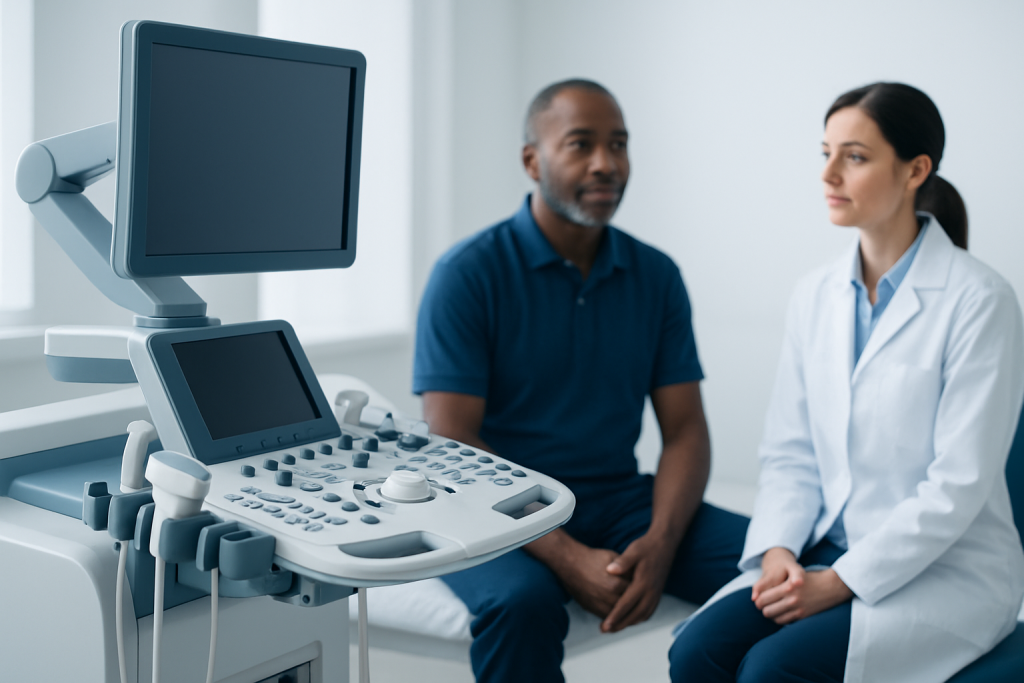
You may benefit from a second opinion when you have been advised to undergo major surgery, cancer treatment, spine surgery, heart procedures, organ-related interventions, fertility treatment, or a complex long-term treatment plan. It is also useful when test results are difficult to interpret, symptoms do not fully match the diagnosis, or you have not improved with previous treatment.
It can help if you have been told that there is only one option, but you want to know whether less invasive, organ-preserving, staged, or multidisciplinary alternatives exist. Some patients also seek a second opinion when they are considering revision surgery after a previous procedure elsewhere, or when they want to understand whether newer technologies or specialist centers may offer different approaches.
Not every situation requires a second opinion. If you need emergency treatment, delaying care to obtain another review may not be appropriate. The safest decision depends on your symptoms, how urgent the condition is, and your treating doctor’s advice. A proper medical review is important before making travel or treatment decisions.
Who is a good candidate?

You may be a good candidate if you want more clarity before making a treatment decision and you can provide enough medical information for a meaningful review. This includes patients with new diagnoses, chronic conditions, recurrence after previous treatment, unresolved symptoms, or complex findings on imaging, pathology, or blood tests.
International patients are often good candidates because a second opinion can reduce uncertainty before travel. It can help you understand whether traveling to Turkey is worthwhile, what type of specialist you may need, whether further tests are likely, and how long you may need to stay.
The process works best when your records are recent, complete, and organized. If your documents are limited, outdated, or conflicting, the specialist may still provide general guidance but may recommend repeating tests or attending an in-person consultation before any final treatment decision is made.
Treatment options
A second opinion is not a treatment in itself, but a decision-support step that can change the treatment pathway. Depending on your condition, the review may lead to confirmation of your current plan, recommendation of a different procedure, advice to postpone intervention, or a suggestion for more tests before proceeding.
Possible outcomes include conservative management, medication-based treatment, minimally invasive procedures, open surgery, robotic or image-guided techniques, combined treatments, rehabilitation planning, or referral to a multidisciplinary tumor board or specialist team. In some cases, the opinion may indicate that your current treatment abroad is already appropriate and no change is needed.
If you are considering treatment in Turkey, the specialist may also comment on whether care can be organized in a single visit, whether staged treatment is more realistic, and which department should lead your case. At Acibadem International, complex cases may be reviewed across relevant specialties so that surgery, imaging, pathology, oncology, cardiology, rehabilitation, or other services can be considered together when needed.
Online evaluation before travel
Many second opinions can begin online before you leave home. You or your coordinator share your medical history, current symptoms, previous procedures, test reports, pathology results if relevant, and imaging files such as MRI, CT, PET-CT, ultrasound, mammography, X-rays, echocardiography, or endoscopy reports depending on your condition.
The reviewing specialist or team studies the information and may ask follow-up questions. Sometimes, images need to be provided in original digital format rather than only as written reports. In cancer care and other complex specialties, pathology slides or blocks may occasionally need re-evaluation, which can require logistics planning if further review is advised.
An online evaluation can clarify whether your case appears suitable for treatment planning from abroad, whether additional tests are likely to be needed on arrival, and whether a face-to-face assessment is essential before a final recommendation. It is important to understand that remote review has limits: if records are incomplete or your physical examination is important, the opinion may remain provisional until you are seen in person.
Before the treatment
Before the second opinion process, gather your medical records carefully. Include diagnosis summaries, clinic notes, operation reports, pathology reports, laboratory tests, medication list, allergy history, and all relevant imaging. If you have had treatment before, it is helpful to include dates, response to treatment, and any complications or side effects.
If you think you may travel for care, prepare practical information too. This may include your passport details, preferred travel dates, whether you will come with a companion, your language needs, and whether you have mobility limitations or other support needs. These details help the international patient team organize the process more smoothly.
Before any later procedure or intervention, you may also need further pre-treatment workup once you arrive in Turkey. This can include repeat blood tests, imaging updates, anesthesia review, cardiac assessment, or other specialist clearances depending on the treatment being considered. A second opinion helps anticipate these needs early, but final preparation depends on physician evaluation.
What happens during the treatment
During the second opinion process, the main activity is medical assessment rather than a physical procedure. Your records are reviewed by the relevant specialist, and if needed, the case may be discussed with other departments. The doctor considers whether the diagnosis is clear, whether more testing is needed, and which treatment approaches may fit your condition, general health, goals, and travel circumstances.
You may then receive a summary of the preliminary opinion, often through your international patient coordinator. This may include the likely diagnosis, possible treatment options, whether treatment in Turkey is appropriate, and what further information is needed. In some cases, a live online consultation may be arranged to answer questions, although this depends on case type and workflow.
If you choose to continue with treatment, the process moves from opinion to action plan. That can involve scheduling consultations, tests, surgery or other therapies, arranging the expected hospital stay, and setting a travel timeline. The exact pathway depends entirely on your medical condition and the specialist team’s recommendations.
Hospital stay and discharge
The second opinion itself usually does not require hospital admission. If you come to Turkey only for consultation and tests, you may not need to stay in the hospital overnight at all. Some evaluations are completed on an outpatient basis, while others may require a short observation period if procedures or advanced testing are performed.
If the opinion leads to surgery, interventional treatment, chemotherapy, radiotherapy, or other hospital-based care, the hospital stay will depend on that specific treatment. Your team will explain whether you can expect same-day discharge, a short inpatient stay, or a longer admission with monitoring and follow-up tests.
Before discharge after any in-person assessment or treatment, you should receive clear information about medications, wound care if relevant, activity restrictions, warning signs, and the timing of your next review. International patient coordinators at Acibadem International can also help you understand when you are medically fit to travel and what follow-up should happen after you return home.
Recovery timeline
There is no physical recovery period from obtaining a second opinion alone. However, if the review leads to tests or treatment in Turkey, your recovery will depend on the exact intervention. The timeline below shows a general planning framework rather than a treatment-specific promise.
| Timeframe | What to expect |
|---|---|
| First 24 hours | If you only have consultations and tests, you can usually continue normal activities unless told otherwise. If you undergo a procedure, monitoring and immediate aftercare depend on the treatment type. |
| First week | You may complete additional consultations, finalize the plan, or begin treatment. Travel timing after any intervention should be confirmed by your doctor. |
| Weeks 2-4 | Many patients are back to routine activities if only evaluation was performed. If treatment has taken place, follow-up needs vary widely by specialty. |
| Months 1-3 | Remote review of recovery, pathology, imaging, or response to treatment may continue after you return home. Some patients need local doctor visits plus remote follow-up with the treating team. |
| Final result | The main benefit of the second opinion is better decision-making. Final clinical results depend on the chosen treatment, your diagnosis, and your body’s response over time. |
Your doctor will give the most accurate timeline once your case has been reviewed in detail. If surgery or another intervention is recommended, ask specifically about time in Turkey, return-to-work guidance, and follow-up plans before confirming travel.
What to avoid after treatment
After the second opinion process itself, there are usually no restrictions. The main thing to avoid is making urgent medical decisions based only on partial information, internet research, or informal advice from non-clinical sources. If your case is complex, wait for the specialist to review the full records before changing medications or canceling planned care.
If you go on to have treatment in Turkey, what you should avoid will depend on the procedure or therapy. In general, avoid traveling too soon after surgery without medical clearance, skipping follow-up tests, stopping prescribed medicines on your own, or ignoring new symptoms because you are away from home.
It is also best to avoid sending incomplete or low-quality documents if you want an accurate second opinion. Missing imaging, pathology details, or operative reports can delay planning or lead to a less certain recommendation. A well-prepared case file helps you get a clearer answer sooner.
Risks and possible complications
A second opinion is a low-risk process, but there are still important limitations. The biggest risk is misunderstanding the scope of a remote review. A specialist can give valuable guidance based on records, but some diagnoses cannot be confirmed without physical examination, repeat imaging, new laboratory tests, pathology review, or direct in-person assessment.
There is also a risk of delay if the second opinion is pursued in a time-sensitive situation. If your symptoms are severe or your local doctor advises urgent treatment, it is important to balance the value of another opinion against the need for prompt care. Travel planning should never replace emergency evaluation.
Another possible difficulty is that different specialists may reasonably offer different approaches. This does not always mean one is right and the other is wrong. Medicine often involves judgment about risks, benefits, timing, and patient priorities. A good second opinion helps you understand these differences more clearly so you can make an informed choice.
Warning signs: when to contact a doctor
If you are waiting for a second opinion or planning travel, contact a doctor urgently rather than relying on remote coordination alone if you develop concerning symptoms.
- Sudden chest pain, shortness of breath, fainting, or severe palpitations
- New weakness, facial droop, confusion, seizure, or severe headache
- Heavy bleeding, vomiting blood, black stools, or severe abdominal pain
- High fever, chills, signs of infection, or rapidly worsening pain
- Sudden vision loss or major change in vision
- Rapid swelling, severe redness, or wound problems after a recent procedure
- Severe dehydration, inability to eat or drink, or repeated vomiting
- Any sudden worsening of symptoms that your treating doctor has said could be an emergency
If you have already had treatment and then notice red-flag symptoms while in Turkey or after returning home, seek medical care promptly and inform your treating team. Remote follow-up is helpful, but emergency symptoms should be assessed in person without delay.
Results and expectations
The most important result of a second opinion is greater clarity. You may learn that your original diagnosis and treatment plan are appropriate, or you may discover that there are other valid options to consider. Sometimes the result is not a simple yes-or-no answer, but a more precise understanding of what still needs to be clarified before treatment.
You should expect balanced guidance rather than certainty in every case. Some medical decisions remain complex even after expert review, especially if records are incomplete or the condition is unusual. A responsible second opinion may include areas of uncertainty and recommend further tests instead of overpromising.
If you proceed with treatment in Turkey, the second opinion can make the journey more efficient by helping identify the right department, likely treatment pathway, and practical timeline. Even then, final decisions are made after physician evaluation, updated tests when needed, and a full in-person consultation.
International patient travel planning
If you are traveling from abroad, a second opinion can help you plan more realistically. It may clarify whether you should come for consultation only, consultation plus tests, or a full treatment program. This matters when arranging flights, accommodation, leave from work, companion support, and possible aftercare once you return home.
It is helpful to ask early about the likely length of stay, whether you can travel alone, and whether you may need mobility support after treatment. If interpreters are needed, this can be arranged in advance. At Acibadem International, international patient services can help coordinate appointments, airport-hotel-hospital transfers, accommodation guidance, and communication before and after your visit.
Keep in mind that travel plans sometimes need adjustment after in-person evaluation. Additional tests, anesthesia assessment, pathology review, or a change in the recommended treatment can affect your schedule. Flexible planning is often wise, especially for complex conditions.
Cost and package information
The cost related to a second opinion and any later treatment depends on several factors: the specialty involved, complexity of the case, whether one doctor or a multidisciplinary team reviews the records, the need for repeat imaging or pathology review, and whether you proceed to outpatient care, surgery, or longer-term treatment in Turkey.
For international patients, a quotation typically aims to describe what is included in the planned medical service. Depending on the case, this may include specialist consultation, review of submitted records, certain pre-treatment tests, hospital services, operating room use if surgery is planned, standard inpatient care, and basic follow-up during the agreed treatment period. In some packages, interpreter support and transfers may also be coordinated.
Items that are often not included unless specifically stated may involve flights, visas, personal expenses, companion costs, extended hotel stays, treatment of unexpected unrelated conditions, additional tests not initially anticipated, special implants or devices where applicable, pathology re-review logistics, intensive care needs, prolonged hospitalization, and medications or follow-up beyond the planned scope. The most accurate quotation comes after physician review of your records.
Why choose Acibadem
When you seek a second opinion before treatment in Turkey, you want both medical depth and practical coordination. Acibadem International supports international patients through JCI-accredited hospital standards within the group, specialist-led care, advanced diagnostics, and multidisciplinary collaboration where needed for complex cases.
This matters because a useful second opinion often depends on more than one perspective. Imaging, pathology, surgery, oncology, cardiology, rehabilitation, anesthesia, and other departments may all contribute to a safer and more realistic treatment plan. Having these services connected can make the transition from record review to consultation, testing, and treatment more seamless if you decide to continue.
You also benefit from dedicated international patient support. This includes help with medical documentation, appointment coordination, interpreter services, transfer planning, accommodation guidance, and remote follow-up communication after you return home. The goal is to make your care journey clearer and less stressful while keeping medical decisions centered on your individual needs.
Medical review and disclaimer
This guide has been medically reviewed by the Acibadem International medical team. It is intended to provide general information for international patients considering a second opinion before treatment in Turkey.
It does not replace a consultation, physical examination, diagnostic testing, or personalized medical advice. Every case is different, and the appropriateness of travel, testing, timing, and treatment depends on your diagnosis, symptoms, previous care, and overall health status.
Suitability for any treatment requires physician evaluation. If you have urgent or worsening symptoms, seek immediate medical attention locally rather than waiting for remote review or travel arrangements.
Step by step
- Initial contact. You contact the international patient team and explain the condition, diagnosis, or treatment decision you want reviewed.
- Medical record / photo submission. You send reports, imaging, pathology results, medication details, previous operation notes, and photos or videos if relevant to the specialty.
- Preliminary medical review. Your case is directed to the appropriate specialist or multidisciplinary team for an initial assessment of the available records.
- Treatment plan and quotation. You receive feedback on whether a second opinion, further tests, or treatment in Turkey may be appropriate, along with a case-based quotation outline.
- Travel planning. If you decide to come, the team helps you plan possible dates, expected stay, interpreter needs, and practical arrangements.
- Arrival. After arriving in Turkey, your transfers and first hospital visit are coordinated according to your schedule.
- In-person consultation. You meet the specialist, review your records together, discuss concerns, and clarify the recommended approach.
- Pre-operative tests. If treatment is planned, you may have blood tests, updated imaging, anesthesia assessment, or other specialty-specific evaluations.
- Treatment. If appropriate and agreed, you proceed with the recommended treatment, procedure, or therapy based on final physician evaluation.
- Hospital stay. Your admission length depends on the treatment type, from same-day care to inpatient monitoring when necessary.
- First control. An early follow-up review checks your condition, test results, wound status if relevant, and confirms the next steps.
- Discharge / travel clearance. Before you leave, the team confirms whether you are fit to travel and gives documents, prescriptions, and aftercare guidance.
- Remote follow-up. After you return home, follow-up communication can continue remotely to review recovery, reports, and any questions about the plan.
Your checklist
- Passport copy
- Brief medical history summary
- Current diagnosis or reason for seeking a second opinion
- List of current medications and supplements
- Known drug, food, or material allergies
- Previous surgeries or procedures with dates if possible
- Current symptoms and how long you have had them
- Recent blood test and laboratory results relevant to the condition
- Imaging reports and original image files where available
- Pathology reports or biopsy results where relevant
- Hospital discharge summaries or clinic notes from previous treatment
- Photos, videos, or functional assessments if relevant to the specialty
Key takeaways
- A second opinion can help if your diagnosis is unclear, your treatment is major, or you want to compare options before traveling.
- Many cases can be reviewed online using your reports, scans, pathology results, and medical history.
- The process does not commit you to treatment; it is meant to help you make a better-informed decision.
- If treatment in Turkey is suitable, your plan, expected stay, and pre-travel steps can be organized in advance.
- A complete and accurate set of medical records helps the specialist give the most useful recommendation.
Frequently asked questions
What is the main benefit of getting a second opinion before treatment in Turkey?
The main benefit is clearer decision-making. A second opinion can confirm your current diagnosis and plan, or it may show that additional tests, a different technique, or another specialty approach should be considered before you travel or proceed with treatment.
Does asking for a second opinion mean my first doctor was wrong?
Not at all. Many patients seek a second opinion simply because the decision is important, the treatment is complex, or they want to understand all reasonable options. It is a common and sensible step in medical decision-making.
Can I get a second opinion online without traveling to Turkey first?
In many cases, yes. If you can provide complete reports, imaging, and relevant medical history, a specialist may be able to give a preliminary opinion remotely. However, some cases still require in-person examination or repeat testing before any final recommendation is made.
What medical documents should I send for a useful review?
You should send the most complete and recent records you have. This usually includes diagnosis summaries, imaging reports and original files, pathology or biopsy results where relevant, blood tests, previous operation notes, medication list, allergy history, and a summary of your current symptoms.
How long do I need to stay in Turkey for a second opinion?
If you only need consultation and a limited number of tests, your stay may be short. If the review leads to further diagnostics or treatment, the required stay becomes longer and depends on the specialty, the procedure, and how you recover.
Will a second opinion always change my treatment plan?
No. Sometimes it confirms that your current plan is appropriate. Even when nothing changes, many patients find the process valuable because it gives reassurance, explains the reasoning more clearly, and helps them move forward with more confidence.
Is a second opinion helpful for cancer treatment planning?
Yes, it can be especially helpful in cancer care, where diagnosis, staging, pathology interpretation, surgery, systemic therapy, and radiation planning may all affect the overall strategy. In some situations, multidisciplinary review is particularly important before treatment starts.
Can I get a second opinion if I already had surgery or treatment elsewhere?
Yes. Patients often seek another opinion after previous treatment, especially if symptoms remain, results are not as expected, the disease has recurred, or revision treatment is being considered. Prior operation reports and follow-up imaging are especially useful in these cases.
What factors influence the overall cost?
The main factors are the medical specialty, complexity of the review, need for multidisciplinary input, whether additional tests or pathology review are required, and whether you proceed to treatment in Turkey. Travel, accommodation, companion needs, and the length of your stay also affect the total cost of your journey.
Is it safe to rely on a remote second opinion?
A remote opinion can be very helpful, but it has limits. It is safest when based on complete, recent, high-quality records and when the condition does not require urgent in-person examination. Final treatment decisions should always be confirmed by physician evaluation.
What if the second opinion is different from what I was told before?
This can happen, especially in complex cases. A different opinion does not automatically mean one doctor is wrong; it may reflect different interpretations, experience, or preferences about timing and technique. The key is to understand the reasons behind each option so you can make an informed decision.
Can Acibadem International help with travel and communication if I decide to come?
Yes. International patient services can help coordinate your records, appointments, interpreters, transfers, accommodation guidance, and remote follow-up communication. This practical support can make the process smoother while your care remains led by the appropriate medical team.
Add us as a Preferred Source to see more of our trusted health content across Google Search, AI Overviews and Discover.
More Patient Guides
Day Surgery in Turkey: Can You Leave Hospital the Same Day?
Day surgery in Turkey often lets you go home the same day if your procedure and recovery are suitable and your doctor…
11 min read
General Anesthesia in Turkey: How to Prepare and What Happens Before You Sleep
General anesthesia in Turkey helps you sleep safely through surgery. Learn preparation, recovery, risks, and travel planning in Istanbul.
11 min read
Choosing Between Outpatient and Inpatient Treatment in Turkey: What Affects the Decision
Choosing Between Outpatient and Inpatient Treatment in Turkey depends on your procedure, health, recovery needs and travel plans.
11 min read