Common Cancer Warning Signs: When to See a Doctor

Many possible cancer warning signs are also linked to non-cancerous conditions, but persistent or unusual changes deserve medical attention. Symptoms that last more than a few weeks, worsen over time, or return repeatedly should be discussed with a doctor.
Key Takeaways
- Many possible cancer warning signs are also linked to non-cancerous conditions, but persistent or unusual changes deserve medical attention.
- Symptoms that last more than a few weeks, worsen over time, or return repeatedly should be discussed with a doctor.
- Warning signs can include unexplained weight loss, new lumps, unusual bleeding, changes in bowel or bladder habits, and ongoing pain or fatigue.
- There is no single symptom that confirms cancer; diagnosis usually requires a medical history, examination, imaging, and sometimes a biopsy.
- Routine screening is important because some cancers can develop with few or no early symptoms.
Many cancer symptoms are caused by conditions other than cancer, but some changes in the body should not be ignored. Knowing common cancer warning signs can help a person seek medical advice early and get the right tests if needed.
Overview
Common cancer warning signs are changes in the body that may suggest a serious health problem and should be assessed if they persist. These signs do not automatically mean a person has cancer. In fact, many are far more often caused by infections, inflammation, hormonal changes, or other non-cancerous conditions. Still, paying attention to new, unexplained, or lasting symptoms can help a person get timely medical care.
Cancer can begin in almost any tissue, so symptoms vary widely. Some cancers cause local symptoms, such as a lump, bleeding, or changes in bowel habits. Others cause more general symptoms, including fatigue, loss of appetite, or unexplained weight loss. The pattern, duration, and context of symptoms often help doctors decide which tests are needed.
It is also important to remember that some cancers may not cause noticeable symptoms in the early stages. That is why routine screening for certain cancers remains important even when a person feels well. Screening does not replace awareness of symptoms, but both approaches work together to support earlier diagnosis.
Common warning signs to watch for
One of the most widely recognized warning signs is unexplained weight loss, especially if it happens without changes in diet, exercise, or illness. Persistent tiredness that does not improve with rest can also be important, particularly when it interferes with daily life. Ongoing fever, night sweats, or a general sense of being unwell may deserve attention if there is no clear cause.
New lumps, thickening under the skin, or swelling that does not go away should be checked. A lump is not always cancer, but any persistent breast lump, swollen lymph node, testicular change, or unexplained mass elsewhere in the body needs medical evaluation. Skin changes can also matter, including a mole that changes in size, shape, or color, a sore that does not heal, or a patch of skin that bleeds or crusts repeatedly.
Bleeding that is unusual for the person should never be ignored. Examples include blood in the stool or urine, coughing up blood, vaginal bleeding after menopause, bleeding between periods, or vomiting blood. Changes in bowel or bladder habits may also be warning signs, such as constipation or diarrhea that persists, difficulty passing urine, or feeling the need to urinate more often without an obvious reason.
Other symptoms can include pain that lasts or keeps returning, difficulty swallowing, persistent indigestion, a cough or hoarseness that lasts for weeks, or repeated infections. The following symptoms often warrant medical review when they are unexplained or ongoing:
- Unexplained weight loss
- Persistent fatigue or weakness
- A new lump or swelling
- Unusual bleeding or discharge
- Lasting pain or discomfort
- Persistent cough, hoarseness, or shortness of breath
- Changes in bowel or bladder habits
- Skin changes or a sore that does not heal
- Difficulty swallowing or ongoing indigestion
Why these symptoms happen

Cancer symptoms may develop when a tumor grows into nearby tissues, presses on nerves or organs, or causes bleeding. Some cancers affect how the body uses energy, which can lead to tiredness, weight loss, and weakness. Others trigger inflammation or interfere with hormone production, creating symptoms that seem unrelated at first.
The type of warning sign often depends on where the cancer begins. For example, cancers of the digestive tract may cause altered bowel habits, bleeding, or swallowing problems, while lung-related cancers may cause a persistent cough, chest discomfort, or breathlessness. Blood cancers may present more generally, with fatigue, bruising, frequent infections, or enlarged lymph nodes.
Even so, symptoms alone cannot show whether cancer is present or identify the type. Many common illnesses can mimic cancer warning signs. A doctor looks at the full picture, including age, family history, smoking status, medical conditions, medication use, and how long the symptom has been present.
Risk factors that raise concern
Anyone can develop cancer, but some factors increase risk and may make warning signs more significant. Age is one of the strongest risk factors, as many cancers become more common later in life. Tobacco use, heavy alcohol intake, obesity, low physical activity, long-term sun exposure, and certain infections can also raise cancer risk.
Family history matters for some cancers, especially when several close relatives have had the same or related cancers, or when cancer developed at a younger-than-usual age. Inherited genetic conditions may also increase risk. Previous cancer treatment, chronic inflammation, exposure to radiation, and contact with certain workplace chemicals are other examples of recognized risk factors.
Having risk factors does not mean a person will develop cancer, and people without obvious risk factors can still be diagnosed. However, symptoms such as a persistent cough in a smoker, rectal bleeding in an older adult, or abnormal uterine bleeding after menopause may need more urgent assessment because of the overall risk profile.
How doctors evaluate possible cancer symptoms
Diagnosis usually starts with a medical history and physical examination. The doctor asks when the symptom began, whether it is changing, and whether there are related symptoms such as pain, fever, or appetite loss. Family history, medications, smoking history, and previous illnesses can also guide the evaluation.
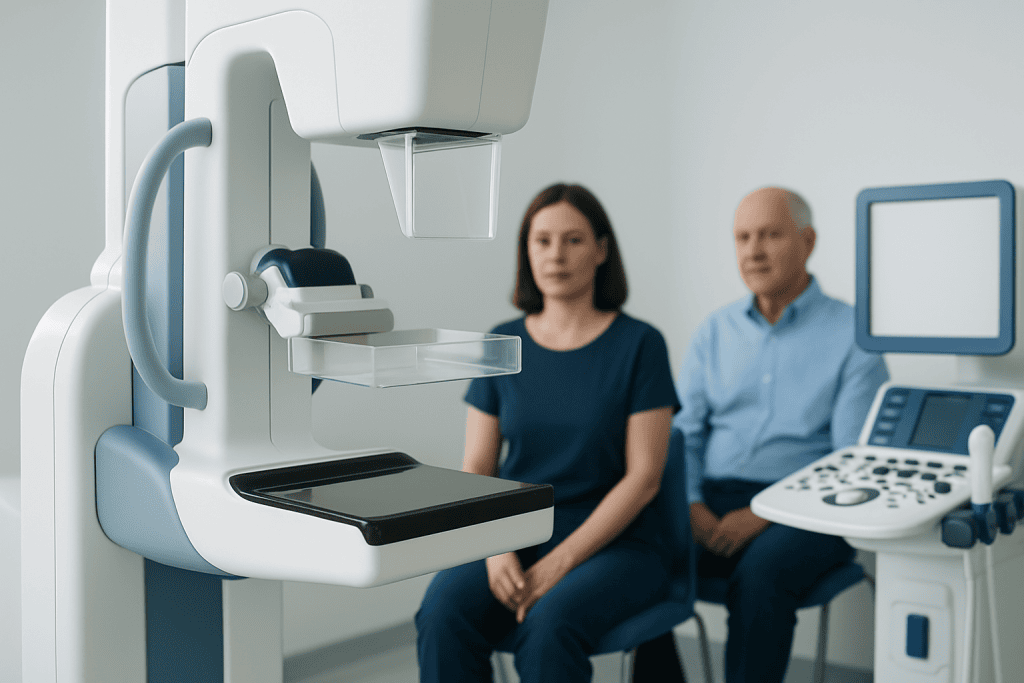
Depending on the symptom, tests may include blood work, urine tests, stool tests, ultrasound, X-ray, mammography, CT, MRI, or endoscopy. For example, a person with breast changes may be referred for breast ultrasound, while someone with rectal bleeding or a lasting change in bowel habits may need colonoscopy. A persistent cough, chest symptoms, or suspicious imaging may lead to lung biopsy if tissue sampling is needed.
In many cases, the only way to confirm or rule out cancer is with a biopsy, which means examining a tissue sample under a microscope. A biopsy can show whether cells are cancerous and, if so, what type they are. If cancer is diagnosed, further testing may be needed to understand its stage and guide treatment.
People often worry that seeking evaluation means the worst is likely. In reality, most concerning symptoms turn out to have other explanations. The purpose of testing is not only to diagnose cancer when present, but also to find treatable non-cancerous causes and provide reassurance when serious disease is excluded.
When to see a doctor
A person should arrange medical review if a symptom is unexplained, lasts more than a few weeks, keeps coming back, or is clearly getting worse. A symptom that disrupts sleep, appetite, work, or daily activities also deserves attention. Trusting a sense that something is not normal can be helpful, especially when there is no obvious reason for the change.
More urgent medical attention is important for symptoms such as coughing up blood, vomiting blood, black or bloody stools, significant shortness of breath, severe pain, sudden weakness, or heavy vaginal bleeding. Any rapidly enlarging mass, a breast change with skin dimpling or nipple changes, or jaundice should also be assessed promptly.
Some symptoms are linked with specific cancers, though they are not diagnostic on their own. For example, a lasting breast lump may lead to evaluation for breast cancer, and persistent rectal bleeding or bowel habit change may prompt assessment for colon cancer. A doctor helps decide which possibilities are most relevant and which tests are appropriate.
Prevention, screening, and self-care
Not all cancers can be prevented, but some risk can be reduced. Avoiding tobacco, limiting alcohol, maintaining a healthy weight, staying physically active, protecting the skin from excessive sun exposure, and following recommended vaccines can all support cancer prevention. Eating a balanced diet and managing long-term medical conditions are also helpful parts of overall health.
Screening is different from checking symptoms. Screening looks for certain cancers before symptoms appear and is recommended only for specific age groups or risk levels. Examples may include mammography, cervical screening, colon cancer screening, and low-dose CT for some people at high risk of lung cancer. A doctor can advise which screening tests are appropriate.
Simple self-care can also make it easier to notice changes early. A person can pay attention to persistent new symptoms, monitor skin changes, be aware of breast or testicular changes, and keep track of symptoms such as bleeding, pain, or weight change. It is helpful to note when a symptom began and what makes it better or worse before a medical appointment.
If further evaluation is needed, care is often coordinated by more than one specialist. Near the end of the diagnostic process or once treatment is planned, some patients seek multidisciplinary oncology care. Acibadem International’s multidisciplinary specialists at JCI-accredited hospitals diagnose and treat cancer for international patients, including services such as medical oncology when appropriate.
Frequently asked questions
Do common cancer warning signs always mean cancer?
No. Many warning signs, such as fatigue, bleeding, cough, or bowel changes, are often caused by non-cancerous conditions. The key issue is whether the symptom is unexplained, persistent, worsening, or unusual for the person.
How long should a symptom last before seeing a doctor?
There is no single rule for every symptom, but a change that lasts more than a few weeks or keeps returning should usually be checked. Earlier review is important if the symptom is severe, involves bleeding, or is getting worse quickly.
What are the most important warning signs not to ignore?
Symptoms that often need prompt medical attention include unexplained weight loss, unusual bleeding, a new lump, a persistent cough, lasting pain, difficulty swallowing, and changes in bowel or bladder habits. Skin changes, sores that do not heal, and ongoing fatigue can also be important.
Can a person have cancer without any symptoms?
Yes. Some cancers cause few or no symptoms in the early stages. That is why recommended screening tests remain important, even for people who feel well.
What tests might be done if cancer is suspected?
A doctor may begin with an examination and basic tests such as blood work or imaging. Depending on the symptom, further tests may include endoscopy, ultrasound, CT, MRI, or a biopsy to examine tissue under a microscope.
Should younger people worry about cancer symptoms too?
Cancer is generally more common with increasing age, but younger people can still develop it. A persistent, unexplained, or clearly abnormal symptom should not be dismissed based on age alone.
References
- World Health Organization
- American Cancer Society
- National Cancer Institute
- Centers for Disease Control and Prevention
- NHS
This article is for general information only and is not a substitute for professional medical advice. Please consult a qualified doctor about your individual situation.
Oncology care in Turkey — second opinion and treatment plan
JCI-accredited · board-certified surgeons · reply within 24h
Add us as a Preferred Source to see more of our trusted health content across Google Search, AI Overviews and Discover.

Medical Oncology Department
Medical treatment of cancer with chemotherapy, immunotherapy and targeted therapies under a multidisciplinary tumor board.
60 specialists in this unit