First Oncology Appointment: What to Expect and How to Prepare

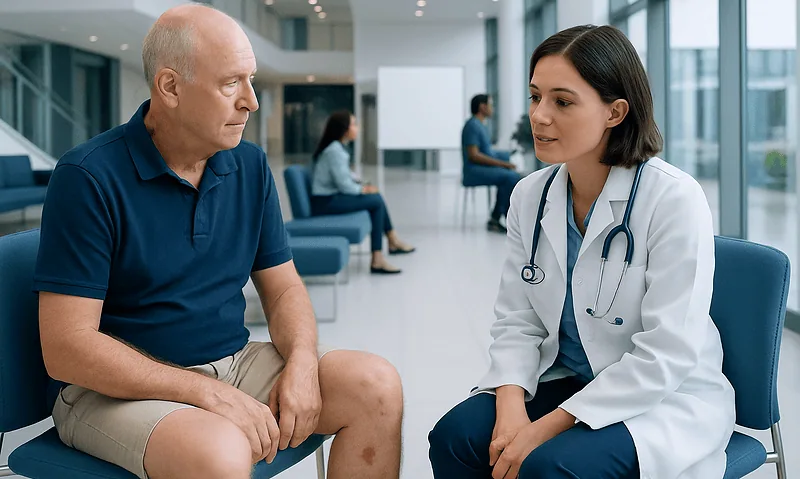
The first oncology appointment usually focuses on reviewing medical history, test results, symptoms, and possible treatment plans. Bringing records, medication lists, imaging reports, and a support person can make the consultation more helpful.
Key Takeaways
- The first oncology appointment usually focuses on reviewing medical history, test results, symptoms, and possible treatment plans.
- Bringing records, medication lists, imaging reports, and a support person can make the consultation more helpful.
- It is normal if treatment decisions are not finalized at the first visit; additional tests are often needed.
- Patients may benefit from preparing written questions about diagnosis, stage, goals of treatment, side effects, and timing.
- Clear communication with the oncology team helps patients understand options and feel more involved in care.
A first oncology appointment is designed to clarify the diagnosis, explain the stage and treatment options, and help the patient understand the next steps. Knowing what to bring, what questions to ask, and how the visit usually unfolds can make the experience feel more manageable.
Overview
A first oncology appointment is often the beginning of a more detailed conversation about a possible or confirmed cancer diagnosis. For many people, this visit brings a mix of concern, uncertainty, and practical questions. In most cases, the main goals are to review the available information, understand what type of cancer may be present, discuss whether more testing is needed, and outline possible treatment options.
An oncologist is a doctor who specializes in cancer care. Depending on the situation, the patient may meet a medical oncologist, surgical oncologist, radiation oncologist, or more than one specialist over time. The first consultation does not always result in an immediate treatment decision. It often serves as an important planning visit where the care team explains the diagnosis in plain language and begins building a personalized care approach.
It can help to know that this appointment is not only about test results. It is also a chance for the patient and family to ask questions, share concerns, and talk about daily life, symptoms, priorities, and support needs. A well-prepared visit can make it easier to understand the next steps and feel more confident moving forward.
What Usually Happens During the First Visit
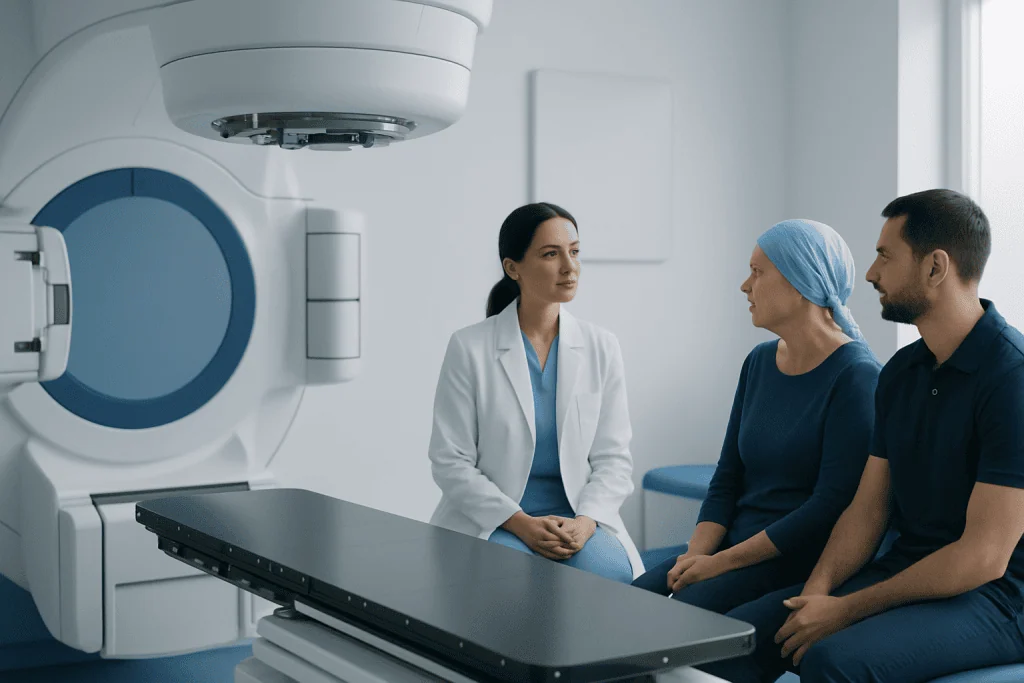
Although each clinic works a little differently, most first oncology appointments follow a similar structure. The oncology team usually reviews the patient’s medical history, family history, current symptoms, medications, allergies, and previous tests. The doctor may also ask about weight changes, pain, fatigue, appetite, smoking history, past illnesses, and any earlier treatments or surgeries.
The oncologist will often explain the diagnosis as clearly as possible, including the type of cancer, where it started, and whether the disease appears localized or has spread. If pathology or imaging results are available, the doctor may discuss them in detail. In some cases, the diagnosis is still being confirmed, and the visit focuses on what additional tests are needed before treatment choices can be made.
A physical examination may be performed, depending on the cancer type and symptoms. The doctor may also talk about likely treatment approaches such as chemotherapy, immunotherapy, targeted therapy, hormone therapy, surgery, or radiation therapy. If appropriate, these options may be discussed alongside supportive services such as nutrition counseling, pain management, fertility counseling, or psychological support.
By the end of the appointment, the patient often leaves with a plan for the next step. This might include more blood tests, imaging, a biopsy review, referral to another specialist, or a follow-up appointment to finalize treatment recommendations.
How to Prepare Before the Appointment
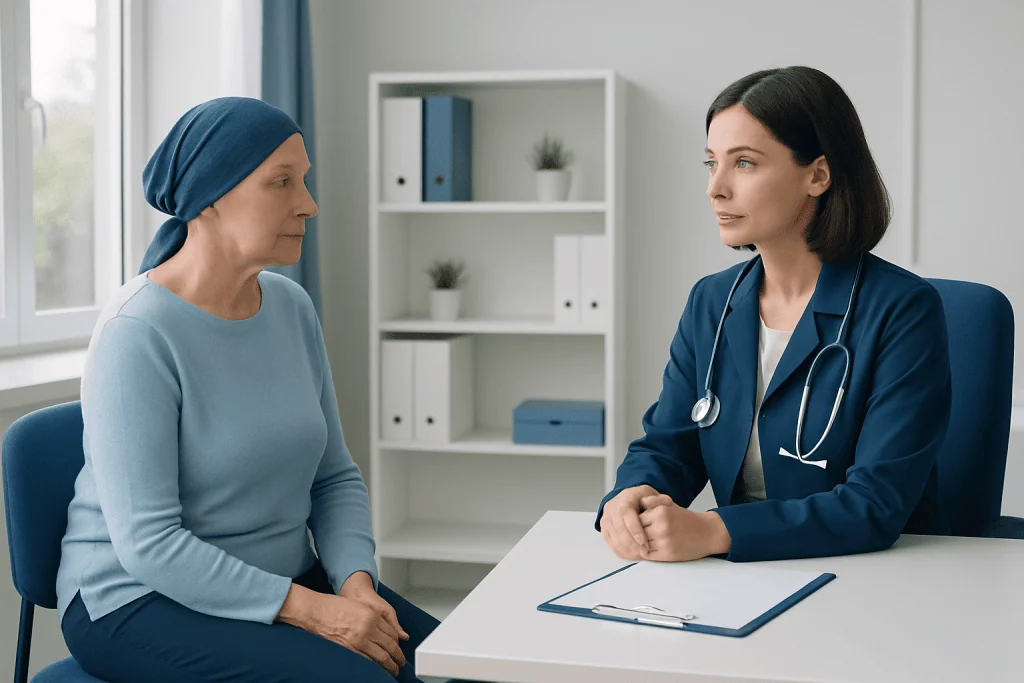
Preparation can make the visit more productive and less overwhelming. If possible, the patient should gather key medical documents in advance. These may include pathology reports, imaging reports, scan discs if requested, recent blood test results, a referral letter, discharge summaries, and any earlier treatment notes. Having this information available can help the oncologist understand the case without unnecessary delays.
It is also useful to bring a current list of medications, vitamins, supplements, allergies, and important past medical conditions. Writing down symptoms ahead of time can be helpful, especially if the patient has pain, bleeding, shortness of breath, changes in bowel or bladder habits, weight loss, fatigue, or new lumps. Notes about when symptoms started and what makes them better or worse can give the doctor valuable context.
Many people find it reassuring to bring a family member or trusted friend. A support person can help take notes, remember details, and provide emotional support. If in-person support is not possible, asking whether someone can join by phone or video may help.
A practical checklist may include:
- Identification and insurance or hospital paperwork, if needed
- Pathology, biopsy, and imaging reports
- A list of medications and allergies
- Questions written in advance
- A notebook or phone for notes
- A support person, if desired
Questions Patients May Want to Ask
It is common to forget questions during an emotional appointment, so writing them down ahead of time can be useful. The first oncology consultation is a good time to ask what type of cancer is suspected or confirmed, how certain the diagnosis is, and whether the cancer stage is already known. If the stage is not yet clear, patients may ask which tests will help determine it.
Questions about treatment are also important. Many patients want to know the goals of treatment, what options exist, how soon treatment should begin, how long treatment may last, and what side effects are most likely. It may also help to ask how treatment could affect work, travel, fertility, appetite, physical activity, and daily routines.
Patients may also ask who will be part of the care team and how communication will happen between visits. Understanding whom to contact for new symptoms, medication questions, or urgent concerns can reduce stress after the appointment. If something is not clear, it is appropriate to ask for the explanation to be repeated in simpler terms.
Some helpful questions include:
- What type of cancer do I have, or what is most strongly suspected?
- Do I need more tests before choosing treatment?
- What are the goals of treatment in my case?
- What side effects should I expect, and how are they managed?
- Should I see a surgeon, radiation oncologist, or another specialist?
- When should I contact the team urgently?
Tests, Staging, and Why More Information May Be Needed
One of the most important parts of early cancer care is confirming the diagnosis and determining the stage. Staging describes how large the cancer is and whether it has spread to nearby lymph nodes or other parts of the body. This information helps guide treatment decisions. However, staging is not always complete at the time of the first oncology appointment.
Additional tests may include blood work, advanced imaging such as CT, MRI, PET-CT, ultrasound, endoscopy, or review of a biopsy by a specialist pathologist. In some situations, the doctor may recommend another biopsy if the original sample was too small or did not answer all necessary questions. Molecular or genetic testing of tumor tissue may also be discussed for certain cancer types because it can influence whether targeted therapies or immunotherapies are appropriate.
Waiting for test results can be stressful, but it often allows the care team to recommend treatment more accurately. A rushed plan based on incomplete information may not be the best plan. Patients can ask how long results are expected to take and what decisions will depend on them.
If procedures or treatments are discussed, the oncologist may explain options such as chemotherapy, radiation therapy, or immunotherapy when these are relevant to the diagnosed cancer. The exact sequence and combination depend on the cancer type, stage, general health, and treatment goals.
Understanding Treatment Planning and Supportive Care
Treatment planning in oncology is often personalized and may involve more than one specialty. Some patients begin with surgery, while others start with drug therapy or radiation. In many cases, treatment recommendations are discussed by a multidisciplinary team that may include oncologists, surgeons, radiologists, pathologists, nurses, and other specialists. This team-based approach helps match treatment to the specific diagnosis and the patient’s health needs.
The first appointment may include a discussion of benefits, risks, side effects, and expected timelines. The doctor may explain whether treatment is intended to cure the cancer, control it, reduce symptoms, or lower the risk of recurrence. Patients should feel comfortable asking how treatment success will be measured and what follow-up will look like over time.
Supportive care is an important part of cancer treatment from the start, not only later on. This may include symptom control, nutritional advice, emotional support, rehabilitation, pain management, and help with sleep or fatigue. For some patients, discussions may also include preserving fertility before treatment begins or seeking input from additional specialists for conditions such as breast cancer or lung cancer when care pathways differ by cancer type.
Near the end of the process, some people seek care in centers that offer coordinated services under one roof. Acibadem International’s multidisciplinary specialists and JCI-accredited hospitals diagnose and treat cancer for international patients, with care plans guided by the individual’s diagnosis and overall health.
Practical and Emotional Self-Care After the Appointment
After the first oncology appointment, it is normal to feel mentally tired or emotionally overloaded. Even when the doctor explains things clearly, remembering every detail can be difficult. Reviewing notes afterward, asking a family member to go over the conversation, or requesting written summaries can help make the information easier to process.
Patients may benefit from focusing on manageable next steps rather than trying to solve everything at once. That may mean scheduling tests, organizing medical records, arranging time off work, planning transport, or preparing questions for the next visit. Reliable support from family, friends, cancer nurse specialists, counselors, or patient support groups can also be helpful.
Good self-care during this period includes eating as well as possible, staying hydrated, resting, and keeping up with gentle movement if the doctor agrees. It can also help to limit time spent on unreliable online sources, which may increase confusion. Information is most useful when it comes from qualified healthcare professionals and trusted medical organizations.
When to Contact the Medical Team
Before leaving the clinic, patients should understand how to contact the oncology team with concerns. This is especially important if there are troubling symptoms before treatment starts or if new problems develop after tests or procedures. The team can explain which symptoms should be reported promptly and which can wait until the next appointment.
Urgent contact is usually appropriate for symptoms such as severe pain, difficulty breathing, significant bleeding, high fever, confusion, dehydration, or rapidly worsening weakness. The exact advice may differ depending on the suspected cancer, recent procedures, and other health conditions. If there is any doubt, it is safest to contact the medical team or seek urgent medical attention.
Patients should also reach out if they do not understand the next step, cannot obtain the recommended tests, or feel uncertain about the plan. Clear communication is part of good cancer care. A first oncology appointment is the start of an ongoing relationship, and follow-up questions are both common and appropriate.
Frequently asked questions
How long does a first oncology appointment usually take?
The length varies, but first visits are often longer than routine appointments because the doctor needs time to review records, explain findings, and discuss next steps. Many patients should expect a detailed consultation rather than a brief visit.
Will treatment start at the first oncology appointment?
Not always. Some people need more tests, pathology review, or staging information before the treatment plan can be finalized. In other cases, the oncologist may discuss starting treatment soon and explain the timeline.
Should someone come with the patient to the appointment?
Many patients find it helpful to bring a family member or friend for support. A second person can take notes, help remember instructions, and provide reassurance during a stressful visit.
What documents should be brought to the first oncology consultation?
Useful items include pathology reports, biopsy results, imaging reports, scan discs if requested, blood test results, referral letters, medication lists, and allergy information. Bringing organized records can help the oncologist review the case more efficiently.
What if the patient does not understand the diagnosis or plan?
It is appropriate to ask the doctor to explain the information again in simpler terms. Patients can also request written summaries, take notes, or ask follow-up questions at the next visit or by contacting the clinic.
Is it normal to feel anxious before a first oncology appointment?
Yes, anxiety is very common before this type of visit. Preparing questions, bringing support, and understanding that the appointment is meant to provide clarity and a plan can help reduce some uncertainty.
References
- National Cancer Institute
- American Society of Clinical Oncology
- European Society for Medical Oncology
- National Health Service
- World Health Organization
This article is for general information only and is not a substitute for professional medical advice. Please consult a qualified doctor about your individual situation.
Oncology care in Turkey — second opinion and treatment plan
JCI-accredited · board-certified surgeons · reply within 24h
Add us as a Preferred Source to see more of our trusted health content across Google Search, AI Overviews and Discover.

Medical Oncology Department
Medical treatment of cancer with chemotherapy, immunotherapy and targeted therapies under a multidisciplinary tumor board.
60 specialists in this unit