Your First Oncology Appointment: Step-by-Step Guide for New Patients

The first oncology appointment usually includes a medical history, physical exam, and review of biopsy and imaging results. Patients often discuss the cancer type, stage, treatment goals, and whether more tests are needed.
Key Takeaways
- The first oncology appointment usually includes a medical history, physical exam, and review of biopsy and imaging results.
- Patients often discuss the cancer type, stage, treatment goals, and whether more tests are needed.
- Bringing records, medication lists, insurance information, and written questions can make the visit smoother.
- A support person can help with note-taking, emotional support, and remembering important details.
- It is appropriate to ask about treatment options, side effects, timing, second opinions, and daily life during care.
A first oncology appointment helps a new patient understand the diagnosis, review test results, and discuss the next steps in care. Knowing what usually happens during the visit can make the experience feel more structured and less overwhelming.
Overview: What a First Oncology Appointment Is For
A first oncology appointment is an initial specialist visit for a person who has been diagnosed with cancer, may have cancer, or has been referred because of an abnormal test result. The main purpose is to gather accurate information, confirm what is already known, identify what still needs clarification, and create a safe plan for the next steps. For many patients, this visit is the beginning of a longer care journey, so it is designed to be thorough rather than rushed.
During this appointment, the oncologist usually reviews pathology reports, imaging scans, blood tests, symptoms, and personal medical history. The doctor may explain the likely diagnosis, how far the condition may have spread, and whether more testing is needed before treatment decisions can be finalized. In some cases, the visit is mainly informational; in others, treatment planning begins right away.
It is common for patients and families to feel anxious before the first oncology consultation. That response is understandable. A clear agenda can help: understand the diagnosis, learn the treatment options, ask practical questions, and leave with a plan. When possible, bringing a family member or trusted friend can make it easier to remember details and feel supported.
How to Prepare Before the Visit
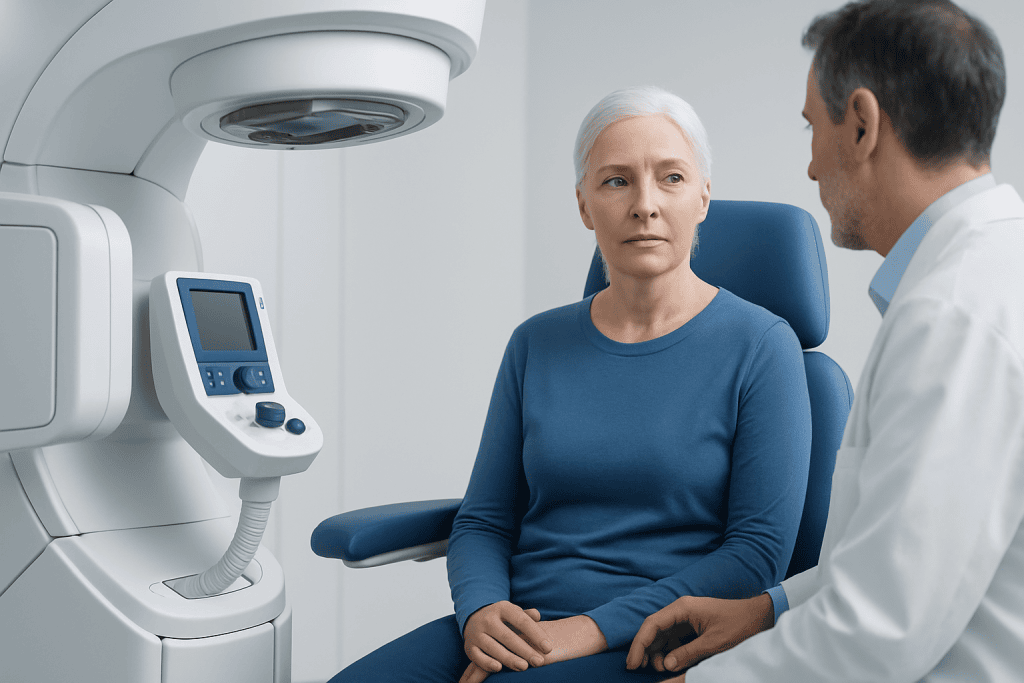
Preparation can make the first oncology appointment more productive. Patients are often asked to bring identification, insurance documents if relevant, referral papers, and copies of prior test results. Helpful records include biopsy or pathology reports, radiology reports, scan discs, blood test results, hospital discharge summaries, and a list of current doctors. If these are already shared electronically, it is still useful to confirm what the oncology team has received.
A written medication list is important. It should include prescription medicines, over-the-counter pain relievers, vitamins, supplements, and herbal products. Some substances can affect bleeding, anesthesia, or how cancer treatments work. The doctor may also ask about allergies, past surgeries, smoking history, alcohol use, family history of cancer, and previous radiation exposure.
It can also help to prepare a short symptom timeline. Patients may note when symptoms began, what makes them better or worse, and whether they have experienced pain, fatigue, weight loss, fevers, bleeding, bowel changes, breathing problems, or appetite changes. Writing down questions in advance is one of the best ways to reduce stress and avoid forgetting important concerns during the visit.
- Bring records, scan reports, and pathology results if available.
- Prepare a medication and supplement list.
- Write down symptoms and when they started.
- Bring a notebook, phone, or printed questions.
- Consider taking a support person to the visit.
What Usually Happens During the Appointment

The visit often begins with registration, nursing intake, and a review of vital signs such as blood pressure, pulse, temperature, weight, and oxygen levels. A nurse or clinical assistant may ask about current symptoms, medications, prior illnesses, and recent tests. This information helps the oncologist understand the full picture before entering the consultation room.
The oncologist then takes a detailed medical history and discusses the reason for referral. Patients may be asked what they already understand about the diagnosis and what they have been told so far. This part of the conversation can be helpful because it gives the doctor a chance to explain complex information in plain language and correct misunderstandings. The doctor may also perform a focused physical examination depending on the suspected or confirmed cancer type.
After that, the doctor typically reviews key findings from biopsy reports, blood tests, and imaging such as CT, MRI, PET, ultrasound, or mammography. The oncologist may explain whether the findings are definite or whether more information is needed. If the diagnosis is confirmed, the discussion often turns to cancer type, grade, stage, possible treatment goals, and whether care will involve medical oncology, surgery, radiation oncology, or a combination of specialties.
In some centers, new patients are discussed within a multidisciplinary team so that specialists can coordinate care. Depending on the situation, the patient may later be referred for PET-CT imaging, radiotherapy, or chemotherapy after the diagnosis and treatment plan are clarified.
Understanding Diagnosis, Staging, and Treatment Planning
One of the most important parts of a first oncology appointment is understanding the diagnosis as clearly as possible. Cancer care often depends on several details, including the exact cell type, tumor location, grade, stage, and whether specific biomarkers or genetic changes are present. These details help guide which treatments are most likely to be helpful and whether treatment should begin immediately or after more testing.
Staging describes how much cancer is present and whether it has spread. The staging process may involve imaging scans, blood work, additional biopsies, endoscopy, or other specialized tests. Patients do not need to memorize every medical term, but it is reasonable to ask the doctor to explain the stage in straightforward language and what it means for treatment options and overall goals of care.
Treatment planning is usually individualized. The doctor may discuss whether the aim is cure, long-term control, shrinking the tumor before surgery, reducing the risk of recurrence after surgery, or relieving symptoms. Some patients benefit from surgery first, while others start with medicines such as immunotherapy or chemotherapy, or with radiotherapy. The oncologist may also explain whether a second opinion, molecular testing, fertility preservation, or supportive care services should be considered before treatment begins.
Questions Patients May Want to Ask
Questions are a central part of the first oncology appointment. Most oncologists expect patients to ask for clarification and appreciate when concerns are openly shared. Because the amount of information can feel heavy, it may help to focus first on the diagnosis, the immediate next steps, and anything that could affect safety at home before the next visit.
Helpful questions often include: What type of cancer is this? Has it spread? What additional tests are still needed? What are the treatment options, and what is the goal of each one? What side effects are common, and which symptoms should prompt urgent medical attention? Patients may also ask how quickly treatment should start, whether a port, surgery, or hospital stay may be needed, and how treatment could affect work, travel, exercise, fertility, or family life.
Practical questions matter too. Patients may ask who to contact between visits, how test results will be shared, whether nutrition counseling or psychological support is available, and whether they should change any medications or supplements. If something is unclear, it is always appropriate to ask the doctor to repeat or rephrase the explanation.
- What is the exact diagnosis?
- Do I need more tests before treatment starts?
- What treatment do you recommend first, and why?
- What side effects are most likely, and how are they managed?
- Should I seek a second opinion?
- Who do I call if new symptoms appear?
Emotional Support and Practical Planning
A new cancer consultation is not only a medical event; it is also an emotional one. Many people feel fear, confusion, sadness, or numbness. Others feel relieved to finally be meeting a specialist and getting answers. There is no single correct reaction. Patients may find it helpful to bring a trusted companion, ask permission to record the discussion if the clinic allows it, or request written summaries of the plan.
Practical planning after the first oncology appointment can reduce uncertainty. This may include arranging transportation, child or elder care, time away from work, or help with meals during treatment. Some patients benefit from speaking with a social worker, nurse navigator, psychologist, dietitian, or palliative care professional early in the process. Supportive care is not only for advanced disease; it can help at any stage by improving comfort, coping, and quality of life.
Reliable information also matters. It is easy to feel overwhelmed by online advice, especially when details do not match an individual’s diagnosis. In general, patients should rely on their own oncology team and recognized health organizations for guidance. Near the start of treatment, the team may also explain warning symptoms such as fever, severe vomiting, sudden bleeding, or breathing trouble that require urgent attention.
After the Visit: Next Steps and Follow-Up
At the end of the first oncology appointment, the patient usually leaves with a plan, even if some questions remain. That plan may include additional scans, blood tests, biopsy review, surgery consultation, radiation oncology consultation, or a follow-up oncology visit to finalize treatment. Patients should make sure they understand what is happening next, who will arrange it, and when results are expected.
It is useful to review notes soon after getting home. If a support person attended, comparing what each person heard can be helpful. Questions often arise after the appointment, so patients should know how to contact the clinic. Many centers provide telephone support lines or patient portals for non-urgent questions, prescription requests, and test updates.
Some patients also wish to ask about second opinions, especially when treatment choices are complex. This is a normal part of cancer care and can help patients feel more confident in the plan. If a condition such as breast cancer or lung cancer is suspected or confirmed, care often involves several specialists working together. Acibadem International’s multidisciplinary specialists and JCI-accredited hospitals diagnose and treat cancer for international patients, with coordinated evaluation and follow-up when appropriate.
If the diagnosis is still uncertain after the first visit, that does not necessarily mean the situation is worse. Cancer diagnosis and staging sometimes require careful step-by-step confirmation. A thoughtful process helps the team choose the safest and most effective next step for the individual patient.
When to Contact the Medical Team Urgently
Before treatment begins, the oncology team may tell patients which symptoms need urgent review. In general, patients should seek prompt medical advice for high fever, shaking chills, new shortness of breath, chest pain, confusion, severe dehydration, uncontrolled vomiting, heavy bleeding, sudden weakness, or rapidly worsening pain. These symptoms do not always mean cancer is progressing, but they do need timely assessment.
Patients should also contact the clinic if they are unable to eat or drink, have new swelling in the face or legs, develop yellowing of the skin or eyes, or experience a sudden change in bowel or bladder function. If treatment has already started, the team may provide more specific instructions based on the medicines being used.
For non-urgent concerns, it is still important to speak up. Problems such as sleep difficulty, poor appetite, constipation, anxiety, and mild pain are common and often manageable with early support. No patient needs to wait until symptoms become severe before asking for help.
Frequently asked questions
How long does a first oncology appointment usually take?
It varies by clinic and by how complex the case is. Many first visits are longer than routine appointments because the doctor needs time to review records, examine the patient, and explain the next steps. Patients should allow extra time in case additional forms or tests are needed.
Should a family member or friend come to the appointment?
Many patients find it helpful to bring someone they trust. A support person can take notes, help remember information, and provide emotional comfort. If a patient prefers to attend alone, that is also completely acceptable.
Will treatment start at the first oncology appointment?
Sometimes, but not always. Some people need more tests before treatment can be chosen safely, while others may be able to start planning right away. The first visit often focuses on understanding the diagnosis and building the treatment plan.
What if the patient does not understand the medical terms?
It is appropriate to ask the oncologist to explain words in simpler language. Doctors expect questions and want patients to understand their condition and options. Asking for written notes or a summary can also help.
Is it okay to ask for a second opinion?
Yes. Second opinions are common in oncology, especially when treatment decisions are complex or more than one reasonable option exists. Most specialists understand this and can help arrange transfer of records if needed.
What should a patient bring to the first oncology appointment?
Useful items include identification, prior test results, pathology and scan reports, a medication list, referral papers, and written questions. If possible, patients should also bring the names of current doctors and details about allergies and past medical history.
References
- National Cancer Institute
- American Society of Clinical Oncology
- World Health Organization
- National Comprehensive Cancer Network
- European Society for Medical Oncology
This article is for general information only and is not a substitute for professional medical advice. Please consult a qualified doctor about your individual situation.
Oncology care in Turkey — second opinion and treatment plan
JCI-accredited · board-certified surgeons · reply within 24h
Add us as a Preferred Source to see more of our trusted health content across Google Search, AI Overviews and Discover.
Check your numbers in seconds
BMI, calories, due date, blood pressure and 30+ more clinical calculators — free, instant, doctor-reviewed ranges.

Medical Oncology Department
Medical treatment of cancer with chemotherapy, immunotherapy and targeted therapies under a multidisciplinary tumor board.
60 specialists in this unit