Chemotherapy vs Immunotherapy: Key Differences for Patients

Chemotherapy directly attacks rapidly dividing cells, while immunotherapy helps the immune system recognize and fight cancer. Not every cancer responds to immunotherapy, and some cancers are still best treated with chemotherapy or a combination approach.
Key Takeaways
- Chemotherapy directly attacks rapidly dividing cells, while immunotherapy helps the immune system recognize and fight cancer.
- Not every cancer responds to immunotherapy, and some cancers are still best treated with chemotherapy or a combination approach.
- Side effects differ: chemotherapy often causes hair loss, nausea, and low blood counts, while immunotherapy can trigger immune-related inflammation in organs.
- Treatment choice depends on cancer type, stage, biomarkers, overall health, and treatment goals.
- Patients need regular monitoring with either treatment to assess response and manage side effects safely.
Chemotherapy and immunotherapy are both important cancer treatments, but they work in very different ways. Understanding these differences can help patients discuss goals, benefits, risks, and expectations with their care team.
Overview: How Chemotherapy and Immunotherapy Differ
When patients hear about cancer treatment, two terms often come up: chemotherapy and immunotherapy. Both are used to treat cancer, but they are not the same. The main difference is how they work inside the body. Chemotherapy uses medicines that destroy cancer cells directly, especially cells that grow and divide quickly. Immunotherapy works differently by helping the body’s own immune system identify and attack cancer cells.
Because these treatments act in different ways, they may be used for different cancers, at different stages, or even together. Some patients receive chemotherapy alone. Others may receive immunotherapy alone, or as part of a broader plan that also includes surgery, radiation therapy, or targeted treatment. In many cases, doctors recommend treatment based on the specific biology of the cancer rather than using one method for every patient.
For patients, the most helpful question is usually not which treatment is “better,” but which treatment is most appropriate for their diagnosis and goals. A person’s cancer type, stage, general health, previous treatments, and laboratory test results all influence the decision. A thoughtful discussion with an oncology team can clarify what each treatment is designed to do and what to expect during care.
How Chemotherapy Works
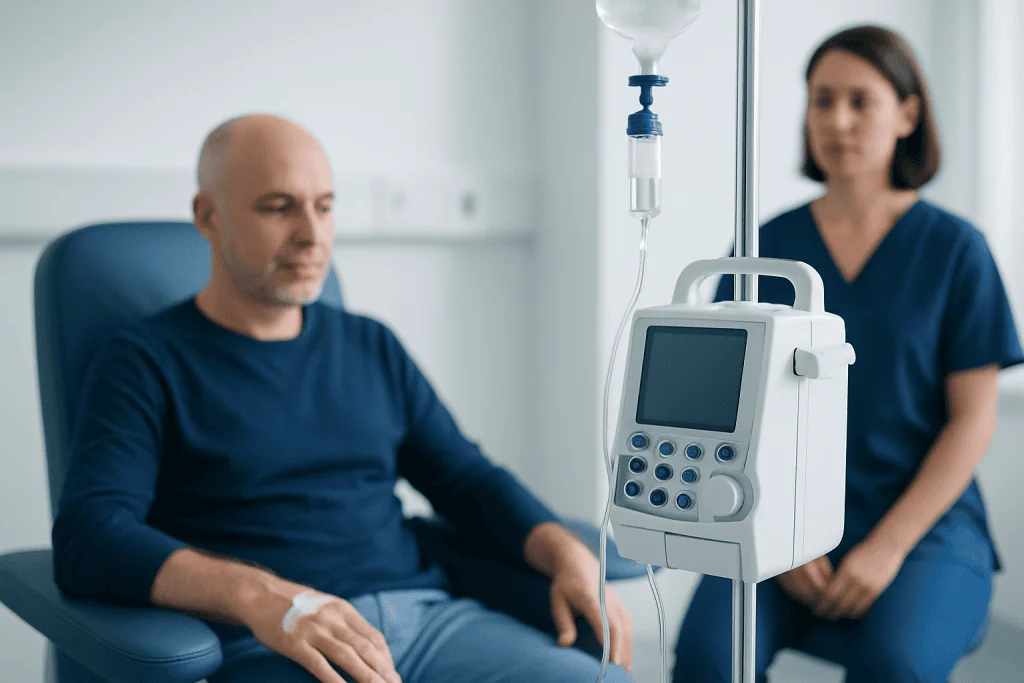
Chemotherapy is a long-established cancer treatment that uses drugs to kill cancer cells or stop them from multiplying. Cancer cells often divide faster than normal cells, and chemotherapy is especially effective against rapidly growing cells. These medicines may be given by vein, by mouth, or sometimes by injection, depending on the treatment plan.
One important point for patients to understand is that chemotherapy does not only affect cancer cells. It can also affect healthy cells that divide quickly, such as those in the hair follicles, digestive tract, bone marrow, and reproductive system. This is why side effects like hair loss, nausea, mouth sores, fatigue, and low blood counts can happen. Even so, many side effects can now be prevented or reduced with supportive care.
Chemotherapy may be used for several purposes. It can shrink a tumor before surgery, lower the risk of cancer returning after surgery, control advanced cancer, or relieve symptoms caused by the disease. In some situations, it is part of a combined treatment plan with medical oncology care and other therapies. The exact drug combination, schedule, and duration vary widely from one cancer to another.
How Immunotherapy Works
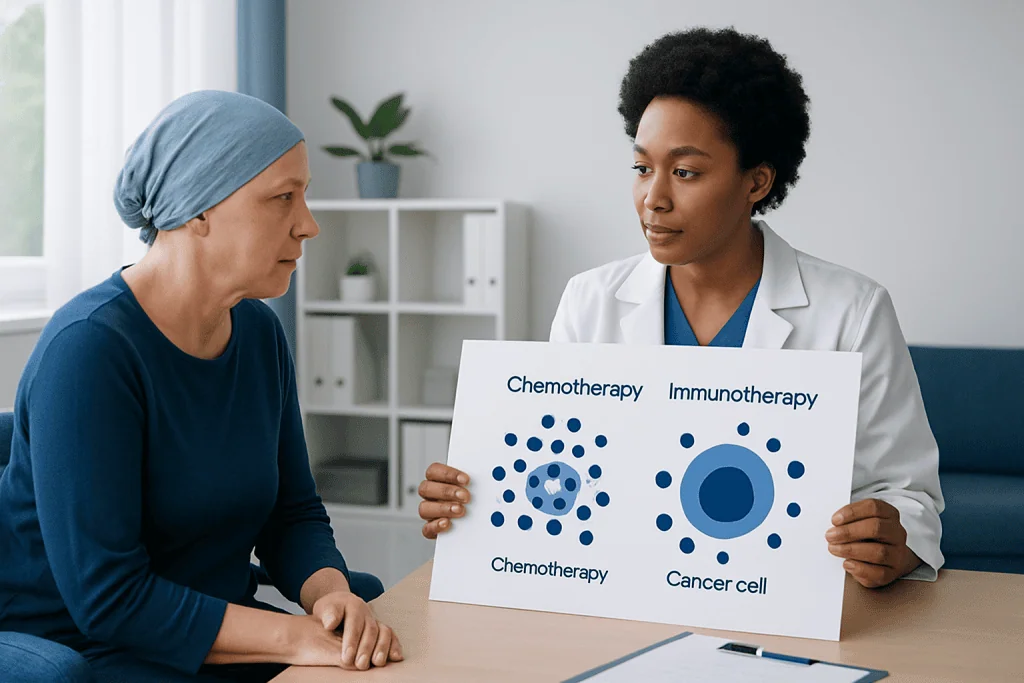
Immunotherapy is a newer category of cancer treatment that aims to strengthen or guide the immune system’s natural ability to fight disease. Under normal conditions, the immune system can detect abnormal cells. However, cancer cells may develop ways to hide from immune defenses or switch off immune responses. Immunotherapy helps remove some of those barriers.
There are several types of immunotherapy. One common group is checkpoint inhibitors, which block signals that prevent immune cells from attacking cancer. Other forms include monoclonal antibodies, cancer vaccines, and cell-based treatments in selected settings. Not all immunotherapies work the same way, and not all cancers respond to them. Doctors often use biomarker testing to see whether immunotherapy is likely to help.
Immunotherapy can produce long-lasting responses in some patients, but it may also cause a different set of side effects than chemotherapy. Because it activates immune activity, it can sometimes lead the immune system to inflame healthy organs such as the skin, lungs, liver, intestines, thyroid, or other glands. These effects are often manageable when recognized early, which is why prompt reporting of new symptoms is so important.
Symptoms, Side Effects, and What Patients May Notice
The experience of treatment varies from person to person, but chemotherapy and immunotherapy often produce different patterns of side effects. Chemotherapy side effects usually happen because healthy fast-growing cells are affected along with cancer cells. Patients may notice tiredness, hair thinning or hair loss, nausea, vomiting, appetite changes, constipation or diarrhea, mouth sores, numbness in hands or feet, and increased risk of infection due to low white blood cell counts.
Immunotherapy side effects may be less obvious at first, but they should not be ignored. Since these treatments can stimulate the immune system, some patients develop skin rash, itching, cough, shortness of breath, diarrhea, abdominal pain, joint pain, or unusual tiredness. In some cases, hormone glands such as the thyroid or adrenal glands are affected, which can change energy level, weight, mood, or body temperature regulation.
It is helpful for patients and families to know that side effects do not always reflect whether treatment is working. A patient can respond well with mild side effects, or struggle with side effects while the cancer shows limited benefit. The key is regular communication with the care team. Reporting symptoms early often allows doctors to treat problems before they become more serious.
- Chemotherapy side effects often relate to low blood counts and digestive upset.
- Immunotherapy side effects often relate to inflammation caused by immune activation.
- Both treatments can cause fatigue and need close follow-up.
- Urgent symptoms such as fever, breathing difficulty, severe diarrhea, or confusion should be reported right away.
Who May Benefit and How Doctors Choose Between Them
Choosing between chemotherapy and immunotherapy is not a simple matter of preference. Doctors base the decision on the type of cancer, how advanced it is, where it started, whether it has spread, and whether the tumor has certain biomarkers. Some cancers are known to respond well to immunotherapy when specific markers are present. Others are more likely to respond to chemotherapy, especially when fast disease control is needed.
Biomarker testing has become especially important in oncology. Tissue from a biopsy or surgery may be tested for proteins, gene changes, or other features that guide treatment. For example, some tumors express markers that suggest checkpoint inhibitors may work. In other cases, doctors may recommend a different approach such as targeted therapy or a treatment combination that includes chemotherapy and immunotherapy together.
Overall health also matters. A patient’s age alone does not decide treatment, but heart, lung, kidney, liver, and immune function can influence what is safest. Previous autoimmune disease may be relevant when considering immunotherapy, while low bone marrow reserve may affect chemotherapy choices. In many situations, a multidisciplinary tumor board helps build an individualized plan that balances expected benefit with quality of life.
Diagnosis, Testing, and Monitoring During Treatment
Before starting treatment, doctors need a clear diagnosis and a detailed understanding of the cancer. This usually begins with imaging tests, blood work, and a biopsy. The biopsy confirms the cancer type and can provide the tissue needed for molecular and immune-marker testing. These results help the oncology team decide whether chemotherapy, immunotherapy, or another option is most suitable.
Monitoring continues throughout treatment. Blood tests are commonly used to check organ function, blood cell levels, and signs of inflammation. Imaging studies such as CT, MRI, or PET scans may be repeated to see whether the tumor is shrinking, stable, or growing. Follow-up is important because both chemotherapy and immunotherapy can have effects that are not immediately visible to the patient.
Patients should also understand that response patterns can differ. With chemotherapy, shrinkage may sometimes be seen relatively quickly. With immunotherapy, the picture can be more complex. Some tumors appear stable before improving, and in rare situations scans can look temporarily worse because immune cells are entering the tumor. This is one reason treatment decisions should be made by oncology specialists familiar with the full clinical context, including PET-CT imaging when appropriate.
Treatment Options, Combination Therapy, and Supportive Care
For some patients, the decision is not chemotherapy or immunotherapy, but chemotherapy and immunotherapy together. Combination treatment may improve outcomes in selected cancers because chemotherapy can damage cancer cells while immunotherapy helps the immune system respond more effectively. In other cases, one treatment is given first and another later, depending on how the disease behaves over time.
Supportive care is an essential part of either approach. Anti-nausea medicines, growth factor support, infection prevention, hydration, nutritional support, pain control, and fatigue management can make treatment more tolerable. For immunotherapy, supportive care may include corticosteroids or other medicines if immune-related inflammation occurs. The goal is to treat the cancer while also protecting daily function and overall well-being.
Patients may also hear about surgery or radiation as part of their plan. These are often used together with drug treatment in cancer care. For example, a patient with a localized tumor may receive chemotherapy before surgery, while another with advanced disease may need systemic therapy first. Depending on the diagnosis, care may involve evaluation in related services such as radiation oncology.
Near the end of planning and treatment, many patients value care from a center where different specialists work together. Acibadem International’s multidisciplinary specialists and JCI-accredited hospitals diagnose and treat cancer for international patients, with treatment plans guided by tumor type, stage, and individual needs.
Self-care, Questions to Ask, and When to Contact a Doctor
Patients can support treatment by keeping a symptom diary, staying hydrated, following food safety advice, getting enough rest, and taking medicines exactly as prescribed. Gentle physical activity may help with fatigue in some people, but energy levels can vary greatly. Patients should always ask before starting supplements or herbal products, because some may interfere with treatment.
Preparing questions ahead of appointments can make discussions easier. Helpful topics include the goal of treatment, expected benefits, common side effects, warning signs that need urgent attention, whether biomarker testing has been done, and how success will be measured. It may also help to ask whether a second opinion would be useful, especially for complex or newly diagnosed cancers such as lung cancer.
Patients should contact their care team promptly for fever, chills, severe vomiting, ongoing diarrhea, dehydration, unusual bleeding, new rash, jaundice, chest pain, shortness of breath, confusion, or sudden weakness. Early action is especially important because treatment-related side effects can usually be managed more safely when recognized quickly. Reassurance and clear communication are an important part of high-quality oncology care.
Frequently asked questions
Is immunotherapy better than chemotherapy?
Not necessarily. Immunotherapy can work very well for some cancers and some patients, but it does not help everyone. Chemotherapy remains an important and effective treatment, and the best option depends on the cancer type, biomarkers, stage, and treatment goals.
Can a patient receive chemotherapy and immunotherapy together?
Yes, some patients receive both as part of a combined treatment plan. This approach is used in certain cancers when specialists believe the treatments may work better together. The decision depends on the diagnosis, expected benefit, and the patient’s overall health.
Which treatment has more side effects?
They cause different kinds of side effects rather than one always being harder than the other. Chemotherapy commonly affects blood counts, hair, and the digestive system, while immunotherapy can cause immune-related inflammation in organs. Both need careful monitoring by an oncology team.
How do doctors know if immunotherapy will work?
Doctors often use biomarker tests on tumor tissue or blood to look for signs that immunotherapy may be helpful. These markers vary by cancer type. Even with testing, response cannot be guaranteed, so regular scans and follow-up are still needed.
Does immunotherapy cause hair loss like chemotherapy?
Hair loss is much more commonly associated with chemotherapy than with immunotherapy. However, treatment experiences differ, and some patients may notice hair changes for other reasons during cancer care. Any new or unexpected symptom should be discussed with the care team.
How long do these treatments last?
Treatment length varies widely. Some chemotherapy plans are given in cycles over a few months, while immunotherapy may continue longer if it is working and side effects remain manageable. The exact schedule depends on the cancer, the medicines used, and the patient’s response.
References
- National Cancer Institute
- American Society of Clinical Oncology
- European Society for Medical Oncology
- National Comprehensive Cancer Network
- World Health Organization
This article is for general information only and is not a substitute for professional medical advice. Please consult a qualified doctor about your individual situation.
Immunotherapy in Turkey — costs, top hospitals & a free quote
JCI-accredited · board-certified surgeons · reply within 24h
Add us as a Preferred Source to see more of our trusted health content across Google Search, AI Overviews and Discover.

Medical Oncology Department
Medical treatment of cancer with chemotherapy, immunotherapy and targeted therapies under a multidisciplinary tumor board.
60 specialists in this unit