

Dental Crown Recovery: Healing Timeline and Aftercare

Mild tenderness, temperature sensitivity, and pressure awareness are common after a dental crown. Most discomfort improves within a few days, but full adjustment can take a few weeks.
Key Takeaways
- Mild tenderness, temperature sensitivity, and pressure awareness are common after a dental crown.
- Most discomfort improves within a few days, but full adjustment can take a few weeks.
- Good oral hygiene, softer foods, and avoiding sticky or very hard foods help protect the crown.
- A crown that feels too high, loose, or painful should be checked by a dentist promptly.
- Temporary crowns need extra care because they are more likely to come off than permanent crowns.
Dental crown recovery is usually straightforward. Most people have mild sensitivity or gum soreness for a few days, while the tooth and bite may take a little longer to feel fully natural.
Overview of Dental Crown Recovery
A dental crown is a custom-made cap that covers a damaged, weak, or heavily restored tooth. It is designed to protect the tooth, restore its shape, and improve function. Recovery after a crown procedure is generally mild compared with many other dental treatments, but some short-term sensitivity or soreness is common as the tooth, surrounding gum tissue, and bite settle.
The recovery experience can vary depending on why the crown was needed. A crown placed after a simple tooth preparation may cause only minimal discomfort. If the tooth had deep decay, a large filling, or root canal treatment beforehand, recovery may feel slightly different. Some people also have a temporary crown before the final permanent crown is fitted, and this stage often requires extra caution.
Most people return to normal daily activities the same day. In the first few days, it is common to notice pressure sensitivity when biting, mild gum irritation, or increased awareness of hot and cold foods. These symptoms usually improve steadily. If symptoms worsen instead of getting better, a dental review is important.
Healing Timeline: What to Expect
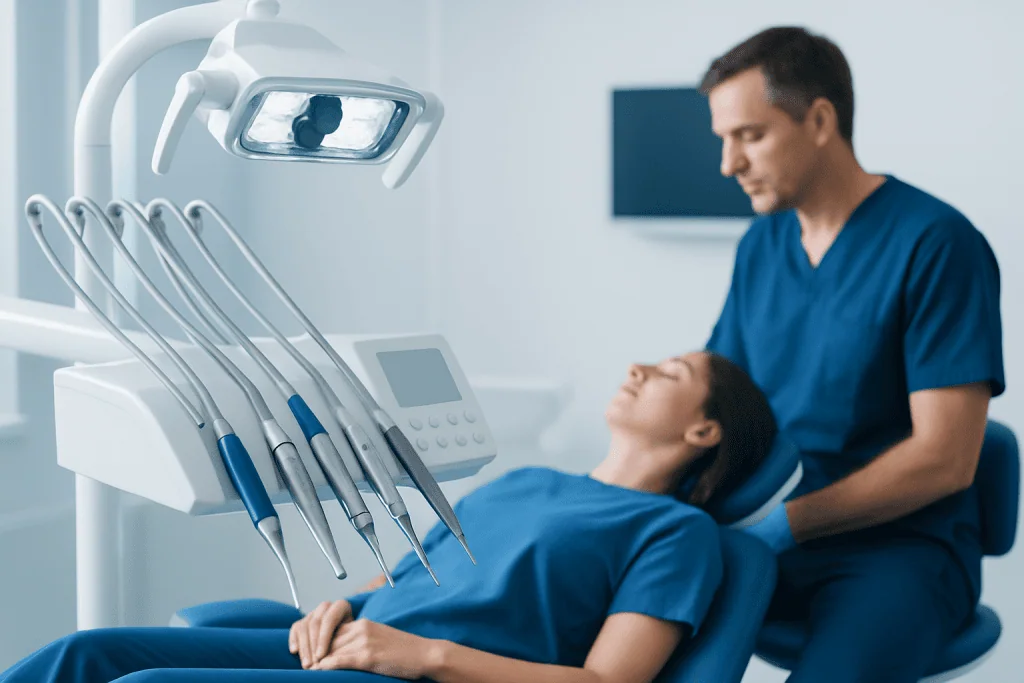
In the first 24 to 48 hours, the most common issues are numbness wearing off, mild jaw soreness from keeping the mouth open, and tenderness around the gum line. If a local anesthetic was used, normal feeling typically returns within a few hours. During this early period, it helps to avoid chewing until numbness has fully worn off to prevent accidentally biting the cheek or tongue.
Over the next several days, sensitivity to cold, heat, or pressure may continue, especially if the tooth still has a living nerve. This often settles as the tooth calms down and the crown-cement bond stabilizes. Some people notice that the crown feels slightly different from the natural teeth at first. This sensation is common and often improves as the mouth adapts.
By one to two weeks, most mild symptoms should be clearly improving or gone. If the crown is well fitted, biting should feel comfortable and chewing should become more natural. Temporary crowns may feel less smooth or secure than permanent crowns, so they can remain a little more noticeable until the final restoration is placed.
Full adjustment sometimes takes a few weeks, particularly if the bite was changed or if the tooth was already sensitive before treatment. A crown should not cause ongoing sharp pain, increasing swelling, or persistent difficulty biting. These are signs that the fit, bite, or the tooth itself may need to be reassessed, especially after dental crown treatment.
Common Symptoms After a Dental Crown

Many symptoms after crown placement are expected and temporary. Mild discomfort does not necessarily mean there is a problem. The tooth has been shaped, the gum tissue may have been irritated during the procedure, and the mouth may need time to adapt to the new restoration.
Common short-term symptoms can include:
- Sensitivity to cold or hot drinks
- Mild soreness when biting or chewing
- Tenderness around the gum near the crowned tooth
- A feeling that the tooth is “different” or more noticeable
- Minor jaw fatigue after a longer appointment
Some people have more sensitivity if they grind or clench their teeth, if the crown is on a back molar that takes heavier chewing force, or if the tooth had a deep cavity before treatment. People with gum inflammation may also notice the tissue takes a bit longer to settle. If there is nighttime grinding, a dentist may assess whether bruxism care or a protective night guard could help reduce pressure on the new crown.
Symptoms that are less typical include throbbing pain, a crown that feels loose, a bad taste that does not go away, significant swelling, or pain that wakes someone from sleep. These signs should not be ignored, as they can suggest bite problems, cement failure, nerve inflammation, or infection.
What Affects Recovery Time?
Recovery time after a dental crown depends on several factors. One of the most important is the condition of the original tooth. A tooth with a small fracture or worn enamel may recover quickly, while a tooth with extensive decay or previous dental work may be more sensitive after preparation.
The type of restoration also matters. A temporary crown is intended as a short-term cover and is usually cemented with weaker material so it can be removed later. Because of this, it may feel less stable and can be more vulnerable to coming off. A permanent crown is generally stronger and better fitted, but the tooth underneath may still need time to adjust after placement.
Bite alignment plays a major role in comfort. If the crown is slightly too high, it can cause pain when chewing, jaw soreness, or a feeling that the teeth do not meet properly. This usually improves only after a dentist adjusts the bite. Gum health, tooth grinding, oral hygiene, and the materials used for the crown can also influence how quickly recovery feels complete.
In some cases, a crown is part of a broader restorative plan involving general dentistry care or replacement of missing teeth with options such as a dental bridge. In those situations, the timeline may depend not only on the crown itself but also on the overall treatment plan and how the surrounding teeth and gums respond.
Aftercare Tips for a Smooth Recovery
Simple aftercare can make recovery more comfortable and protect the crown. For the first day or two, softer foods are often easiest. It is wise to avoid very hard, sticky, or chewy foods, particularly if a temporary crown is in place. Examples include hard nuts, chewing gum, sticky sweets, and ice. Chewing on the opposite side of the mouth for a short time may help if the crowned tooth feels tender.
Oral hygiene remains essential. Teeth should be brushed gently twice a day with a soft-bristled toothbrush, and the gum line around the crown should be cleaned carefully to reduce plaque buildup. Flossing is still important, but with a temporary crown some dentists advise sliding the floss out to the side rather than lifting it straight up, to reduce the risk of dislodging the crown.
Sensitivity can often be managed by avoiding very hot or very cold foods for a few days. A dentist may also recommend a toothpaste made for sensitive teeth. If discomfort is present, following a dentist’s advice for pain relief is appropriate. However, ongoing or increasing pain should not simply be masked; it should be evaluated.
Regular follow-up care supports long-term success. Crowns still need routine cleaning and examination, because the edges where crown and tooth meet can collect plaque. Good habits, including dental hygiene care, help protect both the crowned tooth and the neighboring teeth.
Possible Problems and When Recovery Is Not Normal
Most crown-related discomfort fades gradually. When symptoms do not improve, the reason is often correctable. A crown that feels too tall may need a simple bite adjustment. A rough edge may irritate the tongue or gum and may need polishing. If a temporary crown falls off, the tooth can become more sensitive and should usually be reviewed promptly.
Sometimes the issue is not the crown itself but the tooth underneath. A tooth with a very inflamed nerve may continue to hurt after crown placement and could later require root canal treatment. If decay was deep or the tooth already had a large restoration, it may have been more vulnerable from the start. Persistent sensitivity to temperature, especially lingering pain after hot or cold exposure, may suggest the tooth needs closer assessment.
Less commonly, problems can include cracked crown material, cement washout, gum recession exposing the tooth margin, or infection around the tooth or surrounding tissue. People who clench their teeth or have untreated gum disease may be at higher risk for complications. A dentist may occasionally recommend imaging or additional testing to find the cause of ongoing pain.
Dental care should be sought sooner rather than later if the crown is loose, breaks, causes severe bite pain, or is associated with facial swelling, fever, pus, or trouble opening the mouth. These are not typical features of routine healing and deserve professional attention.
When to Contact a Dentist
It is sensible to contact a dentist if mild symptoms have not improved after one to two weeks, or if chewing remains uncomfortable. A crown should help restore normal function, not interfere with it. Even a small bite imbalance can cause significant discomfort, and this can often be corrected quickly in the dental office.
Urgent advice is needed if there is strong throbbing pain, noticeable swelling, bleeding that does not settle, a bad smell or taste from the area, or if the crown comes off completely. A lost temporary crown should also be reported, as the prepared tooth underneath can shift, become sensitive, or make final crown placement more difficult.
People with underlying conditions that affect healing, such as uncontrolled diabetes or active gum disease, may need closer follow-up. If the crowned tooth is part of a complex restoration or cosmetic plan, keeping scheduled reviews is especially important to ensure the fit, bite, and gum response remain healthy. For international patients who need assessment or treatment, Acibadem International’s multidisciplinary specialists in JCI-accredited hospitals provide diagnosis and care for a wide range of dental conditions.
Anyone unsure whether a symptom is normal should ask a qualified dental professional. Early advice can prevent a small issue from becoming a larger one and helps keep the new crown comfortable and functional.
Frequently asked questions
How long does dental crown recovery usually take?
Most people feel much better within a few days after a dental crown procedure. Mild sensitivity or bite awareness can last one to two weeks, and full adjustment may take a few weeks in some cases.
Is pain normal after getting a crown?
Mild discomfort, temperature sensitivity, or soreness when biting can be normal for a short time. Severe, worsening, or throbbing pain is not typical and should be checked by a dentist.
What should be avoided after a temporary crown?
Sticky, hard, and very chewy foods are best avoided because they can loosen or pull off a temporary crown. It is also helpful to chew on the other side for a short period and be careful when flossing around the area.
Why does my new crown feel too high?
A new crown can sometimes alter the way the upper and lower teeth meet. If it feels high or causes discomfort when biting, a dentist can usually adjust it with a simple reshaping procedure.
Can a crowned tooth still be sensitive to cold?
Yes, some cold sensitivity can happen for a few days or sometimes longer, especially if the tooth nerve is still alive. If the sensitivity is intense, lingers, or gets worse, the tooth may need evaluation.
When can normal eating resume after a dental crown?
Many people can return to fairly normal eating within a day, once numbness has worn off. It is still wise to start with softer foods and avoid very hard or sticky items until the tooth feels comfortable and the dentist confirms the crown is secure.
References
- American Dental Association
- National Health Service
- Mayo Clinic
- National Institute of Dental and Craniofacial Research
This article is for general information only and is not a substitute for professional medical advice. Please consult a qualified doctor about your individual situation.
Explore treatments in Turkey — costs, top hospitals & a free quote
JCI-accredited · board-certified surgeons · reply within 24h
Add us as a Preferred Source to see more of our trusted health content across Google Search, AI Overviews and Discover.

Dental & Oral Health
Full-scope dental care from implants and aesthetics to oral and maxillofacial surgery.
158 specialists in this unitRelated Treatments
More from the Health Library



Related Specialists

Assoc. Prof. Dr. Ferit Bayram
Oral & Dental Health
Assoc. Prof. Dr. Yeliz Çavuşoğlu Yüce
Oral & Dental Health
Assoc. Prof. Dr. Mutlu Keskin
Oral & Dental Health
Prof. Dr. Ülkü Noyan
Oral & Dental Health