

Gum Recession: Causes, Diagnosis, and Treatment Choices

Gum recession exposes tooth roots and can lead to sensitivity, cavities, and loosening teeth if not treated. Common causes include gum disease, aggressive brushing, teeth grinding, tobacco use, and misaligned teeth.
Key Takeaways
- Gum recession exposes tooth roots and can lead to sensitivity, cavities, and loosening teeth if not treated.
- Common causes include gum disease, aggressive brushing, teeth grinding, tobacco use, and misaligned teeth.
- Diagnosis is usually made during a dental exam by measuring the gums and checking for signs of inflammation or bone loss.
- Treatment depends on the cause and may include improved home care, professional cleaning, bite protection, fillings, or gum graft surgery.
- Early dental evaluation is important because receding gums do not grow back on their own in most cases.
Gum recession happens when the gum tissue around a tooth wears away or pulls back, making the tooth look longer and exposing the root. Early care can reduce sensitivity, protect the tooth, and help prevent further damage.
Overview
Gum recession is a common dental problem in which the gum margin moves away from the tooth crown and toward the root. As this happens, more of the tooth surface becomes visible, and the tooth may appear longer than before. Because the root is not protected by enamel like the crown, exposed roots are more sensitive and more vulnerable to wear and decay.
Receding gums can affect one tooth or several teeth. It may develop slowly over time, so some people do not notice it at first. Others become aware of it because of tooth sensitivity, changes in the smile, or a rough notch near the gumline.
Although gum recession is often linked to age, it is not simply a normal part of getting older. It usually has one or more underlying causes, such as inflammation from plaque, brushing habits, grinding, or the way the teeth fit together. Identifying the cause is an important part of treatment.
In many cases, early intervention can stop recession from worsening and help protect the teeth and supporting tissues. A dentist or periodontist can recommend the most suitable approach after a careful examination, often as part of general dentistry care.
Symptoms and Possible Complications
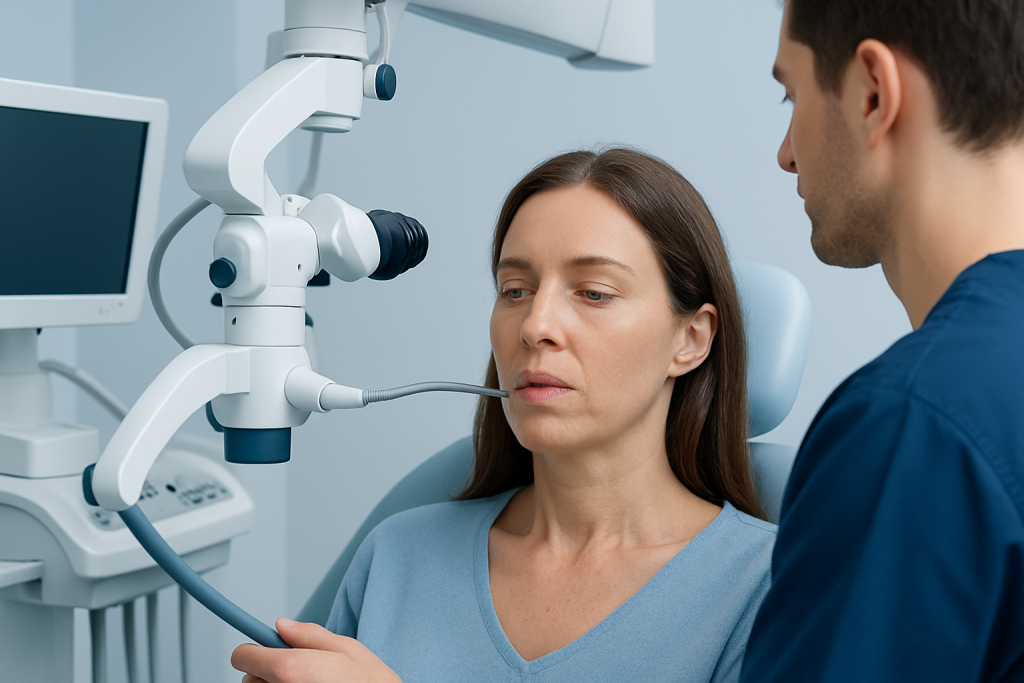
The signs of gum recession can be subtle in the beginning. A person may first notice sensitivity to cold drinks, sweet foods, or toothbrushing. Teeth may look longer, or there may be a visible gap or notch near the gumline. The gums can also appear uneven from one tooth to another.
Some people also have redness, swelling, or bleeding when brushing or flossing, especially if gum disease is present. Persistent bad breath or a bad taste in the mouth may suggest ongoing inflammation. If grinding or clenching is contributing, there may also be jaw tension or tooth wear.
When recession progresses, the exposed root can become more easily worn down. Root surfaces are softer than enamel and can develop cavities more quickly. The tooth may also become more sensitive during eating, drinking, or breathing in cold air.
If the underlying problem is not addressed, recession can be associated with loss of the supporting bone and tissues around the tooth. In advanced cases, teeth may feel loose or shift position. This is one reason why gum recession should not be ignored, even when it seems painless.
Causes and Risk Factors

Gum recession can happen for several reasons. One of the most common is periodontal disease, a chronic infection and inflammation caused by plaque bacteria around the teeth and gums. Over time, this inflammation can damage the gum tissue and the bone that supports the teeth. Recession may occur alongside symptoms such as swollen gums or bleeding gums.
Mechanical irritation is another common cause. Brushing too hard, using a hard-bristled toothbrush, or brushing with a scrubbing motion can gradually wear the gum margin away. Habits such as picking at the gums, using tobacco products, or oral piercings may also irritate the tissues.
The position of the teeth and bite can play a role as well. Teeth that are crowded, rotated, or outside the normal arch may have thinner gum coverage and be more prone to recession. Clenching and grinding can increase stress on the teeth and surrounding tissues; for some patients, managing teeth grinding and clenching is an important part of care.
Other risk factors include thin gum tissue, previous orthodontic movement, hormonal changes, poorly controlled diabetes, and a family tendency toward gum disease. Recession can also occur around dental work that is difficult to clean or around teeth with untreated decay or fractures. Usually, more than one factor is involved.
How Gum Recession Is Diagnosed
Diagnosis begins with a dental examination and a review of symptoms, habits, and medical history. The dentist looks at the gumline, the amount of visible root, signs of inflammation, and how the teeth meet when biting. They may ask about sensitivity, brushing methods, smoking, or nighttime grinding.
A periodontal probe is used to measure the depth of the space between the tooth and gum. These measurements help show whether recession is related to gum disease and whether there are periodontal pockets. The dentist will also check whether the gums bleed easily and whether there is plaque or tartar buildup.
Dental X-rays are often useful to assess the supporting bone around the teeth and to look for contributing problems such as bone loss, decay near the roots, or trauma. In some cases, the dentist may also evaluate the tongue and lip attachments if they seem to be pulling on the gums.
Not all gum recession needs the same treatment. The goal of diagnosis is not only to confirm that recession is present, but also to identify why it developed and whether it is stable or progressing. This makes it possible to create a plan that addresses both symptoms and the underlying cause.
Treatment Options
Treatment for gum recession depends on how severe it is, which teeth are affected, and what is causing it. If plaque and tartar are contributing, professional cleaning and improved home care may be enough to reduce inflammation and stop further recession. The dentist may also recommend a softer toothbrush, a gentler brushing technique, and regular follow-up visits.
When root sensitivity is a main concern, desensitizing products, fluoride applications, or tooth-colored materials placed over the exposed root may help protect the area. If the recession is associated with notches, root wear, or decay, restorative care can sometimes improve comfort and make cleaning easier.
If there is active periodontal disease, deeper cleaning below the gumline may be needed. In more advanced cases, referral to a gum specialist may be recommended. When gum tissue has been lost significantly, surgery such as a gum graft may be used to cover exposed roots, reduce sensitivity, and improve long-term protection. If bone support is affected, additional procedures such as dental bone grafts may be considered in selected cases.
Care may also include correcting contributing factors, such as adjusting oral hygiene technique, replacing problematic restorations, or managing bite stress. When related dental problems are present, a dentist may coordinate treatment through services such as endodontic care if the tooth nerve is affected, though this is not needed for most cases of gum recession.
Prevention and Self-care
Good daily oral hygiene is one of the best ways to help prevent gum recession, especially when gum disease is a factor. Brushing twice a day with a soft-bristled toothbrush and fluoride toothpaste, and cleaning between the teeth with floss or interdental brushes, can reduce plaque buildup without injuring the gums. A dentist or hygienist can demonstrate a gentle technique.
Regular dental checkups are important because early recession may not cause symptoms. Professional cleanings help remove tartar that cannot be removed at home, and routine exams allow changes in the gums to be tracked over time. People with a history of periodontal disease may need more frequent maintenance visits.
It also helps to reduce other sources of stress or irritation on the gums. This may include stopping tobacco use, treating clenching or grinding, and addressing crowded or misaligned teeth if they are contributing to uneven forces or difficult cleaning. Mouthguards may be recommended for some people who grind at night.
Self-care should focus on protection rather than harsh cleaning. Using abrasive whitening products too often or brushing harder does not make the teeth healthier. If sensitivity or bleeding is present, it is better to seek advice than to stop cleaning the area entirely, since plaque buildup can make inflammation worse.
When to See a Dentist
A dental visit is recommended if the teeth suddenly look longer, the gums seem to be pulling away, or there is ongoing sensitivity near the gumline. Bleeding with brushing, swollen gums, bad breath, and visible tartar are also good reasons to schedule an examination. These symptoms do not always mean severe disease, but they should be checked.
Prompt evaluation is especially important if a tooth feels loose, a root surface looks dark or decayed, or there is pain when biting. These signs may suggest more advanced gum problems or another condition affecting the tooth. Early care can often prevent more complicated treatment later.
People who know they clench or grind their teeth, smoke, or have diabetes may benefit from regular monitoring because their risk can be higher. Those with a family history of gum disease or naturally thin gums may also need closer follow-up. A dentist can advise how often reviews should be scheduled.
For international patients who need assessment and treatment planning, Acibadem International’s multidisciplinary dental specialists in JCI-accredited hospitals evaluate gum recession and related oral health concerns with a personalized approach. The most appropriate care depends on the cause, the condition of the supporting tissues, and the patient’s overall dental health.
Frequently asked questions
Can gum recession grow back on its own?
In most cases, lost gum tissue does not grow back on its own. However, early treatment can stop recession from worsening and help protect the exposed root. In selected cases, procedures such as gum grafting may cover part of the exposed area.
Is gum recession always caused by gum disease?
No. Gum disease is a common cause, but recession can also result from aggressive brushing, teeth grinding, tobacco use, thin gum tissue, or tooth position. A dental exam is needed to identify the main cause in each person.
Does gum recession always need surgery?
No, not always. Mild or stable recession may be managed with better oral hygiene technique, professional cleaning, desensitizing treatments, and control of contributing habits. Surgery is usually considered when recession is advanced, progressing, or causing significant symptoms or root exposure.
Are receding gums dangerous?
They are not usually an emergency, but they should not be ignored. Recession can lead to sensitivity, root cavities, cosmetic concerns, and loss of tooth support over time. Early dental care often helps prevent complications.
What is the best toothbrush for receding gums?
A soft-bristled toothbrush is generally recommended because it cleans effectively while being gentler on the gumline. The brushing technique matters as much as the brush itself, so a dentist or hygienist may suggest a gentler method. Electric toothbrushes can also be helpful when used correctly.
Can teeth grinding make gum recession worse?
It can contribute in some people. Grinding and clenching place extra force on the teeth and supporting tissues, which may worsen existing recession or tooth wear. If this is suspected, a dentist may recommend bite evaluation and protection such as a night guard.
References
- American Dental Association
- National Institute of Dental and Craniofacial Research
- Centers for Disease Control and Prevention
- European Federation of Periodontology
- Mayo Clinic
This article is for general information only and is not a substitute for professional medical advice. Please consult a qualified doctor about your individual situation.
Gum Recession in Turkey — costs, top hospitals & a free quote
JCI-accredited · board-certified surgeons · reply within 24h
Add us as a Preferred Source to see more of our trusted health content across Google Search, AI Overviews and Discover.

Dental & Oral Health
Full-scope dental care from implants and aesthetics to oral and maxillofacial surgery.
158 specialists in this unitRelated Treatments
More from the Health Library



Related Specialists

Assoc. Prof. Dr. Ferit Bayram
Oral & Dental Health
Assoc. Prof. Dr. Yeliz Çavuşoğlu Yüce
Oral & Dental Health
Assoc. Prof. Dr. Mutlu Keskin
Oral & Dental Health
Prof. Dr. Ülkü Noyan
Oral & Dental Health