Where Are Your Kidneys? Location, Function, and Pain Clues

The kidneys sit in the back of the upper abdomen, below the ribs and on either side of the spine. Their main jobs include filtering blood, removing waste, balancing fluids and minerals, and helping control blood pressure.
Key Takeaways
- The kidneys sit in the back of the upper abdomen, below the ribs and on either side of the spine.
- Their main jobs include filtering blood, removing waste, balancing fluids and minerals, and helping control blood pressure.
- Kidney pain is often felt in the side, back, or flank rather than the center of the lower back.
- Common causes of kidney pain include infection, kidney stones, blockage, or injury.
- Persistent pain, fever, blood in the urine, or trouble urinating should be checked by a doctor.
The kidneys are two bean-shaped organs located toward the back of the upper abdomen, one on each side of the spine just below the rib cage. Knowing where they are, what they do, and how kidney pain may feel can help a person understand symptoms and know when to seek medical advice.
Overview: Where Are the Kidneys?
The kidneys are two fist-sized, bean-shaped organs located deep inside the body toward the back of the upper abdomen. They sit on either side of the spine, just below the rib cage, in an area often called the flank. Because of this position, the kidneys are partly protected by the lower ribs and surrounding muscles.
The right kidney usually sits slightly lower than the left kidney. This is normal and happens because the liver takes up more space on the right side of the body. In most adults, the kidneys are not felt from the outside, but their location can help explain why kidney problems may cause pain in the side or back rather than in the front of the abdomen.
Each kidney connects to a thin tube called a ureter. The ureters carry urine from the kidneys down to the bladder, where it is stored before leaving the body through the urethra. Together, the kidneys, ureters, bladder, and urethra form the urinary system.
What the Kidneys Do
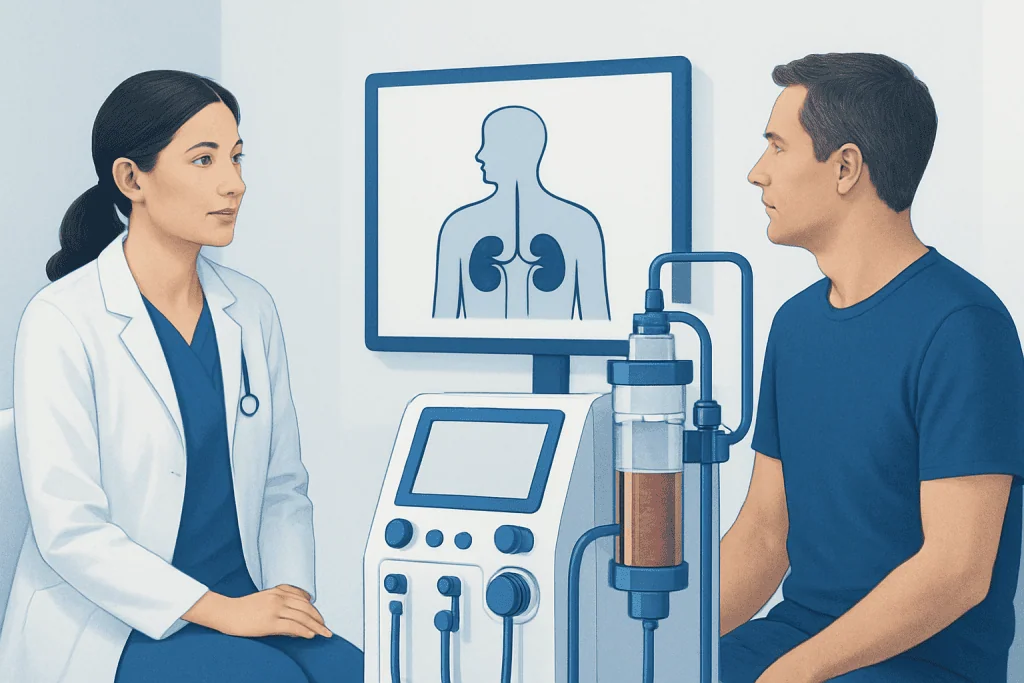
The kidneys play a central role in keeping the body in balance. Their best-known job is to filter the blood, removing waste products and extra water to make urine. This process helps the body get rid of substances it no longer needs.
Beyond waste removal, the kidneys carefully regulate fluid levels, electrolytes, and acid-base balance. They help control sodium, potassium, calcium, and other minerals that are important for healthy nerves, muscles, and heart function. They also support the body by helping maintain a healthy internal environment.
The kidneys produce hormones that affect several body systems. These hormones help regulate blood pressure, support red blood cell production, and contribute to bone health by activating vitamin D. Because kidney function affects many organs, even mild kidney problems may have wider effects on overall health.
- Filter blood and remove waste
- Balance fluids and electrolytes
- Help regulate blood pressure
- Support red blood cell production
- Contribute to bone and mineral health
How Kidney Pain May Feel
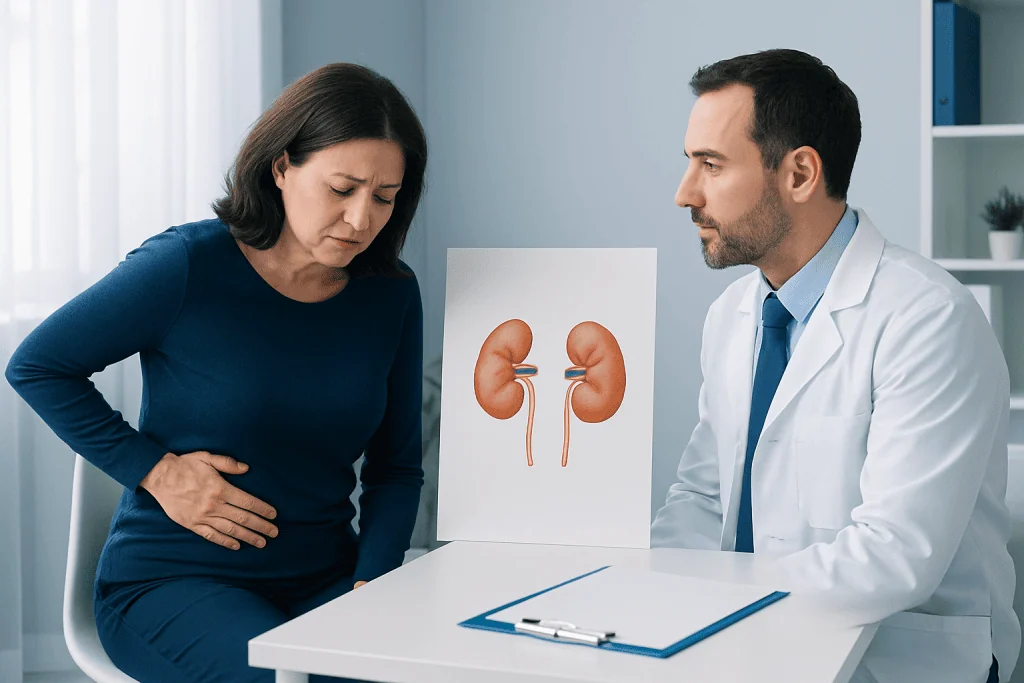
Kidney pain is commonly felt in the flank, which is the area on either side of the spine between the lower ribs and the hips. It may also spread to the back, abdomen, groin, or lower belly depending on the cause. Many people describe it as a deep, dull ache, but in some cases it can become sharp or severe.
This type of pain is often different from ordinary muscle-related back pain. Muscle pain usually changes more with movement, lifting, or posture. Kidney pain may feel deeper and more constant, and it may come with other symptoms such as fever, nausea, chills, painful urination, or blood in the urine.
Pain from kidney stones can be especially intense and may come in waves as the stone moves through the urinary tract. An infection may cause aching pain along with fever and general illness. Although location offers useful clues, pain alone cannot confirm the cause, so medical assessment is important when symptoms are ongoing or severe.
Common Causes of Kidney Pain and Related Symptoms
Several conditions can affect the kidneys and surrounding urinary tract. One common cause is a urinary tract infection that has reached the kidney, sometimes called a kidney infection. This may cause flank pain, fever, chills, nausea, and burning or urgency with urination. Kidney stones are another frequent cause and can lead to severe side pain, blood in the urine, and restlessness.
Other possible causes include blockage of urine flow, injury, kidney cysts, or swelling of the kidney due to backed-up urine. Some long-term kidney conditions cause few symptoms at first, which is why routine medical care can be important for people with risk factors. In some cases, what feels like kidney pain may actually come from muscles, the spine, or nearby abdominal organs.
Kidney-related symptoms to watch for include:
- Pain in the side, back, or flank
- Blood in the urine
- Cloudy or foul-smelling urine
- Pain or burning during urination
- Needing to urinate more often or urgently
- Fever, chills, nausea, or vomiting
- Swelling in the legs, ankles, or around the eyes
Sometimes kidney problems are linked to broader conditions such as high blood pressure, diabetes, or kidney cancer. Most flank pain is not caused by cancer, but unexplained symptoms should still be checked so the cause can be identified and treated appropriately.
Risk Factors and When Problems Are More Likely
Anyone can develop a kidney problem, but some people have a higher risk. Dehydration, recurrent urinary tract infections, a personal or family history of kidney stones, and poor urine flow can all make kidney-related symptoms more likely. Medical conditions such as diabetes and high blood pressure also increase the risk of kidney damage over time.
Certain habits may also affect kidney health. Regularly using some pain relievers without medical guidance, smoking, and a diet high in salt may add strain to the kidneys. Not all risk factors are preventable, but understanding them can help a person take practical steps to protect kidney function.
Age, pregnancy, structural differences in the urinary tract, and an enlarged prostate can also influence how well urine drains. When urine flow is blocked, pressure may build up in the kidney and cause pain or infection. People with recurring symptoms may benefit from a closer evaluation to look for an underlying cause such as kidney stones or another urinary condition.
How Kidney Problems Are Diagnosed
Doctors begin by asking about the location of the pain, when it started, and whether there are urinary symptoms, fever, nausea, or past kidney issues. A physical exam may include checking the flanks and abdomen for tenderness. This first step helps distinguish possible kidney pain from common causes of back or abdominal discomfort.
Urine tests are often used to look for blood, infection, protein, or crystals. Blood tests can show how well the kidneys are filtering and may also reveal signs of infection or changes in electrolyte levels. These tests provide important information even when symptoms are mild.
Imaging may be recommended if a stone, blockage, cyst, injury, or another structural problem is suspected. Ultrasound and computed tomography are commonly used depending on the situation. In some cases, specialists may recommend a urology check-up or further evaluation if symptoms keep returning or kidney function appears affected.
Treatment Options and Self-Care
Treatment depends on the cause. A kidney infection may require antibiotics and close follow-up. Kidney stones may pass on their own with hydration and symptom relief, while larger stones or those causing blockage may need a procedure. If there is an obstruction, doctors focus on restoring urine flow and protecting kidney function.
Self-care can support recovery but should not replace medical treatment when warning signs are present. Drinking enough fluids may help in some situations, although a doctor may give different advice for people with certain heart or kidney conditions. Rest, avoiding dehydration, and following prescribed treatment are usually important.
People should avoid starting or stopping medicines without medical advice, especially if they suspect kidney problems. Persistent or repeated symptoms may lead to referral for treatments such as kidney stone treatment or, less commonly, kidney surgery when a serious structural issue is found. The goal is always to treat the cause while preserving as much kidney function as possible.
Prevention, When to See a Doctor, and Getting Support
Many kidney problems cannot be completely prevented, but healthy habits can lower the risk. Staying well hydrated, managing blood pressure and blood sugar, not smoking, and avoiding unnecessary overuse of certain pain medicines may help protect the kidneys. For people who form stones, a doctor may recommend dietary changes based on the type of stone and personal health history.
A person should seek medical advice if flank pain is severe, does not improve, or comes with fever, chills, vomiting, blood in the urine, or difficulty urinating. Urgent assessment is especially important if there is only one kidney, pregnancy, known kidney disease, or symptoms of dehydration. Early care can help prevent complications and relieve symptoms sooner.
For ongoing kidney concerns, specialist input may be helpful. Acibadem International’s multidisciplinary specialists in JCI-accredited hospitals diagnose and treat kidney and urinary conditions for international patients. Whatever the setting, a qualified doctor can explain whether symptoms are likely related to the kidneys and guide the next steps with appropriate testing and care.
Frequently asked questions
Where exactly are the kidneys in the body?
The kidneys are located toward the back of the upper abdomen, one on each side of the spine. They sit just below the rib cage, with the right kidney usually a little lower than the left.
Can kidney pain feel like back pain?
Yes, kidney pain can be mistaken for back pain because it is often felt in the side or back. However, kidney pain usually feels deeper and may come with urinary symptoms, fever, nausea, or blood in the urine.
How can someone tell if pain is from the kidneys or muscles?
Muscle pain often gets worse with movement, twisting, or certain positions and may improve with rest. Kidney pain is more likely to stay deeper and more constant, and it may be accompanied by urinary changes or signs of infection.
Do both kidneys have to hurt if there is a kidney problem?
No, kidney problems can affect one kidney or both. Pain may be felt on one side only, especially with a stone, infection, or blockage that affects a single kidney.
What symptoms should never be ignored with possible kidney pain?
Pain with fever, chills, vomiting, blood in the urine, difficulty urinating, or severe weakness should not be ignored. These symptoms may point to infection, blockage, or another condition that needs timely medical care.
Can kidney problems happen without pain?
Yes, some kidney conditions develop quietly and may not cause pain at first. That is why blood pressure checks, urine tests, and blood tests can be important for people with diabetes, high blood pressure, or a family history of kidney disease.
References
- National Institute of Diabetes and Digestive and Kidney Diseases
- National Kidney Foundation
- Mayo Clinic
- American Urological Association
- NHS
This article is for general information only and is not a substitute for professional medical advice. Please consult a qualified doctor about your individual situation.
Joint and spine care in Turkey — expert assessment & treatment
JCI-accredited · board-certified surgeons · reply within 24h
Add us as a Preferred Source to see more of our trusted health content across Google Search, AI Overviews and Discover.
Check your numbers in seconds
BMI, calories, due date, blood pressure and 30+ more clinical calculators — free, instant, doctor-reviewed ranges.