Brain Lobes and Symptoms of Injury: What Changes With Damage?
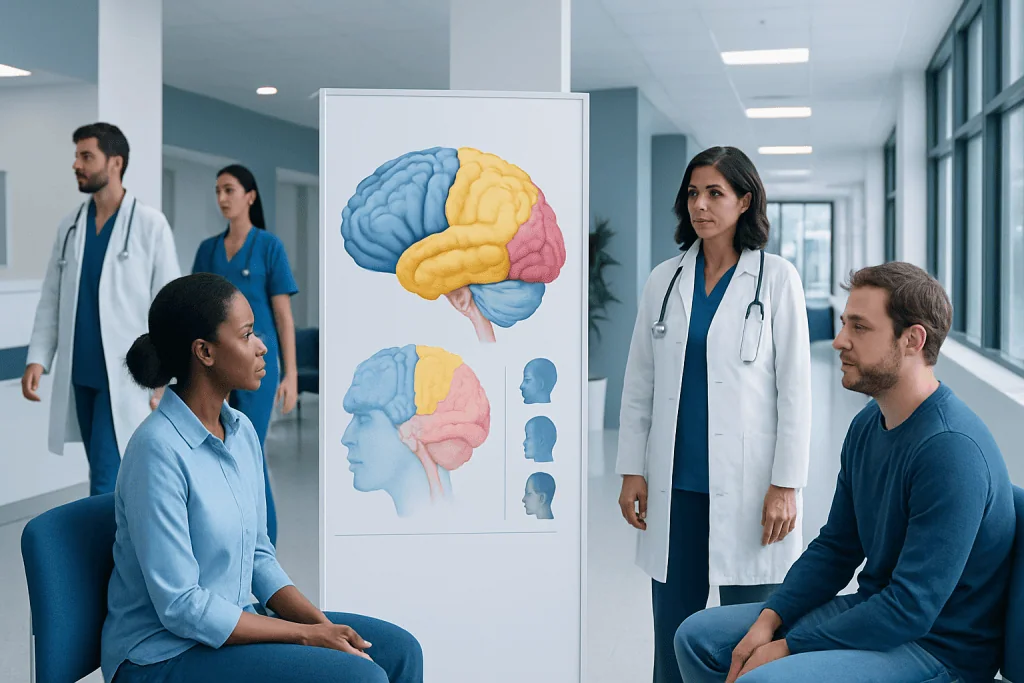
Each brain lobe has specialized jobs, so injury symptoms often reflect the area involved. Frontal lobe damage may affect planning, behavior, speech, and movement.
Key Takeaways
- Each brain lobe has specialized jobs, so injury symptoms often reflect the area involved.
- Frontal lobe damage may affect planning, behavior, speech, and movement.
- Parietal, temporal, and occipital lobe injuries can change sensation, memory, language, hearing, or vision.
- Symptoms can appear suddenly after trauma or stroke, or develop gradually with tumors or other conditions.
- Prompt medical assessment is important for new confusion, weakness, speech trouble, seizures, or vision loss.
Different parts of the brain control different functions, so symptoms after an injury often depend on which lobe is affected. Understanding the roles of the frontal, parietal, temporal, and occipital lobes can help explain changes in movement, speech, memory, sensation, vision, and behavior.
Overview: What the Brain Lobes Do
The brain is divided into two hemispheres, and each hemisphere contains four main lobes: frontal, parietal, temporal, and occipital. These lobes work together rather than in isolation, but each has important areas that help control specific functions such as movement, speech, sensation, memory, hearing, vision, behavior, and decision-making.
When an injury affects one part of the brain, the changes a person notices often match the job of that area. For example, damage to the occipital lobe may affect vision, while damage to the frontal lobe may change behavior, judgment, or movement. Symptoms can range from subtle difficulty concentrating to more obvious problems such as weakness, language loss, or seizures.
Brain lobe injury can happen for many reasons. Common causes include head trauma, stroke, bleeding in or around the brain, infection, lack of oxygen, inflammation, or a brain tumor. In some people, symptoms begin suddenly, while in others they develop gradually over time.
Because the brain is highly connected, a person may have overlapping symptoms involving more than one lobe or nearby structures. The exact effects depend on the location, size, severity, and cause of the injury, as well as the person’s age, general health, and how quickly treatment begins.
Frontal Lobe Injury Symptoms
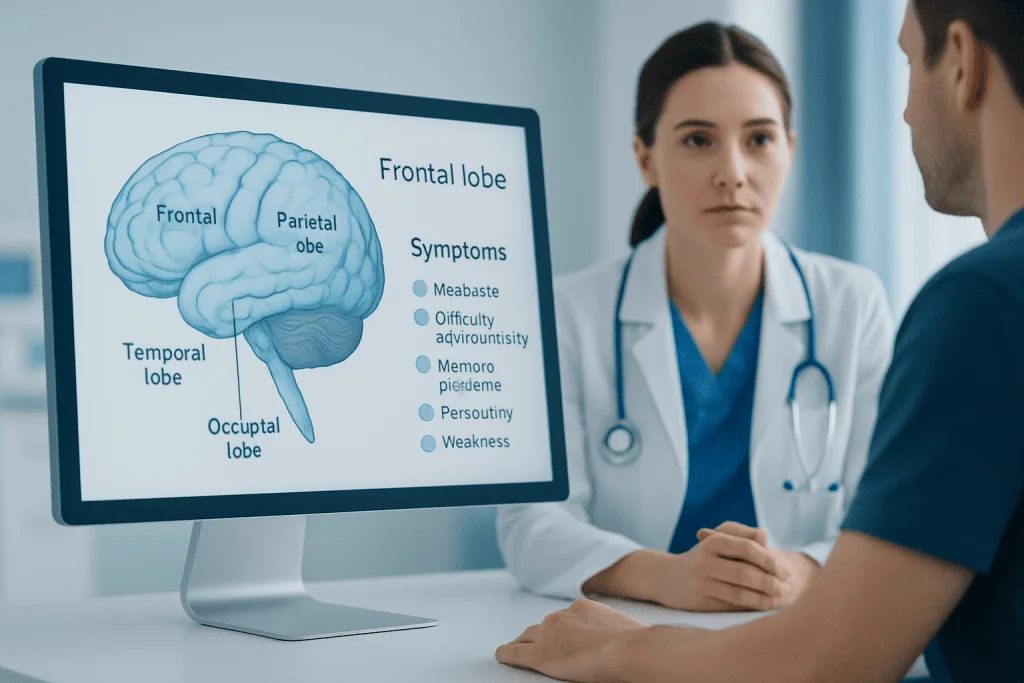
The frontal lobes sit behind the forehead and help manage personality, emotional control, planning, judgment, attention, problem-solving, and voluntary movement. Important speech areas are also often located in the frontal lobe, especially in the left hemisphere for many people.
When the frontal lobe is injured, symptoms may include poor concentration, impulsive behavior, reduced motivation, slowed thinking, personality change, or difficulty organizing tasks. Family members may notice that the person seems less aware of social cues, more irritable, or less able to manage everyday responsibilities.
If the injury affects motor areas, weakness may occur on the opposite side of the body. Injury involving the speech-producing region can lead to difficulty forming words or speaking fluently, even when the person knows what they want to say. Some people also develop problems with walking, balance, bladder control, or emotional regulation.
- Common frontal lobe symptoms include:
- Changes in behavior or personality
- Difficulty planning or making decisions
- Problems with attention and working memory
- Weakness on one side of the body
- Trouble speaking or expressing language
Parietal Lobe Injury Symptoms
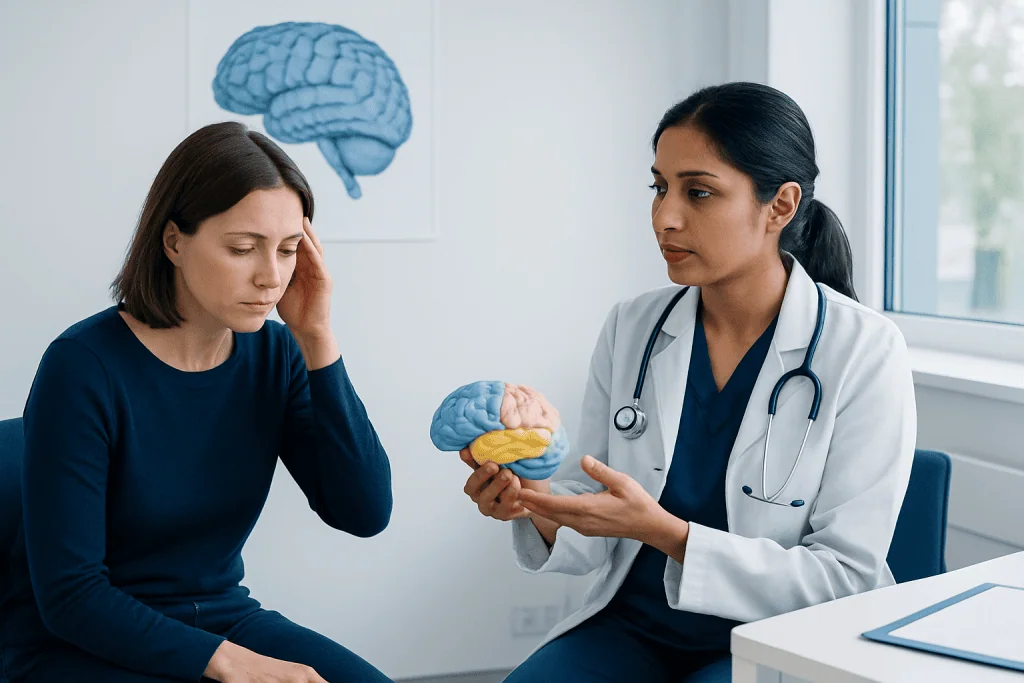
The parietal lobes help process touch, pressure, pain, temperature, body position, and spatial awareness. They also support reading, writing, calculation, and the ability to understand where the body is in relation to surrounding space.
Damage to the parietal lobe may cause numbness, tingling, reduced awareness of touch, or trouble identifying where a sensation is coming from. Some people find it hard to judge distance, locate objects, dress properly, or coordinate actions that require awareness of body position.
Injury to the non-dominant parietal lobe can lead to spatial neglect, a condition in which the person is less aware of one side of their body or environment, often the left side. Injury to the dominant parietal lobe may contribute to language-related difficulties, trouble with writing or calculations, and problems understanding complex commands.
Parietal lobe symptoms can sometimes be subtle at first. A person may seem clumsy, confused in familiar spaces, or unable to perform learned tasks despite having normal strength. These changes deserve medical attention because they may reflect stroke, trauma, or another neurological problem.
Temporal Lobe Injury Symptoms
The temporal lobes, located near the ears, are involved in hearing, language comprehension, memory, and emotional processing. They contain structures that help store new memories and interpret sounds, including spoken words.
Temporal lobe injury can cause difficulty understanding language, especially when the dominant side is affected. A person may hear speech clearly but struggle to make sense of it. Memory problems are also common, particularly difficulty learning new information or recalling recent events.
Because parts of the temporal lobe are closely linked to emotion and seizure activity, injury here may also lead to mood changes, unusual smells or tastes, déjà vu sensations, or seizures. Some people experience auditory processing changes, confusion, or trouble recognizing familiar people or objects.
Symptoms vary widely depending on the exact region involved. In some cases, temporal lobe problems appear after head injury; in others they may be related to infection, epilepsy, stroke, or a mass in the brain. Careful evaluation is important when symptoms affect memory, speech understanding, or awareness.
Occipital Lobe Injury Symptoms
The occipital lobes are at the back of the brain and are mainly responsible for processing visual information. They help the brain interpret what the eyes see, including shape, color, movement, and location.
Damage to the occipital lobe may cause partial vision loss, blind spots, trouble recognizing objects, or difficulty judging motion. A person may still have healthy eyes, but the brain may not correctly process incoming visual signals. This is why visual symptoms can happen even when an eye exam does not fully explain them.
Some people experience visual hallucinations, problems identifying colors, or reduced awareness of one side of the visual field. Others have trouble reading because the brain cannot process written words normally, even though speech and intelligence are otherwise intact.
Sudden visual changes can be a sign of a neurological emergency, especially when they appear with headache, weakness, numbness, or speech difficulty. Occipital lobe injury may occur due to trauma, stroke, seizures, inflammation, or less commonly a tumor affecting visual pathways.
Why Symptoms Differ: Causes and Risk Factors
Not every brain injury causes the same pattern of symptoms. The effects depend on which lobe is affected, whether one or both sides of the brain are involved, and how severe the injury is. A small injury in an important functional area may cause major symptoms, while a larger injury in a less critical area may cause milder changes.
Common causes of lobe injury include falls, road traffic accidents, sports injuries, stroke, bleeding, infection, reduced oxygen supply, inflammatory diseases, and tumors. In children and older adults, symptoms may be less typical, so behavioral or cognitive changes should not be ignored.
Risk factors vary by cause. For traumatic injury, risk factors include unsafe driving, lack of protective equipment, and falls. For stroke-related injury, high blood pressure, diabetes, smoking, high cholesterol, heart disease, and older age are important. Some infections or autoimmune conditions can also affect specific brain regions.
Symptoms may come on suddenly, as in stroke, or progress over weeks or months, as may happen with a mass lesion or chronic inflammation. Recognizing the timing of symptoms helps doctors identify the likely cause and choose the right tests and treatment plan.
How Brain Lobe Injuries Are Diagnosed
Diagnosis starts with a detailed medical history and neurological examination. The doctor asks when symptoms began, whether they are getting worse, and whether there was a head injury, infection, seizure, or other recent illness. The examination checks strength, sensation, balance, speech, memory, vision, and coordination.
Brain imaging is often essential. A CT scan may be used urgently to look for bleeding, swelling, or fractures, while MRI scanning can provide more detailed images of the brain’s structure and affected regions. In some situations, doctors may also request blood tests, an electroencephalogram for seizures, or specialist assessments of speech, memory, and visual function.
Diagnosis is not only about finding the damaged area; it also aims to identify the cause. For example, treatment differs if symptoms are due to trauma, stroke, infection, inflammation, or a tumor. Early assessment can improve outcomes by allowing timely treatment and rehabilitation.
For people with ongoing cognitive or behavioral symptoms, neuropsychological testing may help clarify which brain functions are affected. This can guide a tailored rehabilitation plan and help families understand the person’s strengths, challenges, and recovery needs.
Treatment, Recovery, and Rehabilitation
Treatment depends on the cause of the injury, the symptoms, and the person’s overall condition. Emergency treatment may be needed for bleeding, stroke, swelling, or severe trauma. In other cases, the main goals are to control symptoms, support healing, and restore as much function as possible.
Medical care may include observation, medicines to reduce swelling or prevent seizures, treatment of infection or inflammation, and therapies for pain, mood, or sleep problems. Some people need brain surgery to relieve pressure, remove a mass, repair damage, or treat bleeding. If a lesion is suspicious for cancer, a care plan may involve neurosurgery along with other specialist treatments.
Rehabilitation is often a major part of recovery. Depending on the lobe involved, this may include physical therapy for movement, occupational therapy for daily activities, speech and language therapy, cognitive rehabilitation, or vision therapy. Recovery can continue for months, and many people improve with consistent support and practice.
Near the end of the care journey, some patients and families benefit from consultation in experienced centers. Acibadem International’s multidisciplinary specialists and JCI-accredited hospitals diagnose and treat brain conditions for international patients, including cases that may require advanced imaging, rehabilitation, or Gamma Knife treatment when appropriate.
Prevention, Self-Care, and When to See a Doctor
Not all brain injuries can be prevented, but some risks can be reduced. Wearing seat belts and helmets, preventing falls, managing blood pressure and diabetes, avoiding smoking, and seeking timely care for infections or neurological symptoms can lower the chance of serious brain injury. Protecting brain health also includes regular sleep, physical activity, and moderation with alcohol.
After a diagnosed brain injury, self-care focuses on safety and recovery. This may include taking medicines as prescribed, attending rehabilitation appointments, getting enough rest, avoiding activities with high risk of another head injury, and using reminders or structured routines for memory and attention problems. Family support can also be very helpful.
A doctor should assess any new or worsening neurological symptom, especially confusion, sudden severe headache, weakness, numbness, seizures, fainting, speech trouble, major memory changes, or vision loss. These signs can point to urgent conditions that need rapid evaluation.
Emergency care is especially important if symptoms start suddenly, follow a head injury, or are accompanied by loss of consciousness, repeated vomiting, or trouble breathing. Early treatment can make a meaningful difference in both survival and recovery.
Frequently asked questions
Which brain lobe is most important?
All brain lobes are important because each supports different essential functions. The brain works as a network, so injury in one area can affect many aspects of daily life. The impact depends more on the location and severity of damage than on one lobe being universally "most important."
Can a person recover from brain lobe injury?
Many people improve after a brain lobe injury, especially with prompt treatment and rehabilitation. Recovery depends on the cause, the area affected, the severity of damage, age, and overall health. Some symptoms resolve quickly, while others may need longer-term support.
Does damage to one lobe always cause only one type of symptom?
No. Although each lobe has typical functions, brain regions are closely connected, so symptoms often overlap. A person may have changes in movement, language, memory, mood, and vision at the same time, depending on the extent of injury.
What are the warning signs of a serious brain injury?
Warning signs include sudden weakness, trouble speaking, severe confusion, seizures, fainting, sudden vision loss, repeated vomiting, or a severe headache. Symptoms after a head injury should also be taken seriously, especially if they worsen. These signs need urgent medical evaluation.
How do doctors know which lobe is affected?
Doctors combine the pattern of symptoms with a neurological examination and brain imaging. CT and MRI scans help show the location and cause of damage. Additional tests may be used to assess speech, memory, seizures, or vision when needed.
Can brain lobe injury change personality?
Yes, especially when the frontal lobe is involved. A person may become more impulsive, less motivated, more irritable, or less aware of social boundaries. These changes are medical effects of brain injury and should be discussed with a doctor.
References
- World Health Organization
- National Institute of Neurological Disorders and Stroke
- Centers for Disease Control and Prevention
- National Health Service
- American Association of Neurological Surgeons
This article is for general information only and is not a substitute for professional medical advice. Please consult a qualified doctor about your individual situation.
Explore treatments in Turkey — costs, top hospitals & a free quote
JCI-accredited · board-certified surgeons · reply within 24h
Add us as a Preferred Source to see more of our trusted health content across Google Search, AI Overviews and Discover.