Immunotherapy for Cancer: Benefits, Risks, and Response Monitoring
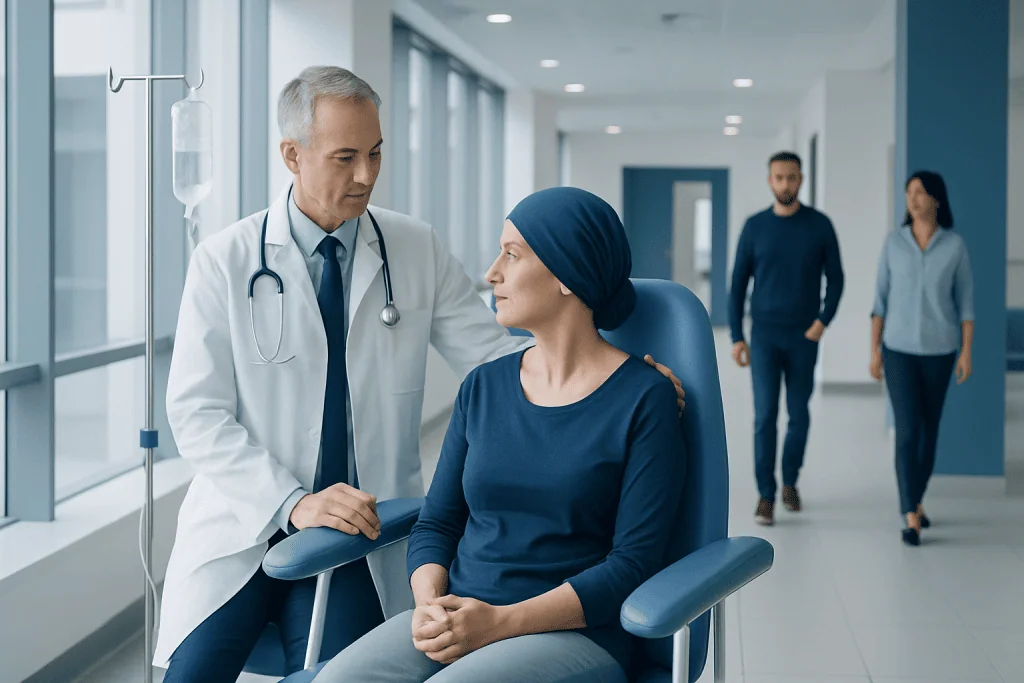
Immunotherapy works by helping the immune system detect or attack cancer cells more effectively. Different types of immunotherapy are used for different cancers, including checkpoint inhibitors, CAR T-cell therapy, monoclonal antibodies, and cancer vaccines.
Key Takeaways
- Immunotherapy works by helping the immune system detect or attack cancer cells more effectively.
- Different types of immunotherapy are used for different cancers, including checkpoint inhibitors, CAR T-cell therapy, monoclonal antibodies, and cancer vaccines.
- Benefits can be meaningful, but not every patient responds, and responses may take time to appear.
- Side effects often differ from chemotherapy and may involve immune-related inflammation in healthy organs.
- Regular scans, blood tests, symptom checks, and doctor visits are important for response monitoring and safety.
Immunotherapy for cancer is a treatment approach that helps the body’s immune system recognize and fight cancer cells. It can be very effective for some people, but results, side effects, and monitoring needs differ depending on the cancer type and the treatment used.
Overview: What Is Immunotherapy for Cancer?
Immunotherapy for cancer is a group of treatments designed to help the body’s immune system recognize, target, and control cancer cells. The immune system normally helps protect the body from infections and abnormal cells, but cancer can sometimes hide from immune defenses or weaken the body’s natural response. Immunotherapy aims to overcome these barriers.
Unlike treatments that directly destroy rapidly dividing cells, immunotherapy works by changing how immune cells respond to cancer. Some medicines remove the “brakes” that keep immune cells from attacking tumors. Others mark cancer cells more clearly, train immune cells to recognize them, or supply immune-based substances that strengthen the response.
Immunotherapy is now used in several types of cancer, including melanoma, lung cancer, kidney cancer, bladder cancer, some blood cancers, and others. In some situations it is used alone, while in others it is combined with surgery, radiation therapy, chemotherapy, or targeted therapy as part of a broader care plan.
How Immunotherapy Works and Main Types
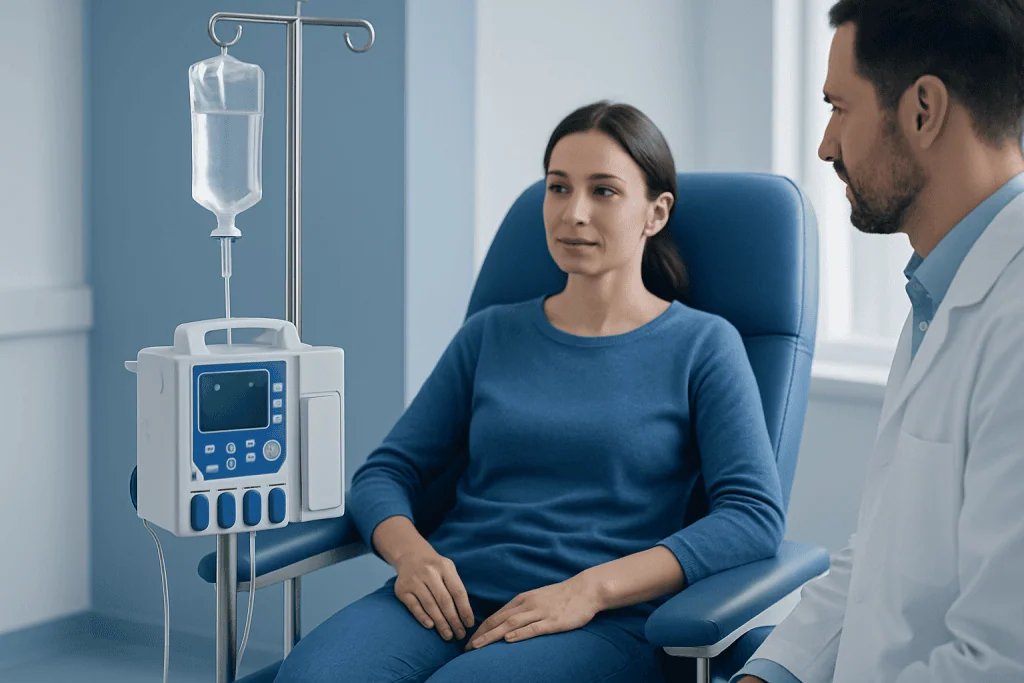
Cancer cells can develop ways to avoid being detected by the immune system. They may send signals that switch immune cells off, or they may appear less abnormal than they really are. Immunotherapy tries to reverse this process so the immune system can identify cancer more effectively and respond with greater strength.
One of the most common forms is immune checkpoint inhibition. Checkpoint proteins are natural control points that prevent the immune system from becoming overactive. Some tumors use these checkpoints to protect themselves. Checkpoint inhibitor drugs block this escape route and allow immune cells to attack the cancer.
Other forms of immunotherapy include:
- Monoclonal antibodies: laboratory-made antibodies that attach to specific targets on cancer cells.
- CAR T-cell therapy: a personalized treatment in which a patient’s own T cells are modified in a laboratory and returned to the body to fight cancer.
- Cancer vaccines: treatments that help the immune system recognize cancer-related markers.
- Cytokines and other immune modulators: substances that stimulate or regulate immune activity.
The best type depends on the cancer diagnosis, stage, prior treatments, overall health, and whether the tumor has certain biomarkers. For some patients, immunotherapy may be discussed alongside other specialized options such as medical oncology care and comprehensive treatment planning.
Potential Benefits of Immunotherapy

The main benefit of immunotherapy is that it can produce durable cancer control in some patients. In certain cancers, tumors shrink significantly or stop growing for long periods. Some people continue to benefit even after treatment ends because the immune system may retain a memory of the cancer target.
Another important advantage is that immunotherapy works differently from chemotherapy. This means it may still help when other treatments have not worked or have stopped working. It may also be used in earlier stages of cancer in selected cases, such as before or after surgery, to reduce the risk of recurrence.
For many patients, immunotherapy can be part of a personalized treatment plan based on the tumor’s molecular and immune features. Testing may help doctors decide whether a cancer is more likely to respond. Even so, benefit varies widely. Some patients respond very well, some have partial benefit, and others may not respond at all.
Because of these differences, clear communication with the oncology team is important. Patients often benefit from asking how treatment success will be measured, how long response may take, and whether the goals are cure, long-term control, or symptom relief.
Risks and Side Effects
Immunotherapy side effects are often different from those seen with chemotherapy. Instead of mainly affecting fast-growing cells, immunotherapy can sometimes make the immune system attack healthy tissues. These are called immune-related side effects or immune-related adverse events.
Common side effects may include fatigue, skin rash, itching, fever, diarrhea, nausea, joint aches, or changes in appetite. Depending on the drug, more serious inflammation can affect organs such as the lungs, liver, intestines, thyroid, adrenal glands, kidneys, nerves, heart, or skin. Many of these problems are treatable, especially when identified early.
Not every patient experiences severe side effects, and many people tolerate treatment reasonably well. However, symptoms should never be ignored. A new cough, shortness of breath, severe diarrhea, yellowing of the skin, persistent headache, confusion, chest pain, or marked weakness should be reported promptly because they may signal inflammation that needs urgent medical attention.
Doctors may temporarily stop treatment or give medicines such as corticosteroids or other immune-suppressing therapies when side effects become significant. Early reporting is very important because prompt treatment can reduce the risk of complications and help support safer continuation of cancer care.
Who May Be a Candidate?
Immunotherapy is not the right choice for every cancer or every patient. Candidacy depends on the tumor type, stage, biomarker results, previous treatments, overall fitness, and the balance between possible benefit and risk. Some cancers are more likely to respond than others, and some immunotherapies are approved only in specific situations.
Doctors may order tests on the tumor or blood to guide decision-making. These can include biomarker studies, genetic testing, or measurements of immune-related proteins. In some settings, features such as PD-L1 expression, microsatellite instability, mismatch repair deficiency, or tumor mutational burden may help show whether immunotherapy could be useful.
Patients with autoimmune diseases, organ transplants, chronic infections, or certain other medical conditions may need especially careful evaluation because stimulating the immune system can carry added complexity. This does not always rule out treatment, but it means decisions should be individualized.
Many people receive immunotherapy as part of a broad oncology strategy that may also include chemotherapy, radiation, surgery, or supportive care. A multidisciplinary team helps weigh goals, expected outcomes, and safety concerns before treatment starts.
How Response Monitoring Works
Response monitoring is a key part of immunotherapy for cancer. Doctors usually track progress through a combination of physical examinations, symptom review, blood tests, and imaging studies such as CT, MRI, or PET scans. The exact schedule depends on the cancer type, treatment plan, and how the patient is feeling.
One important point is that immunotherapy can behave differently from other cancer treatments on scans. Sometimes tumors appear larger before they shrink because immune cells have moved into the tumor area. This is sometimes called pseudoprogression. Although it is not common, it means doctors interpret scan results carefully and often consider the full clinical picture rather than relying on one image alone.
Monitoring also includes checking for side effects. Blood tests may assess liver, kidney, thyroid, and other organ function. Patients are often asked about energy levels, bowel habits, skin changes, breathing symptoms, and any new pains or neurologic symptoms. Keeping a simple symptom diary can make it easier to report changes accurately.
If treatment is working, doctors may recommend continuing it for a planned period. If the cancer grows clearly or side effects become too severe, the plan may change. This can include switching treatments, adding supportive medications, or considering other options for cancer management.
Living With Immunotherapy: Self-care and Practical Tips
Good self-care during immunotherapy focuses on observation, communication, and general health support. Patients should take medicines exactly as prescribed, attend scheduled appointments, and tell the care team about any new symptom, even if it seems minor. Many immune-related side effects begin gradually, so early reporting can make a real difference.
Helpful habits often include staying well hydrated, eating balanced meals, getting regular rest, and being physically active as tolerated. Some people experience fatigue, so pacing activities and accepting support from family or friends can be useful. Skin protection may also be important if rash or sensitivity develops.
It is wise to ask the oncology team before starting new over-the-counter medicines, supplements, or herbal products. Patients should also carry information about their immunotherapy treatment, especially if they need urgent care from a doctor who does not know their history. This can help healthcare professionals recognize possible immune-related complications more quickly.
Near the end of treatment or during long-term follow-up, patients may still need periodic monitoring because some side effects can appear later. Acibadem International’s multidisciplinary specialists in JCI-accredited hospitals diagnose and treat cancer for international patients, including those receiving modern immunotherapy-based care.
When to See a Doctor Urgently
Patients receiving immunotherapy should contact their doctor promptly if they notice new or worsening symptoms. Concerns include persistent fever, severe diarrhea, blood in the stool, new rash, worsening fatigue, dizziness, or sudden changes in weight. These may be signs that the immune system is affecting healthy organs.
Urgent medical attention is especially important for shortness of breath, chest pain, confusion, severe headache, weakness, fainting, yellowing of the eyes or skin, very dark urine, or a major drop in urine output. These symptoms do not always mean a serious complication, but they need timely evaluation.
It is also important to seek advice if side effects interfere with eating, drinking, walking, sleeping, or daily activities. Patients should not stop or delay prescribed medicines on their own unless specifically instructed. Quick communication with the treatment team often helps problems get under control earlier and more safely.
Frequently asked questions
Is immunotherapy the same as chemotherapy?
No. Chemotherapy generally attacks rapidly dividing cells, while immunotherapy helps the immune system recognize or fight cancer more effectively. They may be used separately or together, depending on the cancer type and treatment goals.
How long does immunotherapy take to work?
The timing varies from person to person and depends on the cancer and the drug used. Some patients show improvement within weeks or months, while others need longer monitoring before doctors can judge the effect.
Does immunotherapy always cause severe side effects?
Not always. Many patients have mild or manageable side effects, but some develop more serious immune-related inflammation. Reporting new symptoms early gives doctors the best chance to treat side effects promptly.
How do doctors know if immunotherapy is working?
Doctors monitor response with scans, blood tests, physical exams, and symptom review. They look at the overall pattern over time because immunotherapy can sometimes produce unusual scan findings before a clearer response appears.
Can immunotherapy cure cancer?
In some patients and some cancers, immunotherapy can lead to very long-lasting control and, in selected situations, possible cure. However, results are not the same for everyone, so treatment goals should be discussed individually with the oncology team.
Who should be especially careful before starting immunotherapy?
People with autoimmune diseases, prior organ transplants, chronic infections, or complex medical conditions may need more careful assessment. This does not automatically prevent treatment, but it makes specialist evaluation particularly important.
References
- National Cancer Institute
- American Cancer Society
- European Society for Medical Oncology
- National Comprehensive Cancer Network
- U.S. Food and Drug Administration
This article is for general information only and is not a substitute for professional medical advice. Please consult a qualified doctor about your individual situation.
Immunotherapy in Turkey — costs, top hospitals & a free quote
JCI-accredited · board-certified surgeons · reply within 24h
Add us as a Preferred Source to see more of our trusted health content across Google Search, AI Overviews and Discover.

Medical Oncology Department
Medical treatment of cancer with chemotherapy, immunotherapy and targeted therapies under a multidisciplinary tumor board.
60 specialists in this unit