What Causes Prostate Cancer? Age, Hormones, Genetics, and Lifestyle

Older age is the strongest risk factor for prostate cancer. Male hormones, especially androgens such as testosterone, help prostate cells grow and can influence cancer development.
Key Takeaways
- Older age is the strongest risk factor for prostate cancer.
- Male hormones, especially androgens such as testosterone, help prostate cells grow and can influence cancer development.
- Family history and inherited gene changes can increase prostate cancer risk.
- Lifestyle factors such as obesity, inactivity, and diet may play a role, but they do not explain every case.
- Having risk factors does not mean a person will develop prostate cancer, and some people develop it without clear risks.
- Regular medical follow-up and risk-based screening discussions can help with early detection.
Prostate cancer does not have one single cause. In most people, it develops through a mix of aging, hormone activity, inherited genetic changes, and environmental or lifestyle influences that increase risk over time.
Overview
When people ask what causes prostate cancer, the most accurate answer is that there is no single cause. Prostate cancer usually develops when cells in the prostate gland begin to grow in an uncontrolled way. This process is often linked to a combination of age-related cellular changes, hormone exposure, inherited risk, and other health or lifestyle factors.
The prostate is a small gland in the male reproductive system. Its cells normally grow, function, and die in a controlled pattern. Cancer can begin when genetic damage builds up in these cells over time, allowing them to multiply instead of following the body’s usual controls. Researchers understand many of the factors that raise risk, but they cannot always identify exactly why one person develops prostate cancer and another does not.
It is also important to remember that risk factors are not the same as direct causes. A risk factor increases the chance of developing a disease, but it does not guarantee it will happen. Many people with risk factors never develop prostate cancer, while some people with no obvious risk factors are diagnosed with it.
How Prostate Cancer Develops
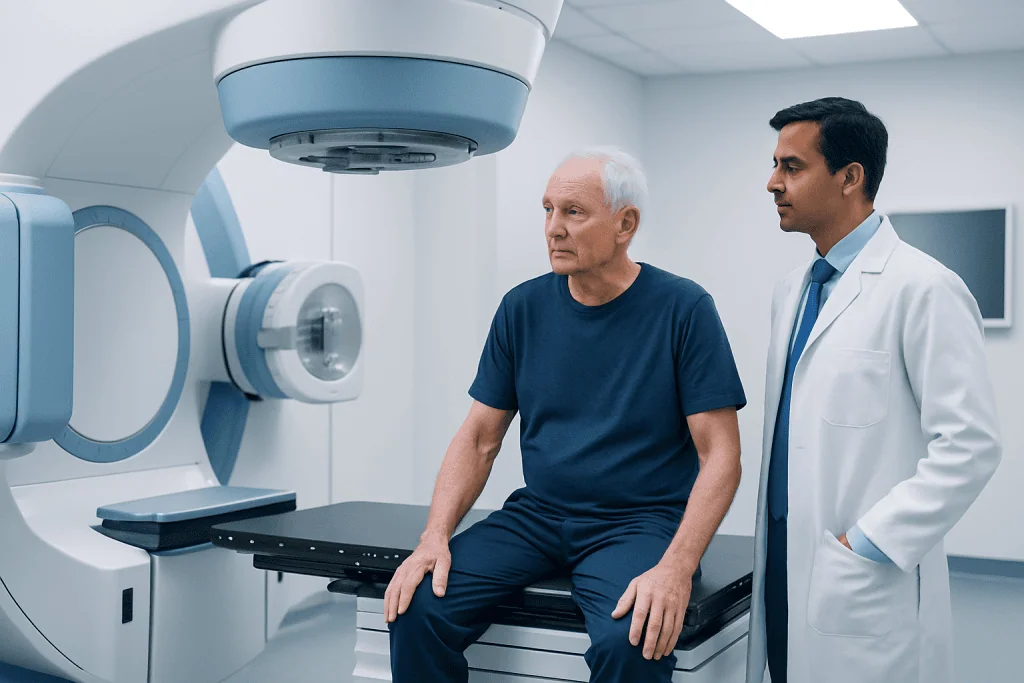
Prostate cancer begins with changes in the DNA of prostate cells. DNA contains the instructions that tell cells how to behave. If these instructions become damaged, cells may start dividing too quickly, avoid normal cell death, or grow into nearby tissues. Over many years, these abnormal cells can form a tumor.
Some DNA changes happen during a person’s lifetime rather than being inherited at birth. As cells keep dividing with age, small errors can accumulate. The body often repairs these changes, but sometimes the repair systems do not work perfectly. This is one reason prostate cancer becomes more common in older adults.
Not all prostate cancers behave the same way. Some grow slowly and may never cause major problems, while others are more aggressive. The biology behind this difference may include the exact genetic mutations involved, how strongly the cancer responds to hormones, and how early the disease is found. A doctor may explain these details further after tests for prostate cancer.
Age, Hormones, and Genetics
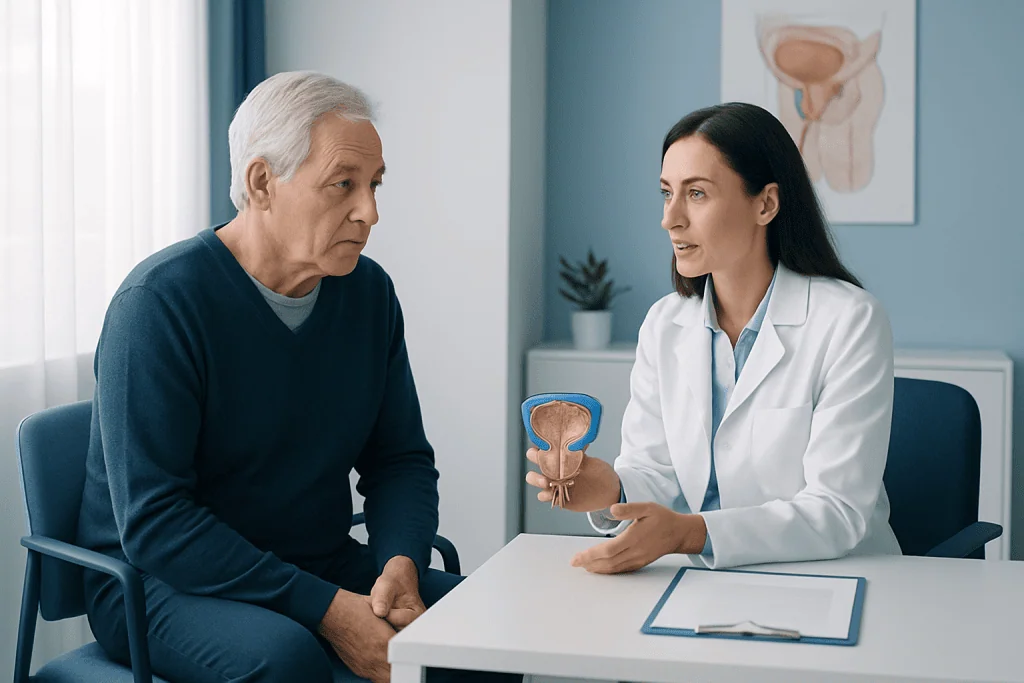
Age is the strongest known risk factor for prostate cancer. The disease is uncommon in younger adults and becomes more frequent as people get older. This is likely because prostate cells have had more time to accumulate genetic changes, and the body’s repair and immune systems may become less efficient with age.
Hormones also play a major role. The prostate depends on male hormones called androgens, including testosterone and its more active form, dihydrotestosterone. These hormones support normal prostate growth and function, but they can also promote the growth of cancer cells once those cells develop. Hormones are therefore part of the environment in which prostate cancer can arise and progress, even though they are not the only cause.
Genetics matter as well. A person with a close relative, especially a father or brother, who has had prostate cancer may have a higher risk. In some families, inherited changes in genes involved in DNA repair or cell growth can raise the likelihood of disease. These may include changes linked to hereditary cancer syndromes. A strong family history should be discussed with a doctor, who may advise genetic counseling or tailored screening.
Race and ancestry can influence risk too, likely because of a complex mix of genetics, environment, healthcare access, and social factors. These patterns do not mean that prostate cancer is caused by ancestry itself, but they do highlight the importance of personalized risk assessment rather than a one-size-fits-all approach.
Lifestyle and Environmental Risk Factors
Lifestyle does not fully explain prostate cancer, but it may affect risk. Obesity has been associated with a higher chance of developing more aggressive forms of prostate cancer. Excess body fat can alter hormone levels, insulin signaling, and inflammation in ways that may encourage cancer growth.
Physical inactivity may also contribute indirectly by increasing the chance of obesity and metabolic problems. A healthy activity routine supports overall well-being and may help the body regulate hormones, inflammation, and immune function. Although exercise cannot guarantee prevention, it is considered an important part of general cancer risk reduction.
Diet has been studied extensively, but the results are not always simple. Some research suggests that diets high in processed foods, excess calories, or large amounts of certain animal fats may be linked to higher risk, while eating patterns rich in vegetables, fruits, whole grains, and healthy fats may support better long-term health. However, no single food has been proven to cause or prevent prostate cancer on its own.
Environmental exposures may play a role in some cases, though the evidence varies depending on the specific chemical or workplace exposure. Smoking is not considered the main cause of prostate cancer, but it is harmful to overall health and may be linked to worse outcomes in people who develop cancer. In general, reducing avoidable exposures and maintaining healthy habits are sensible steps, even though they cannot remove all risk.
Other Possible Risk Factors and What Does Not Cause It
Researchers continue to study chronic inflammation, infections, and metabolic health as possible contributors to prostate cancer in some individuals. These areas are still being explored, and they do not yet provide a complete explanation for why the disease develops. In many people, prostate cancer likely results from several overlapping influences rather than one trigger.
Benign prostate conditions do not automatically lead to cancer. For example, an enlarged prostate due to age-related noncancerous growth is different from cancer. Although both affect the same gland and can sometimes cause similar urinary symptoms, one does not necessarily become the other. People may also hear about benign prostatic hyperplasia during evaluation for urinary symptoms.
Everyday activities such as sexual activity, masturbation, or routine minor injuries are not known causes of prostate cancer. Misunderstandings about these issues are common and can create unnecessary worry. It is usually more helpful to focus on proven risk factors such as age, family history, and overall health.
Because symptoms are not always present in the early stages, a person may feel well even when cancer is developing. This is why awareness of risk and timely medical advice matter. If symptoms do appear, they can overlap with other urinary conditions, which is another reason proper evaluation is important.
How Doctors Assess Risk and Make a Diagnosis
Doctors do not diagnose prostate cancer based on risk factors alone. Instead, they consider age, family history, symptoms, examination findings, and test results. A conversation about personal risk can help determine whether screening or further evaluation is appropriate.
Initial assessment may include a prostate-specific antigen (PSA) blood test and a digital rectal examination. These tests do not confirm the cause of prostate cancer, but they can help identify whether the prostate needs closer evaluation. If results are concerning, imaging such as MRI may be used to look more carefully at the prostate before deciding on the next step.
The diagnosis is confirmed with tissue sampling. A biopsy allows doctors to examine prostate cells under a microscope and determine whether cancer is present. Additional tests may be used to understand how extensive the cancer is and whether it appears low-risk or more aggressive.
For some patients, genetic testing may also be recommended, especially if there is a strong family history or a diagnosis at a younger-than-expected age. This can help guide screening for relatives and may also influence treatment decisions if cancer is found.
Treatment Options and Why the Cause Matters
Understanding prostate cancer causes and risk factors can help shape care, but treatment is based mainly on the stage of the disease, how aggressive it appears, symptoms, overall health, and the patient’s preferences. Some slow-growing cancers can be monitored carefully with active surveillance. Others require treatment to control or remove the disease.
Common treatment options include surgery, radiation therapy, and treatments that reduce or block androgen activity. Because male hormones can drive prostate cancer growth, hormone-based approaches are especially important in some cases. A doctor may discuss prostate cancer treatment in detail after reviewing the test results and risk profile.
Care is often personalized. For example, someone with a strong inherited genetic component may need more specific counseling and long-term follow-up. A person with obesity, heart disease, or other conditions may also need a broader plan that supports overall health during treatment and recovery.
Near the end of the diagnostic process, some patients seek care in centers with coordinated oncology and urology teams. Acibadem International’s multidisciplinary specialists and JCI-accredited hospitals diagnose and treat this condition for international patients, with treatment plans based on individual findings and current medical standards.
Prevention, Self-care, and When to See a Doctor
There is no guaranteed way to prevent prostate cancer, but some steps may help lower overall risk and support long-term health. These include maintaining a healthy weight, being physically active, eating a balanced diet, not smoking, and keeping regular medical appointments. These habits benefit the whole body even though they cannot eliminate every cause of cancer.
People with a family history of prostate cancer or known inherited cancer-related gene changes should talk to a doctor about when to start screening discussions. Screening decisions are individualized and should take age, overall health, values, and risk level into account. Early detection can improve the range of management options available.
A doctor should be consulted if there are symptoms such as frequent urination, difficulty starting urination, weak urine flow, blood in the urine or semen, or ongoing pain in the pelvis or lower back. These symptoms do not always mean cancer, but they should not be ignored. They can also be caused by noncancerous prostate conditions, urinary tract problems, or other illnesses.
If there is uncertainty about symptoms or family risk, a urologist can help clarify the next steps. Evaluation may involve blood tests, examination, imaging, or referral for further testing. Seeking medical advice early is usually the best way to understand whether a problem is harmless, manageable, or in need of prompt treatment.
Frequently asked questions
What is the main cause of prostate cancer?
There is no single main cause of prostate cancer. It usually develops from a combination of aging, hormone effects, genetic changes, and other risk factors that build up over time.
Does testosterone cause prostate cancer?
Testosterone does not by itself explain every case of prostate cancer. However, male hormones called androgens help prostate cells grow, and they can also support the growth of cancer cells once cancer has developed.
Is prostate cancer hereditary?
Sometimes. A family history of prostate cancer, especially in a father or brother, can increase risk, and some inherited gene changes may raise the chance of developing the disease.
Can lifestyle cause prostate cancer?
Lifestyle may influence risk, but it is rarely the only explanation. Obesity, inactivity, and unhealthy dietary patterns may contribute, while healthy habits can support overall cancer prevention and general well-being.
Can prostate cancer happen without any risk factors?
Yes. Some people are diagnosed even though they do not have a strong family history or obvious lifestyle-related risks. This is one reason regular medical care and symptom awareness are important.
Does an enlarged prostate turn into cancer?
Usually not. An enlarged prostate caused by benign prostatic hyperplasia is a noncancerous condition and is different from prostate cancer, although both can affect urination and may need medical evaluation.
References
- World Health Organization
- National Cancer Institute
- American Cancer Society
- European Association of Urology
- National Health Service
This article is for general information only and is not a substitute for professional medical advice. Please consult a qualified doctor about your individual situation.
Prostate Cancer in Turkey — costs, top hospitals & a free quote
JCI-accredited · board-certified surgeons · reply within 24h
Add us as a Preferred Source to see more of our trusted health content across Google Search, AI Overviews and Discover.
Check your numbers in seconds
BMI, calories, due date, blood pressure and 30+ more clinical calculators — free, instant, doctor-reviewed ranges.