

National Survey of Children’s Health: What It Is and How the Data Is Used

The National Survey of Children’s Health, or NSCH, gathers national and state-level information about children from birth through age 17. It covers many topics, including physical health, emotional well-being, development, insurance, family environment, and healthcare access.
Key Takeaways
- The National Survey of Children’s Health, or NSCH, gathers national and state-level information about children from birth through age 17.
- It covers many topics, including physical health, emotional well-being, development, insurance, family environment, and healthcare access.
- The survey does not diagnose individual children; it is designed to show patterns and trends across populations.
- Researchers and policymakers use NSCH data to identify needs, track disparities, and guide child health programs.
- Parents may benefit indirectly when survey findings shape services, prevention efforts, and family support policies.
The National Survey of Children’s Health is a large U.S. survey that collects information about children’s physical health, mental health, development, family life, and access to care. Its findings help researchers, clinicians, educators, and policymakers better understand children’s needs and improve services that support healthy development.
Overview
The National Survey of Children’s Health, often called the NSCH, is an important source of information about the health and well-being of children in the United States. It collects data on a wide range of topics, including physical health, mental and emotional health, development, family relationships, school experiences, insurance coverage, and access to healthcare. By bringing these topics together in one survey, it offers a broad picture of how children are doing in everyday life.
The survey focuses on children from birth through age 17. It is designed to represent children living in households across the country, which allows experts to look at both national and state-level patterns. Rather than focusing on one disease or one age group, the NSCH examines the many factors that influence a child’s health over time. This makes it especially useful for understanding how health, family life, education, and community conditions are connected.
Because childhood health is shaped by more than doctor visits alone, the NSCH includes questions about daily life, such as sleep, physical activity, behavior, learning, and family stress. This broader view helps experts understand not only whether children have medical conditions, but also whether they have the support and resources needed to grow and thrive. For families, this can be reassuring: the survey recognizes that child health includes emotional, social, and developmental well-being as well as physical health.
What the Survey Measures
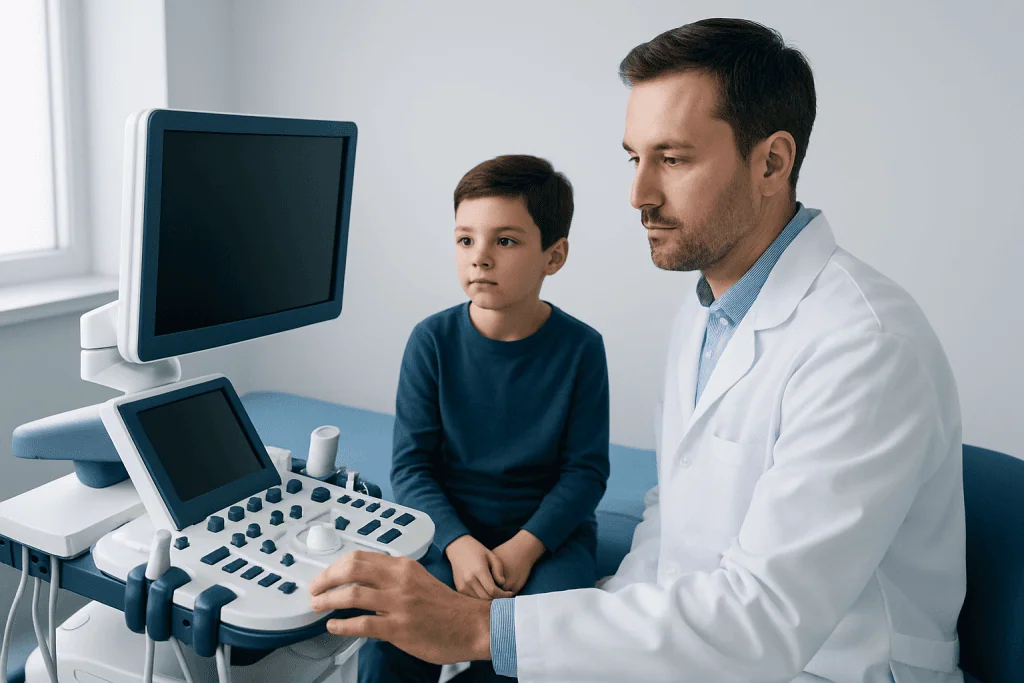
The NSCH gathers information from a parent or guardian who answers questions about a selected child in the household. The topics covered are wide-ranging and may include general health status, chronic conditions, preventive care, dental care, behavioral and emotional concerns, developmental milestones, school engagement, and family routines. It may also ask about health insurance, difficulties getting care, and whether families receive needed support services.
One strength of the survey is that it looks at the child within the family and community setting. For example, it may explore whether the child lives in a supportive neighborhood, whether the family experiences financial strain, or whether the household has resources that support healthy development. These details matter because a child’s environment can strongly influence nutrition, sleep, stress, learning, and access to care.
Common areas assessed in the NSCH include:
- Physical health and long-term health conditions
- Mental, emotional, and behavioral health
- Growth, development, and learning
- Preventive healthcare and dental visits
- Insurance coverage and healthcare access
- Family relationships, routines, and stressors
- Neighborhood, school, and social environment
By combining these topics, the survey helps create a fuller understanding of children’s health needs. This is particularly valuable because children’s well-being is rarely explained by a single factor. Instead, it reflects a mix of biology, caregiving, education, social support, and access to timely healthcare.
How the Data Is Collected and Reported
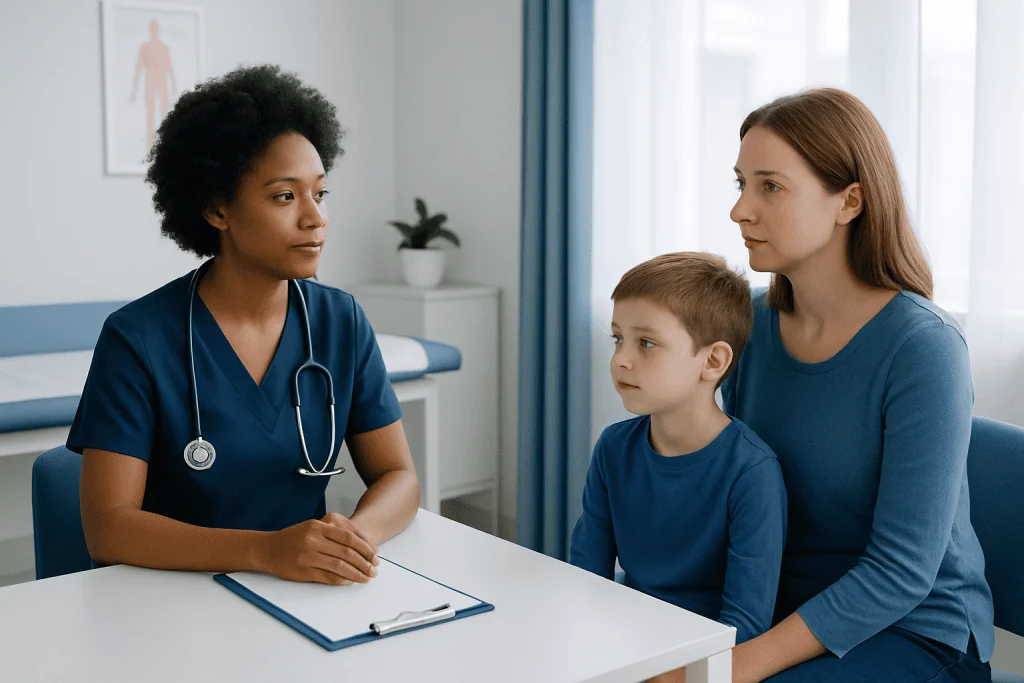
The NSCH is a population survey, which means it is designed to describe groups of children rather than evaluate one child at a time. Families are selected through established survey methods so the results can reflect the broader child population. A parent or guardian completes the survey, and the answers are combined with many others to create datasets that researchers and public health professionals can analyze.
Because the information is reported by caregivers, the data reflects parents’ observations and experiences. This is useful for topics such as healthcare access, school functioning, family routines, and concerns about behavior or development. At the same time, it is important to understand that the NSCH is not the same as a medical exam, lab test, or formal psychological assessment. It does not replace clinical evaluation by a pediatrician or specialist.
The findings are usually presented as estimates, trends, and comparisons across groups or regions. For example, experts may examine how many children receive preventive checkups, how common certain health needs are, or whether some families face greater barriers to care than others. This kind of reporting helps identify broad patterns while protecting the privacy of individual families.
How the Data Is Used
NSCH data is widely used to improve understanding of children’s health at the population level. Researchers use it to study how factors such as income, insurance, language, neighborhood conditions, and family stress affect children’s well-being. Pediatric experts and public health teams may also use the findings to track trends over time, such as changes in mental health concerns, access to preventive care, or unmet healthcare needs.
Policymakers and health planners rely on the survey to help shape programs and services for children and families. For example, if data shows that certain communities have difficulty accessing developmental services or mental health support, decision-makers may use that information when planning resources. Schools, advocacy groups, and child health organizations may also use NSCH findings to support family education, prevention strategies, and community programs.
The data can also help highlight health disparities. This means it can show when some children have fewer opportunities for good health because of social, economic, or geographic barriers. Recognizing these gaps is an important step toward improving fairness in child health systems. In this way, the NSCH supports a more complete approach to children’s health, one that includes medical care but also considers the child’s environment and daily life.
For families, the benefits are often indirect but meaningful. Survey findings can influence how healthcare systems think about topics such as preventive care, developmental screening, emotional well-being, and support for children with chronic conditions. Over time, this can contribute to better-informed services and policies that support healthier childhoods.
Why the Survey Matters for Parents and Caregivers
Parents may wonder why a national survey matters if it does not provide direct medical advice for their child. The answer is that high-quality child health data helps experts understand what families are experiencing in real life. It can show whether children are getting regular care, whether parents can access specialists, and whether emotional or developmental concerns are being recognized early enough.
The NSCH also reflects a modern view of child health. A child’s well-being is not limited to height, weight, or illness. Sleep, stress, behavior, school participation, and family support can all affect health outcomes. When surveys collect this wider set of information, they help healthcare systems and communities respond more thoughtfully to children’s needs.
For caregivers, the survey’s themes can serve as a reminder of what to watch for in daily life. These may include changes in mood, attention, sleep, learning, social interaction, or physical activity. If concerns arise, parents can discuss them with a pediatrician, who may recommend monitoring, supportive strategies, or further assessment. Questions about development or behavior may sometimes lead to evaluation for conditions such as autism or ADHD when clinically appropriate, but only a qualified professional can make a diagnosis.
The survey is also valuable because it gives visibility to challenges that families often face quietly, such as trouble affording care, difficulty finding services, or stress related to caregiving. When these experiences appear in national data, they are more likely to be recognized in research and planning. That recognition can help drive better support for children and parents alike.
Limits of the Survey
Although the NSCH is highly useful, it also has limits. Like any survey, it depends on the accuracy of responses and the way questions are understood. Parents and guardians usually know their children very well, but some topics may still be difficult to answer with precision, especially if a child’s symptoms are mild, changing, or not yet formally assessed.
The survey should not be used to diagnose, treat, or predict the health of an individual child. A finding from a national survey may show that a problem is common or increasing, but it cannot explain every child’s situation. Individual care decisions should always be based on direct evaluation, medical history, physical examination, and when needed, testing or specialist input.
Another limitation is that survey data may not capture the full complexity of each family’s experience. Cultural differences, language, access to care, and differences in local services can all affect how families answer questions and how results are interpreted. Even so, the NSCH remains one of the most useful tools for understanding child health patterns on a large scale.
How Parents Can Use This Information
Families do not need to read survey reports in detail to benefit from them, but understanding the purpose of the NSCH can be helpful. It encourages a broader view of children’s health that includes prevention, emotional well-being, development, and the home environment. This perspective can support more meaningful conversations with a child’s doctor during routine visits.
Parents can use the survey’s main themes as practical checkpoints at home. Helpful areas to review include:
- Whether the child is receiving regular checkups and recommended vaccines
- How the child is sleeping, eating, learning, and playing
- Whether there are concerns about mood, attention, behavior, or stress
- Whether the child has access to dental care and other needed services
- Whether family routines and support systems feel manageable
If concerns come up, early discussion with a healthcare professional is often the best next step. Depending on the issue, a pediatrician may suggest developmental screening, behavioral support, counseling, or additional testing. In some cases, children may benefit from services such as child and adolescent psychiatry or pediatric neurology when symptoms involve emotional, behavioral, or neurological concerns.
Near the end of the care journey, some families also seek multidisciplinary assessment at experienced centers. Acibadem International’s specialists in JCI-accredited hospitals diagnose and treat a wide range of pediatric conditions for international patients, with care tailored to the child’s age and needs.
When to Speak With a Doctor
While the NSCH is a research tool rather than a clinical test, many of the topics it measures are important reasons to contact a pediatrician. Parents should consider seeking medical advice if they notice ongoing changes in their child’s physical health, growth, development, learning, mood, sleep, or behavior. Early guidance can be especially helpful when concerns begin to affect school, relationships, daily routines, or quality of life.
It is also wise to speak with a doctor if a child has trouble accessing needed care, repeated symptoms without a clear explanation, or signs that a chronic condition may not be well controlled. Depending on the concern, the doctor may recommend further evaluation, supportive therapies, or referral to specialists. For some children, this may include pediatric care or child development assessment to better understand growth, learning, and behavior.
Parents do not need to wait until a problem feels severe. Bringing up concerns early is often the most effective way to support a child’s health and development. A trusted healthcare professional can help decide whether reassurance, monitoring, or more detailed evaluation is the right next step.
Frequently asked questions
What is the National Survey of Children’s Health?
The National Survey of Children’s Health is a U.S. survey that collects information about children’s physical health, emotional well-being, development, family life, and access to care. It is used to understand patterns in child health across states and the country as a whole.
Does the NSCH diagnose medical or developmental conditions?
No. The NSCH is not a diagnostic test and does not replace a medical evaluation. It shows population trends, while diagnosis requires assessment by a qualified healthcare professional.
Who answers the survey questions?
A parent or guardian usually completes the survey for one selected child in the household. Their answers provide information about the child’s health, care, and family environment from the caregiver’s perspective.
Why is the NSCH important?
It helps researchers, health systems, and policymakers understand what children and families need. This can guide prevention programs, healthcare planning, developmental services, and efforts to reduce health disparities.
How can parents use information from the survey?
Parents can use the survey’s themes as a reminder to pay attention to preventive care, development, emotional health, sleep, learning, and family stress. If concerns appear in any of these areas, discussing them with a pediatrician is a sensible next step.
What kinds of topics does the survey include?
The survey may include questions about general health, chronic conditions, mental health, behavior, learning, school, insurance, preventive care, dental care, and family or neighborhood factors. This broad approach helps create a fuller picture of children’s well-being.
References
- U.S. Health Resources and Services Administration
- Maternal and Child Health Bureau
- U.S. Census Bureau
- Centers for Disease Control and Prevention
- American Academy of Pediatrics
This article is for general information only and is not a substitute for professional medical advice. Please consult a qualified doctor about your individual situation.
Explore treatments in Turkey — costs, top hospitals & a free quote
JCI-accredited · board-certified surgeons · reply within 24h
Add us as a Preferred Source to see more of our trusted health content across Google Search, AI Overviews and Discover.






