Aortic Aneurysm: Silent Risks, Screening, and When Repair Is Considered

Aortic aneurysms often develop silently and may be found during screening or imaging done for another reason. The two main types are abdominal aortic aneurysm and thoracic aortic aneurysm, depending on where the bulge occurs.
Key Takeaways
- Aortic aneurysms often develop silently and may be found during screening or imaging done for another reason.
- The two main types are abdominal aortic aneurysm and thoracic aortic aneurysm, depending on where the bulge occurs.
- Risk rises with age, smoking, high blood pressure, atherosclerosis, and some inherited connective tissue conditions.
- Treatment depends on the aneurysm’s size, growth rate, location, symptoms, and the person’s overall health.
- Small aneurysms may be monitored, while larger or fast-growing aneurysms may need surgical or endovascular repair.
- Sudden severe chest, back, or abdominal pain can be an emergency and needs immediate medical attention.
An aortic aneurysm is an abnormal widening of the aorta, the body’s main artery. It may cause no symptoms for years, so screening, regular monitoring, and timely treatment are important for preventing serious complications.
Overview
An aortic aneurysm is a weakened, enlarged area in the wall of the aorta. The aorta is the largest artery in the body, carrying oxygen-rich blood from the heart to the rest of the body. When part of its wall becomes weak, it can bulge outward. Over time, this bulge may grow and, in some cases, lead to tearing or rupture.
Aortic aneurysms are usually described by location. An aneurysm in the abdomen is called an abdominal aortic aneurysm, while one in the chest is called a thoracic aortic aneurysm. Some people may also have aneurysms that involve more than one section of the aorta. Although these conditions share some features, symptoms, monitoring, and treatment planning can differ by location.
One reason aortic aneurysm is important to understand is that it may not cause noticeable symptoms until it becomes large or develops a complication. For this reason, screening and follow-up imaging can play a major role in early detection. When found early, many aneurysms can be monitored carefully and treated at the right time to reduce risk.
Symptoms and warning signs
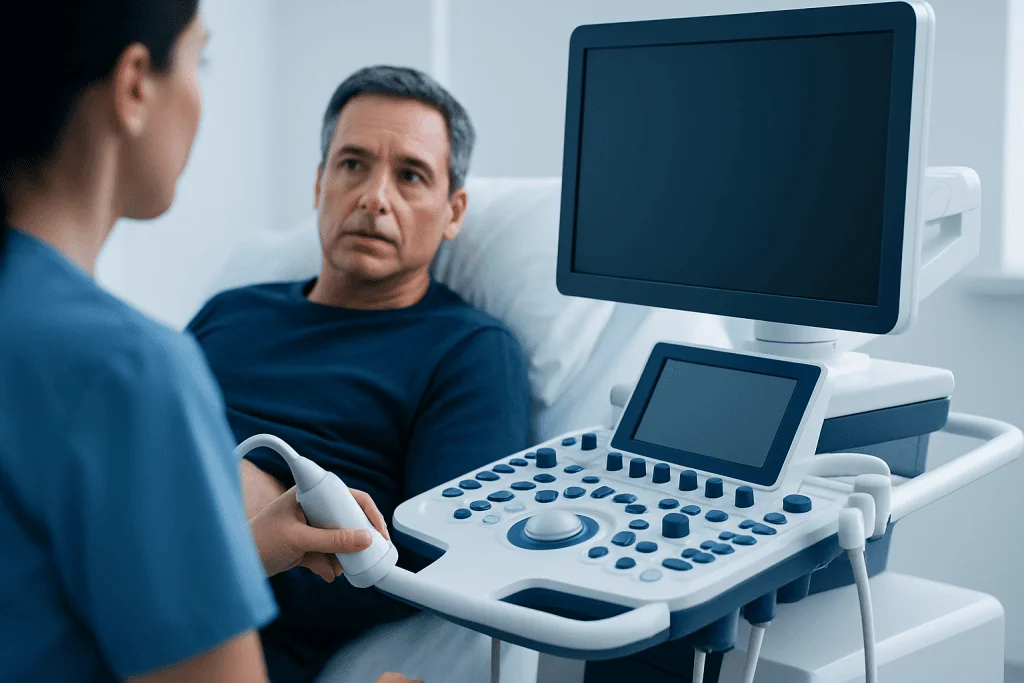
Many people with an aortic aneurysm feel completely well. Small aneurysms often do not cause symptoms, and they may be discovered during an ultrasound, CT scan, or MRI done for another reason. This silent nature is why some aneurysms remain unnoticed until they enlarge.
When symptoms do occur, they depend on the aneurysm’s location. An abdominal aortic aneurysm may cause deep, steady pain in the abdomen, side, or lower back, or a pulsating sensation in the belly. A thoracic aortic aneurysm may cause chest pain, back pain, hoarseness, cough, or shortness of breath if it presses on nearby structures.
Emergency symptoms can occur if the aneurysm tears or ruptures. These may include sudden severe chest, back, or abdominal pain, fainting, weakness, dizziness, rapid heartbeat, or signs of shock. These symptoms need urgent emergency care because a ruptured aortic aneurysm is life-threatening.
- Often no symptoms at all
- Abdominal, chest, or back pain
- Pulsating feeling in the abdomen
- Hoarseness or cough in some thoracic aneurysms
- Sudden severe pain or collapse as emergency warning signs
Causes and risk factors
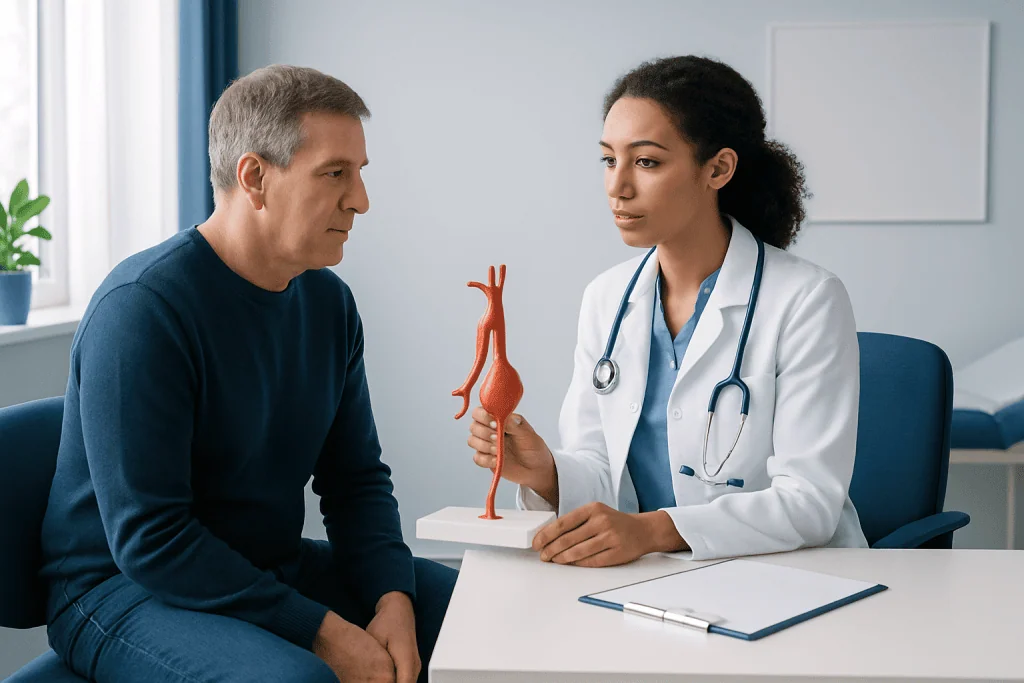
An aortic aneurysm develops when the wall of the aorta becomes weakened. This can happen gradually over many years. Aging is a major factor because the artery wall may lose some of its elasticity with time. Atherosclerosis, which involves plaque buildup in arteries, can also contribute to damage and weakening.
Smoking is one of the strongest known risk factors, especially for abdominal aortic aneurysm. High blood pressure places extra stress on the artery wall and may speed aneurysm growth. Other factors include high cholesterol, male sex, a family history of aneurysm, and a history of vascular disease.
Some aneurysms are linked to inherited conditions that affect connective tissue, such as Marfan syndrome, Loeys-Dietz syndrome, or vascular Ehlers-Danlos syndrome. In other cases, aortic inflammation, infection, or previous trauma may play a role. Certain aortic conditions may also be related to aortic dissection, which is a tear in the inner layer of the aorta and requires urgent specialist evaluation.
Screening and diagnosis
Because many aneurysms are silent, screening can be very helpful for people at increased risk. Doctors may recommend a one-time abdominal ultrasound for some older adults with a history of smoking or a family history of abdominal aortic aneurysm. The exact screening plan depends on age, sex, medical history, and national or local guidelines.
If an aneurysm is suspected, imaging tests are used to confirm the diagnosis and measure its size. Ultrasound is commonly used for abdominal aortic aneurysm because it is simple, noninvasive, and does not use radiation. CT angiography and MRI can give more detailed images, especially for thoracic aneurysms or for planning treatment.
Diagnosis is not only about finding the aneurysm. Doctors also evaluate its exact location, shape, rate of growth, and whether it is causing symptoms. Blood pressure, heart health, kidney function, smoking history, and family history are all important when deciding on follow-up and treatment. In some situations, patients may also need assessment by specialists in cardiology care or vascular medicine.
Treatment options and when repair is considered
Treatment depends on several factors, including the aneurysm’s size, location, symptoms, growth over time, and the person’s overall health. Small aneurysms that are not causing symptoms may not need immediate repair. Instead, they are often managed with regular imaging and careful control of risk factors such as blood pressure and smoking.
Repair is considered when an aneurysm becomes large enough that the risk of rupture or dissection outweighs the risks of treatment. It may also be recommended if the aneurysm is growing quickly or causing symptoms. The decision is individualized, and doctors weigh imaging findings, anatomy, age, existing heart or lung disease, and the person’s preferences.
There are two main approaches to repair. Open surgery replaces the weakened part of the aorta with a synthetic graft. Endovascular repair places a stent graft inside the artery through blood vessels, usually using smaller incisions. Depending on the aneurysm’s location and anatomy, patients may be evaluated for endovascular aneurysm repair or aortic surgery. In complex cases involving chest symptoms or overlapping heart conditions, consultation in cardiovascular surgery may be part of planning.
Even after successful treatment, long-term follow-up remains important. Imaging may be needed to check the repair and monitor the rest of the aorta. Continued blood pressure control, smoking cessation, and routine medical care help reduce future risk.
Prevention and self-care
Not all aortic aneurysms can be prevented, especially those linked to inherited conditions. However, many steps can help lower risk or slow aneurysm growth. The most important is avoiding tobacco. Quitting smoking can benefit the blood vessels at any age and is one of the most meaningful ways to reduce vascular risk.
Blood pressure control is another key part of self-care. Following a treatment plan for hypertension, taking medicines as prescribed, limiting excess salt, and staying active within a doctor’s advice can reduce stress on the aorta. Managing cholesterol, diabetes, and body weight also supports overall artery health.
People diagnosed with an aneurysm should keep all follow-up appointments and imaging studies. They should also ask their doctor about safe physical activity, especially if the aneurysm is large. In general, steady, moderate exercise is often encouraged, while heavy straining or sudden intense exertion may need to be limited based on individual medical advice.
When to see a doctor
A person should speak with a doctor if they have ongoing chest, back, side, or abdominal pain that is unexplained, especially if they also have risk factors such as smoking, high blood pressure, or a family history of aneurysm. Medical review is also important for people with inherited connective tissue disorders or known aortic valve disease, because these conditions can affect the aorta.
Anyone who has already been diagnosed with an aortic aneurysm should contact their care team if symptoms change, blood pressure becomes difficult to control, or follow-up imaging is overdue. Monitoring is a central part of safe care, even when an aneurysm is not currently large enough for repair.
Emergency care is needed right away for sudden severe chest, back, or abdominal pain, fainting, or signs of shock. These symptoms can suggest rupture or dissection and should never be ignored. Near the end of the care pathway, some patients may choose treatment at specialized centers; Acibadem International’s multidisciplinary specialists and JCI-accredited hospitals diagnose and treat aortic conditions for international patients.
Frequently asked questions
What is the difference between an abdominal and a thoracic aortic aneurysm?
The difference is the location of the weakened, enlarged section of the aorta. An abdominal aortic aneurysm occurs in the part of the aorta that passes through the abdomen, while a thoracic aortic aneurysm occurs in the chest. The symptoms, screening methods, and repair options may differ depending on where it is located.
Can an aortic aneurysm go away on its own?
No, an aortic aneurysm does not usually shrink or disappear on its own. Once the aortic wall has weakened and widened, the main goal is to monitor it and lower the risk of growth or rupture. Treatment may involve observation, medical management, or repair, depending on the aneurysm.
Who should be screened for an aortic aneurysm?
Screening is most often considered for people with higher risk, such as older adults with a history of smoking or a family history of abdominal aortic aneurysm. Some people with inherited connective tissue disorders or other aortic diseases may also need imaging. A doctor can advise whether screening is appropriate based on personal risk factors.
Is exercise safe with an aortic aneurysm?
Many people with an aortic aneurysm can remain physically active, but the type and intensity of exercise may need to be adjusted. Gentle to moderate activity is often encouraged because it supports heart and vascular health. Heavy lifting or straining may not be suitable for some patients, so individual guidance from a doctor is important.
How often does an aortic aneurysm need monitoring?
The schedule depends on the aneurysm’s size, location, and how quickly it is changing. Small aneurysms may be checked at regular intervals with ultrasound, CT, or MRI. A doctor will set the follow-up plan to watch for growth and decide if or when repair should be considered.
What are the treatment options for aortic aneurysm?
Treatment options include careful monitoring, control of blood pressure and other risk factors, open surgical repair, and endovascular repair. The best choice depends on anatomy, symptoms, aneurysm size, growth rate, and overall health. The decision is usually made by a specialist team after reviewing imaging and medical history.
References
- World Health Organization
- American Heart Association
- National Heart, Lung, and Blood Institute
- Society for Vascular Surgery
- European Society of Cardiology
This article is for general information only and is not a substitute for professional medical advice. Please consult a qualified doctor about your individual situation.
Aortic Aneurysm in Turkey — costs, top hospitals & a free quote
JCI-accredited · board-certified surgeons · reply within 24h
Add us as a Preferred Source to see more of our trusted health content across Google Search, AI Overviews and Discover.
Check your numbers in seconds
BMI, calories, due date, blood pressure and 30+ more clinical calculators — free, instant, doctor-reviewed ranges.

Cardiology Department
Diagnosis and treatment of heart and vascular conditions, from prevention to advanced interventional procedures.
91 specialists in this unit