

Cosmetic Dentistry Before and After: What Results Are Realistic?
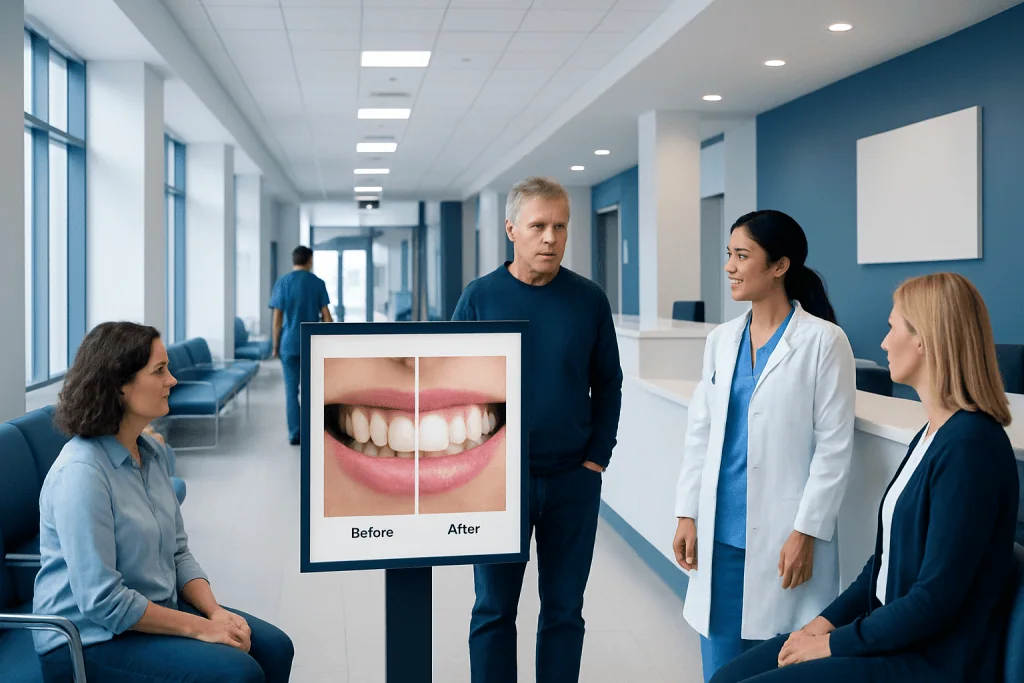
Realistic cosmetic dentistry results aim for healthy, natural-looking improvement rather than perfection. Before-and-after outcomes vary based on tooth condition, gums, bite, and facial proportions.
Key Takeaways
- Realistic cosmetic dentistry results aim for healthy, natural-looking improvement rather than perfection.
- Before-and-after outcomes vary based on tooth condition, gums, bite, and facial proportions.
- Common cosmetic options include whitening, bonding, veneers, crowns, gum contouring, and orthodontic alignment.
- A dental assessment is important because untreated decay, gum disease, or grinding can affect both appearance and durability.
- Clear communication about goals, shade, shape, and maintenance helps patients feel satisfied with the final result.
Cosmetic dentistry can improve tooth color, shape, spacing, and overall smile balance, but the most realistic results are natural-looking rather than perfectly uniform. Expected changes depend on the person’s starting teeth, oral health, facial features, and the treatments chosen.
Overview: What Cosmetic Dentistry Can Realistically Change
Cosmetic dentistry focuses on improving the appearance of teeth and gums while also supporting comfort and function when possible. Many people look at dramatic photos online and wonder whether the same transformation is possible for them. In reality, cosmetic dentistry before and after results are highly individual, and the most successful outcomes are usually those that look balanced, healthy, and natural for the person’s face.
Cosmetic treatment can address concerns such as stained teeth, small chips, uneven edges, mild gaps, worn teeth, misshapen teeth, and excess gum display. Some treatments can also help improve the visual effect of crowded or irregular teeth, although not every alignment issue should be treated cosmetically alone. A dentist will usually consider both appearance and oral function before recommending a plan.
It is also important to understand that “after” photos often reflect more than one procedure. A smile makeover may combine whitening, contouring, bonding, veneers, gum reshaping, or crowns depending on the case. For that reason, realistic expectations begin with a full evaluation and a personalized plan rather than a single image used as a model.
What Influences Before-and-After Results
Several factors shape what cosmetic dentistry can achieve. The starting condition of the teeth matters greatly. Teeth that are healthy but discolored may respond very well to whitening, while teeth that are cracked, heavily filled, worn down, or structurally weak may need more protective restorations. Gum health also plays a major role, because inflamed or receding gums can affect both the appearance of the smile and the success of treatment.
Facial proportions, lip shape, smile line, and bite relationship also influence the final look. A result that appears attractive on one person may not look natural on another. Dentists often aim to create harmony between tooth size, gum levels, and facial features rather than making every tooth look identical or unnaturally bright.
Another important factor is patient expectation. Some people want a subtle refresh, while others hope for a more noticeable transformation. Discussing preferred tooth shade, shape, length, and overall style helps align expectations with what is biologically safe and aesthetically appropriate. Modern planning tools used in digital dentistry can help patients visualize possible changes before treatment begins.
Common Cosmetic Treatments and What They Can Do

Cosmetic dentistry includes a range of options, from minimal treatments to more comprehensive smile design. Professional whitening can brighten teeth affected by common stains, though results depend on the cause of discoloration. Bonding can repair small chips, reshape edges, and close minor gaps using tooth-colored material. These options are often conservative and may work well for people who want improvement without major alteration of the tooth structure.
For more significant changes in color, shape, or symmetry, dentists may recommend veneers or crowns. Veneers cover the front surface of selected teeth and can create a smoother, more uniform appearance. Crowns may be more suitable when a tooth needs both cosmetic improvement and structural support, such as after large fillings or fractures. In some cases, dental crowns can improve both durability and smile appearance.
Gum-related aesthetics can also be part of cosmetic care. If teeth look short because of excess gum tissue or uneven gum levels, reshaping may improve tooth proportions. Treatments within gingival aesthetics may help create a more balanced smile when the gums are the main issue rather than the teeth themselves.
When multiple concerns are present, a dentist may suggest a broader plan through cosmetic dentistry or aesthetic dentistry. This might combine several techniques over time to improve color, form, alignment, and gum contour in a coordinated way.
What Results Are Realistic for Different Concerns
For tooth color, realistic improvement usually means a cleaner, brighter shade that still suits the person’s complexion and age. Very dark internal stains, discoloration from certain medications, or old dental materials may not respond fully to whitening alone. In those situations, veneers, bonding, or crowns may offer more predictable cosmetic change.
For shape and size, cosmetic procedures can make teeth look more even, less worn, or better proportioned. Small chips and irregular edges often respond very well to bonding or contouring. Larger differences in tooth shape may require veneers or crowns, but even then, dentists usually try to preserve a natural degree of individuality so the teeth do not appear artificial.
For spacing and alignment, cosmetic dentistry can improve mild gaps or minor asymmetry, but it may not be the best solution for significant crowding, bite problems, or jaw-related issues. In these cases, orthodontic treatment may be more appropriate before or instead of cosmetic restorations. For gum appearance, contouring can be helpful when the issue is uneven gum height, though it will not correct every cause of a “gummy smile.”
Overall, realistic results are those that improve the smile in a way that also respects tooth biology, gum health, and bite function. A well-planned result should help the teeth look refreshed and harmonious, not overly opaque, oversized, or unnaturally white.
Assessment and Smile Planning Before Treatment
A proper assessment is one of the most important steps in cosmetic dentistry. Before recommending any treatment, a dentist typically examines the teeth, gums, jaw function, and bite. X-rays, photographs, digital scans, and shade analysis may also be used. This helps identify hidden problems such as decay, old leaking fillings, gum disease, or tooth grinding that could affect the result.
Patients are often encouraged to share what bothers them most and what type of change they hope to see. Some may want a brighter smile for a special event, while others are more concerned about worn edges, asymmetry, or gum exposure. A thoughtful consultation can help distinguish what is possible now, what may need staged treatment, and what may be best left unchanged for the sake of long-term dental health.
In some cases, temporary mock-ups or digital smile previews are used to test shape and length before final work is completed. These tools can be helpful, but they still represent a guide rather than a promise of exact results. Dentists generally explain the expected benefits, limitations, lifespan, and maintenance needs of each option so the patient can make an informed decision.
Limits, Risks, and Longevity of Cosmetic Dental Work
Cosmetic dentistry can produce satisfying changes, but it has limits. Teeth and gums are living tissues, and not every idealized image is realistic or healthy. Overly aggressive reshaping, very bright shades, or restorations that are too large can affect speech, bite comfort, gum health, or the natural appearance of the smile.
Like any dental treatment, cosmetic procedures may have risks or trade-offs. Whitening can cause temporary sensitivity. Bonding may chip or stain over time. Veneers and crowns may eventually need repair or replacement, especially if a person grinds their teeth or has a heavy bite. Gum contouring requires appropriate healing and may not be suitable for every gum type or health condition.
Maintenance is also part of realistic expectations. Coffee, tea, tobacco, poor oral hygiene, and untreated bruxism can shorten the life or appearance of cosmetic work. Regular professional care and good home habits help protect results. Patients with grinding may need evaluation for bruxism and possible protective measures to reduce wear on natural teeth and restorations.
When treatment is carefully planned and maintained, results can be durable and attractive. However, cosmetic dentistry is not permanent in the sense of never changing. Teeth naturally age, gums can shift, and restorations may need future attention.
How to Prepare, Care for Results, and Choose the Right Timing
Preparation often begins with basic dental health. Professional cleaning, treatment of cavities, and gum care may be needed before cosmetic work. If a patient has active gum bleeding, sensitivity, or infection, these issues are usually addressed first. A strong foundation supports both better aesthetics and better longevity.
After treatment, daily care remains essential. Brushing with fluoride toothpaste, cleaning between the teeth, limiting stain-causing foods and drinks, and attending regular checkups can all help maintain the result. Some patients may also need night guards, touch-up whitening, or periodic polishing depending on the materials used and their habits.
Timing matters as well. A person planning a wedding, professional event, or major life change may wish to start early rather than close to the date, especially if treatment involves several steps or healing time. It is also wise to avoid rushing into irreversible procedures without fully understanding alternatives.
For people seeking comprehensive evaluation, multidisciplinary specialists can coordinate cosmetic and restorative needs together. Near the end of the process, some international patients choose centers such as Acibadem International, where JCI-accredited hospitals and dental teams assess suitability, plan treatment carefully, and provide follow-up guidance.
When to See a Dentist About Cosmetic Concerns
A dental consultation is appropriate when a person feels self-conscious about tooth color, shape, spacing, wear, or gum appearance. It is especially important to seek assessment if cosmetic concerns are accompanied by pain, sensitivity, bleeding gums, loose teeth, jaw discomfort, or difficulty chewing, because these signs may suggest an underlying problem that needs treatment first.
People should also see a dentist if they are considering mail-order whitening or heavily promoted smile makeover options and are unsure whether they are safe or suitable. Professional guidance can help protect enamel, avoid unnecessary treatment, and identify when simpler or more conservative care may be enough.
In general, the best cosmetic dentistry before and after results come from personalized planning, realistic expectations, and good oral health. A qualified dentist can explain the likely outcome for each option and help patients choose an approach that looks natural, feels comfortable, and supports long-term dental well-being.
Frequently asked questions
How natural should cosmetic dentistry look?
In most cases, the most realistic result is one that looks healthy, balanced, and appropriate for the person’s face rather than extremely white or perfectly identical. Many people prefer a smile that appears refreshed without looking obviously treated.
Can cosmetic dentistry fix crooked teeth?
It can improve the appearance of mild spacing or small alignment issues, depending on the treatment used. However, more significant crowding, bite problems, or jaw alignment concerns may need orthodontic treatment rather than cosmetic correction alone.
Do before-and-after photos show what everyone can expect?
No. Before-and-after photos can be helpful examples, but they do not guarantee the same result for another person. Tooth structure, gum levels, bite, and overall oral health all influence what is possible.
How long do cosmetic dentistry results last?
Longevity depends on the type of treatment, the materials used, and daily habits such as oral hygiene, diet, and whether the person grinds their teeth. Many cosmetic treatments last well with proper care, but they may still need maintenance, repair, or replacement over time.
Is teeth whitening enough for a smile makeover?
For some people, yes. If the main concern is surface discoloration and the teeth are otherwise well-shaped and healthy, whitening may provide a satisfying improvement. If there are chips, gaps, worn edges, uneven shapes, or restorations that do not match, additional treatments may be needed.
What should a patient ask at a cosmetic dentistry consultation?
It helps to ask what treatment options are available, what the realistic result will be, how much natural tooth structure may be affected, and how the work will be maintained. Patients can also ask to see examples of similar cases and whether any gum, bite, or grinding issues should be treated first.
References
- American Dental Association
- National Health Service
- Mayo Clinic
- FDI World Dental Federation
This article is for general information only and is not a substitute for professional medical advice. Please consult a qualified doctor about your individual situation.
Cosmetic Dentistry in Turkey — costs, top hospitals & a free quote
JCI-accredited · board-certified surgeons · reply within 24h
Add us as a Preferred Source to see more of our trusted health content across Google Search, AI Overviews and Discover.

Dental & Oral Health
Full-scope dental care from implants and aesthetics to oral and maxillofacial surgery.
158 specialists in this unitRelated Treatments
More from the Health Library



Related Specialists

Assoc. Prof. Dr. Ferit Bayram
Oral & Dental Health
Dt. Alara Naz Kenir
Oral & Dental Health
Dt. Gonca Katmer
Oral & Dental HealthDt. Doğa Baysal
Oral & Dental Health