Pediatric Epilepsy Surgery: Which Children May Be Candidates?

Children may be considered for epilepsy surgery when seizures continue despite trying suitable anti-seizure medicines. A child does not need to have very frequent seizures to be evaluated if seizures affect development, learning, or safety.
Key Takeaways
- Children may be considered for epilepsy surgery when seizures continue despite trying suitable anti-seizure medicines.
- A child does not need to have very frequent seizures to be evaluated if seizures affect development, learning, or safety.
- Testing usually includes brain imaging, EEG monitoring, and neurodevelopmental assessment to find where seizures start.
- Surgery is not one single operation; options include resection, disconnection procedures, and implanted neuromodulation devices.
- For carefully selected children, surgery may improve seizure control, quality of life, and developmental progress.
- Evaluation should be done by a multidisciplinary pediatric epilepsy team with experience in surgical decision-making.
Pediatric epilepsy surgery can be an effective option for some children whose seizures continue despite appropriate medication. Careful testing helps specialists decide which children may benefit and which type of surgery offers the best balance of seizure control and safety.
Overview of Pediatric Epilepsy Surgery
Pediatric epilepsy surgery refers to procedures used to reduce or stop seizures in children when medicines alone are not enough. The goal is to treat the area of the brain where seizures begin, or to interrupt the pathways that allow seizures to spread. In some cases, surgery aims for complete seizure freedom. In others, it aims to reduce seizure frequency or severity and improve safety, learning, sleep, and daily functioning.
Many families are surprised to learn that surgery can be considered in childhood. A common misconception is that it is only a last resort after many years of uncontrolled seizures. In reality, early evaluation can be important because ongoing seizures may affect a child’s development, behavior, and quality of life. For some children, timely treatment may help protect learning and brain development.
Epilepsy surgery is not suitable for every child with epilepsy. It is most often considered for children with drug-resistant epilepsy, meaning seizures continue despite appropriate use of anti-seizure medications. The decision is highly individualized and depends on the child’s seizure type, brain imaging findings, overall health, and the expected benefits and risks of intervention.
Which Children May Be Candidates?
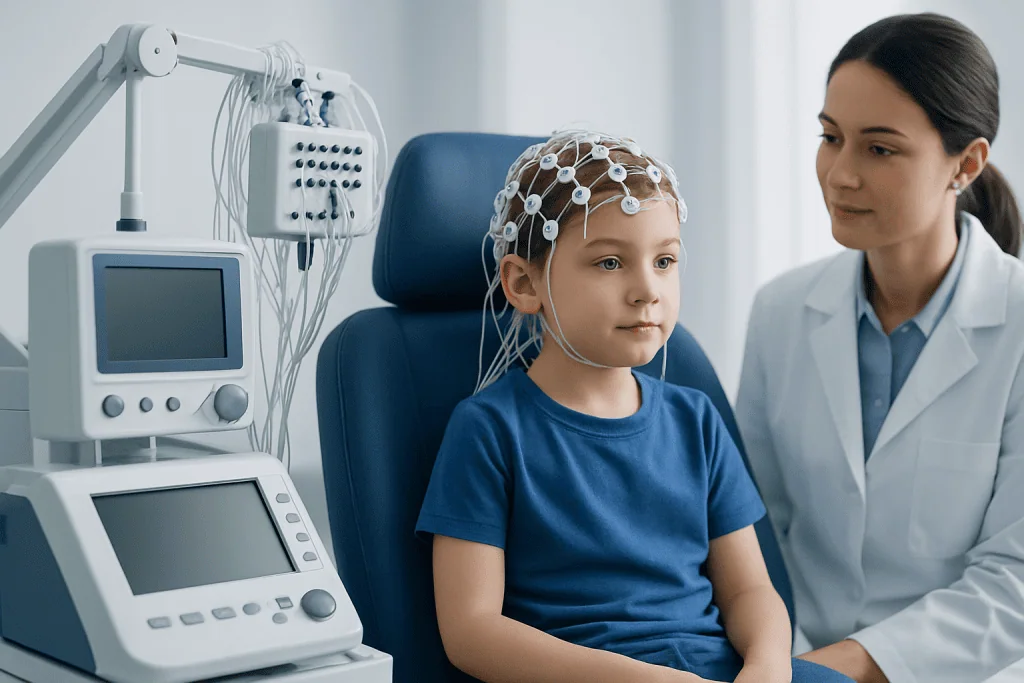
A child may be a candidate for pediatric epilepsy surgery if seizures are not controlled after trying two appropriate anti-seizure medicines at suitable doses. This situation is often called drug-resistant or medically refractory epilepsy. Once epilepsy reaches this stage, the chance that additional medicines alone will fully stop seizures may be lower, so referral to a specialized epilepsy center becomes especially important.
Children may also be considered if they have a structural brain abnormality that appears to be causing seizures, such as focal cortical dysplasia, a scar from an earlier injury, a benign tumor linked to seizures, or certain congenital brain differences. If testing shows that seizures consistently start from one clearly defined area, surgery may be more likely to help. Some children with severe seizure syndromes may be considered for palliative procedures that reduce seizure spread even when a single focus cannot be removed.
The number of seizures is only one part of the decision. A child who has less frequent seizures may still need evaluation if seizures cause falls, injuries, prolonged episodes, emergency visits, or developmental regression. Concerns about speech, memory, attention, school performance, sleep, or behavior may also support earlier surgical assessment.
Age alone does not rule surgery in or out. Infants, school-age children, and adolescents may all be considered if the expected benefit is meaningful and the surgical plan is appropriate. The key question is not simply whether surgery is possible, but whether a careful evaluation suggests that it offers the child a better long-term outlook than continuing with uncontrolled seizures.
Symptoms and Clues That Warrant Evaluation
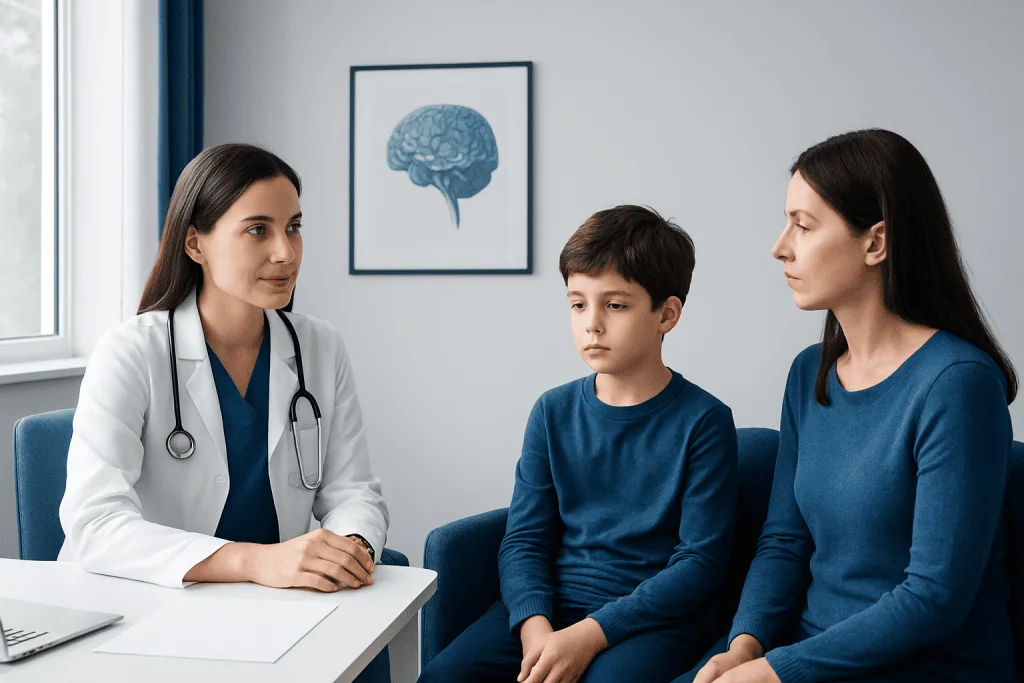
Children with epilepsy can have many different seizure patterns. Some experience staring spells, unusual movements, loss of awareness, sudden falls, stiffening, jerking, or episodes that occur mainly during sleep. Others may have subtle seizures that are mistaken for daydreaming, clumsiness, or behavior problems. When these events continue despite treatment, families should ask whether a comprehensive epilepsy surgery evaluation is appropriate.
There are several signs that may suggest a child should be referred to a pediatric epilepsy center:
- Seizures continue after trials of two suitable anti-seizure medicines.
- Brain MRI shows a lesion or other abnormality linked to seizures.
- Seizures are causing injuries, falls, or repeated emergency care.
- The child is losing skills or falling behind in development or school.
- Seizures happen in clusters, are prolonged, or are difficult to classify.
- Side effects of medicines are causing significant fatigue, mood changes, or cognitive slowing.
These clues do not automatically mean surgery will be recommended. They do mean that the child may benefit from expert assessment. A detailed evaluation can clarify the diagnosis, confirm whether the events are epileptic seizures, and identify the most suitable treatment options, which may include medication changes, diet therapy, devices, or surgery.
How Doctors Decide: Causes, Tests, and Evaluation
The decision about epilepsy surgery is based on a thorough pre-surgical evaluation. Specialists first confirm the type of epilepsy and whether seizures truly come from a specific brain region. This usually includes a detailed history, neurological examination, prolonged video-EEG monitoring, and high-quality brain MRI. Video-EEG helps doctors match visible seizure behavior with the brain’s electrical activity and identify where seizures begin.
Additional tests may be recommended depending on the child’s case. These can include PET or SPECT scans, magnetoencephalography in some centers, neuropsychological testing, speech and language assessment, and developmental evaluation. These studies help determine whether surgery is likely to affect important functions such as movement, language, vision, or memory. In selected cases, invasive monitoring with electrodes placed on or in the brain may be needed to map seizure onset more precisely.
Common causes that may lead to surgical consideration include focal cortical dysplasia, certain low-grade epilepsy-associated tumors, tuberous sclerosis, scarring from stroke or infection, and other localized abnormalities. Some children may also have widespread or multilobar epilepsy but still benefit from disconnection procedures if seizures arise predominantly from one damaged hemisphere. In others, surgery may not be advised if the seizure focus cannot be localized or if operating would likely cause unacceptable neurological harm.
Because the process can be complex, evaluation is usually discussed by a multidisciplinary team that may include pediatric neurologists, neurosurgeons, neuroradiologists, neuropsychologists, anesthesiologists, rehabilitation specialists, and epilepsy nurses. This team approach helps families understand the likely benefits, possible risks, and realistic goals of treatment.
Treatment Options in Pediatric Epilepsy Surgery
There is no single operation that fits every child. If seizures arise from one removable brain area that does not control essential functions, surgeons may recommend a resective procedure, which removes the seizure focus. In some cases, a laser-based minimally invasive approach may be considered for carefully selected lesions. Other children may need disconnection procedures that interrupt seizure pathways rather than removing large amounts of brain tissue.
For children with severe seizures involving one badly affected hemisphere, hemispherectomy or hemispherotomy may be considered. These procedures are typically reserved for very specific situations, such as extensive unilateral brain disease. Another option is corpus callosotomy, which can help reduce drop attacks and other generalized seizure spread when focal resection is not possible. Families may also hear about neuromodulation approaches, which use implanted devices to change abnormal brain signaling rather than remove brain tissue.
In children who are not ideal candidates for curative surgery, other treatments may still improve seizure control. These can include epilepsy surgery in its broader sense, such as palliative procedures, as well as vagus nerve stimulation for selected children. Some children may also benefit from dietary therapy or additional medication strategies. If a structural cause is identified, doctors may explain the child’s condition in the context of epilepsy and its subtypes.
The best option depends on the exact seizure pattern, imaging findings, developmental profile, and family goals. Specialists discuss whether the main aim is seizure freedom, meaningful seizure reduction, fewer injuries, improved alertness, or better participation in school and daily life. Setting realistic expectations is an important part of decision-making.
Benefits, Risks, and Recovery
For carefully selected children, pediatric epilepsy surgery can offer important benefits. These may include fewer seizures, seizure freedom, less need for emergency treatment, and better day-to-day safety. Some children also show improvements in attention, behavior, sleep, mood, and developmental progress once seizures are better controlled. Even when all seizures do not stop, reducing severe or frequent seizures may still make a meaningful difference for the child and family.
Like all brain procedures, epilepsy surgery carries risks. These vary by operation type and by the location of the seizure focus. Possible concerns may include infection, bleeding, stroke, weakness, speech or vision changes, memory difficulties, and continued seizures after surgery. Some children may need rehabilitation, medication adjustments, or further treatment after the procedure. The team explains these possibilities in detail before any decision is made.
Recovery also depends on the type of surgery performed. Some children spend a short time in intensive monitoring after surgery and then continue recovery in the hospital for several days. Return to school, sports, and routine activities is gradual and guided by the treating team. Follow-up usually includes repeat visits, seizure tracking, and ongoing support from neurology, rehabilitation, and school services when needed.
Near the end of evaluation and treatment planning, families may seek centers with pediatric neurology, neurosurgery, imaging, rehabilitation, and intensive care expertise in one place. Acibadem International’s multidisciplinary specialists and JCI-accredited hospitals diagnose and treat children with complex epilepsy, including those being assessed for surgical care.
When to See a Doctor and How Families Can Prepare
Families should speak with a pediatric neurologist if a child continues to have seizures despite treatment, has troubling medication side effects, or shows loss of developmental skills. Early referral matters because prolonged uncontrolled seizures can affect learning, behavior, and safety. Parents and caregivers do not need to wait for years of failed treatment before asking whether the child should be evaluated at a comprehensive epilepsy center.
It can help to keep a seizure diary with dates, duration, triggers, and videos of typical events if it is safe to record them. Bringing school reports, developmental concerns, and a list of all current and past medicines can make appointments more productive. Families may also wish to ask practical questions about the goals of surgery, expected hospital stay, possible complications, chances of medication reduction, and the support available after treatment.
Even when surgery is not recommended, the evaluation itself can be valuable. It may confirm the diagnosis, identify a different seizure syndrome, or point to other effective options such as diet therapy, device-based treatment, or rehabilitation support. A well-informed assessment helps families make decisions with greater confidence and clarity.
Frequently asked questions
At what point should a child be evaluated for epilepsy surgery?
A child should usually be considered for evaluation when seizures continue after trying two appropriate anti-seizure medicines. Earlier referral may also be appropriate if MRI shows a likely seizure-causing lesion or if seizures are harming development, safety, or daily life.
Does being a candidate for pediatric epilepsy surgery mean surgery will definitely happen?
No. An evaluation helps the team understand where seizures begin, what treatment options are available, and whether surgery is likely to help safely. Some children are found to be better candidates for medication adjustments, diet therapy, or device-based treatment instead.
Can very young children have epilepsy surgery?
Yes, in selected cases even infants and very young children may be considered. Age is only one factor, and the decision depends more on the cause of seizures, the expected benefit, and the safety of the planned procedure.
Will surgery cure epilepsy in every child?
Not always. Some children become seizure-free, while others have fewer or less severe seizures. The goal depends on the type of epilepsy, the location of the seizure focus, and the kind of surgery recommended.
What tests are usually needed before surgery is considered?
Most children need prolonged video-EEG monitoring and a detailed brain MRI. Many also have neuropsychological, developmental, language, or functional imaging tests to help map important brain functions and improve surgical planning.
Will a child still need epilepsy medicine after surgery?
Many children continue anti-seizure medicines for some time after surgery, even if seizures improve. Decisions about reducing medication are made gradually and depend on seizure control, EEG findings, and the treating neurologist’s guidance.
References
- World Health Organization
- International League Against Epilepsy
- American Epilepsy Society
- National Institute of Neurological Disorders and Stroke
- Centers for Disease Control and Prevention
This article is for general information only and is not a substitute for professional medical advice. Please consult a qualified doctor about your individual situation.
Pediatric Epilepsy in Turkey — costs, top hospitals & a free quote
JCI-accredited · board-certified surgeons · reply within 24h
Add us as a Preferred Source to see more of our trusted health content across Google Search, AI Overviews and Discover.

Neurology
Diagnosis and treatment of disorders of the brain, spinal cord, nerves and muscles.
51 specialists in this unit