Memory Disorders in Older Adults: Types, Causes, and Evaluation

Occasional forgetfulness can be part of normal aging, but persistent or worsening memory problems should be assessed. Memory changes may be caused by medications, sleep problems, depression, vitamin deficiencies, stroke, or neurodegenerative disease.
Key Takeaways
- Occasional forgetfulness can be part of normal aging, but persistent or worsening memory problems should be assessed.
- Memory changes may be caused by medications, sleep problems, depression, vitamin deficiencies, stroke, or neurodegenerative disease.
- A medical evaluation often includes history-taking, cognitive testing, physical and neurological examination, and selected blood tests or brain imaging.
- Early diagnosis can help identify reversible causes, improve safety, and support planning for treatment and daily life.
- Family observations are often valuable because loved ones may notice changes in function, judgment, or behavior before the person does.
Memory disorders in older adults are not all the same. Some reflect normal aging, while others are linked to treatable medical issues, mild cognitive impairment, or conditions such as dementia that need careful evaluation and ongoing support.
Overview of Memory Disorders in Older Adults
Memory changes are common with aging, but they do not all mean the same thing. Many older adults notice slower recall, such as taking longer to remember a name or misplacing an item now and then. This can be part of normal aging, especially when the person is still able to manage daily life, learn new information with repetition, and remember details later.
Memory disorders in older adults describe a wider range of problems in which memory becomes more noticeably impaired or begins to affect everyday activities. These problems may involve short-term memory, attention, language, planning, or judgment in addition to remembering facts or events. The term does not refer to one single disease; instead, it includes several possible causes and patterns.
Doctors often think about memory symptoms along a spectrum. At one end are age-related changes that are mild and expected. In the middle is mild cognitive impairment, where memory or thinking is worse than expected for age but independence is mostly preserved. At the more serious end are dementias, such as Alzheimer’s disease, where thinking changes become significant enough to interfere with work, home life, safety, or social functioning.
Because different conditions can look similar at first, evaluation matters. A careful assessment helps determine whether symptoms are temporary, treatable, or part of a progressive brain disorder. That distinction can guide treatment, support, and planning in a calm and practical way.
Common Symptoms and Warning Signs
Symptoms vary depending on the cause, but repeated short-term memory problems are often the most noticeable sign. A person may ask the same questions again, forget recent conversations, miss appointments despite reminders, or have trouble keeping track of medications, bills, or household tasks. Loved ones may notice these changes before the person does.
Memory disorders may also involve more than memory alone. Some people have difficulty finding words, following conversations, organizing activities, or learning how to use a familiar device. Others may become disoriented in places they know well, make poor financial decisions, or show changes in mood, personality, or motivation.
Certain warning signs suggest that a medical review should not be delayed. These include a steady decline over months, problems managing daily activities, getting lost, unsafe driving, confusion with medications, sudden changes after an illness, falls, hallucinations, or major behavior changes. Symptoms that begin abruptly are especially important because they can point to stroke, infection, delirium, or another urgent medical issue.
Families can help by paying attention to patterns rather than isolated lapses. Helpful observations include when the symptoms began, whether they fluctuate, what tasks have become difficult, and whether sleep, stress, illness, or new medications seemed to trigger a change. This information often improves the accuracy of the evaluation.
Types of Memory Problems in Later Life

Normal age-related forgetfulness is usually mild. A person may need more time to recall information, rely more on lists, or occasionally forget a name but remember it later. In this pattern, day-to-day independence and judgment remain intact, and there is no clear loss of function.
Mild cognitive impairment, often called MCI, involves measurable decline in memory or another thinking skill that is greater than expected for age. The person may still live independently but may need more effort, reminders, or compensatory strategies to stay organized. Some people with MCI remain stable or even improve if the cause is reversible, while others later develop dementia.
Dementia is a broader clinical syndrome, not a single disease. It refers to decline in memory and other cognitive functions severe enough to affect daily life. Causes include Alzheimer’s disease, vascular dementia related to blood vessel changes or stroke, Lewy body dementia, frontotemporal dementia, and mixed forms. Each can have a somewhat different pattern of memory, behavior, movement, or visual symptoms.
Older adults can also develop sudden or temporary memory problems from delirium, head injury, severe sleep deprivation, alcohol misuse, depression, or medication side effects. These conditions may mimic dementia but often require a different approach. Distinguishing among these types is one of the main goals of a proper clinical evaluation.
Causes and Risk Factors
There are many possible causes of memory disorders in older adults. Some are related to changes in the brain, while others come from general health conditions that affect brain function. Neurodegenerative diseases such as Alzheimer’s disease are a common cause of progressive memory decline. Vascular problems, including strokes and small vessel disease, can also impair thinking by reducing blood flow to parts of the brain.
Reversible or partly reversible causes are especially important to identify. These include side effects of certain medications, sleep apnea, thyroid disease, vitamin B12 deficiency, depression, hearing or vision loss, dehydration, infection, and uncontrolled diabetes. In some people, several small factors combine to produce noticeable symptoms.
Risk tends to rise with age, but aging alone does not cause dementia. Other factors that may increase risk include high blood pressure, diabetes, high cholesterol, smoking, physical inactivity, social isolation, prior stroke, head injury, and a family history of certain neurodegenerative conditions. Long-standing depression and untreated sleep disorders can also affect memory and concentration over time.
It is also important to remember that emotional health matters. Depression in older adults may present with forgetfulness, slowed thinking, low motivation, and difficulty concentrating. Because these symptoms can resemble a neurocognitive disorder, doctors usually consider both mental and physical causes during assessment.
How Doctors Evaluate Memory Disorders
Evaluation begins with a detailed medical history. The doctor asks about the memory symptoms, when they started, how quickly they changed, and whether they affect daily activities such as cooking, finances, shopping, driving, or taking medications. Family members or close friends are often invited to share observations, because they may notice changes in function, safety, or behavior that the patient cannot fully describe.
A physical and neurological examination follows. The clinician may assess speech, eye movements, strength, balance, reflexes, and gait, looking for clues that suggest stroke, Parkinsonian features, neuropathy, or other neurological problems. Simple office-based cognitive tests can assess memory, attention, language, orientation, and executive function. In some cases, more detailed neuropsychological testing is recommended to better define the pattern of strengths and weaknesses.
Laboratory tests are often used to look for common reversible contributors, such as thyroid problems, vitamin deficiencies, infection, or metabolic abnormalities. Depending on the situation, the doctor may also review hearing, vision, sleep, mood, and all prescription and nonprescription medications, including supplements and alcohol use.
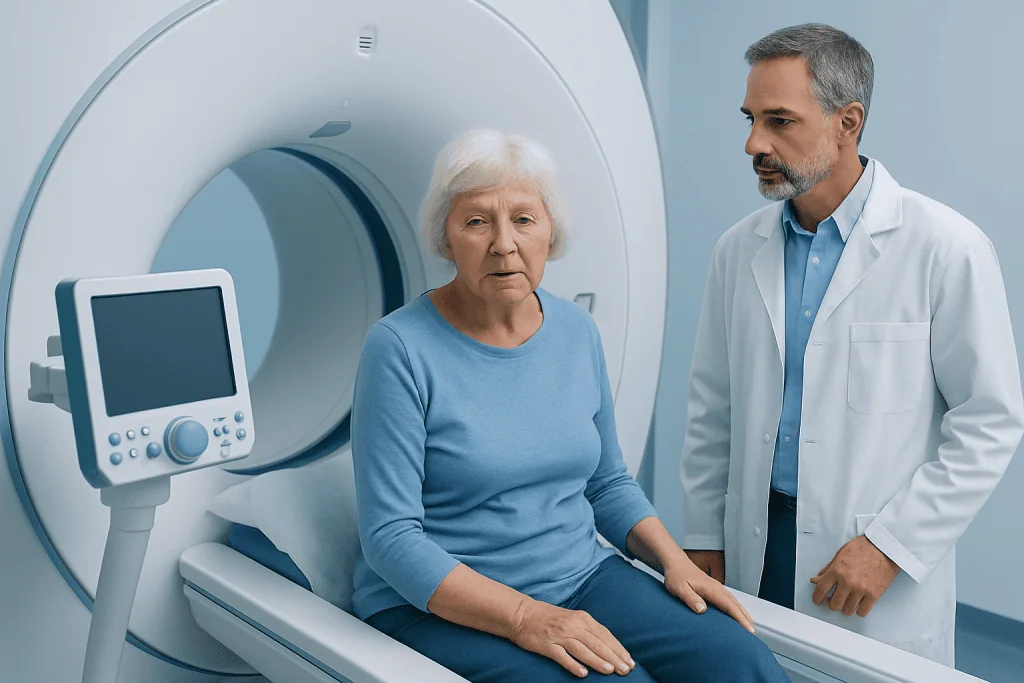
Brain imaging may be advised when symptoms are progressive, unusual, sudden, or accompanied by other neurological signs. Depending on the case, this may involve MRI or CT scanning to look for strokes, bleeding, tumors, hydrocephalus, or patterns of brain atrophy. If seizures, episodes of confusion, or unexplained spells are suspected, additional testing such as EEG may sometimes be useful. The overall aim is not only to name the condition but to understand its likely cause and impact.
Treatment Options and Ongoing Care
Treatment depends on the underlying diagnosis. If a reversible cause is found, care focuses on correcting it when possible, such as adjusting medications, treating thyroid disease, addressing vitamin deficiency, improving sleep, or managing depression. When memory problems are related to vascular disease, controlling blood pressure, cholesterol, diabetes, and other cardiovascular risks becomes an important part of brain health.
For mild cognitive impairment or dementia, treatment usually combines medical management with practical support. Depending on the diagnosis, a doctor may consider medicines that help with symptoms for some patients, though these do not cure progressive neurodegenerative disease. Just as important are routines, memory aids, sleep support, physical activity, and management of hearing and vision.
Safety and daily function should be reviewed early and revisited over time. This may include checking whether driving remains safe, simplifying medication schedules, reducing fall risks, and setting up reminders or supervision for finances and appointments. Occupational therapists, speech therapists, and social workers can help preserve independence and reduce stress for both patients and caregivers.
Care often works best when it is multidisciplinary. Near the end of the care pathway, some families seek support from centers experienced in geriatric neurology, cognitive assessment, and rehabilitation. Acibadem International’s multidisciplinary specialists and JCI-accredited hospitals diagnose and treat memory-related conditions for international patients when a comprehensive evaluation is needed.
Prevention, Brain Health, and Self-care
Not all memory disorders can be prevented, but healthy habits can support brain health and may lower risk. Regular physical activity, a balanced eating pattern, good sleep, social engagement, and mentally stimulating activities are all associated with healthier cognitive aging. Activities do not need to be complicated; consistency matters more than perfection.
Managing long-term medical conditions is also important. Good control of blood pressure, diabetes, and cholesterol may help reduce the risk of vascular cognitive decline. Avoiding smoking, limiting alcohol, and treating hearing loss can support both brain health and day-to-day functioning.
Practical self-care strategies can make mild memory changes easier to manage. Useful tools include calendars, pill organizers, written reminders, phone alerts, labeled storage places, and keeping important items in the same location. Establishing regular routines for meals, sleep, and appointments can reduce confusion and support confidence.
Caregivers also need support. When memory problems begin to affect daily life, family members may benefit from education about communication, safety, and future planning. Seeking guidance early often reduces stress and helps families make thoughtful decisions step by step rather than in crisis.
When to See a Doctor
An older adult should see a doctor if memory problems are persistent, worsening, or affecting everyday activities. Warning signs include repeated missed medications, getting lost, difficulty handling money, confusion about familiar tasks, unsafe driving, or major changes in mood or personality. Even when symptoms seem mild, an early check can be helpful because some causes are treatable.
Urgent medical care is needed when confusion develops suddenly, especially if it is accompanied by fever, weakness, facial drooping, trouble speaking, severe headache, fainting, or new difficulty walking. These symptoms can signal stroke, infection, delirium, or another acute condition that should be assessed without delay.
It can be helpful to bring a medication list, examples of changes noticed at home, and, if possible, a family member or trusted friend to the appointment. Notes about sleep, mood, falls, diet, and recent illnesses may also help. Clear information allows the doctor to look for patterns and choose the most appropriate tests.
Memory disorders in older adults can feel uncertain, but evaluation provides direction. A careful diagnosis can identify reversible factors, clarify what type of condition may be present, and create a practical care plan focused on safety, function, and quality of life.
Frequently asked questions
Is memory loss a normal part of aging?
Some mild forgetfulness can occur with normal aging, such as taking longer to recall names or occasionally misplacing items. Memory loss that steadily worsens or interferes with daily activities is not considered a normal part of aging and should be evaluated.
What is the difference between mild cognitive impairment and dementia?
Mild cognitive impairment means memory or thinking is worse than expected for age, but the person is still mostly independent in daily life. Dementia causes broader and more significant cognitive decline that affects daily tasks, safety, and function.
Can medications cause memory problems in older adults?
Yes. Some prescription drugs, over-the-counter medicines, or combinations of medicines can affect attention, alertness, and memory, especially in older adults. A doctor or pharmacist can review all medications and supplements to see whether they may be contributing.
How is a memory disorder diagnosed?
Diagnosis usually involves a medical history, discussion with the patient and often a family member, cognitive testing, and a physical and neurological examination. Blood tests and, in some cases, brain imaging or other studies may be used to look for reversible causes or specific brain conditions.
Can memory problems be reversed?
Some causes can improve, especially when related to medication effects, depression, sleep problems, vitamin deficiencies, thyroid disease, or other medical issues. Progressive neurodegenerative diseases are usually not reversible, but early treatment and support can still help manage symptoms and maintain quality of life.
When should a family be concerned about forgetfulness?
Concern is reasonable when forgetfulness becomes frequent, progresses over time, or affects safety and independence. Examples include getting lost, repeating the same questions often, missing medications, poor financial judgment, or sudden confusion after an illness.
References
- World Health Organization
- National Institute on Aging
- Alzheimer's Association
- Centers for Disease Control and Prevention
- American Academy of Neurology
This article is for general information only and is not a substitute for professional medical advice. Please consult a qualified doctor about your individual situation.
Explore treatments in Turkey — costs, top hospitals & a free quote
JCI-accredited · board-certified surgeons · reply within 24h
Add us as a Preferred Source to see more of our trusted health content across Google Search, AI Overviews and Discover.

More from the Health Library



Related Specialists

Assoc. Prof. Dr. Yusuf Karakaş
Medical Oncology
Assoc. Prof. Dr. Hasan Üstün
Medical Oncology
Asst. Prof. Dr. Hülya Kuşoğlu
Infectious Diseases & Clinical Microbiology
Dr. Veli Çelik
Anesthesiology