Memory Loss Specialist: Who Diagnoses Cognitive Decline?

Several types of doctors can diagnose memory loss, including neurologists, geriatricians, psychiatrists, and primary care physicians. Memory problems are not always dementia; depression, sleep disorders, medication effects, vitamin deficiencies, and thyroid disease can also affect thinking.
Key Takeaways
- Several types of doctors can diagnose memory loss, including neurologists, geriatricians, psychiatrists, and primary care physicians.
- Memory problems are not always dementia; depression, sleep disorders, medication effects, vitamin deficiencies, and thyroid disease can also affect thinking.
- Diagnosis usually includes a medical history, cognitive screening, physical and neurological examination, blood tests, and sometimes brain imaging.
- Early evaluation can help identify reversible causes and support earlier treatment planning.
- Family observations are often helpful because changes in daily function may be subtle at first.
A memory loss specialist is usually a doctor trained to evaluate thinking, behavior, and brain health, such as a neurologist, geriatrician, psychiatrist, or primary care physician with experience in cognitive disorders. The right evaluation helps identify whether memory changes are part of normal aging, a treatable medical problem, mild cognitive impairment, or dementia.
Overview: What Is a Memory Loss Specialist?
A memory loss specialist is a doctor who evaluates changes in memory, attention, language, problem-solving, and daily functioning. This may be a neurologist, especially one focused on cognitive disorders, a geriatrician who cares for older adults, a psychiatrist who assesses mood and behavior-related causes, or a primary care physician who begins the workup and coordinates referrals. In some hospitals, patients may be seen in a dedicated memory clinic by a multidisciplinary team.
People often use the term “memory loss” broadly, but specialists look at many parts of cognition, not just forgetfulness. They consider whether symptoms affect work, finances, medication management, driving, cooking, social communication, and safety at home. This broader view helps distinguish normal age-related changes from a medical condition that needs treatment or monitoring.
Seeing a specialist can be especially helpful when symptoms are progressing, when the cause is unclear, or when a person has additional neurological symptoms such as tremor, walking difficulty, personality change, or speech problems. Early assessment does not always mean a serious diagnosis. In many cases, the evaluation identifies treatable contributors or provides reassurance and a practical plan for follow-up.
When Memory Changes May Need Medical Evaluation
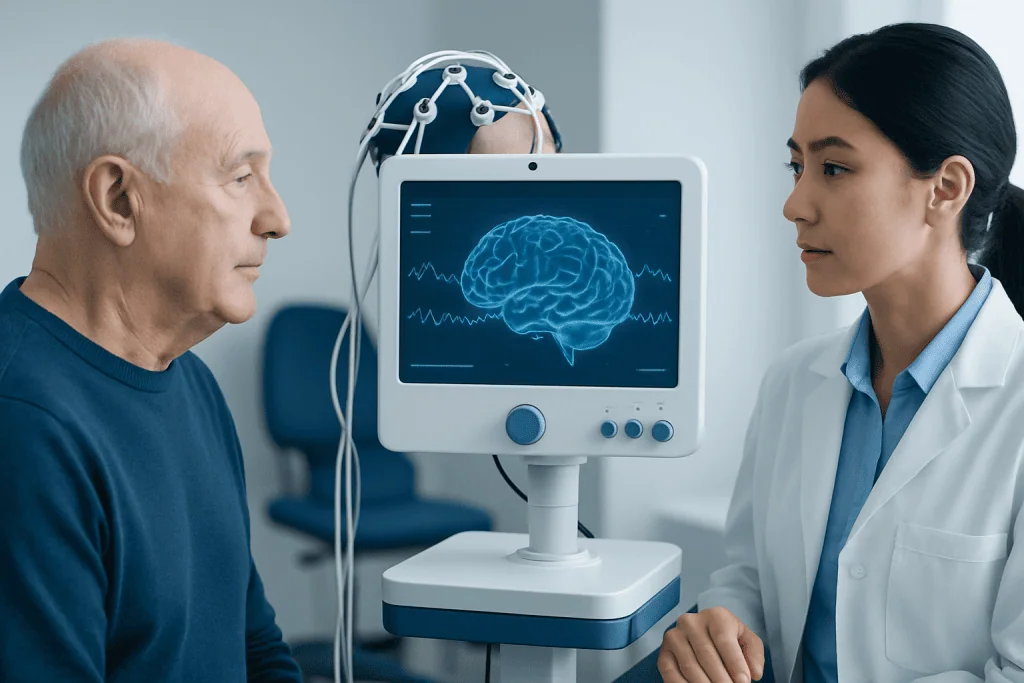
Occasional forgetfulness can happen at any age, especially during stress, poor sleep, illness, or busy periods. Normal aging may involve slower recall, such as taking longer to remember a name or misplacing items from time to time. These lapses are usually mild and do not significantly interfere with independence.
A medical evaluation is more important when memory problems become frequent, worsen over time, or begin to affect everyday life. Examples include repeating the same questions, getting lost in familiar places, missing bill payments, forgetting medications, struggling to follow conversations, or having noticeable changes in judgment or personality. Family members may see these changes before the person affected does.
It is also important to seek assessment when cognitive changes appear suddenly. Sudden confusion, severe disorientation, weakness, speech difficulty, vision changes, or facial drooping may point to an urgent problem rather than a gradual memory disorder. Ongoing or progressive symptoms deserve a planned evaluation, while abrupt symptoms need prompt medical attention.
- Forgetting recent events repeatedly
- Difficulty completing familiar tasks
- Problems with planning, language, or decision-making
- Changes in mood, behavior, or social withdrawal
- Safety concerns, such as leaving the stove on or wandering
Which Doctors Diagnose Cognitive Decline?

Primary care physicians are often the first professionals to evaluate memory concerns. They review medications, look for common medical causes, perform initial cognitive screening, and decide whether referral is needed. For many people, this first step is valuable because common contributors such as sleep problems, dehydration, depression, medication side effects, or uncontrolled chronic illness can be identified early.
Neurologists diagnose conditions that affect the brain and nervous system. A neurologist may be especially helpful when memory loss occurs alongside headaches, seizures, stroke history, Parkinsonian symptoms, gait changes, or other neurological findings. Some neurologists have added expertise in dementia and other cognitive disorders, including Alzheimer’s disease and related conditions.
Geriatricians specialize in the health needs of older adults and often assess memory in the context of frailty, multiple medications, falls, sleep, mood, and functional status. Psychiatrists can help when depression, anxiety, psychosis, trauma, or significant behavior changes may be contributing to cognitive symptoms. Neuropsychologists are not medical doctors, but they play an important role by performing detailed testing that maps strengths and weaknesses across different thinking skills.
In complex cases, a team approach may be best. This can include neurology, geriatrics, psychiatry, neuroradiology, rehabilitation, and social work. A structured team evaluation helps create a more accurate diagnosis and a realistic support plan for the person and family.
Common Causes and Risk Factors
Memory loss has many possible causes. Some are reversible or partly reversible, while others are chronic and progressive. Specialists look beyond dementia because cognitive symptoms may result from depression, chronic stress, poor sleep, hearing loss, medication effects, vitamin B12 deficiency, thyroid problems, infections, alcohol misuse, or uncontrolled diabetes. Delirium, a sudden state of confusion often triggered by illness or hospitalization, is also an important cause, especially in older adults.
Mild cognitive impairment describes measurable changes in thinking that are greater than expected for age but do not yet significantly limit independence. Some people with mild cognitive impairment remain stable or even improve if a contributing factor is treated. Others may later develop dementia, which is a broader syndrome affecting memory and other cognitive functions enough to interfere with daily life.
Risk factors for cognitive decline can include older age, family history, high blood pressure, diabetes, high cholesterol, smoking, sleep apnea, lack of physical activity, depression, social isolation, and previous stroke or traumatic brain injury. Specialists also consider different forms of dementia such as vascular dementia, dementia with Lewy bodies, and frontotemporal disorders, because symptoms and management may differ.
A thorough evaluation does not assume one single cause from the start. In many people, more than one factor is involved, such as a neurodegenerative condition combined with poor sleep or medication burden. Identifying these layers can improve care even when there is no complete cure.
How Diagnosis Is Made
Diagnosis usually starts with a detailed history. The doctor asks when symptoms began, how quickly they developed, what types of thinking problems are present, and whether daily activities have changed. Information from a spouse, adult child, or close friend can be very helpful because the affected person may not notice all changes. The doctor will also ask about mood, sleep, alcohol use, medical conditions, and all prescription and nonprescription medicines.
The evaluation often includes cognitive screening tests that assess orientation, recall, attention, language, and visuospatial skills. A physical and neurological examination may look at reflexes, strength, walking, balance, eye movements, tremor, and signs of stroke or Parkinsonism. These findings help point toward the most likely cause.
Blood tests are commonly used to check for treatable contributors such as thyroid disease, vitamin deficiencies, infection, anemia, or metabolic problems. Brain imaging may be recommended when symptoms are progressive, atypical, sudden in onset, or associated with other neurological signs. Depending on the situation, a doctor may request brain MRI or CT imaging to look for strokes, bleeding, tumors, hydrocephalus, or patterns of brain atrophy.
Some patients benefit from more detailed neuropsychological testing, which provides a fuller picture of memory, language, executive function, and processing speed. This can help distinguish depression-related cognitive complaints from neurodegenerative disease and can be useful for tracking change over time. In selected cases, doctors may consider further testing through a specialist service, especially when the diagnosis remains uncertain.
Treatment Options and Ongoing Care
Treatment depends on the cause. If memory problems are related to medication side effects, sleep apnea, depression, hearing loss, thyroid disease, vitamin deficiency, or another reversible issue, managing that condition may improve cognitive symptoms. When a neurodegenerative disease is diagnosed, treatment focuses on slowing symptom progression where possible, supporting daily function, and improving quality of life.
Care plans may include medication review, treatment of vascular risk factors, structured routines, sleep support, hearing and vision correction, physical activity, and cognitive rehabilitation strategies. Some people may benefit from referral for neurological rehabilitation to support function, mobility, and independence. Counseling and education for family members are also important, because caregivers often need guidance on communication, safety, and planning ahead.
For dementia-related conditions, treatment may include medicines that help with symptoms in selected patients, along with non-drug approaches such as memory aids, calendar systems, environmental simplification, and regular daily structure. Management should also address agitation, anxiety, depression, nutrition, falls, and sleep. Follow-up visits are important because needs can change over time.
In experienced centers, evaluation and care may involve multiple specialists working together. Near the end of the care journey, some international patients choose centers such as Acibadem International, where multidisciplinary specialists in JCI-accredited hospitals evaluate and treat cognitive disorders with coordinated assessment and follow-up planning.
Prevention and Self-Care for Brain Health
Not all causes of memory loss can be prevented, but many people can support brain health through everyday habits. Managing blood pressure, diabetes, and cholesterol is important because vascular health strongly affects the brain. Regular physical activity, adequate sleep, social engagement, and treatment of hearing loss may also help maintain cognitive function.
Healthy eating patterns that emphasize vegetables, fruits, whole grains, legumes, fish, and unsaturated fats can support overall cardiovascular and brain health. Avoiding smoking and limiting alcohol are also sensible steps. For people with memory concerns, practical supports such as pill organizers, written reminders, labeled storage, and smartphone alarms can reduce daily stress and improve safety.
Families can help by observing patterns rather than isolated incidents. Keeping a brief symptom diary can make appointments more productive. It may include examples of missed appointments, repeated questions, getting lost, mood changes, or trouble handling finances. This kind of practical information often helps the specialist understand how symptoms affect real life.
It is equally important to protect dignity and independence. Encouraging a person to stay involved in familiar activities, exercise, and social routines can be beneficial. Support should be respectful and collaborative rather than critical or confrontational.
When to See a Doctor
A doctor should be consulted if memory problems are persistent, worsening, or interfering with daily activities. Earlier evaluation is especially useful when there are concerns about medication management, falls, driving, wandering, mood changes, or household safety. It is also wise to seek advice if family members notice changes that the person does not recognize.
Urgent medical attention is needed for sudden confusion, new difficulty speaking, one-sided weakness, severe headache, fainting, seizure, fever with confusion, or abrupt change in behavior. These symptoms may signal a stroke, infection, medication reaction, or another urgent condition. Rapid assessment matters in these situations.
People do not need to wait until symptoms are severe to ask for help. A timely assessment can clarify the cause, identify reversible factors, and create a plan for monitoring or treatment. Even when no cure is available, early support can improve safety, independence, and quality of life for both patients and families.
Frequently asked questions
What kind of doctor should a person see first for memory loss?
Many people start with a primary care physician, who can review symptoms, medications, and common medical causes. If needed, that doctor may refer the person to a neurologist, geriatrician, psychiatrist, or memory clinic for more specialized testing.
Is memory loss always a sign of dementia?
No. Memory problems can also be related to stress, depression, poor sleep, medication side effects, thyroid disease, vitamin deficiency, hearing loss, or other medical conditions. That is why a full evaluation is important before assuming dementia.
How does a memory loss specialist diagnose cognitive decline?
The specialist usually combines a medical history, input from family, cognitive screening, physical and neurological examination, and blood tests. In some cases, brain imaging or formal neuropsychological testing is also recommended.
When should a family member become involved in the appointment?
Family input is often helpful when symptoms affect daily life or when the person may not fully notice changes. A relative or close friend can provide examples of forgetfulness, changes in behavior, and practical concerns such as missed bills or getting lost.
Can cognitive decline be treated?
Treatment depends on the cause. Some contributors, such as medication effects, depression, sleep problems, or vitamin deficiency, may improve with treatment, while progressive conditions are usually managed with symptom support, safety planning, and ongoing follow-up.
What tests are commonly done for memory problems?
Common tests include office-based memory and thinking assessments, blood tests for reversible causes, and a neurological examination. Some people also need brain imaging or more detailed cognitive testing to clarify the diagnosis.
References
- World Health Organization
- National Institute on Aging
- Alzheimer's Association
- American Academy of Neurology
- National Institute of Neurological Disorders and Stroke
This article is for general information only and is not a substitute for professional medical advice. Please consult a qualified doctor about your individual situation.
Explore treatments in Turkey — costs, top hospitals & a free quote
JCI-accredited · board-certified surgeons · reply within 24h
Add us as a Preferred Source to see more of our trusted health content across Google Search, AI Overviews and Discover.