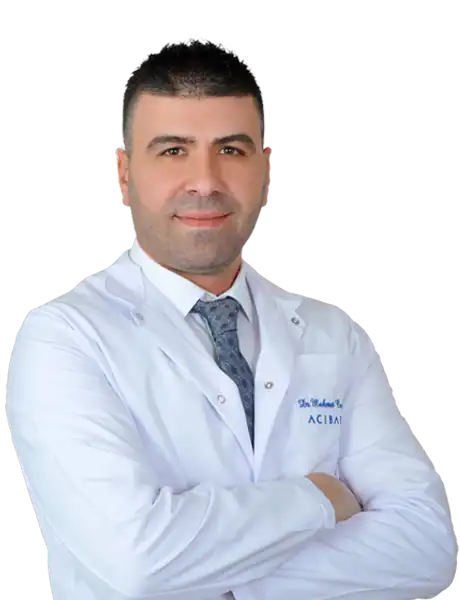
Orthopedic Doctor: What They Treat and When to See One
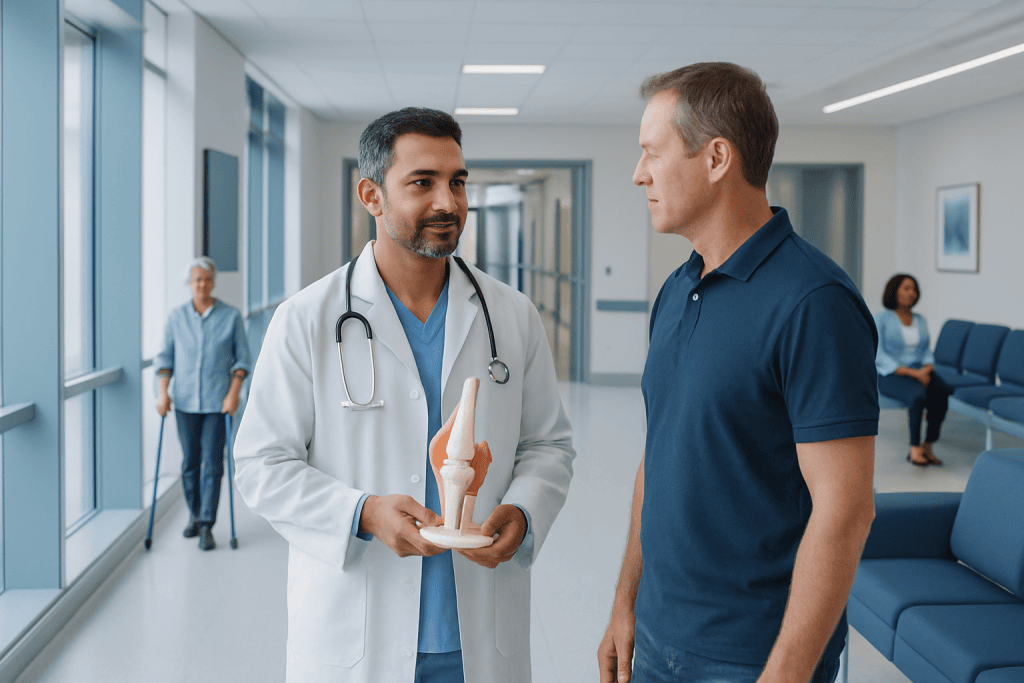
Orthopedic doctors care for the musculoskeletal system, including bones, joints, muscles, tendons, ligaments, and the spine. They treat both sudden injuries and long-term conditions such as arthritis, back pain, fractures, and sports injuries.
Key Takeaways
- Orthopedic doctors care for the musculoskeletal system, including bones, joints, muscles, tendons, ligaments, and the spine.
- They treat both sudden injuries and long-term conditions such as arthritis, back pain, fractures, and sports injuries.
- Many orthopedic problems can be managed with medication, physical therapy, exercise, injections, or lifestyle changes before surgery is considered.
- Persistent pain, swelling, limited movement, weakness, deformity, or trouble walking are common reasons to see an orthopedic doctor.
- Early evaluation can help prevent worsening symptoms and support better recovery and function.
An orthopedic doctor is a specialist who diagnoses and treats problems affecting the bones, joints, muscles, tendons, ligaments, and spine. They help people manage pain, improve movement, recover from injuries, and decide whether treatment should be non-surgical or surgical.
Overview: What Is an Orthopedic Doctor?
An orthopedic doctor is a physician trained to diagnose, treat, prevent, and rehabilitate conditions of the musculoskeletal system. This system includes bones, joints, muscles, tendons, ligaments, cartilage, and the spine. Because these structures work together to support movement and stability, orthopedic care often focuses on reducing pain, restoring function, and helping people return to daily activities safely.
Orthopedic doctors may treat people of all ages, from children with growth-related bone issues to older adults with arthritis or fractures. Some provide broad orthopedic care, while others focus on a specific area such as sports medicine, hand and wrist conditions, foot and ankle disorders, spine care, joint replacement, or trauma. Their role is not limited to surgery. In fact, many orthopedic conditions improve with non-surgical treatment.
In practice, an orthopedic doctor evaluates symptoms, performs a physical examination, orders appropriate imaging or tests, and creates a treatment plan tailored to the person’s needs. Depending on the diagnosis, this may include rest, supportive devices, physical therapy, medication, injections, rehabilitation, or an operation when necessary. The aim is to protect mobility, ease discomfort, and support long-term musculoskeletal health.
What Conditions Do Orthopedic Doctors Treat?
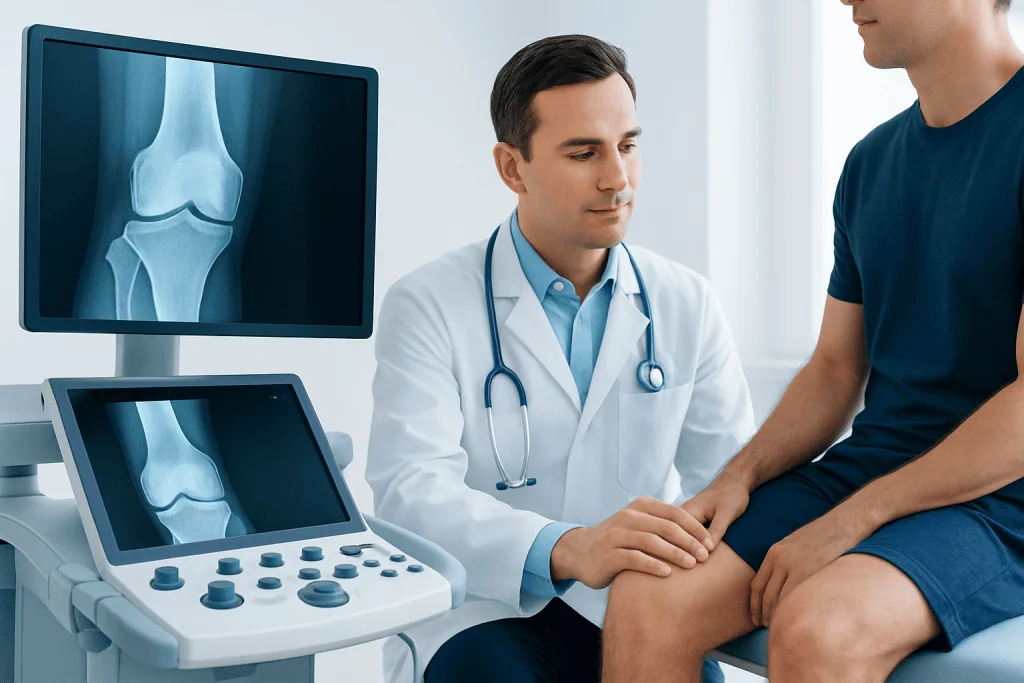
Orthopedic doctors treat a wide range of problems involving the bones and soft tissues around them. Common reasons for referral include joint pain, sports injuries, back or neck pain, fractures, tendon problems, and arthritis. They also manage overuse injuries, work-related strain, and degenerative conditions that develop gradually over time.
Examples of conditions often treated by an orthopedic doctor include osteoarthritis, rheumatoid-related joint damage, bursitis, tendonitis, ligament tears, meniscus injuries, rotator cuff problems, carpal tunnel syndrome, scoliosis, herniated discs, and foot conditions such as bunions. They also help evaluate unexplained musculoskeletal pain and symptoms like stiffness, locking, instability, or repeated swelling in a joint.
Some patients need urgent orthopedic care after an accident, while others seek help for symptoms that have been present for months or years. Orthopedic doctors also care for broken bones, dislocations, and complications related to healing. In more complex cases, they may coordinate care with radiologists, rheumatologists, neurologists, pain specialists, rehabilitation teams, or primary care physicians.
- Bone fractures and stress fractures
- Joint pain in the knee, hip, shoulder, ankle, or elbow
- Arthritis and cartilage wear
- Sports injuries affecting ligaments, tendons, or muscles
- Back and neck problems involving the spine
- Hand, wrist, foot, and ankle disorders
Common Symptoms That May Need Orthopedic Evaluation

Not every ache or strain requires specialist care, but some symptoms suggest it may be helpful to see an orthopedic doctor. Ongoing pain that does not improve with rest or simple home care is one of the most common reasons. Pain that interferes with sleep, walking, exercise, work, or normal household tasks should also be assessed, especially if it keeps returning.
Other important symptoms include swelling, warmth, bruising, weakness, numbness, tingling, stiffness, or a reduced range of motion. A joint that feels unstable, locks, catches, or gives way can point to ligament, cartilage, or tendon injury. Visible deformity, difficulty bearing weight, or trouble using a limb after an injury often needs prompt medical attention.
Orthopedic evaluation may also be useful when symptoms develop gradually. For example, increasing knee pain when climbing stairs, shoulder pain when lifting the arm, or low back pain with leg symptoms can all indicate a musculoskeletal problem that deserves a proper diagnosis. Early assessment may help prevent further strain and guide the most effective treatment approach.
How Orthopedic Doctors Diagnose Bone, Joint, and Spine Problems
Diagnosis usually begins with a detailed discussion about symptoms, past injuries, activity level, work demands, and general health. The doctor will ask when the problem started, what makes it better or worse, and how it affects movement and daily life. This history often provides important clues about whether the issue involves bone, joint cartilage, muscle, tendon, ligament, or nerves.
A physical examination follows. The orthopedic doctor may check posture, walking pattern, swelling, tenderness, strength, reflexes, joint stability, and range of motion. In some cases, they use specific movement tests to identify likely structures involved, such as the rotator cuff, meniscus, or spinal nerve roots.
If more information is needed, imaging or additional tests may be recommended. X-rays are commonly used to assess bones, alignment, fractures, arthritis, and some joint changes. Ultrasound or MRI can help show soft tissues such as tendons, ligaments, cartilage, and muscles. CT scans, blood tests, or nerve studies may sometimes be used, depending on the symptoms. The goal is to build a clear diagnosis so treatment can be directed at the actual cause rather than only the symptoms.
Treatment Options: From Conservative Care to Surgery
Many orthopedic conditions can be treated without surgery. Conservative treatment may include temporary rest, activity modification, ice or heat, supportive braces, shoe inserts, pain-relieving or anti-inflammatory medicines, and a structured physical therapy program. Exercises may help improve flexibility, muscle strength, posture, joint stability, and balance, which can reduce pain and lower the risk of future injury.
For some conditions, orthopedic doctors may recommend image-guided or office-based injections to reduce inflammation or ease pain in a joint or soft tissue structure. Rehabilitation is often a key part of recovery, whether the problem is a sports injury, an overuse condition, or arthritis-related stiffness. Conditions such as osteoarthritis are often managed in stages, with treatment adjusted over time according to symptoms and function.
When non-surgical treatment is not enough, surgery may be considered. The type of procedure depends on the problem and may range from minimally invasive repair to reconstruction or replacement. Examples include knee replacement, hip replacement, arthroscopy, or spine surgery for carefully selected patients. An orthopedic doctor will usually explain the expected benefits, possible risks, recovery process, and alternative options before recommending an operation.
When to See an Orthopedic Doctor
It may be time to see an orthopedic doctor if pain, swelling, or limited movement lasts longer than expected or repeatedly comes back. Symptoms that do not improve with rest, simple pain relief, or home exercises should not be ignored. Specialist review can also help when a person has already seen a general doctor but still does not have lasting relief or a clear diagnosis.
Prompt evaluation is especially important after an injury if there is severe pain, sudden weakness, inability to bear weight, a popping sensation, visible deformity, or major swelling. These signs may suggest a fracture, dislocation, ligament tear, or tendon rupture. Children, athletes, and older adults may particularly benefit from early assessment because delays can affect healing, function, or safe return to activity.
People living with long-term conditions such as arthritis or chronic back pain may also see an orthopedic doctor when symptoms begin limiting independence or quality of life. Trouble walking, climbing stairs, dressing, lifting, or sleeping due to musculoskeletal pain can be a good reason to seek specialist care. If symptoms are accompanied by fever, unexplained weight loss, or loss of bladder or bowel control, urgent medical attention is needed because these may point to more serious causes.
Prevention, Self-Care, and Long-Term Joint Health
Although not every orthopedic problem can be prevented, healthy habits can lower the risk of injury and support better joint and bone health. Regular physical activity helps keep muscles strong and joints stable. A balanced routine usually includes aerobic exercise, strength training, flexibility work, and balance exercises. Choosing proper technique, supportive footwear, and suitable equipment can also reduce strain during work, sports, and daily activities.
Maintaining a healthy body weight can lessen stress on weight-bearing joints such as the knees, hips, and spine. Good posture, safe lifting habits, and taking breaks from repetitive motions may help prevent overuse injuries. People with desk-based jobs may benefit from ergonomic adjustments and gentle stretching throughout the day. Adequate nutrition, including enough calcium, vitamin D, and protein, supports bone and muscle health.
After an injury or diagnosis, following the treatment plan carefully is an important part of self-care. Returning to activity too quickly can delay healing or lead to reinjury. For international patients who need coordinated orthopedic evaluation or treatment, Acibadem International’s multidisciplinary specialists and JCI-accredited hospitals provide care across diagnosis, surgery, and rehabilitation. Long-term follow-up with a qualified doctor can help monitor progress and keep movement as comfortable and safe as possible.
Frequently asked questions
What does an orthopedic doctor do?
An orthopedic doctor diagnoses and treats problems affecting the bones, joints, muscles, tendons, ligaments, and spine. They may recommend non-surgical care, rehabilitation, or surgery depending on the condition and how severe it is.
Do you need a referral to see an orthopedic doctor?
This depends on the healthcare system, insurance plan, and country. Some people can book directly with a specialist, while others may need a referral from a primary care doctor or emergency physician.
Should a person see an orthopedic doctor for back pain?
An orthopedic doctor can evaluate many causes of back pain, especially when symptoms are persistent, recurrent, or linked to movement, injury, leg pain, or nerve-related symptoms. Severe or urgent symptoms should be assessed promptly by a medical professional.
Is surgery always needed for orthopedic problems?
No, many orthopedic conditions improve with non-surgical treatment such as rest, physical therapy, exercise, braces, medication, or injections. Surgery is usually considered when symptoms are severe, function is significantly affected, or conservative treatment has not helped enough.
What is the difference between an orthopedic doctor and a physical therapist?
An orthopedic doctor is a physician who diagnoses musculoskeletal conditions and can prescribe medicines, order imaging, perform procedures, and do surgery if needed. A physical therapist focuses on movement, exercise, pain reduction, and rehabilitation, often as part of the treatment plan.
When should joint pain be checked by a specialist?
Joint pain should be evaluated if it lasts more than a few weeks, keeps returning, or causes swelling, stiffness, instability, or difficulty with daily activities. Pain after injury, inability to bear weight, or visible deformity should be assessed sooner.
References
- American Academy of Orthopaedic Surgeons
- National Institute of Arthritis and Musculoskeletal and Skin Diseases
- Centers for Disease Control and Prevention
- National Health Service
- World Health Organization
This article is for general information only and is not a substitute for professional medical advice. Please consult a qualified doctor about your individual situation.
Joint and spine care in Turkey — expert assessment & treatment
JCI-accredited · board-certified surgeons · reply within 24h
Add us as a Preferred Source to see more of our trusted health content across Google Search, AI Overviews and Discover.