

At Acibadem, How We Plan Your Arrival Day Before the First Appointment

Arrival day at Acibadem is planned around your transfer, check-in, interpreter support, and first-visit logistics in Istanbul or Turkey.
Your arrival day is designed to feel organized, calm, and easy to follow. Before your first appointment, Acibadem International helps coordinate the practical details so you can focus on settling in and preparing for care.
At a glance
- Best for: International patients arriving in Turkey for a first consultation or treatment plan
- What is arranged: Airport transfer, hotel or hospital arrival guidance, interpreter support, and appointment coordination
- What you should keep ready: Passport, medical records, medication list, insurance or payment documents, and contact numbers
- Who helps you: Acibadem International patient services, your care coordinator, and interpreters when needed
- Main goal: A smooth first day with clear timing, directions, and fewer last-minute surprises
What your arrival day is meant to achieve
Your arrival day is not just about getting from the airport to a building. It is about making sure you arrive safely, know what happens next, and have enough support to start your care journey without unnecessary stress. If you are coming from abroad, even small details like where to meet your driver, when to exchange messages, or how to find your appointment desk can make a big difference to how settled you feel.
At Acibadem International, the planning usually starts before you travel. The international patient services team reviews your expected arrival time, shares practical instructions, and helps organize the first steps around your accommodation, hospital visit, and interpreter needs. This means your first day is structured around simple priorities: arrive, settle in, stay connected, and be ready for your first appointment.
If your flight is delayed or your plans change, the aim is to adapt the schedule rather than leave you guessing. A well-planned arrival day allows enough flexibility for real travel conditions while still keeping your medical timetable clear. That balance is often what helps patients feel reassured from the start.
Before you fly: the information that helps your day run smoothly
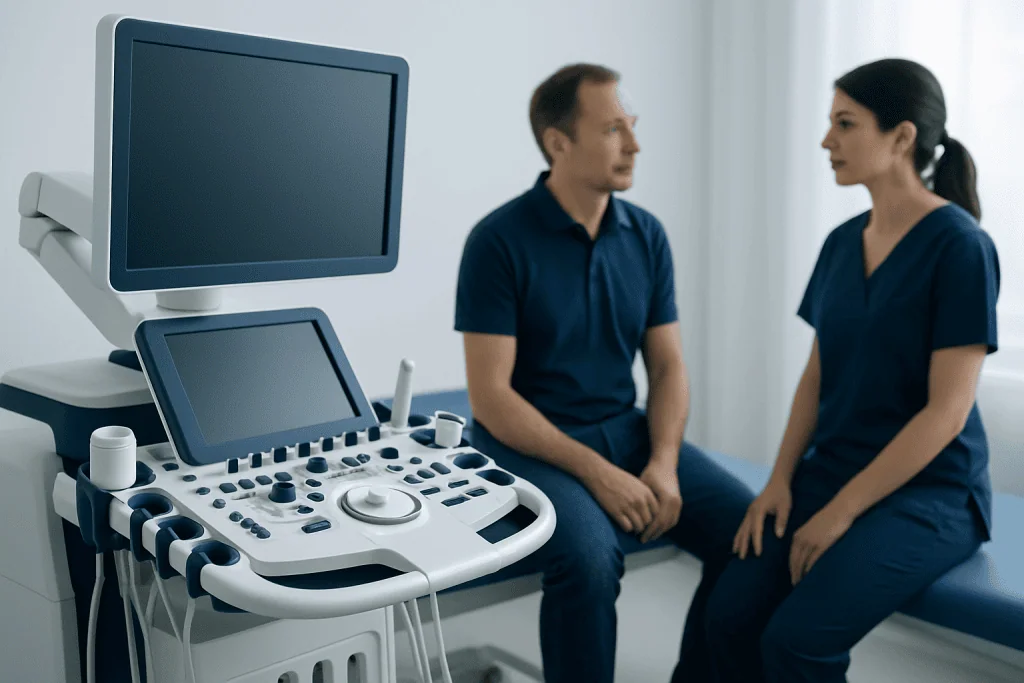
The smoothest arrival days usually begin with good preparation before departure. You will want to keep your passport, flight details, hotel confirmation, and hospital contact numbers easy to reach, ideally both on your phone and in printed form. It is also wise to have your key medical documents organized in one folder, including previous reports, imaging disks if you have them, a list of medications, and any allergies or ongoing conditions.
If you are traveling with a companion, make sure both of you know the plan for the first 24 hours. That includes where you are going after landing, who to contact if your phone does not connect, and what time your first appointment or pre-appointment check-in may be. If you need an interpreter, it helps to confirm your preferred language in advance so the team can arrange the right support.
Acibadem International may also advise you on practical timing, such as whether to rest after arrival or go directly to your hotel before coming to the hospital. This can depend on your appointment time, travel fatigue, and whether any paperwork or basic assessments are expected first. The goal is not to overload your day but to make each step clear and manageable.
- Keep original identification documents with you, not in checked luggage.
- Save your coordinator’s phone number and messaging contact before departure.
- Carry essential medicines in your hand luggage with prescriptions if possible.
- Have a simple summary of your medical history ready in English if available.
From airport to accommodation or hospital: how the handoff works

For many international patients, the most important moment is the transition from the airport to the next destination. After a flight, you are likely tired, possibly dealing with passport control, luggage, and a new environment. Clear arrival instructions help you move through this stage with less uncertainty. You may receive details on where to meet your driver, what identifying sign to look for, and who to call if you cannot locate the meeting point.
If your first stop is a hotel, that time is usually used to rest, freshen up, and prepare your documents for the next day or later the same day. If your schedule requires going to the hospital sooner, the transfer plan is typically organized with timing in mind so you can arrive with enough margin for registration. In Istanbul especially, traffic can affect travel time, so planning often includes a buffer rather than relying on a tight schedule.
Acibadem International patient services can help coordinate these transitions so you are not left arranging every detail alone. For patients who are anxious about language barriers, an interpreter or coordinator may help bridge communication at key moments. Even when the logistics are simple, knowing that someone is following your route and schedule can make your first hours in Turkey feel far more comfortable.
What happens when you check in for your first visit
Your first hospital visit is usually focused on orientation, registration, and making sure the care team has the information needed to begin safely. You may be asked to present identification, appointment details, previous medical records, and any insurance or payment documents relevant to your case. If you have already shared reports digitally, bring copies anyway in case something needs to be reviewed again in person.
International patients often benefit from extra support at this stage because hospital systems, forms, and routines can differ from what you are used to at home. At Acibadem International, interpreters and patient service staff can help explain where to go, what documents are being requested, and what the next stop will be. This is especially helpful if your first day includes more than one desk, such as registration, imaging, laboratory work, or a consultation area.
You do not need to panic if your schedule changes slightly on the day. Hospitals work around real patient needs, and timing can shift depending on traffic, documentation, or whether your specialist requests additional review of your records. The most useful mindset is to keep your phone on, stay reachable, and allow the care team to guide you step by step.
Interpreter, companion, and comfort support on day one
Arrival day can feel emotionally busy even if everything is going well. You may be tired, worried about test results, or simply adjusting to a different country and healthcare system. Interpreter support helps with more than language alone; it can make it easier to ask practical questions, understand directions, and feel more confident during conversations with staff.
If you are traveling with a family member or companion, it is helpful to decide in advance how involved they will be during appointments, registration, and transport. In many cases, a companion can assist with personal comfort, documents, and remembering instructions. At the same time, it is important to follow hospital guidance on where companions can wait or accompany you, especially if your first day includes tests or clinical assessments.
Acibadem International also supports many of the non-medical needs that affect how settled you feel, including guidance around accommodation, transportation, and navigation within the hospital environment. JCI-accredited hospital settings are designed around safety and patient processes, but your comfort on day one still depends on practical support, clear communication, and realistic pacing. If you feel overwhelmed, ask your coordinator to slow the sequence down and repeat the plan.
If something changes: delays, fatigue, missing documents, or last-minute questions
Even with careful planning, arrival days do not always go exactly as expected. Flights can be delayed, luggage can arrive late, phones can lose connection, and travel fatigue can be more intense than you anticipated. The most important thing is to inform your patient coordinator as soon as possible. Early updates make it much easier to adjust transport, interpreter timing, or the first appointment schedule when needed.
If you realize you are missing a report or a document, do not assume the whole visit must stop. In many cases, digital copies, emails from your previous doctor, or delayed document submission may still allow the day to move forward. What matters most is that the team knows what is missing and whether it affects the safety or usefulness of your first consultation.
You should also speak up if you feel unwell after travel. Jet lag, dehydration, pain, or nausea can affect how well you manage the day. A good arrival plan is not rigid; it is there to support your care in a realistic way. When Acibadem International coordinates international arrivals, that flexibility is part of making the experience practical rather than overwhelming.
Step by step
- Share your final travel details. Send your confirmed flight information, arrival date, and accommodation details to your coordinator as soon as they are finalized. This helps the team align transfer arrangements, interpreter support, and the timing of your first hospital visit.
- Keep your essential documents together. Place your passport, appointment confirmation, medical records, medication list, and any payment or insurance documents in one easy-to-carry folder. Having everything in one place makes airport arrival, hotel check-in, and hospital registration much simpler.
- Follow the arrival transfer instructions. After landing, use the meeting-point instructions you received and keep your phone available in case the driver or coordinator needs to contact you. If there is any confusion, call or message the international patient team rather than trying to solve it alone in a busy airport.
- Settle in before your first hospital stop. If your schedule allows, take a short pause at your hotel or accommodation to hydrate, organize your papers, and check the next day's or same day's plan. Even a brief reset can help you arrive at the hospital more comfortably and focused.
- Complete registration and orientation. At the hospital, present your identification and records, then follow guidance from patient services or interpreters to the correct desk or clinic. This stage is about making sure your information is complete and your route through the day is clear.
- Confirm the next steps before you leave. Before the day ends, make sure you understand your next appointment time, location, preparation instructions, and who to contact if anything changes. A quick recap with your coordinator can prevent avoidable stress later.
Your checklist
- Passport and any visa-related travel documents
- Flight details and airport arrival confirmation
- Hotel or accommodation address and reservation details
- Printed or digital medical reports, scans, and test results
- Current medication list, allergy information, and prescriptions
- Insurance, guarantee letter, or payment-related documents if applicable
- Coordinator and interpreter contact numbers saved on your phone
- Phone charger, power adapter, and internet access plan
- A small amount of local currency or a payment card for personal expenses
Key takeaways
- Arrival day planning is mainly about transport, timing, communication, and document readiness.
- Acibadem International helps international patients coordinate practical steps before the first appointment.
- Interpreter and patient service support can make registration and orientation much easier.
- Traffic, flight delays, and fatigue are common, so flexible scheduling and early updates matter.
- Keeping your records, medications, and contact details organized reduces stress on day one.
Frequently asked questions
Do I need to go straight to the hospital from the airport?
Not always. Depending on your appointment time, travel fatigue, and the hospital plan, you may first go to your hotel or accommodation to rest and organize your documents. Your coordinator will usually advise the best sequence for your specific schedule.
What if my flight to Turkey is delayed?
Contact your Acibadem International coordinator as soon as you know about the delay. Early notice gives the team the best chance to adjust your transfer, interpreter schedule, or appointment timing. Small changes are common in international travel, and prompt communication is the most helpful response.
Will someone help me if I do not speak Turkish?
Yes, interpreter support can be arranged for many international patients. This help is useful not only during the medical consultation but also during registration, directions within the hospital, and practical conversations on arrival day. Confirm your preferred language before travel whenever possible.
What documents should I have with me on the first day?
Bring your passport, appointment confirmation, previous medical reports, imaging results if you have them, a medication list, and any insurance or payment documents that apply. Even if you have already sent records online, keeping copies with you is still a good idea. It helps avoid delays if anything needs to be checked in person.
Can my companion come with me during the first visit?
In many situations, yes, a companion can support you during travel, registration, and waiting periods. However, access to some areas may depend on hospital rules, privacy needs, or the type of assessment taking place. It is best to ask your coordinator what to expect for your first day schedule.
What if I am too tired or unwell after arrival to continue the planned schedule?
Tell your coordinator or the patient services team immediately. Travel fatigue, dehydration, pain, or stress can affect how comfortably you manage the day, and the team may be able to adapt timing where medically appropriate. The safest approach is always to speak up rather than push through in silence.
How does Acibadem International make arrival easier for international patients?
Acibadem International supports the practical side of care by helping organize transfers, interpreter services, scheduling, and communication before your first appointment. Within its JCI-accredited hospital environment, multidisciplinary teams and international patient services work together so your first day feels more guided and less confusing. That support is especially valuable when you are arriving in a new country and healthcare system.
Add us as a Preferred Source to see more of our trusted health content across Google Search, AI Overviews and Discover.
More Patient Guides

Need More Than One Specialist in Turkey? How Multidisciplinary Care Is Coordinated
Multidisciplinary care in Turkey means your specialists coordinate tests, opinions and treatment plans so you can move through care with fewer delays.
9 min read
How to Compare Hospitals in Turkey for Complex Treatment
Compare hospitals in Turkey for complex treatment by checking accreditation, specialist teams, ICU support, coordination, and follow-up.
9 min read
At Acibadem, How We Explain Surgical Risks and Safety Checks Before You Travel
Surgical risks and safety checks before travel means understanding your personal risk, required tests, and travel timing before coming to Turkey.
9 min read