

At Acibadem, What to Bring to Your First Hospital Visit

What to bring to your first hospital visit: pack ID, medical records, medicines and essentials for a smoother appointment at Acibadem in Turkey.
Your first hospital visit is easier when you know exactly what to pack, what documents to keep handy, and what can wait until later. This guide helps you prepare for a smooth first visit at Acibadem, whether you live in Turkey or are traveling from abroad.
At a glance
- Best for: First consultations, tests, second opinions, and planned admissions
- Most important items: Passport or ID, medical records, medication list, insurance/payment documents
- Helpful extras: Phone charger, glasses, interpreter notes, comfort items, water
- If you travel from abroad: Bring translated reports if possible and keep digital copies on your phone
- Support available: Acibadem International can help with interpreters, logistics, and practical guidance
Start with the essentials: identity, booking details, and contact information
For your first hospital visit, the most important items are the ones that confirm who you are and why you are coming. Bring your passport or national ID, your appointment confirmation, and any reference number shared with you during booking. If you are an international patient, it is helpful to keep these both in printed form and on your phone in case you need them at reception or while moving between departments.
You should also bring your current contact details and the contact details of the person traveling with you, if applicable. If someone should be updated in an emergency, keep that person’s name and phone number easy to find. This can save time during registration and helps the care team communicate clearly if your schedule changes during the day.
If you arranged your visit through Acibadem International, keep any emails or messages from the international patient team ready to show. They often include practical information such as your hospital location, timing, interpreter arrangements, or transport instructions. Having everything in one folder—paper or digital—usually makes your arrival much smoother.
Bring your medical records, even if they seem incomplete
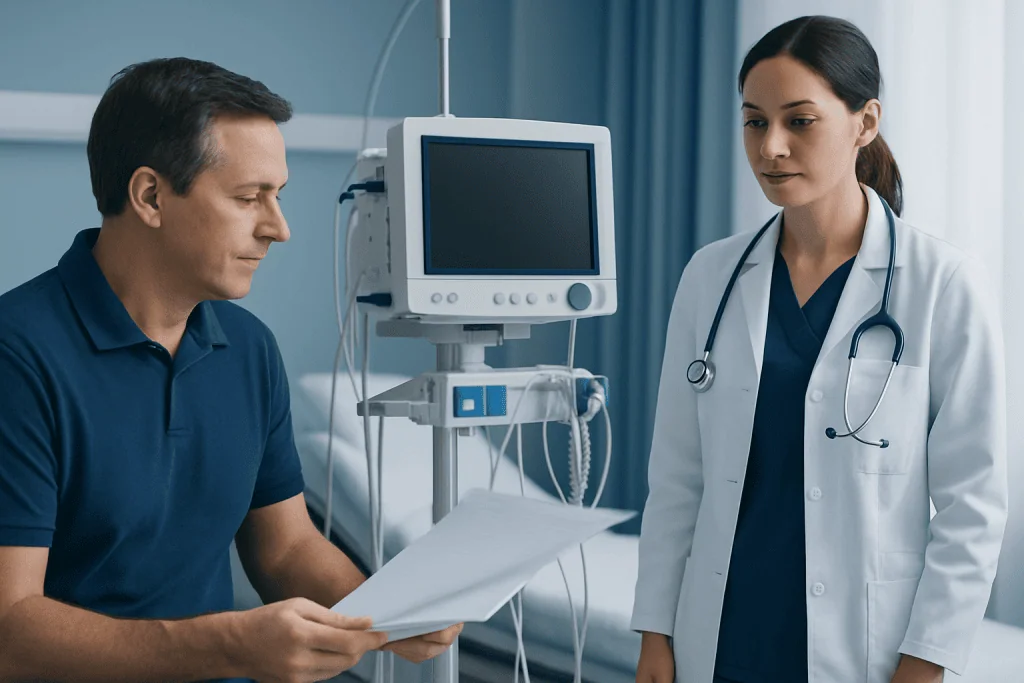
Many patients worry that they need a perfectly organized medical file before a first visit. In reality, it is more helpful to bring whatever you already have than to arrive with nothing. Useful records include previous doctor notes, hospital discharge summaries, operation reports, pathology results, imaging reports, blood test results, and vaccination records if relevant to your care.
If you have MRI, CT, X-ray, ultrasound, or PET-CT images, bring both the report and the image files if available. A CD, USB drive, printed images, or secure digital access can all be useful depending on what you have. If your records are in another language, translated summaries are helpful, but if that is not possible, still bring the original documents rather than delaying your visit.
At JCI-accredited Acibadem hospitals, multidisciplinary teams often review information from different specialties together. The more complete your records are, the easier it is for the team to understand your history and avoid repeating tests unnecessarily. If you are missing some documents, do not panic—just bring what you can and be ready to explain what treatments or tests you have had before.
Prepare a clear medication list and pack medicines safely
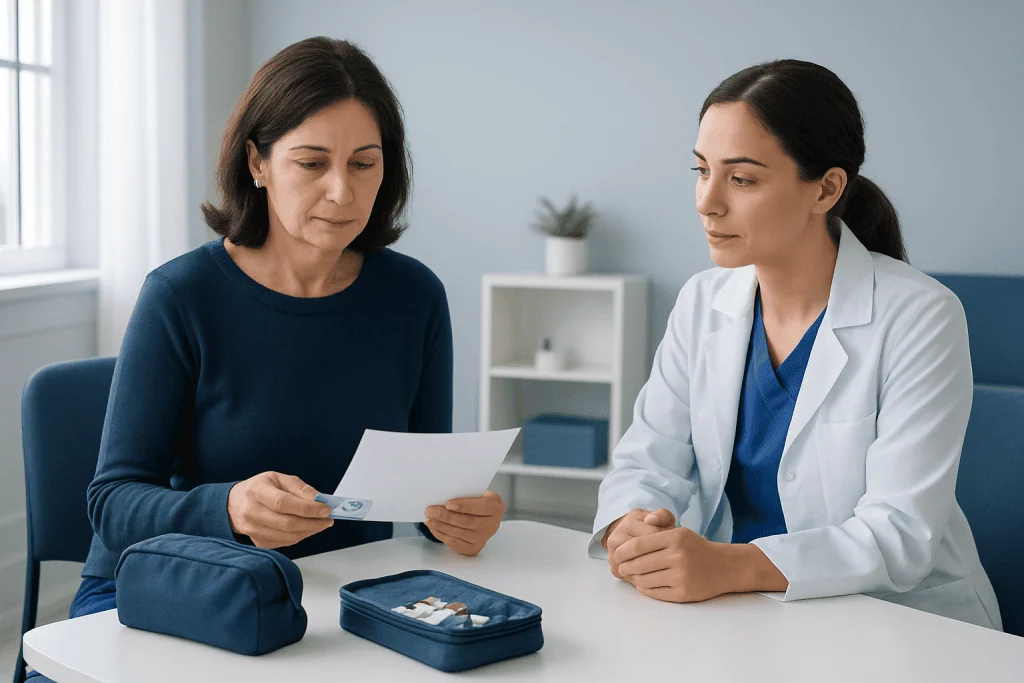
One of the most useful things you can bring is a current list of everything you take. Include prescription medicines, over-the-counter remedies, vitamins, supplements, inhalers, injections, eye drops, and herbal products. Write the name, dose, how often you take it, and why you take it if you know. This helps your care team review your treatment safely, especially if you are seeing more than one specialist.
If possible, bring the medicines themselves in their original packaging. This is especially helpful if the brand names differ between countries. Original boxes, labels, or pharmacy printouts reduce confusion and make it easier for the hospital team to identify active ingredients.
Do not stop or change your medicines on your own before the visit unless a doctor has already advised you to do so. If you were told to fast, pause a medication, or prepare for a test in a specific way, follow the written instructions you were given. If anything is unclear, contact the hospital or the Acibadem International support team before you travel.
Pack for comfort, waiting time, and practical needs
Your first hospital visit may include registration, consultation, imaging, blood work, or time between appointments, so it helps to pack a few comfort items. Bring your phone and charger, glasses or hearing aids if you use them, a small bottle of water if permitted, and a light snack unless you were told not to eat. You may also want a notebook or notes app to record instructions and questions.
Dress in comfortable, simple clothing that is easy to remove or adjust if you may need an examination or imaging test. Flat shoes are usually best, especially if you will be walking between departments. Avoid bringing valuable jewelry or large amounts of cash unless absolutely necessary.
If you feel anxious in medical settings, it can help to bring one small reassuring item such as a scarf, a book, or headphones. A calm, prepared visit is not only about documents; it is also about making the day manageable for you. If you need mobility support or extra time because of a disability or health condition, let the hospital know in advance so arrangements can be made where possible.
If you are traveling from abroad, add travel and payment documents
International patients should bring travel documents alongside medical ones. Keep your passport, visa or entry documents if needed, accommodation details, and return travel information easy to access. It is also wise to save digital copies securely in your email or phone in case a printed copy is misplaced.
If you have private health insurance, travel insurance, embassy support, or employer coverage, bring all related documents, including approval letters and policy numbers. If you are paying directly, keep your payment method and any quote or correspondence available. Having these details ready can help avoid delays at registration or financial counseling.
Acibadem International supports many patients coming to Turkey for consultations and treatment, so practical help is often available beyond the medical appointment itself. Depending on your arrangement, this may include interpreter support, guidance on transportation, and help coordinating accommodation. Bringing your confirmation messages and contact numbers makes it easier to connect with the right team quickly on arrival.
What not to bring, and when to ask for help
You do not need to bring your entire home medicine cabinet, every unrelated test result from many years ago, or expensive personal items. Focus on recent, relevant records and the medicines you currently use. A smaller, well-organized set of essentials is usually more useful than a heavy bag filled with papers that are hard to sort through.
If you are unsure whether something matters, bring a photo or digital copy rather than the original when possible. This is especially helpful for long records, older scans, or documents that are difficult to replace. Keep originals protected in a folder or document sleeve if you do carry them.
Most importantly, ask for help early if you are uncertain. If you are visiting Acibadem for the first time, the international patient services and hospital teams can guide you on what to bring for your specific appointment type. Requirements may be slightly different for a consultation, imaging visit, day procedure, or planned admission, so it is always sensible to confirm ahead of time.
Step by step
- Check the purpose of your first visit. Look at your booking confirmation and note whether you are coming for a consultation, test, scan, or hospital admission. The purpose of the visit affects what you should bring, especially if fasting instructions, imaging discs, or extra forms are needed.
- Create one simple document folder. Put your ID, appointment confirmation, medical reports, and insurance or payment papers in one physical folder or one clearly labeled phone folder. Keeping everything together reduces stress and helps you move through registration faster.
- Prepare a medication and allergy list. Write down all medicines, supplements, and known allergies before you leave for the hospital. This is safer and more reliable than trying to remember details during a busy appointment.
- Save digital backups. Take photos or scans of important documents and store them securely on your phone or in email. This is especially useful for international patients traveling to Turkey, where quick access to copies can be very helpful.
- Pack a few practical comfort items. Bring your charger, glasses, hearing aids, tissues, and any small personal items that make waiting easier. If you may spend several hours at the hospital, these basics can make the day more comfortable.
- Confirm logistics the day before. Check the hospital location, arrival time, transport plan, and whether an interpreter or companion will join you. If you booked through Acibadem International, keep their contact details close in case you need last-minute guidance.
- Leave extra time on the day. Plan to arrive early enough for registration and wayfinding, especially if this is your first visit to a large hospital campus. Rushing increases stress and can make it harder to complete forms or remember your questions.
Your checklist
- Passport, national ID, or other official identification
- Appointment confirmation and hospital contact details
- Previous medical reports, test results, and imaging reports
- Imaging files on CD, USB, film, or digital access link if available
- Written list of current medicines, doses, and allergies
- Medicines in original packaging if possible
- Insurance, payment, or approval documents
- Phone, charger, and emergency contact details
- Glasses, hearing aids, or other essential personal aids
Key takeaways
- Bring ID, appointment details, medical records, and a current medication list.
- Original medicine packaging and imaging files can be especially helpful at a first visit.
- International patients should also carry travel, insurance, and payment documents.
- Comfort items like a charger, glasses, and notes for your questions can make the day easier.
- If you are unsure what applies to your visit, confirm with Acibadem International or the hospital before arrival.
Frequently asked questions
Do I need to bring original medical records to my first hospital visit?
Original records are helpful, but copies or secure digital versions are often enough for a first review. If you have imaging, bring both the written report and the image files if possible. When in doubt, bring what you have rather than postponing the visit.
What if my reports are not in English or Turkish?
Bring them anyway, even if they are in another language. A translated summary is useful if you can arrange one, but original reports are still valuable. Acibadem International can often help coordinate communication support for international patients.
Should I bring all of my medicines or just a list?
A written list is essential, and bringing the actual medicines in original packaging is even better when practical. This helps the care team identify the exact drug and dose, especially if brand names vary between countries. Do not stop medicines unless you were specifically instructed to do so.
Can I bring a family member or companion?
In many cases, yes, especially if you would like support with mobility, language, or remembering instructions. Companion rules can vary depending on the department, test type, or hospital policy. It is best to confirm ahead of time if your companion needs access to more than public waiting areas.
What should I bring if I am coming from abroad for care in Turkey?
In addition to your medical file, bring your passport, travel details, insurance or payment documents, and accommodation information. Keep digital backups on your phone or email. If your visit was coordinated through Acibadem International, keep their messages and contact details ready as well.
Do I need to bring cash?
It is usually better to bring your preferred payment card or the payment method you were advised to use, along with any relevant financial documents. Carry only a reasonable amount of cash for small personal needs if necessary. Avoid bringing large sums or unnecessary valuables.
What if I forget something important?
Do not panic; many first visits can still proceed even if one item is missing. Tell the registration or patient services team what you do not have, and they can advise on the next step. Digital copies, emails, or photos can often help bridge small gaps until the original is available.
Add us as a Preferred Source to see more of our trusted health content across Google Search, AI Overviews and Discover.
More Patient Guides

Need More Than One Specialist in Turkey? How Multidisciplinary Care Is Coordinated
Multidisciplinary care in Turkey means your specialists coordinate tests, opinions and treatment plans so you can move through care with fewer delays.
9 min read
How to Compare Hospitals in Turkey for Complex Treatment
Compare hospitals in Turkey for complex treatment by checking accreditation, specialist teams, ICU support, coordination, and follow-up.
9 min read
At Acibadem, How We Explain Surgical Risks and Safety Checks Before You Travel
Surgical risks and safety checks before travel means understanding your personal risk, required tests, and travel timing before coming to Turkey.
9 min read