

At Acibadem, How We Manage Pain After Surgery or Procedures

Pain management at Acibadem after surgery in Turkey focuses on comfort, safe medication use, and clear support before, during, and after your stay.
If you are planning treatment, it helps to know how pain is managed before you arrive, during your hospital stay, and after you go home. At Acibadem, your care team aims to keep you comfortable with a clear plan, regular checks, and practical support you can follow with confidence.
At a glance
- Best for: Patients who want to understand how pain is managed around surgery or procedures
- What to expect: Assessment, medication planning, regular pain checks, and discharge guidance
- Support available: International patient services, interpreters, nursing guidance, and follow-up coordination
- Setting: JCI-accredited Acibadem hospitals in Turkey
- Key goal: Keep you comfortable enough to rest, move safely, and recover well
What pain management means for your care
After surgery or a procedure, some discomfort is expected, but you should never feel that you have to simply endure it. Pain management means your team plans ahead to reduce pain, checks how you are feeling regularly, and adjusts support so you can breathe deeply, sleep, move, and start recovering as safely as possible.
At Acibadem International, pain management is treated as part of your overall care, not as an afterthought. Your doctors and nurses look at the type of treatment you are having, your medical history, your usual medicines, allergies, and previous experiences with anesthesia or pain relief to build a plan that fits you.
If you are traveling to Turkey for treatment, it can be reassuring to know that pain care is also practical and coordinated. International patient services can help make sure your questions are understood clearly, including through interpreters when needed, so you know what to expect before your procedure and what to do once you are recovering.
How your team plans pain control before your procedure
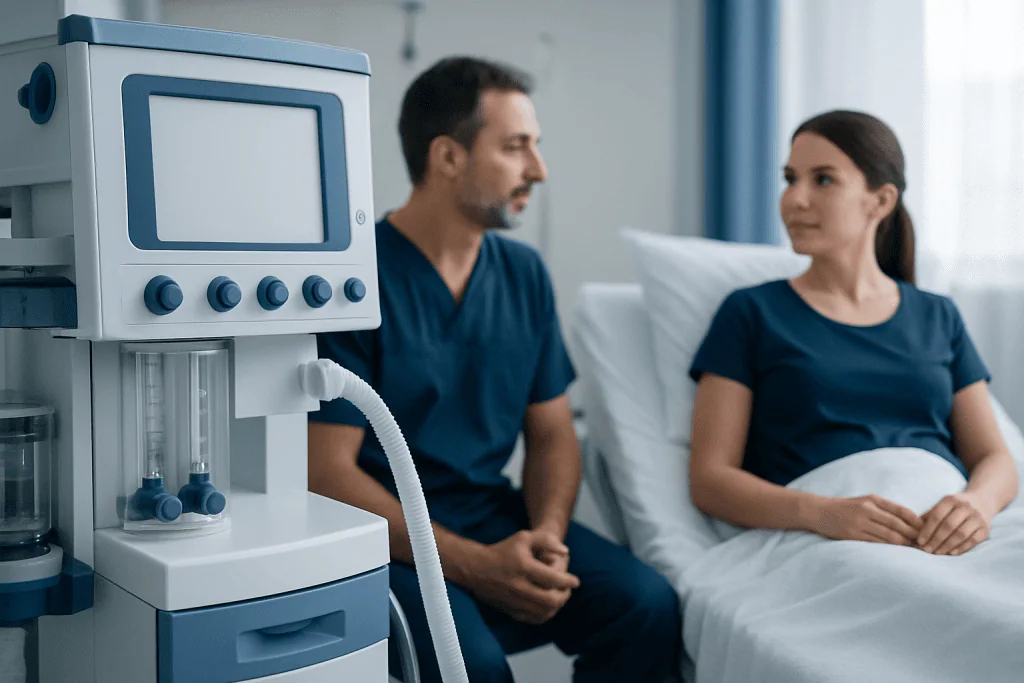
Your pain plan often starts before the day of treatment. During pre-assessment, you may be asked about chronic pain conditions, back pain, migraines, nerve pain, sleep apnea, stomach sensitivity, kidney or liver problems, and any history of nausea, constipation, or side effects with pain medicines. These details help your team choose safer, more suitable options.
You should also tell your team if you already take regular painkillers, blood thinners, sedatives, antidepressants, or herbal supplements. Even medicines that seem unrelated can affect pain control, bleeding risk, drowsiness, or how well certain drugs work after surgery.
At Acibadem, the plan may include more than one method of pain relief rather than relying on a single medicine. This can help improve comfort while reducing unwanted effects such as heavy sedation or nausea. You may also be advised about simple preparation steps, such as when to stop eating and drinking, which medicines to continue, and what to bring for a more comfortable recovery.
- Share your current medication list, including vitamins and supplements
- Mention any allergies or past reactions to anesthesia or pain medicine
- Explain your usual pain tolerance and any long-term pain issues
- Ask how pain will be checked and who to call if discomfort increases
What happens in hospital after surgery or a procedure

When you wake up after surgery or complete a procedure, your nurses will not just ask whether you have pain; they will usually ask how strong it is, where you feel it, and whether it is sharp, aching, cramping, burning, or worse when you move. This matters because different types of pain may need different approaches.
You may receive pain relief by mouth, through a vein, or by other doctor-directed methods depending on your treatment and how soon you can eat, drink, and walk safely. Your team will balance pain control with other priorities such as alertness, breathing, blood pressure, nausea prevention, and early mobility.
Comfort is monitored throughout your stay, not only in recovery. If pain is making it hard to cough, take deep breaths, turn in bed, or get up with assistance, tell your nurse promptly. Good pain control can support safer movement and reduce stress during the first stages of healing.
Acibadem hospitals use coordinated care between surgeons, anesthesiology teams, nurses, and other specialists where needed. This multidisciplinary approach is especially helpful for international patients, because your treatment plan, communication, and discharge instructions can be aligned more clearly from the start.
The medicines and non-medicine strategies you may be advised about
Not every patient needs the same type or amount of pain medicine. Depending on your procedure and medical profile, your team may use a combination of options to target pain in different ways. The aim is usually to provide enough relief for safe recovery while keeping side effects manageable.
You may also be given advice on timing. Taking medicine exactly as prescribed, especially in the first days, can work better than waiting until pain becomes severe. If you are concerned about drowsiness, nausea, constipation, or difficulty eating, let your team know early so they can guide you safely.
Non-medicine strategies also matter. Positioning, early gentle movement, breathing exercises, short walks when approved, hydration, and rest can all support comfort. For some patients, using a pillow to support the surgical area when coughing or changing position can make a noticeable difference.
- Use only the medicines prescribed or approved for you
- Do not mix additional painkillers without asking your doctor
- Follow activity guidance carefully, especially on the first days
- Report side effects quickly rather than stopping medicines on your own
Going back to your hotel or home: what to watch for
Many patients worry more about pain once they leave the hospital than while they are still in a monitored setting. Before discharge, you should receive practical instructions on what level of discomfort is expected, how often to take your medicines, which activities to avoid, and what warning signs mean you should contact your team.
If you are staying in Istanbul or elsewhere in Turkey for a short recovery period before flying home, plan your days around rest, short walks if advised, regular fluids, meals that suit your stomach, and medication times. Keep your discharge paperwork, medication list, and emergency contact numbers easy to find rather than packed away in luggage.
Acibadem International can help international patients coordinate discharge information, interpreter support, and follow-up arrangements more smoothly. This can be especially helpful if you are recovering in a hotel, traveling with a companion, or preparing to continue aftercare with a doctor in your home country.
Seek urgent medical advice if pain suddenly becomes much worse, if prescribed medicines are not helping at all, or if you also develop symptoms such as breathing difficulty, chest pain, confusion, heavy bleeding, fever, or repeated vomiting. Severe pain can sometimes be a sign that you need medical review, not just stronger medicine.
How you can help your own comfort and recovery
The most helpful thing you can do is communicate clearly. Use simple descriptions like where the pain is, when it started, what makes it worse, and whether the medicine helps a little or not at all. This gives your team useful information they can act on.
Try not to be stoic or wait too long to mention pain. When pain builds up, it can be harder to settle, and it may stop you from sleeping, moving, eating, or doing breathing exercises that support recovery. Speaking up early is part of good recovery, not a sign of weakness.
If you are traveling for treatment, involve your companion if you have one. Ask them to listen during discharge teaching, help you keep track of medicines, and watch for warning signs if you are tired. With the right planning, pain management becomes much more manageable and far less stressful.
Choosing a provider with strong hospital systems can also make a difference to your overall experience. Acibadem’s JCI-accredited hospitals, nursing teams, and international patient services are designed to support both the medical and practical sides of recovery, which is often what patients value most when they are away from home.
Step by step
- Discuss your history before treatment. Tell your care team about your past experiences with surgery, anesthesia, and pain medicines, including side effects like nausea or constipation. Share all regular medicines and supplements so your plan can be adjusted safely.
- Understand your pain plan. Before your procedure, ask how pain will be managed in hospital and after discharge. It helps to know what level of discomfort is normal, how often you may need medicine, and when to alert staff.
- Report pain early after the procedure. Once you are awake and settled, let your nurses know if pain is making it hard to breathe deeply, rest, or move. Early feedback gives the team a better chance to improve your comfort before the pain escalates.
- Follow your medication instructions exactly. Take pain medicines only as prescribed or approved for you, even if they seem familiar from past treatment. Do not add over-the-counter products on your own, because combining medicines can be unsafe.
- Use simple recovery habits. Rest, hydration, gentle movement, and good positioning can all support pain control. Small steps such as getting up with assistance or supporting the treatment area when you move may make recovery easier.
- Prepare for discharge before you leave. Make sure you understand your medication schedule, activity limits, wound-care instructions if relevant, and emergency contact details. If you are an international patient, keep all documents together for your hotel stay and return journey.
- Know when pain needs urgent review. Contact your team promptly if pain becomes suddenly severe, keeps worsening, or comes with symptoms like fever, breathing difficulty, heavy bleeding, confusion, or repeated vomiting. In these cases, pain may signal a complication that needs assessment.
Your checklist
- Bring a current list of all medicines, vitamins, and supplements
- Tell your team about allergies and past reactions to pain medicine or anesthesia
- Ask who to contact day or night if pain increases after discharge
- Keep your prescribed medicines and discharge papers easily accessible
- Arrange a companion if possible for the first 24-48 hours after discharge
- Set reminders for medication times so doses are not missed
- Stay hydrated and follow your eating plan if your doctor allows
- Do not drive, drink alcohol, or make major decisions if you are taking sedating medicine
Key takeaways
- Pain management starts before your procedure, with a plan based on your health history and treatment type
- Good pain control supports safer breathing, movement, rest, and overall recovery
- You should use only the medicines prescribed or approved for you and report side effects early
- Clear discharge instructions are especially important if you are recovering in Turkey before flying home
- Acibadem International supports international patients with coordinated care, interpreters, and practical follow-up guidance
Frequently asked questions
Will I have pain after surgery or a procedure?
Some discomfort is common after many treatments, but the goal is to keep it at a manageable level. Your team will monitor you and adjust support so pain does not interfere unnecessarily with rest, breathing, or movement.
How do I tell the team what my pain feels like?
Use simple, direct words: where it hurts, how strong it feels, when it gets worse, and whether medicine is helping. Describing whether the pain is sharp, aching, burning, cramping, or linked to movement can also help your team respond more effectively.
What if I am worried about taking pain medication?
It is reasonable to ask questions about side effects, drowsiness, nausea, or constipation. Your doctors and nurses can explain why a medicine is recommended, how to take it safely, and what to do if you feel it is not suiting you.
Can I use my usual over-the-counter painkillers?
Not unless your doctor says they are appropriate for you after your procedure. Some common painkillers can increase bleeding risk, interact with other medicines, or be unsuitable depending on your surgery and health conditions.
What if I do not speak Turkish?
International patients can be supported through interpreter and coordination services so instructions are easier to understand. This is important for medication timing, warning signs, and follow-up plans after discharge.
How long should I stay in Turkey after treatment?
That depends on the type of procedure, your overall health, and how your early recovery is progressing. Your treating team will advise when it is appropriate to leave hospital, stay in a hotel, and travel onward safely.
When should pain make me seek urgent help?
Get urgent medical advice if pain becomes suddenly severe, keeps getting worse, or appears with symptoms such as fever, shortness of breath, chest pain, heavy bleeding, confusion, or repeated vomiting. These signs may need prompt medical assessment rather than routine pain management.
Add us as a Preferred Source to see more of our trusted health content across Google Search, AI Overviews and Discover.
More Patient Guides

Need More Than One Specialist in Turkey? How Multidisciplinary Care Is Coordinated
Multidisciplinary care in Turkey means your specialists coordinate tests, opinions and treatment plans so you can move through care with fewer delays.
9 min read
How to Compare Hospitals in Turkey for Complex Treatment
Compare hospitals in Turkey for complex treatment by checking accreditation, specialist teams, ICU support, coordination, and follow-up.
9 min read
At Acibadem, How We Explain Surgical Risks and Safety Checks Before You Travel
Surgical risks and safety checks before travel means understanding your personal risk, required tests, and travel timing before coming to Turkey.
9 min read