

At Acibadem, How Your Discharge Summary and Medical Records Are Prepared

Discharge summary and medical records at Acibadem are prepared before you leave, with clear treatment details, test results, and follow-up guidance in Turkey.
When you are preparing to leave the hospital, your discharge summary and medical records help you continue care safely at home. At Acibadem, these documents are organized to give you and your doctors a clear record of what was done, what to do next, and what information to keep for travel, follow-up, and future treatment.
At a glance
- Best for: International patients who want to understand what documents they receive before going home
- What you receive: A discharge summary plus relevant reports, results, prescriptions, and follow-up instructions
- Why it matters: It helps you travel safely, continue treatment, and share accurate information with doctors at home
- Language support: International patient teams and interpreters can help you understand your paperwork
- When to ask questions: Before discharge, while your care team can clarify medicines, wound care, appointments, and warning signs
What your discharge summary is and why it matters
Your discharge summary is the main document that explains your hospital stay in a practical, easy-to-share format. It usually brings together the essentials: why you were admitted, what treatment or procedure you had, important findings, medicines at discharge, and what you should do next once you leave the hospital.
If you are traveling internationally, this summary becomes especially important. It helps the doctor who sees you next understand your care without guessing, and it can also help you answer questions from airlines, travel insurers, or healthcare professionals if you need support during your journey home.
At Acibadem International, the goal is not only to complete your treatment, but also to help you leave with a usable record of your care. That means your paperwork is prepared so you can continue recovery more confidently, with fewer misunderstandings after you return home.
What documents are usually prepared before you leave
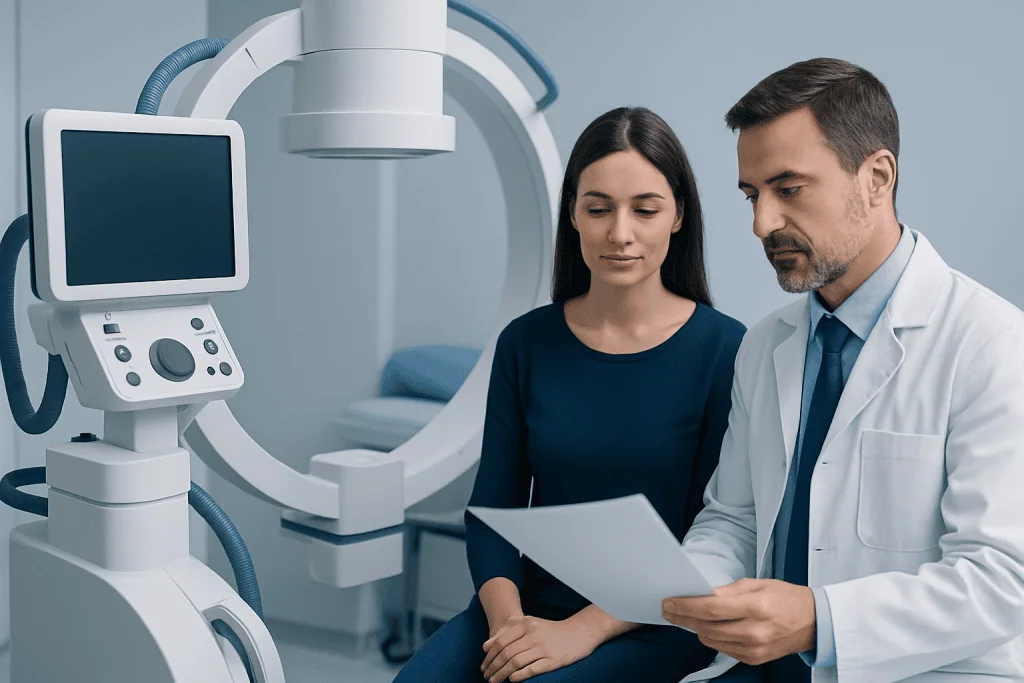
Your discharge file may include more than one document. The discharge summary is central, but depending on your treatment, you may also receive test reports, imaging reports, pathology results if available, prescriptions, medication instructions, implant or device information, and recommendations for follow-up appointments or rehabilitation.
Not every patient receives exactly the same set of records. Your file depends on the type of care you had, how long you stayed, whether you had surgery, and whether some results require extra processing time. If any report will be finalized later, your team can explain what will be shared before discharge and what may follow afterward.
- Discharge summary with diagnosis and treatment details
- Medication list and prescription information
- Laboratory and imaging reports, when relevant
- Procedure or operation notes, where appropriate
- Follow-up care instructions and warning signs
- Documents useful for your doctor at home
If you are unsure whether you have received everything you need, ask your international patient coordinator before leaving. It is much easier to clarify missing documents while you are still in contact with your hospital team.
How Acibadem prepares records for international patients
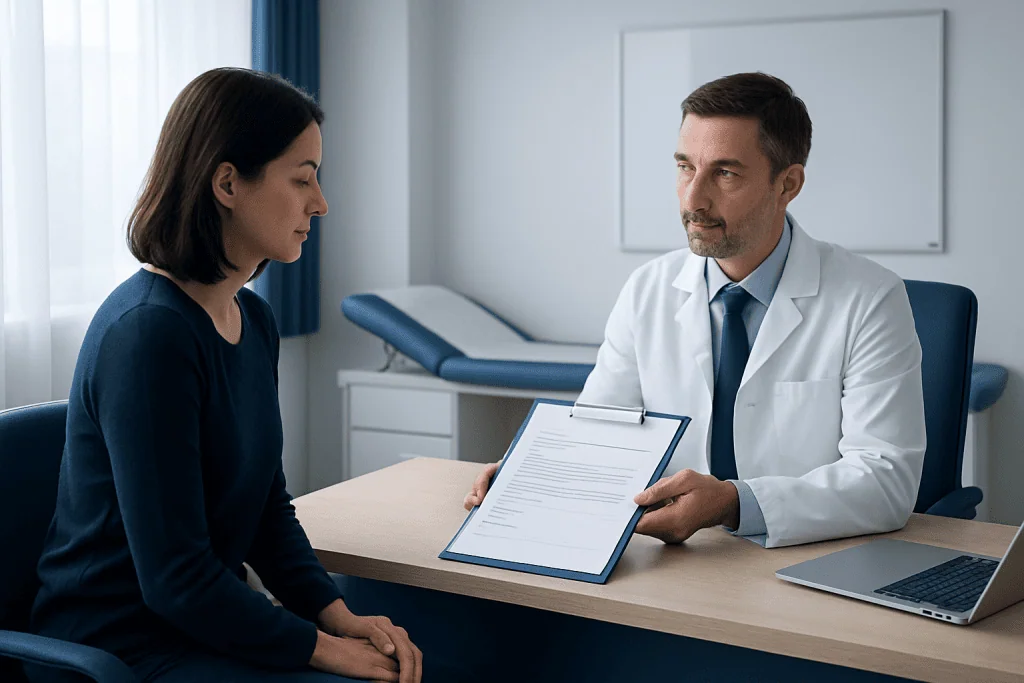
For international patients, preparing records is not just an administrative step. Your care may need to be understood by doctors in another country, in a different health system, and sometimes in another language context. Acibadem International coordinates this process so your medical documents are organized and ready to support continuity of care.
Because Acibadem hospitals are JCI-accredited and serve patients from many countries, teams are used to the practical needs that come with cross-border treatment. That includes helping you understand what each document is for, what should be kept with you during travel, and what can later be shared digitally if needed.
Interpreters and international patient services can also help you review the basics before discharge. This is useful if you want to confirm medicine timing, dressing changes, activity restrictions, or when to seek urgent help after you leave Istanbul or another city in Turkey.
What information you should check before discharge
Before you leave, take a few minutes to review your paperwork carefully. The most important point is not to read every medical line in detail, but to make sure the practical information is complete and understandable. You should know your diagnosis, what treatment was performed, what medicines to take, and when your next review is expected.
Also confirm that identifying details are correct, such as your full name, date of birth, passport or file information if used, and the date of admission and discharge. If you notice anything unclear or incorrect, ask for clarification right away. Small corrections are much easier to make before you travel.
Pay special attention to discharge instructions related to travel, wound care, physical activity, bathing, eating, pain relief, and emergency symptoms. If you had surgery or a complex treatment plan, ask your team to point out the most important instructions for the first 24 to 72 hours and the first week after discharge.
How to use your records after leaving the hospital
Once you leave the hospital, keep your discharge summary and key records somewhere easy to access. Carry a copy with you while traveling, especially if you recently had surgery, need medication, or may be asked about your condition at the airport or during transit. If possible, keep both printed and digital versions.
When you see your local doctor, specialist, or family physician after returning home, bring the discharge summary first. It gives them a quick overview and helps them decide which additional reports they need to review. This can save time and reduce the risk of repeating tests unnecessarily.
If your treatment plan includes remote follow-up, your records also help you communicate more accurately with the Acibadem team after you return home. Clear documents make it easier to discuss symptoms, wound healing, medication tolerance, or the timing of future checks.
Questions to ask if anything feels unclear
It is completely normal to have questions at discharge, especially if you are tired, recovering from treatment, or preparing for travel. Try to focus on practical points: what medicines to take, when to remove or change dressings, what activities to avoid, how to eat and drink, and which symptoms mean you should seek medical attention.
You can also ask who to contact after discharge if a question comes up later. For international patients, this is especially helpful because concerns sometimes arise after reaching the hotel, during transfer, or once back home. Knowing the right contact route in advance can reduce stress.
At Acibadem International, multidisciplinary teams and patient coordinators help connect the medical and logistical sides of discharge. That means your records are not just handed over; ideally, they are explained in a way that supports your next steps, from transport and accommodation planning to follow-up communication.
Step by step
- Your doctor finalizes the medical plan. Before discharge, your treating doctor reviews your recovery, current condition, and whether you are ready to leave the hospital safely. They confirm the key medical details that need to appear in your discharge summary and follow-up instructions.
- Your reports and treatment details are compiled. Relevant findings from your stay are gathered into your discharge documentation. This may include procedure details, test results, imaging reports, prescriptions, and practical recommendations for aftercare.
- Discharge instructions are prepared for daily use. Your team organizes the instructions you need for the first days and weeks after treatment. These usually cover medicines, diet, mobility, wound care, appointments, and warning signs that require medical advice.
- International patient support helps review the paperwork. If you are visiting from abroad, the international patient team can help make the process easier to follow. They may assist with interpretation, document coordination, and clarifying what to keep with you during travel.
- You ask questions and confirm next steps. Before you leave, take time to ask anything you do not understand. This is the best moment to confirm medication timing, activity limits, who to contact, and whether any reports will be shared later.
- You leave with the records you need for home care and travel. Once discharge is complete, keep your documents organized and accessible. Your summary and key reports can support your recovery, help your local doctors, and make follow-up with Acibadem smoother after you return home.
Your checklist
- Check that your full name and personal details are correct on all documents
- Make sure you understand why you were admitted and what treatment was performed
- Confirm your medication names, doses, and timing before leaving
- Ask which symptoms should prompt urgent medical advice
- Request copies of important test and imaging reports if relevant
- Keep printed and digital copies of your discharge documents
- Ask who to contact after discharge if you have questions from your hotel or home country
- Share your discharge summary with your local doctor after you return home
Key takeaways
- Your discharge summary is the main record that explains your hospital stay and next steps.
- You may also receive prescriptions, test reports, imaging results, and follow-up instructions depending on your treatment.
- For international patients, clear records are essential for safe travel and continuity of care at home.
- Acibadem International teams can help you understand your paperwork, especially if language or logistics are a concern.
- Before leaving, confirm medicines, warning signs, contact details, and whether any results will arrive later.
Frequently asked questions
What is included in a discharge summary at Acibadem?
A discharge summary usually includes the reason for your admission, the diagnosis, important treatments or procedures, your condition at discharge, medicines, and follow-up recommendations. Depending on your case, it may be supported by additional reports such as lab, imaging, or pathology results.
Will I receive all of my medical records before I leave Turkey?
You will usually receive the key documents needed for ongoing care and travel before discharge. Some results, such as certain pathology or specialized reports, may take longer, and your team can explain how these will be shared afterward if they are not ready on the day you leave.
Can the international patient team help me understand my documents?
Yes. International patient services and interpreters can help you understand the practical meaning of your paperwork, especially discharge instructions, medicine use, and follow-up planning. This is particularly helpful if you are coordinating care across countries.
Why do I need to keep my discharge summary after I go home?
Your discharge summary helps your local doctor quickly understand what happened during your treatment in Turkey or Istanbul. It also supports safer follow-up, reduces confusion about medicines or recovery instructions, and can be useful if you need medical advice while traveling.
Should I carry my records while traveling after discharge?
Yes, it is wise to keep essential documents with you, especially if you recently had surgery, need medication, or may need medical support during transit. A printed copy plus a digital backup on your phone or email is often the most practical approach.
What if I notice a mistake or something unclear in my records?
Raise it before leaving the hospital whenever possible. Your care team or patient coordinator can review the information with you, explain unclear sections, and help correct practical details such as personal information or instructions.
Will my doctor at home be able to use these records?
In most cases, yes. The purpose of the discharge summary is to provide a clear overview that another doctor can follow. If your local doctor needs more detail, they can also review the attached reports or request further information through appropriate channels.
Add us as a Preferred Source to see more of our trusted health content across Google Search, AI Overviews and Discover.
More Patient Guides

Need More Than One Specialist in Turkey? How Multidisciplinary Care Is Coordinated
Multidisciplinary care in Turkey means your specialists coordinate tests, opinions and treatment plans so you can move through care with fewer delays.
9 min read
How to Compare Hospitals in Turkey for Complex Treatment
Compare hospitals in Turkey for complex treatment by checking accreditation, specialist teams, ICU support, coordination, and follow-up.
9 min read
At Acibadem, How We Explain Surgical Risks and Safety Checks Before You Travel
Surgical risks and safety checks before travel means understanding your personal risk, required tests, and travel timing before coming to Turkey.
9 min read