Why Mental Health Is Important: Effects on Sleep, Work, Relationships, and Physical Health

Mental health is a core part of overall health, not separate from physical well-being. Changes in mood, stress, or emotional health can affect sleep, concentration, productivity, and relationships.
Key Takeaways
- Mental health is a core part of overall health, not separate from physical well-being.
- Changes in mood, stress, or emotional health can affect sleep, concentration, productivity, and relationships.
- Mental health and physical health influence each other in both short-term and long-term ways.
- Early support, healthy routines, and professional care can improve symptoms and quality of life.
- Seeking help for mental health concerns is a practical health decision, not a sign of weakness.
Mental health influences how a person thinks, feels, behaves, and responds to everyday stress. Its effects can be seen in sleep quality, work performance, relationships, and physical health, making mental well-being an essential part of overall health.
Overview: Why mental health matters
Mental health is important because it affects nearly every area of daily life. It shapes how a person manages emotions, handles stress, relates to others, makes decisions, and maintains routines. Good mental health does not mean feeling happy all the time. Rather, it means having the ability to cope with life’s challenges, recover from setbacks, and function in a balanced way.
Mental well-being changes over time. Stressful events, physical illness, work demands, family responsibilities, sleep problems, or social isolation can all affect emotional health. Just as physical health can vary from day to day, mental health can also improve or worsen depending on life circumstances, support systems, and access to care.
When mental health is strained, the effects are often felt across the whole body and in everyday functioning. A person may sleep poorly, lose focus at work, feel more irritable with loved ones, or notice headaches, fatigue, or appetite changes. These experiences are common and real, and they deserve attention just like any physical symptom.
How mental health affects sleep
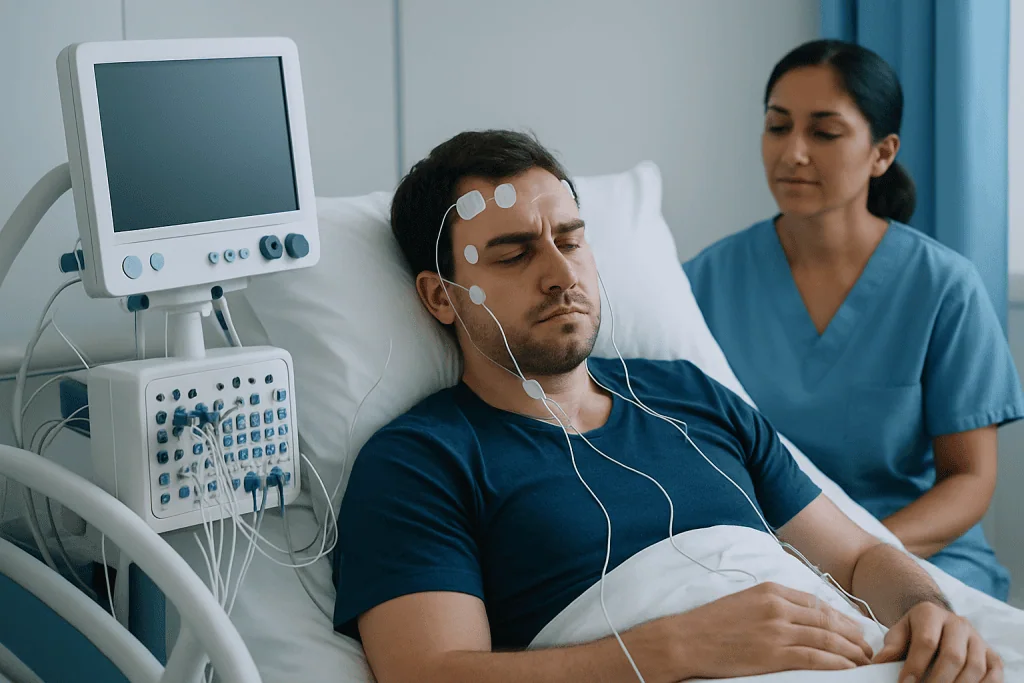
Sleep and mental health have a close, two-way relationship. Stress, anxiety, depression, and emotional overload can make it harder to fall asleep, stay asleep, or feel rested in the morning. Racing thoughts, worry, low mood, or physical tension can keep the mind and body in a heightened state when rest is needed most.
Poor sleep can also worsen mental health. Even a few nights of restless sleep may increase irritability, reduce patience, and make concentration more difficult. Over time, chronic sleep disruption may contribute to stronger feelings of anxiety, low mood, emotional reactivity, and difficulty coping with everyday demands.
Common signs that mental health may be affecting sleep include:
- Trouble falling asleep because of worry or overthinking
- Waking frequently during the night
- Early morning waking with difficulty returning to sleep
- Sleeping much more than usual but still feeling tired
- Fatigue, low motivation, or poor concentration during the day
Improving sleep often supports emotional recovery, and addressing mental health concerns can improve sleep quality. When sleep problems last for several weeks, become severe, or interfere with daily life, professional evaluation can help identify whether stress, anxiety, depression, a sleep disorder, or another medical issue is involved.
Effects on work, school, and daily functioning

Mental health plays a major role in attention, memory, decision-making, and motivation. When a person is emotionally overwhelmed, routine tasks may feel harder than usual. They may struggle to organize responsibilities, meet deadlines, stay engaged in meetings, or manage normal levels of pressure. This can happen in workplaces, schools, and home life.
Stress and mental fatigue do not always look dramatic. Sometimes they appear as forgetfulness, procrastination, lower productivity, difficulty starting tasks, or feeling mentally “foggy.” A person may continue functioning outwardly while privately feeling exhausted or disconnected. Because these changes can develop gradually, they may be mistaken for laziness or poor time management rather than signs of emotional strain.
Over time, unaddressed mental health concerns can increase absenteeism, reduce job satisfaction, and make burnout more likely. In some cases, symptoms may overlap with conditions such as depression or anxiety, which can affect energy, confidence, and daily performance. Early recognition and support can help prevent symptoms from becoming more disruptive.
Helpful steps may include realistic workload planning, regular breaks, healthy boundaries, supportive communication, and medical care when needed. These measures are not only good for productivity; they are also important for long-term health and functioning.
Effects on relationships and social life
Mental health strongly influences how a person communicates, interprets social situations, and responds emotionally to others. When stress levels are high or mood is low, patience may decrease and misunderstandings may happen more easily. A person may withdraw, become more sensitive to criticism, lose interest in social activities, or have trouble expressing what they need.
Relationships can also affect mental health in return. Supportive family members, friends, colleagues, or partners can help a person feel safer and more resilient. On the other hand, conflict, loneliness, grief, caregiving stress, or unhealthy relationship patterns may increase emotional distress. This two-way connection is one reason social support is so important to mental well-being.
Some common relationship-related signs of mental strain include:
- Withdrawing from friends or family
- Feeling unusually irritable or easily frustrated
- Difficulty listening, focusing, or communicating clearly
- Loss of interest in social contact or intimacy
- Feeling disconnected, hopeless, or misunderstood
Open conversations can help, but persistent changes in mood, behavior, or relationship functioning may point to a mental health concern that deserves professional attention. Treatment and counseling can improve both individual symptoms and relationship dynamics.
The connection between mental health and physical health
Mental and physical health are deeply connected. Emotional stress can affect the body through changes in sleep, appetite, muscle tension, hormone balance, and inflammation-related processes. A person experiencing ongoing stress or low mood may notice fatigue, headaches, digestive discomfort, body aches, heart palpitations, or changes in eating habits. These symptoms are real physical experiences, even when emotional factors play a role.
Physical illness can also affect mental health. Living with chronic pain, diabetes, heart disease, hormonal conditions, or neurological disorders may increase the risk of stress, anxiety, or depressed mood. At the same time, poor mental health can make it harder to maintain exercise, nutrition, medication routines, and medical follow-up. This can create a cycle in which emotional and physical symptoms reinforce each other.
For some people, mental health symptoms are part of a broader health picture. Difficulty with sleep, energy, concentration, or stress tolerance may overlap with issues such as sleep disorders or other medical conditions. A full evaluation can help clarify what is contributing to symptoms and guide the most appropriate care.
Because of this strong mind-body link, mental health care is an important part of whole-person care. Looking after emotional well-being can support blood pressure control, immune function, pain management, recovery from illness, and overall quality of life.
Common causes, risk factors, and warning signs
Mental health concerns rarely have a single cause. They often develop through a combination of biological, psychological, and social factors. Family history, personality traits, trauma, chronic stress, major life changes, financial pressure, grief, social isolation, discrimination, substance use, and some medical conditions may all play a role. Hormonal changes, certain medications, and long-term sleep loss can also affect mood and coping.
It is important to recognize that anyone can experience mental health difficulties. Symptoms are not a personal failure, and they do not necessarily reflect weakness or poor character. Like physical conditions, emotional health problems can range from mild and temporary to more persistent and complex.
Warning signs that may suggest a person needs extra support include:
- Persistent sadness, emptiness, worry, or irritability
- Loss of interest in usual activities
- Noticeable changes in sleep, appetite, or energy
- Difficulty concentrating or making decisions
- Feeling overwhelmed by normal daily tasks
- Withdrawing from others or avoiding responsibilities
- Using alcohol or substances to cope
If symptoms continue, worsen, or interfere with work, relationships, or self-care, a mental health assessment can be helpful. Early support often leads to better symptom control and a faster return to daily functioning.
Diagnosis, treatment, and self-care
Mental health concerns are diagnosed through a clinical assessment rather than a single blood test or scan. A doctor, psychiatrist, or psychologist usually asks about symptoms, sleep, stress, mood, medical history, medications, and how daily life has been affected. In some cases, physical examinations or laboratory tests are used to rule out medical causes such as thyroid problems, vitamin deficiencies, or other health conditions.
Treatment depends on the person’s symptoms, their severity, and any underlying causes. Many people benefit from psychological therapies such as counseling or psychotherapy, which can help with thought patterns, coping skills, and emotional regulation. Some may also benefit from psychiatric care, including careful assessment and medication when appropriate. For selected situations, structured support for stress management, sleep problems, or cognitive behavioral therapy may be recommended.
Self-care is also an important part of recovery and prevention. Useful habits often include regular sleep and wake times, balanced meals, physical activity, time outdoors, limiting alcohol and stimulants, maintaining supportive social contact, and setting realistic expectations. Small, consistent changes are usually more sustainable than trying to change everything at once.
Near the end of the care journey, some people need coordinated support across specialties, especially when mental and physical symptoms overlap. Acibadem International’s multidisciplinary specialists and JCI-accredited hospitals diagnose and treat mental health concerns for international patients as part of comprehensive care.
When to seek professional help
Professional help is appropriate whenever emotional symptoms are persistent, distressing, or affecting everyday life. A person does not need to wait until symptoms become severe. Early support can make problems easier to treat and may reduce the impact on sleep, work, relationships, and physical health.
A medical or mental health professional should be consulted if symptoms last more than a few weeks, keep returning, or cause difficulty at home, school, or work. Help is also important if a person feels unable to cope, has panic symptoms, uses substances to manage emotions, or notices major changes in appetite, energy, or sleep.
Urgent help is needed if there are thoughts of self-harm, suicide, or harming others, or if a person is unable to care for themselves safely. In these situations, immediate contact with emergency services or a local crisis service is essential. Fast support can protect safety and connect the person with the right care.
Seeking help is a health decision, not a personal weakness. With timely assessment, practical support, and appropriate treatment, many people experience meaningful improvement and regain a stronger sense of balance in daily life.
Frequently asked questions
Why is mental health important in everyday life?
Mental health affects how a person thinks, feels, behaves, and responds to stress. It influences sleep, concentration, relationships, work performance, and physical well-being, so it is a central part of overall health.
Can poor mental health cause physical symptoms?
Yes. Mental health concerns can contribute to fatigue, headaches, muscle tension, digestive upset, appetite changes, and sleep problems. Emotional stress can affect the body in real and noticeable ways, so symptoms should be taken seriously.
How does mental health affect sleep?
Stress, anxiety, and low mood can make it harder to fall asleep, stay asleep, or wake feeling rested. Poor sleep can then worsen emotional symptoms, creating a cycle that may need both lifestyle changes and professional support.
When should someone seek help for mental health concerns?
Help is recommended when symptoms last for several weeks, keep returning, or interfere with work, school, relationships, or self-care. Immediate help is needed if there are thoughts of self-harm, suicide, or inability to stay safe.
Can mental health problems improve with treatment?
In many cases, yes. Counseling, lifestyle changes, stress management, and medical treatment when needed can all help reduce symptoms and improve quality of life. Early support often makes recovery easier.
Is stress the same as a mental illness?
Not always. Stress is a normal response to pressure, but prolonged or intense stress can affect mental health and sometimes contribute to conditions such as anxiety or depression. If stress becomes overwhelming or persistent, a professional assessment can help.
References
- World Health Organization
- National Institute of Mental Health
- American Psychiatric Association
- Centers for Disease Control and Prevention
- National Health Service
This article is for general information only and is not a substitute for professional medical advice. Please consult a qualified doctor about your individual situation.
Explore treatments in Turkey — costs, top hospitals & a free quote
JCI-accredited · board-certified surgeons · reply within 24h
Add us as a Preferred Source to see more of our trusted health content across Google Search, AI Overviews and Discover.