Mental Health News Online: How to Tell Reliable Advice From Misinformation
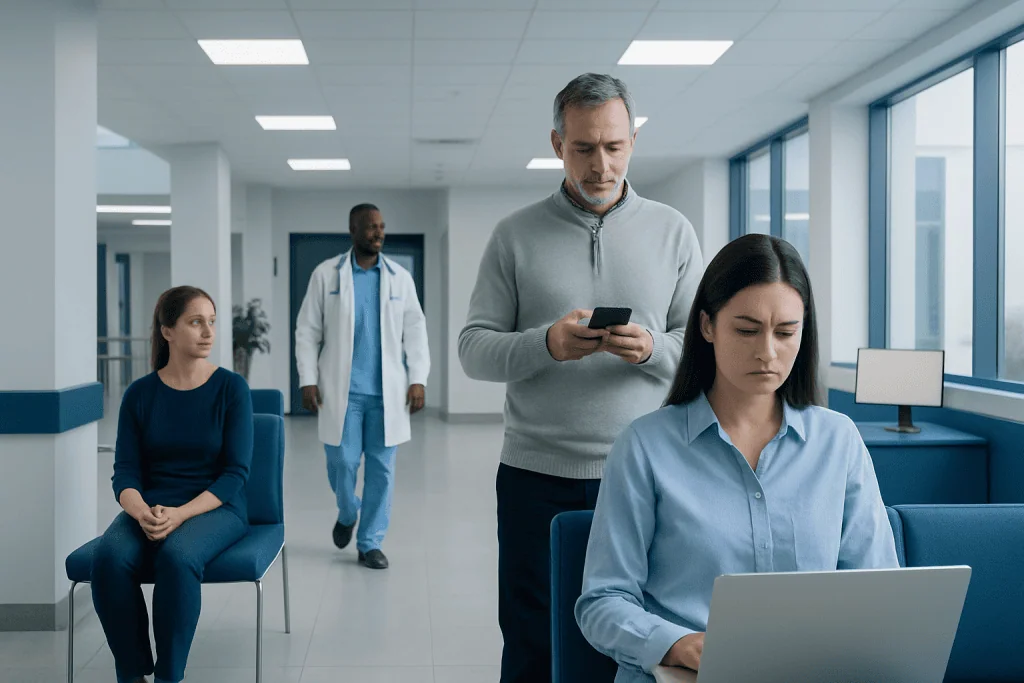
Reliable mental health news online should name qualified experts and explain the evidence behind claims. Sensational headlines, miracle cures, and one-size-fits-all advice are common warning signs of misinformation.
Key Takeaways
- Reliable mental health news online should name qualified experts and explain the evidence behind claims.
- Sensational headlines, miracle cures, and one-size-fits-all advice are common warning signs of misinformation.
- Trusted sources usually distinguish between personal stories, expert opinion, and scientific research.
- Online information should support, not replace, evaluation by a qualified mental health professional.
- Urgent symptoms such as self-harm thoughts, severe distress, or sudden behavior changes need prompt medical attention.
Mental health information online can be helpful, but not every article, video, or social post is accurate. Learning a few simple checks can help readers find trustworthy advice and avoid misleading or harmful claims.
Overview: Why Mental Health Information Online Can Be Confusing
Many people turn to the internet first when they have questions about stress, anxiety, depression, sleep, trauma, or other mental health concerns. Online content can make mental health topics easier to understand, reduce stigma, and encourage people to seek help. It can also provide practical ideas for self-care, explain treatment options, and help readers feel less alone.
At the same time, mental health news online is not always reliable. Some posts oversimplify complex conditions, promote unproven treatments, or present personal opinions as medical facts. Short videos, dramatic headlines, and emotionally charged stories may spread quickly even when the information is incomplete or inaccurate.
Mental health is influenced by biology, life experiences, relationships, physical health, and social factors. Because of this, advice that sounds simple or universal may not fit every person. Learning how to evaluate online information can help readers make safer decisions and know when to speak with a qualified professional.
Signs That Mental Health Advice Is Reliable

Trustworthy mental health content usually explains who created it and why. Reliable articles often come from recognized health organizations, academic medical centers, government public health agencies, or licensed clinicians writing within their area of expertise. The author should be clearly identified, and the content should ideally be reviewed by a medical expert or editorial team.
Good information also shows where its claims come from. It may refer to clinical guidelines, established medical knowledge, or peer-reviewed research. Reliable sources usually avoid saying that one study proves everything. Instead, they explain that evidence builds over time and that treatment decisions depend on a person’s symptoms, history, and needs.
Readers can look for a few practical signals:
- The article names the author and professional credentials.
- It explains whether the information is based on research, expert consensus, or personal experience.
- It uses balanced language and discusses limits or uncertainties.
- It encourages professional support for diagnosis and treatment.
- It is updated regularly, especially for fast-changing topics.
Reliable content aims to inform rather than shock or sell. It should help readers understand options, not pressure them into a product, supplement, course, or paid community that claims to replace professional care.
Common Red Flags for Misinformation

One of the clearest warning signs is sensational language. Headlines that promise a “hidden cure,” “instant relief,” or a “simple trick doctors do not want you to know” are designed to attract attention, not to educate. Mental health conditions are real medical concerns, and effective care is rarely explained honestly in extreme or dramatic terms.
Another red flag is advice that treats all symptoms as if they have the same cause. For example, low mood, poor sleep, irritability, and trouble concentrating can happen for many reasons, including stress, depression, anxiety, medication effects, medical conditions, or burnout. Content that claims every symptom comes from one nutrient deficiency, one trauma response, or one personality type is often misleading.
Readers should also be cautious when content discourages evidence-based care. This includes posts that tell people to stop prescribed treatment, avoid therapy, distrust all mental health professionals, or rely only on a coach, influencer, or supplement seller. Personal recovery stories can be meaningful, but they are not a substitute for medical evidence.
Other warning signs include no author name, no publication date, no sources, selective quotes from research, and strong emotional pressure to share immediately. If a post makes a person feel panicked, guilty, or rushed into action, it is worth pausing and checking the information more carefully.
How to Check the Quality of a Mental Health Claim
A helpful first step is to ask: who is making the claim? A psychiatrist, psychologist, psychotherapist, family physician, or public health organization is generally more trustworthy than an anonymous account. Credentials matter because mental health assessment and treatment require training, clinical standards, and ethical responsibilities.
Next, readers can ask what kind of evidence is being used. A personal story can show one person’s experience, but it cannot prove that a method works for everyone. Scientific evidence is stronger when it comes from multiple studies, careful review, and expert guidelines. When an article discusses treatment for conditions such as depression or anxiety, it should make clear that diagnosis depends on a full clinical evaluation.
It also helps to compare information across more than one trusted source. If several respected organizations explain the same topic similarly, confidence in the information increases. If one post makes a surprising claim that cannot be found elsewhere, skepticism is reasonable.
Finally, readers should check whether the advice fits safe medical practice. Trustworthy sources usually discuss both benefits and possible risks. For example, lifestyle approaches such as sleep hygiene, exercise, and stress management may help many people, but they do not replace treatment when symptoms are severe, persistent, or disabling.
Understanding the Difference Between Supportive Content and Medical Care
Online mental health content can be useful for education and emotional support. It may help people recognize symptoms, learn coping skills, prepare questions for a doctor, or feel more comfortable seeking help. Support groups, educational podcasts, and articles from trusted organizations can all play a positive role.
However, online advice cannot diagnose a condition. Many mental health symptoms overlap, and physical health problems can also affect mood, energy, concentration, and sleep. For example, thyroid disease, vitamin deficiencies, chronic pain, neurological disorders, and medication side effects may contribute to emotional symptoms. A proper assessment looks at the full picture rather than one symptom in isolation.
Treatment decisions also need individual judgment. A person may benefit from psychotherapy, stress-management strategies, family support, medication, or a combination of approaches. In some cases, doctors may recommend structured care such as psychotherapy or a formal psychiatric evaluation to understand symptoms more clearly.
Content that frames self-help as the only answer can delay appropriate care. The safest approach is to treat online information as a starting point for informed discussion with a qualified clinician, especially when symptoms are affecting daily life, work, school, sleep, or relationships.
Safer Ways to Use Social Media and Health News
Social media can expose people to helpful ideas, but also to repeated misinformation. Platforms often reward content that is short, emotional, and highly shareable. This means accurate information may appear next to oversimplified or misleading posts, making it harder to tell the difference.
Readers can protect themselves by slowing down before reacting or sharing. Saving a post for later, checking the creator’s credentials, and looking for confirmation from established health organizations are simple but effective habits. It is also useful to notice whether content is trying to educate or trying to sell something through fear or urgency.
Curating feeds can improve the quality of information over time. Following reputable hospitals, medical associations, and licensed professionals who communicate responsibly may reduce exposure to harmful content. Muting or unfollowing accounts that repeatedly promote stigma, shame, miracle cures, or conspiracy-based claims can support mental well-being as well as media literacy.
For people who feel overwhelmed by conflicting mental health messages online, taking breaks from social media may help. If symptoms are ongoing, speaking with a qualified professional is often more useful than continuing to search endlessly. Near the point of care, some patients may also explore coordinated services such as comprehensive medical assessment when physical and emotional symptoms may overlap.
When to Seek Professional Help
It is wise to seek professional advice when mental health symptoms last more than a few weeks, keep returning, or interfere with work, school, daily responsibilities, or relationships. Persistent sadness, anxiety, irritability, panic attacks, loss of interest, major sleep changes, difficulty concentrating, or distress after a traumatic event all deserve proper attention.
Prompt help is especially important when there are signs of significant risk. These include thoughts of self-harm or suicide, hearing or seeing things others do not, extreme mood changes, severe agitation, confusion, substance misuse that is escalating, or inability to care for basic needs. In these situations, urgent medical support should be sought right away through local emergency services or crisis resources.
Families and friends can play an important role by noticing changes, offering calm support, and encouraging evaluation without judgment. A compassionate conversation may help someone move from confusion and fear toward treatment and recovery.
For international patients who need assessment or treatment, Acibadem International’s multidisciplinary specialists and JCI-accredited hospitals provide care for a wide range of mental health concerns. Still, the most important step is timely evaluation by a qualified clinician who can recommend the most appropriate care plan.
Frequently asked questions
How can someone tell if mental health news online is trustworthy?
A trustworthy source usually identifies the author, lists relevant credentials, and explains where the information comes from. Reliable content also uses balanced language, avoids miracle claims, and encourages readers to seek professional evaluation when needed.
Are personal mental health stories online useful?
Personal stories can reduce stigma and help people feel understood, but they are not medical evidence. What helped one person may not be safe or effective for someone else, so personal experience should be viewed as supportive, not definitive.
Why are mental health headlines often misleading?
Online platforms reward attention-grabbing content, so headlines may simplify or exaggerate findings. A headline may not reflect the limits of a study, the quality of the evidence, or the fact that treatment decisions must be individualized.
Can online quizzes diagnose anxiety, depression, or other conditions?
Online quizzes may help a person recognize symptoms worth discussing, but they cannot provide a formal diagnosis. Mental health diagnosis depends on a full assessment, including symptom pattern, duration, functioning, medical history, and sometimes physical health factors.
What should a reader do before sharing a mental health post?
It helps to pause and check who created the content, whether credible sources are cited, and whether the message matches guidance from established health organizations. If the post seems extreme, emotionally manipulative, or product-driven, it is better not to share it until it is verified.
When should online research stop and professional help begin?
Professional help is appropriate when symptoms are persistent, worsening, or affecting daily life, relationships, sleep, work, or safety. Urgent help is needed right away if there are thoughts of self-harm, suicidal thinking, psychotic symptoms, or severe inability to function.
References
- World Health Organization
- National Institute of Mental Health
- American Psychiatric Association
- National Health Service
- Centers for Disease Control and Prevention
This article is for general information only and is not a substitute for professional medical advice. Please consult a qualified doctor about your individual situation.
Explore treatments in Turkey — costs, top hospitals & a free quote
JCI-accredited · board-certified surgeons · reply within 24h
Add us as a Preferred Source to see more of our trusted health content across Google Search, AI Overviews and Discover.