Neuropediatrics: When a Child’s Development or Movement Needs Specialist Care
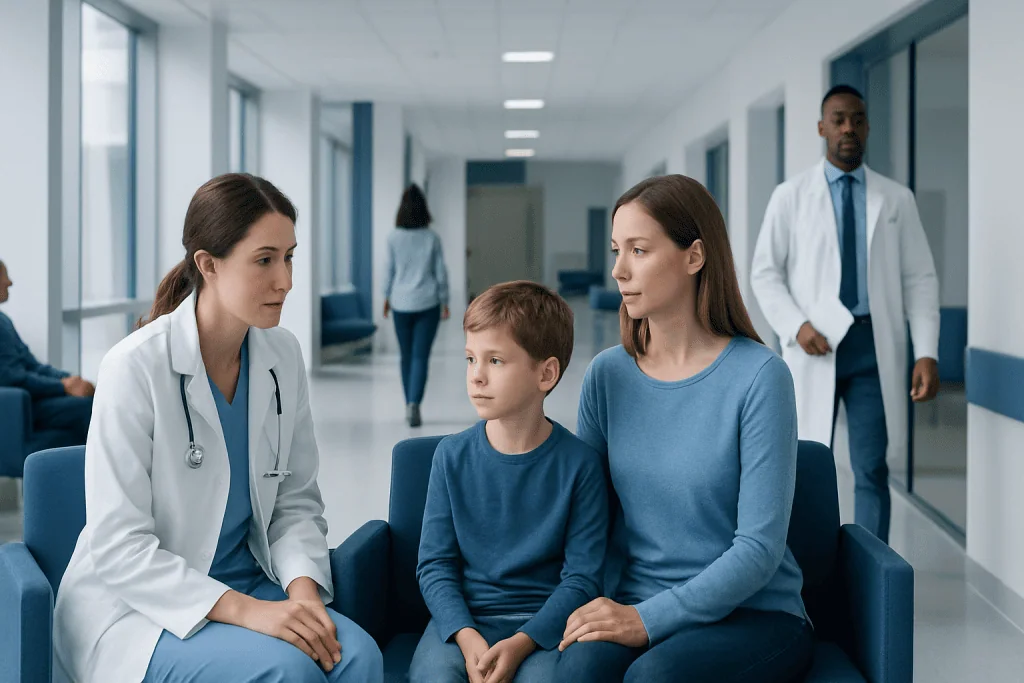
Neuropediatrics focuses on neurological and developmental conditions in babies, children, and adolescents. A child may need specialist assessment for delayed milestones, seizures, weakness, balance problems, headaches, or unusual movements.
Key Takeaways
- Neuropediatrics focuses on neurological and developmental conditions in babies, children, and adolescents.
- A child may need specialist assessment for delayed milestones, seizures, weakness, balance problems, headaches, or unusual movements.
- Diagnosis often combines a detailed history, neurological examination, developmental assessment, and selected tests.
- Treatment depends on the cause and may include medicines, rehabilitation therapies, supportive care, and ongoing follow-up.
- Early evaluation can help clarify concerns, support development, and connect families with the right care.
Neuropediatrics is the area of child health that evaluates and treats disorders of the brain, spinal cord, nerves, muscles, and development. It helps families understand symptoms such as delayed milestones, unusual movements, seizures, weakness, or changes in behavior and guides the next steps in care.
Overview: What Neuropediatrics Means
Neuropediatrics, often called pediatric neurology, is the medical field that cares for children with conditions affecting the brain, spinal cord, nerves, muscles, and neurodevelopment. Because a child’s nervous system is still growing and changing, symptoms can look different from those in adults. A specialist in neuropediatrics considers not only the medical problem itself but also how it may affect learning, movement, speech, sleep, behavior, and daily life.
Children may be referred for many reasons. Some are born with neurological conditions, while others develop symptoms later in infancy, childhood, or adolescence. Concerns may include developmental delay, seizures, headaches, weakness, difficulty walking, poor coordination, sudden changes in movement, or differences in attention and behavior. In some cases, a child appears healthy at first and symptoms become noticeable only when expected milestones are delayed.
Neuropediatrics is not limited to rare diseases. Specialists also help evaluate common concerns such as recurring headaches, fainting episodes that need neurological assessment, tics, or school-related developmental questions. The goal is to understand what is happening, decide whether urgent treatment is needed, and create a plan that supports the child’s health and development over time.
Symptoms and Signs That May Need Specialist Assessment
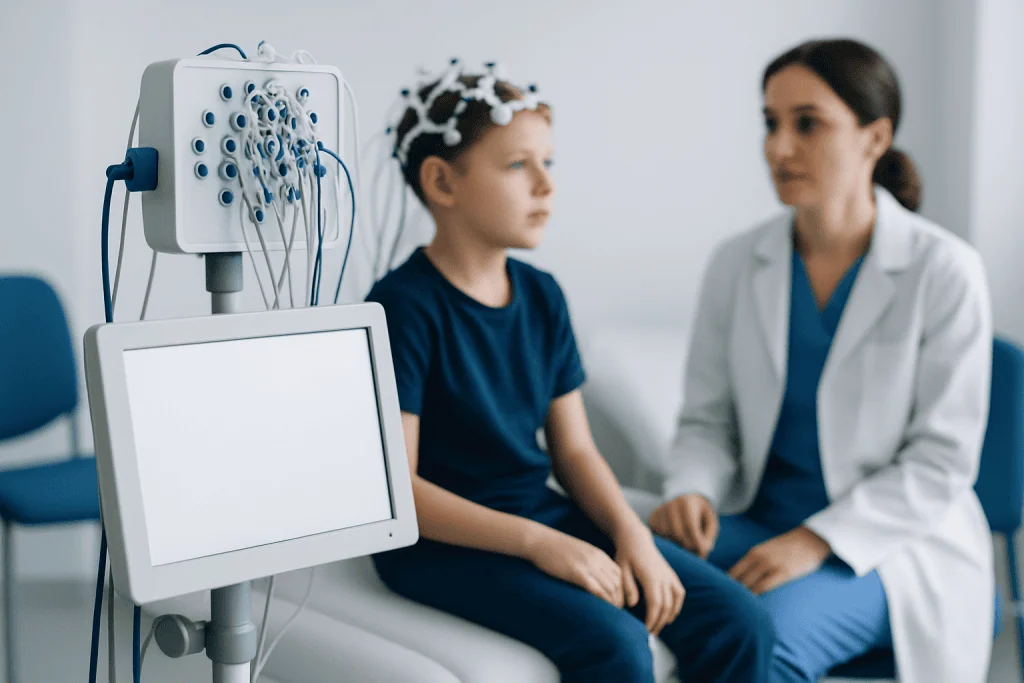
Many children develop at different rates, and not every variation means a neurological disorder. Still, certain signs deserve closer attention, especially if they persist, worsen, or affect daily function. Families may notice delays in sitting, crawling, walking, speaking, or interacting socially. Others may see unusual stiffness, floppiness, tremors, frequent falls, one-sided weakness, or trouble using the hands.
Neurological symptoms can also include episodes that look like seizures, staring spells, sudden jerking movements, severe or recurring headaches, dizziness, balance problems, loss of previously learned skills, or changes in vision, swallowing, or sleep. In babies, warning signs may be subtle, such as poor feeding, unusual body posture, reduced movement, or difficulty making eye contact. Older children may complain of numbness, tingling, muscle pain, or fatigue with activity.
Behavior and learning changes can sometimes have a neurological basis as well. A child who has difficulty concentrating, speaking clearly, processing language, or coordinating movement may benefit from a neurological and developmental assessment. While these symptoms can arise from many causes, specialist evaluation helps determine whether the issue is related to the nervous system, another medical condition, or a non-neurological developmental variation.
- Delayed developmental milestones
- Seizures or unusual spells
- Weakness, stiffness, or floppiness
- Frequent falls or poor balance
- Recurring headaches
- Loss of skills already learned
Common Conditions Seen in Neuropediatrics
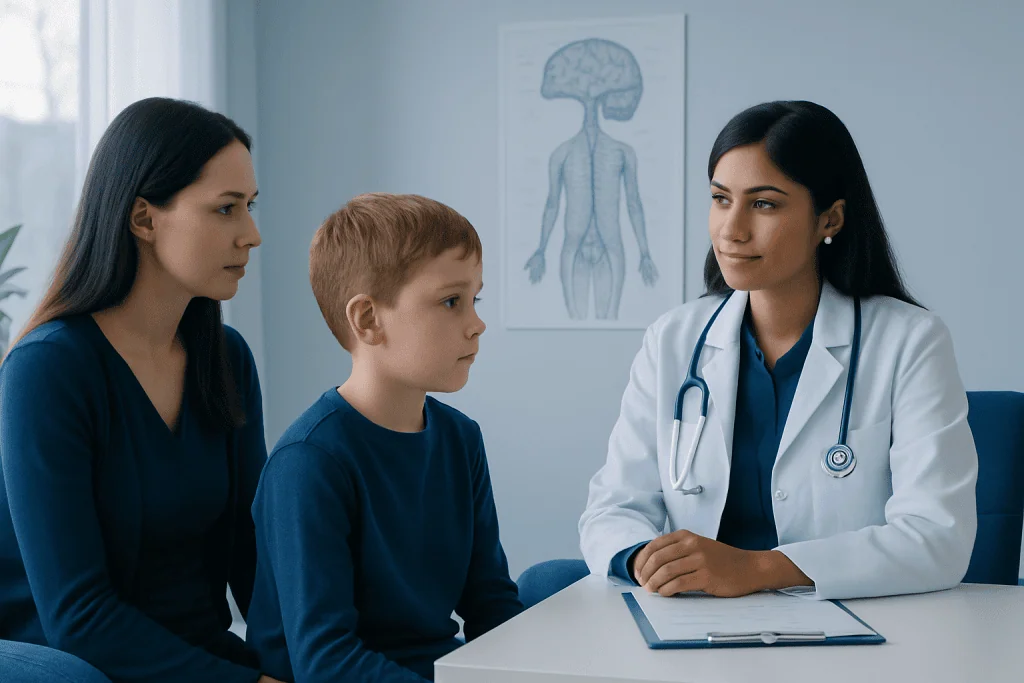
Neuropediatric specialists evaluate a wide range of conditions. These include seizure disorders such as epilepsy, developmental delays, cerebral palsy, neuromuscular disorders, inherited metabolic and genetic conditions, headaches including migraine, movement disorders, sleep-related neurological problems, and complications after infections or injury. Some conditions are present from birth, while others appear later as the child grows.
Developmental and movement concerns are among the most common reasons for referral. A child may have muscle weakness, low muscle tone, increased stiffness, abnormal gait, hand tremors, or involuntary movements. Neuromuscular conditions can involve the muscles themselves, the nerves that control them, or the connection between nerve and muscle. These problems may affect posture, endurance, swallowing, breathing, and physical independence.
Neuropediatrics also overlaps with other fields. For example, a child with headache may need assessment for migraine, while one with complex movement symptoms may benefit from collaboration with rehabilitation specialists. Developmental concerns can involve speech and language, learning, or social communication, making team-based evaluation especially important. In many children, the first goal is not to assign a label quickly, but to understand the pattern of symptoms and monitor how it changes over time.
Causes and Risk Factors
Neurological symptoms in children can have many causes. Some are related to genetic or inherited conditions, differences in brain development before birth, complications during pregnancy or delivery, premature birth, infections, autoimmune disorders, head injury, or metabolic problems. Others may arise without a clearly identifiable cause, even after careful testing. A thorough evaluation helps narrow these possibilities.
Risk factors depend on the specific problem. For example, a family history of seizures, migraine, muscle disease, or developmental disorders may be relevant. Prematurity can increase the chance of certain developmental and neurological challenges. Serious newborn illness, lack of oxygen around birth, or infections affecting the brain and nervous system may also play a role in some cases. However, many children with neurological conditions have no obvious risk factor.
It is also important to remember that symptoms that seem neurological are not always caused by a nervous system disease. Fatigue, nutritional deficiencies, hormonal disorders, emotional stress, and orthopedic problems can sometimes affect movement, energy, or concentration. That is one reason specialist assessment is valuable: it helps distinguish between neurological causes and other issues that may require different treatment.
How Diagnosis Is Made
Diagnosis in neuropediatrics begins with careful listening. The specialist usually asks about pregnancy and birth history, early development, family history, school performance, sleep, behavior, and the exact pattern of symptoms. Parents or caregivers may be asked when concerns began, what makes them better or worse, and whether videos of episodes such as unusual movements or staring spells are available. These details can be very helpful.
The neurological examination looks at strength, muscle tone, reflexes, coordination, balance, sensation, eye movements, speech, and age-appropriate developmental skills. In babies and young children, the examination is adapted to the child’s age and may be done partly through play and observation. Developmental screening or formal neuropsychological and speech-language assessments may also be recommended when learning, behavior, or communication are part of the picture.
Additional tests are chosen based on the child’s symptoms rather than used routinely for every case. These may include blood tests, genetic testing, metabolic studies, electroencephalography for seizure-like episodes, or imaging such as MRI scanning to look at the brain or spinal cord. In selected situations, nerve or muscle studies, sleep studies, or consultation with other specialists may be needed. The aim is to gather enough information to guide treatment while avoiding unnecessary testing.
Treatment Options and Ongoing Care
Treatment in neuropediatrics depends entirely on the diagnosis and the child’s needs. Some conditions are treated mainly with medication, such as seizure disorders, certain movement disorders, migraine, or inflammation affecting the nervous system. Others require rehabilitation-focused care, educational support, or regular monitoring rather than immediate drug treatment. In many cases, more than one approach is used at the same time.
Therapies that support function and development are often central to care. These may include physical therapy to improve strength and mobility, occupational therapy to support hand use and daily activities, and speech and language therapy for communication or swallowing issues. Children with movement limitations may benefit from physical therapy and rehabilitation as part of a long-term care plan. When structural brain or spine problems are involved, referral for neurosurgical care may occasionally be necessary.
Follow-up is an important part of treatment because children grow, develop new skills, and may outgrow some symptoms while others become more noticeable with age. Care plans are adjusted over time based on school demands, puberty, mobility, independence, and family priorities. In complex cases, families may also work with genetics, rehabilitation, developmental pediatrics, psychology, orthopedics, or nutrition teams. Near the end of the diagnostic or treatment journey, some families seek coordinated international care; Acibadem International’s multidisciplinary specialists and JCI-accredited hospitals evaluate and treat neurological conditions in children as part of broader pediatric services.
Prevention, Daily Support, and Family Self-care
Not all neurological conditions can be prevented, especially those linked to genetics or early brain development. Even so, healthy prenatal care, timely childhood vaccinations, injury prevention, good sleep habits, balanced nutrition, and prompt treatment of infections all support a child’s overall neurological health. Families should also attend routine well-child visits, where developmental concerns may first be recognized.
At home, support often begins with observation and consistency. Keeping a symptom diary can help track headaches, spells, sleep disturbances, falls, or behavior changes. Parents may note how often symptoms happen, how long they last, possible triggers, and what the child is doing beforehand. Videos of unusual episodes can sometimes help the specialist understand whether a child is having a seizure, a movement disorder, or a non-neurological event.
Family self-care matters too. Waiting for answers can feel stressful, especially when symptoms are unclear. Clear communication with the medical team, realistic expectations, and school support can reduce uncertainty. Parents do not need to solve every concern alone; early guidance from qualified professionals can help families understand which symptoms need monitoring, which need treatment, and how best to support the child’s development and confidence.
When to See a Doctor
A child should be seen by a doctor if there are persistent developmental delays, repeated unusual episodes, new weakness, worsening balance, severe headaches, changes in speech, or loss of skills. Medical review is also important when symptoms interfere with walking, feeding, school participation, sleep, or normal play. Even when symptoms seem mild, repeated concerns from parents, teachers, or caregivers deserve attention.
Urgent medical care is needed if a child has a first seizure, a prolonged seizure, difficulty breathing, sudden confusion, a severe head injury, sudden weakness on one side, a severe headache with vomiting or altered awareness, or rapid loss of function. These signs do not always mean a serious condition, but they require prompt evaluation to rule out emergencies.
If a child has ongoing symptoms without a clear explanation, a referral to neuropediatrics can provide reassurance, further testing when needed, and a structured plan for follow-up. Early assessment does not mean something serious is certain; often, it is the best way to understand a child’s strengths, challenges, and the right next steps for care.
Frequently asked questions
What is the difference between neuropediatrics and general pediatrics?
General pediatrics covers a wide range of child health concerns, including growth, infections, and preventive care. Neuropediatrics is a specialty focused on the brain, spinal cord, nerves, muscles, and child development when neurological symptoms are suspected.
Does a delayed milestone always mean a neurological disorder?
No. Children develop at different rates, and some delays are temporary or related to non-neurological factors. Still, persistent or significant delays should be assessed so the child can receive the right support if needed.
What symptoms should make parents consider a neuropediatric evaluation?
Possible reasons include seizures, unusual spells, weakness, stiffness, frequent falls, headaches, loss of skills, tremors, or speech and developmental concerns. A doctor can help decide whether a neurology referral is appropriate based on the child’s age and symptoms.
What tests might a child need in neuropediatrics?
Testing depends on the symptoms and may include a neurological examination, developmental assessment, blood tests, EEG, genetic testing, or imaging such as MRI. Not every child needs extensive testing, and specialists usually choose investigations carefully.
Can neurological conditions in children be treated?
Many can be treated or managed effectively, although the approach depends on the diagnosis. Treatment may include medication, therapy, rehabilitation, educational support, and regular follow-up to match the child’s changing needs.
When is a neurological symptom an emergency in a child?
Emergency care is needed for a first seizure, a prolonged seizure, sudden weakness, severe head injury, altered consciousness, trouble breathing, or a severe headache with concerning symptoms such as vomiting or confusion. Parents should seek urgent medical help if a child appears acutely unwell.
References
- World Health Organization
- American Academy of Pediatrics
- National Institute of Neurological Disorders and Stroke
- Centers for Disease Control and Prevention
- European Paediatric Neurology Society
This article is for general information only and is not a substitute for professional medical advice. Please consult a qualified doctor about your individual situation.
Neuropediatrics in Turkey — costs, top hospitals & a free quote
JCI-accredited · board-certified surgeons · reply within 24h
Add us as a Preferred Source to see more of our trusted health content across Google Search, AI Overviews and Discover.