Neuromodulation for Tremor: What It Is, Who It Helps, and What to Expect

Neuromodulation for tremor is most often used when tremor significantly affects eating, writing, dressing, or other daily activities. Deep brain stimulation is the best-known neuromodulation option and can be adjusted over time.
Key Takeaways
- Neuromodulation for tremor is most often used when tremor significantly affects eating, writing, dressing, or other daily activities.
- Deep brain stimulation is the best-known neuromodulation option and can be adjusted over time.
- Not every tremor is treated the same way; the cause, severity, age, and overall health all matter.
- Careful evaluation by a movement disorders team helps determine whether someone is a good candidate.
- Treatment aims to improve function and quality of life, not necessarily to eliminate every tremor.
Neuromodulation for tremor refers to treatments that change nerve activity to reduce shaking, most often through targeted brain stimulation. It may help people whose tremor continues to interfere with daily life despite medication or other conservative care.
Overview: What Neuromodulation for Tremor Means
Neuromodulation for tremor is a treatment approach that changes abnormal nerve signaling to reduce involuntary shaking. In clinical practice, it usually refers to therapies that target specific brain circuits involved in movement. These treatments are generally considered when tremor remains troublesome despite medicines, lifestyle adjustments, or therapy.
Tremor is a rhythmic shaking movement that can affect the hands, arms, head, voice, or other parts of the body. Many people think of tremor as a single condition, but there are several causes. The most common include essential tremor and tremor related to Parkinson’s disease. Because the underlying brain pathways differ, treatment decisions are individualized.
The best-known neuromodulation option is deep brain stimulation, often called DBS. In DBS, thin electrodes are placed in carefully selected areas of the brain and connected to a small device that sends controlled electrical signals. These signals do not cure the underlying condition, but they can reduce tremor and help many people perform everyday tasks more easily.
For suitable patients, neuromodulation can offer meaningful symptom control while preserving independence. The goal is practical improvement, such as steadier eating, clearer handwriting, easier dressing, or better use of the hands at work and home.
Who It May Help
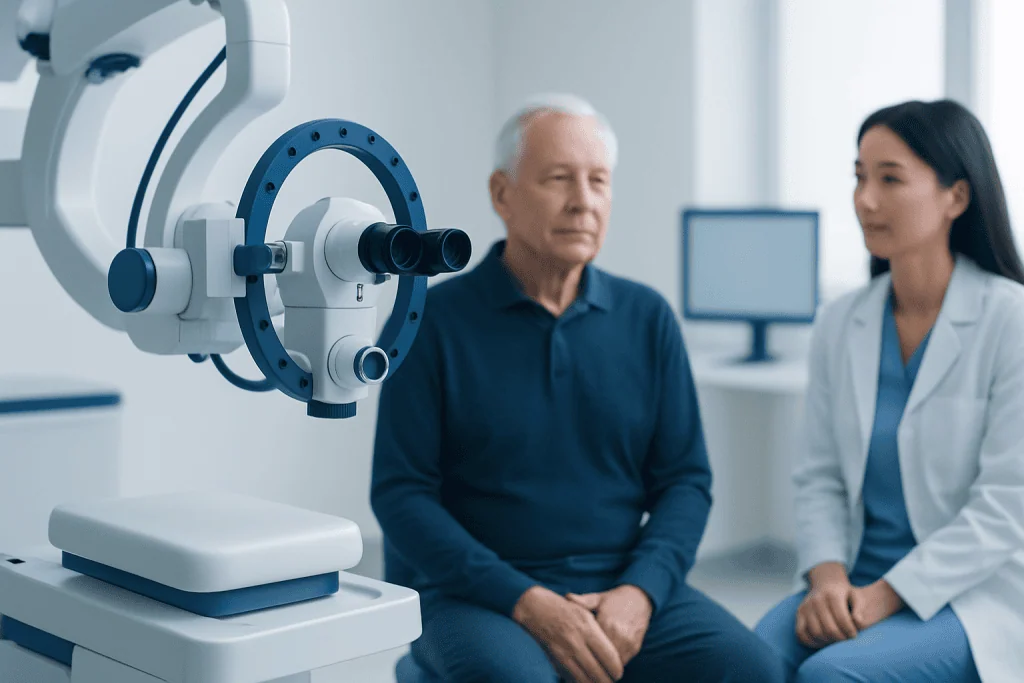
Neuromodulation is usually considered for people with moderate to severe tremor that interferes with quality of life. This often includes difficulty eating with utensils, drinking from a cup, writing, using a phone, applying makeup, shaving, buttoning clothes, or doing hobbies that require fine motor control. It may also be considered when tremor affects social confidence or work performance.
It can help selected people with essential tremor, Parkinson’s disease, and certain other movement disorders. Some individuals have tremor that improves only partially with medication, while others cannot tolerate medicine side effects such as sleepiness, dizziness, or slowed thinking. In these situations, neuromodulation may provide another treatment path.
Not everyone with tremor is a candidate. Doctors look at the type of tremor, how disabling it is, how well medicines have worked, and whether the person has conditions that could raise procedural risk. Memory problems, untreated depression or anxiety, balance concerns, or other neurological issues may also affect the decision and the expected benefit.
Age alone does not automatically rule out treatment. What matters more is the person’s overall health, brain imaging findings, day-to-day function, and whether the care team believes the likely benefits outweigh the possible risks.
How the Evaluation and Diagnosis Work

Before neuromodulation is recommended, the cause of tremor needs to be defined as accurately as possible. Diagnosis starts with a detailed medical history and neurological examination. The doctor asks when the tremor began, whether it happens at rest or during action, what makes it worse, which body parts are affected, and how much it interferes with normal activities.
Medication review is important because some medicines, caffeine, thyroid problems, stress, and other conditions can worsen tremor. Blood tests or imaging may be used to rule out other causes. In many centers, a movement disorders neurologist leads this evaluation because identifying the exact tremor pattern is essential for choosing the right treatment.
When DBS is being considered, the assessment is usually multidisciplinary. It may include brain imaging, neuropsychological testing, and discussions with neurology, neurosurgery, and anesthesia teams. These steps help confirm that symptoms are likely to respond and that the person can safely go through the procedure and follow-up programming visits.
During this process, the team also sets realistic goals. For example, one person may want to eat independently, while another hopes to reduce tremor enough to keep working. Clear goals help guide treatment planning and make it easier to judge whether the intervention has been successful.
Types of Neuromodulation Used for Tremor
The most established neuromodulation treatment for tremor is deep brain stimulation. In DBS, electrodes are placed into precise brain targets linked to movement control. A pulse generator, similar to a pacemaker, is implanted under the skin and connected to the electrodes. Doctors can then adjust stimulation settings over time to balance symptom relief and side effects.
DBS is often used for Parkinson's disease tremor and for essential tremor. One important advantage is that the stimulation can be tailored after surgery. If symptoms change, settings can often be reprogrammed. In some cases, hardware can also be updated or battery systems replaced as needed.
Some centers may also discuss non-implant neuromodulation-related approaches or other advanced procedures depending on the tremor type and local expertise. For example, there are patients who may be evaluated for focused ultrasound rather than an implanted system. Although this is not implanted neuromodulation in the same way as DBS, it is sometimes part of the broader discussion about advanced tremor therapies.
The choice between options depends on several factors, including whether tremor affects one side or both sides, whether symptoms are expected to progress, whether adjustability is important, and whether the person prefers an implanted or non-implanted approach. A specialist team explains the pros and cons of each option in the context of the individual’s diagnosis.
What to Expect Before, During, and After the Procedure
If DBS is chosen, preparation usually includes imaging and surgical planning to map the exact brain target. The care team explains how the procedure is done, what kind of anesthesia may be used, and what the recovery timeline may look like. Patients are also advised about medication adjustments, fasting instructions, and practical planning for the days after surgery.
The procedure itself is performed by an experienced neurosurgical team. Electrodes are placed with high precision, and the stimulation device is implanted under the skin, usually in the chest area. Depending on the center and the patient’s needs, implantation may be done in stages. Safety, comfort, and accurate placement are the main priorities throughout the process.
Improvement is not always immediate. After implantation, the device usually needs programming and fine-tuning over multiple visits. These adjustments are important because the best settings vary from person to person. It may take time to find the settings that provide the most tremor control with the fewest unwanted effects.
Follow-up care is a key part of success. Patients may continue medication, reduce it, or change it depending on the diagnosis and response. Rehabilitation support, such as physical therapy and rehabilitation, may also help improve confidence, coordination, and daily function after treatment.
Benefits, Limits, and Possible Risks
The main benefit of neuromodulation for tremor is improved function. Many people seek treatment not because the tremor is life-threatening, but because it makes daily living frustrating and tiring. Successful treatment can make eating, writing, self-care, social interaction, and hobbies easier. For some, it also reduces dependence on others.
Even so, neuromodulation has limits. It may not remove tremor completely, and it may help some symptoms more than others. For example, hand tremor may improve more than voice or head tremor in some cases. Symptoms related to balance, speech, or non-tremor aspects of a neurological disease may require additional treatment strategies.
As with any procedure, there are risks. These may include infection, bleeding, device-related issues, discomfort at implant sites, temporary or persistent changes in speech or balance, and the need for future adjustments or hardware management. Doctors discuss these risks carefully so patients can make an informed decision.
Good outcomes depend on choosing the right patients, the right target, and careful long-term follow-up. This is why specialized centers use a team approach rather than relying on surgery alone. For international patients, Acibadem International’s multidisciplinary specialists at JCI-accredited hospitals evaluate and treat tremor with individualized planning when advanced care is appropriate.
Living With Tremor: Self-care and When to Seek Medical Advice
Neuromodulation is only one part of tremor care. Everyday strategies may still help before or after advanced treatment. These can include reducing caffeine if it worsens symptoms, getting enough sleep, managing stress, using weighted or adaptive utensils, and organizing tasks at times of day when tremor is less intense. Occupational therapy can also teach practical ways to protect independence.
People should contact a doctor if tremor is new, is getting worse, or starts interfering with eating, drinking, writing, work, or walking. Medical review is also important if tremor appears along with stiffness, slowed movement, weakness, numbness, memory changes, or medication side effects. These details can help identify the cause and whether specialist referral is needed.
After a procedure such as DBS, patients should follow the care plan closely and report concerns such as fever, wound redness, sudden worsening of symptoms, new speech or balance problems, or device concerns. Prompt communication allows the team to check for treatable complications and adjust therapy when needed.
In general, the best time to ask about neuromodulation is when tremor is clearly affecting quality of life despite standard treatment. Early discussion does not mean immediate surgery; it simply allows time to understand options, expectations, and whether advanced therapy is a good fit.
Frequently asked questions
Is neuromodulation for tremor the same as deep brain stimulation?
Deep brain stimulation is the most common and best-established form of neuromodulation for tremor. The term neuromodulation is broader, but in tremor care it often refers to DBS and related advanced therapies that alter abnormal movement circuits.
Who is a good candidate for neuromodulation for tremor?
A good candidate usually has tremor that significantly disrupts daily activities and has not responded well enough to medication or cannot tolerate medication side effects. The final decision depends on the type of tremor, overall health, brain imaging, and evaluation by a movement disorders team.
Can neuromodulation cure tremor?
Neuromodulation does not usually cure the underlying condition causing tremor. Its main purpose is to reduce symptoms and improve function, often in a meaningful way, but some degree of tremor may remain.
How long does it take to see results after deep brain stimulation?
Some people notice improvement soon after the system is activated, but the full benefit often takes time. Several programming sessions may be needed to adjust the settings and find the best balance between symptom relief and side effects.
Are there risks with deep brain stimulation for tremor?
Yes. As with any brain procedure, there are potential risks such as infection, bleeding, device problems, and changes in speech, balance, or sensation. Careful screening and follow-up help reduce these risks and address issues early if they occur.
Will a person still need medication after neuromodulation?
Sometimes yes. Some people can reduce their medication, while others continue taking it because the combination provides the best symptom control. The treatment plan depends on the diagnosis, response to stimulation, and any other movement symptoms present.
References
- National Institute of Neurological Disorders and Stroke
- National Institute for Health and Care Excellence
- International Parkinson and Movement Disorder Society
- American Academy of Neurology
- National Health Service
This article is for general information only and is not a substitute for professional medical advice. Please consult a qualified doctor about your individual situation.
Neuromodulation in Turkey — costs, top hospitals & a free quote
JCI-accredited · board-certified surgeons · reply within 24h
Add us as a Preferred Source to see more of our trusted health content across Google Search, AI Overviews and Discover.