Remote Patient Monitoring: What It Is, How It Works, and Who May Benefit
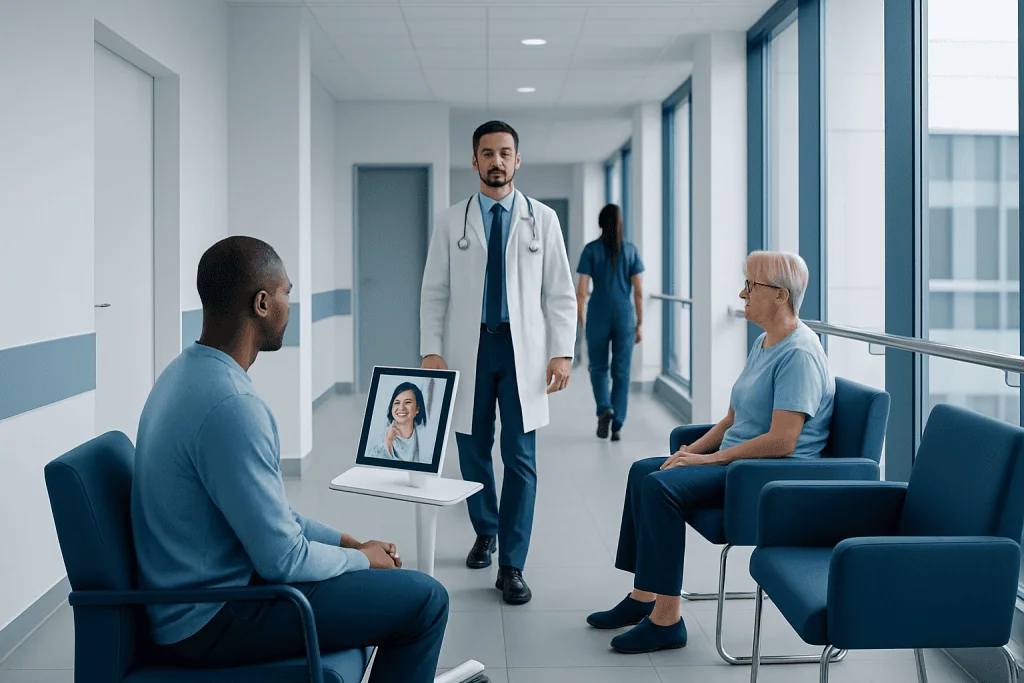
Remote patient monitoring allows certain health data to be measured at home and reviewed by healthcare professionals. Common devices include blood pressure monitors, glucose monitors, pulse oximeters, weight scales, heart rhythm devices, and symptom-reporting apps.
Key Takeaways
- Remote patient monitoring allows certain health data to be measured at home and reviewed by healthcare professionals.
- Common devices include blood pressure monitors, glucose monitors, pulse oximeters, weight scales, heart rhythm devices, and symptom-reporting apps.
- It does not replace emergency care or regular medical visits, but it can complement them.
- People with chronic conditions, recent hospital discharge, pregnancy-related monitoring needs, or mobility barriers may benefit.
- Success depends on choosing the right patients, reliable devices, clear instructions, and ongoing communication with the care team.
Remote patient monitoring uses connected devices to collect health information outside the clinic and share it with a care team. It can support ongoing care, improve convenience, and help clinicians respond sooner when health changes need attention.
Overview
Remote patient monitoring is a form of healthcare delivery that uses digital tools to collect medical or health-related information while a person is at home or going about daily life. The information is then shared with healthcare professionals, who review it and use it to support care decisions. In practical terms, this may mean checking blood pressure, blood sugar, oxygen level, weight, heart rate, or symptoms using connected devices rather than waiting for the next clinic appointment.
This approach is especially useful when health status changes over time, not just during brief in-person visits. For example, blood pressure can vary during the day, and symptoms of chronic disease may gradually worsen between appointments. By looking at regular readings over days or weeks, clinicians may get a clearer picture of a patient’s usual health pattern.
Remote patient monitoring is sometimes confused with telemedicine, but they are not exactly the same. Telemedicine usually refers to virtual consultations by phone or video. Remote patient monitoring focuses on the collection and review of health data from a distance. The two often work together, with monitored data helping guide a telehealth or in-person follow-up.
It is important to understand that remote monitoring is a tool, not a diagnosis on its own. Devices can support safer, more continuous care, but interpretation still depends on qualified medical professionals and the person’s overall medical history.
How Remote Patient Monitoring Works
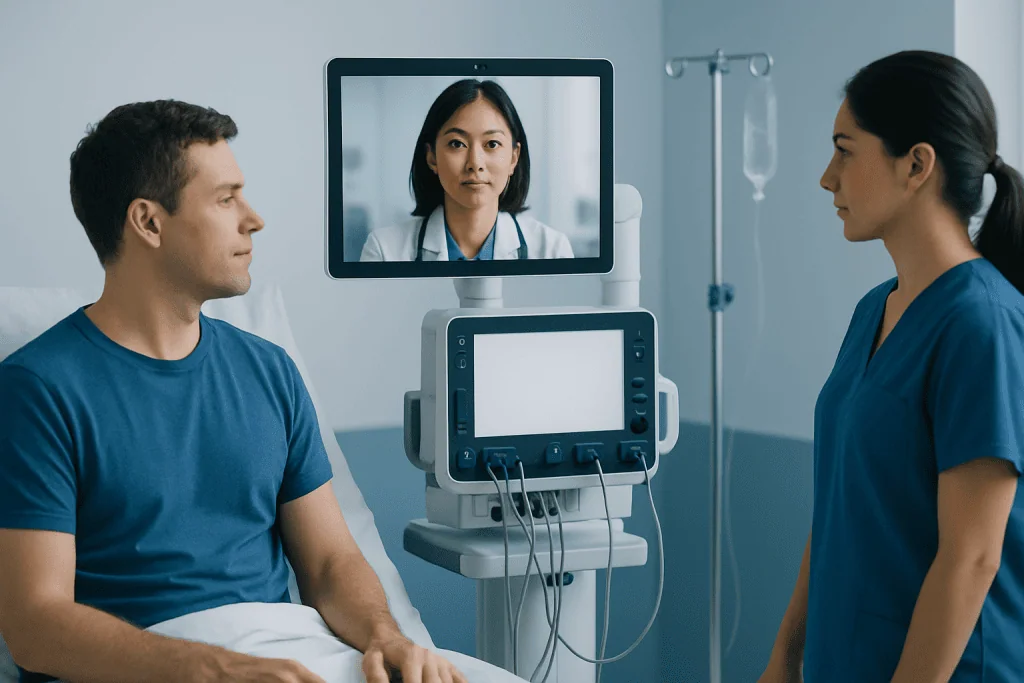
A typical remote patient monitoring program begins with identifying a health need. A doctor or care team decides which measurements are most useful for a particular person and selects suitable devices. The patient then receives instructions on how and when to take readings, how to use the device correctly, and what symptoms or warning signs to report.
Data may be transferred automatically through Bluetooth, Wi-Fi, or a cellular connection, or it may be entered manually into a secure app or patient portal. The care team reviews this information at set intervals or when the system flags readings outside a chosen range. In some programs, nurses or care coordinators contact the patient if trends suggest the need for advice, medication review, or a sooner appointment.
Common tools used in remote monitoring include:
- Blood pressure monitors
- Blood glucose meters or continuous glucose monitors
- Pulse oximeters
- Digital weight scales
- Wearable heart rhythm or heart rate devices
- Temperature monitors
- Mobile apps for symptom tracking, sleep, activity, or medication reminders
For remote monitoring to work well, the technology must fit the patient’s needs and daily routine. A device should be easy to use, readings should be taken consistently, and patients should know what the numbers mean and when they should contact their healthcare team directly.
Who May Benefit
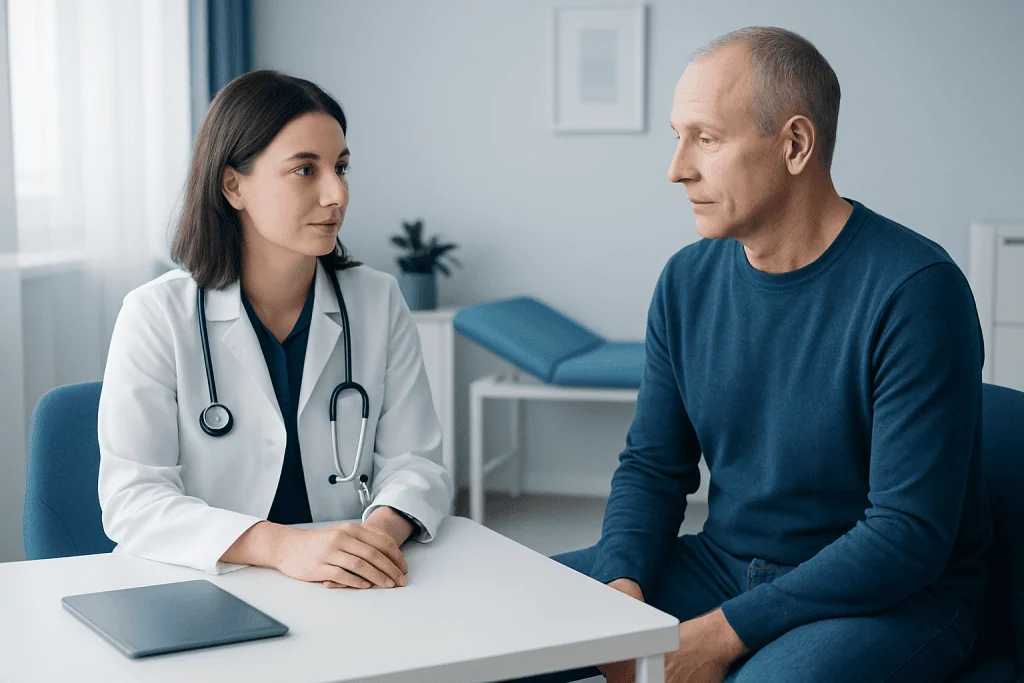
Remote patient monitoring may benefit people who need regular follow-up but do not always need to be seen in person. One common group includes patients with chronic conditions such as high blood pressure, diabetes, heart failure, chronic lung disease, or certain rhythm problems. In these situations, trends in readings can help detect early changes and support more timely adjustments in care.
People recovering after hospitalization or surgery may also benefit, especially if clinicians want to keep track of symptoms, weight, oxygen levels, blood pressure, or wound-related concerns while the patient is at home. This can be helpful during the transition from hospital to home, when questions and fluctuations are common.
Another group includes older adults, people with limited mobility, and those who live far from medical centers. For them, remote monitoring may reduce the burden of frequent travel while still allowing close observation. In pregnancy, selected patients may be asked to monitor blood pressure or blood sugar at home under medical guidance.
Not everyone needs remote monitoring, and it is not ideal in every situation. People who are unable to use the equipment safely, who have unreliable internet or phone access, or who need urgent hands-on assessment may need different types of care. Decisions are best made together with a qualified clinician who understands the person’s condition, goals, and home situation.
Conditions Commonly Monitored
Remote patient monitoring can be used across many medical fields, but it is most often associated with conditions where numbers and symptom trends matter over time. For example, home blood pressure readings can support management of hypertension, while regular weight and symptom checks may help monitor fluid retention in heart failure. People with diabetes may use home glucose testing or continuous glucose monitoring as part of their ongoing care plan.
Respiratory conditions are another important area. A pulse oximeter may help track oxygen saturation in selected patients with chronic lung disease, and symptom logging may help clinicians understand patterns of cough, breathlessness, sleep disruption, or response to treatment. In cardiology, wearable devices may sometimes support assessment of palpitations or rhythm concerns, though not all consumer devices are equally accurate.
Examples of related conditions include high blood pressure, diabetes, and heart failure. Remote monitoring does not replace a full evaluation for these conditions, but it can add useful day-to-day information between visits.
In some settings, clinicians may combine remote monitoring with other services such as check-up and screening programs, cardiology care, or endocrinology and metabolic disease care. The best setup depends on the condition being followed, the reliability of the device, and the patient’s ability to use it correctly.
Benefits and Limitations
The main benefit of remote patient monitoring is that it can provide a more continuous view of health. Instead of relying only on occasional clinic readings, healthcare teams can review patterns over time. This may help identify worsening symptoms earlier, evaluate whether treatment is working, and support care that is more responsive to everyday life.
Convenience is another important advantage. Many patients appreciate being able to take measurements at home, where they may feel more relaxed and where travel time is not required. This can be particularly valuable for people with mobility challenges, demanding schedules, or long distances to specialist care.
At the same time, remote monitoring has clear limitations. Devices can give inaccurate readings if they are used incorrectly, not calibrated properly, or not appropriate for the patient. Data may also be incomplete if measurements are missed or transmitted inconsistently. Some people may find daily monitoring stressful, especially if they focus heavily on individual numbers without understanding the bigger picture.
Privacy and data security are also important considerations. Health data should be handled through secure systems, and patients should know who will review their information, how often it will be reviewed, and what to do if they feel unwell. Remote patient monitoring should support care, but it should never create a false sense that someone is being watched in real time at every moment unless that has been explicitly arranged.
What Patients Can Expect
Before starting remote monitoring, patients are usually given a plan that explains which measurements to take, how often to take them, and how the information will be used. It is helpful to ask practical questions at the start, such as whether readings should be taken at the same time each day, whether medications or meals affect timing, and when a value should prompt a call to the care team.
Good technique matters. For example, blood pressure should generally be measured with the correct cuff size and proper positioning, while glucose devices need accurate handling and regular maintenance. A healthcare professional may ask the patient to demonstrate how the device is used to make sure readings are dependable.
Patients should also understand communication expectations. Some programs review data daily, while others review it at scheduled intervals. A high or low reading does not always mean an emergency, and a normal reading does not rule out illness if symptoms are concerning. This is why symptom reporting remains just as important as numerical data.
When remote monitoring is part of a broader care pathway, follow-up may involve telehealth visits, medication review, lab testing, or referral to specialists. Near the end of the care journey, some international patients may also wish to know that Acibadem International’s multidisciplinary specialists and JCI-accredited hospitals diagnose and manage conditions that commonly use remote monitoring as part of ongoing care.
Safety, Self-care, and When to Seek Medical Help
Remote patient monitoring works best when patients use devices exactly as instructed and keep a simple record of symptoms, medications, and any factors that may affect readings. It can help to measure under similar conditions each time and to avoid making changes to medication without medical advice. If a reading seems unusual, repeating it correctly after a short rest may be appropriate, depending on the device and the care plan.
Patients should not rely on remote monitoring as a substitute for urgent evaluation. Severe shortness of breath, chest pain, fainting, confusion, signs of stroke, severe allergic reactions, heavy bleeding, or any rapidly worsening symptom need immediate medical attention, even if a device has not yet shown a major change.
It is also wise to contact a doctor if readings are repeatedly outside the target range set by the care team, if symptoms are increasing, or if the device appears not to be functioning properly. Delays can happen if data are not transmitted, batteries fail, or measurements are taken incorrectly. Clear backup instructions are an important part of safe use.
For people considering remote monitoring, the most helpful next step is usually a conversation with a qualified healthcare professional. Together, they can decide whether monitoring is appropriate, which data matter most, and how often in-person review remains necessary.
Frequently asked questions
Is remote patient monitoring the same as telemedicine?
No. Telemedicine usually means a consultation by phone or video, while remote patient monitoring focuses on collecting health information from home and sharing it with the care team. Many healthcare programs use both together.
What devices are commonly used in remote patient monitoring?
Common devices include blood pressure monitors, glucose meters, continuous glucose monitors, pulse oximeters, digital scales, and some wearable heart rhythm devices. Apps may also be used for symptom tracking, reminders, and secure communication.
Who is a good candidate for remote patient monitoring?
People with chronic conditions that benefit from regular measurements are often good candidates. It may also help after hospital discharge, during selected pregnancies, or when travel to appointments is difficult. A doctor can decide whether it fits a person's specific medical needs.
Can remote patient monitoring replace doctor visits?
Usually not. It is designed to complement routine care by providing more information between visits. Most patients still need regular checkups, and urgent symptoms still require prompt medical attention.
Are home readings always accurate?
Not always. Accuracy depends on the quality of the device, whether it is appropriate for the patient, and whether it is used correctly. This is why training, periodic review, and comparison with clinic measurements can be important.
Is remote patient monitoring safe for older adults?
It can be very helpful for older adults, especially when travel is difficult or close follow-up is needed. The key is choosing simple, reliable equipment and making sure the person or a caregiver understands how to use it. Support from the care team is important.
What should a patient do if a reading is abnormal?
They should follow the plan given by their healthcare team, which may include repeating the reading correctly and contacting the clinic if it remains outside the target range. If serious symptoms are present, they should seek urgent medical care rather than waiting for remote review.
References
- World Health Organization
- U.S. Food and Drug Administration
- Centers for Disease Control and Prevention
- National Institutes of Health
- American Heart Association
This article is for general information only and is not a substitute for professional medical advice. Please consult a qualified doctor about your individual situation.
Heart care in Turkey — expert evaluation and treatment
JCI-accredited · board-certified surgeons · reply within 24h
Add us as a Preferred Source to see more of our trusted health content across Google Search, AI Overviews and Discover.
Check your numbers in seconds
BMI, calories, due date, blood pressure and 30+ more clinical calculators — free, instant, doctor-reviewed ranges.

More from the Health Library



Related Specialists

Dr. Pınar Özbay
Nuclear Medicine
Dr. Necdet Durhan
Emergency Service
Prof. Dr. Selami Çakmak
Orthopedic Surgery & Traumatology
Assoc. Prof. Dr. Onur Taşar
Cardiology