Smart Hospital Technology: How Connected Systems May Improve Patient Care

Smart hospital technology connects medical devices, records, and care teams to improve coordination. Common tools include electronic health records, remote monitoring, smart beds, imaging systems, and clinical decision support.
Key Takeaways
- Smart hospital technology connects medical devices, records, and care teams to improve coordination.
- Common tools include electronic health records, remote monitoring, smart beds, imaging systems, and clinical decision support.
- Potential benefits include faster communication, fewer delays, improved safety checks, and a better patient experience.
- Technology supports healthcare professionals but does not replace clinical judgment or personal care.
- Privacy, cybersecurity, staff training, and system integration are important for safe implementation.
Smart hospital technology refers to connected digital tools that help hospitals deliver more coordinated, efficient, and patient-centered care. These systems may support communication, monitoring, diagnosis, treatment planning, and daily hospital operations.
Overview
Smart hospital technology describes a network of digital and connected systems used inside hospitals to support patient care. These systems may include electronic health records, bedside monitoring, imaging platforms, medication management tools, wearable devices, smart beds, and communication software that allows teams to share information more quickly. The main goal is to help clinicians make informed decisions and deliver care in a timely, organized way.
In a smart hospital, information from different parts of a patient’s journey can be brought together more easily. For example, a doctor may review lab results, imaging findings, nursing notes, and vital signs in one connected environment rather than relying on paper files or separate systems. This may reduce duplication, improve continuity of care, and help the care team respond sooner when a patient’s condition changes.
Smart hospitals also use automation and data tools to support daily operations. This can include appointment coordination, patient flow management, inventory tracking, and alerts for equipment maintenance. While these features may seem administrative, they can still affect patient care by helping hospitals run more smoothly and reducing unnecessary delays.
How connected systems may improve patient care
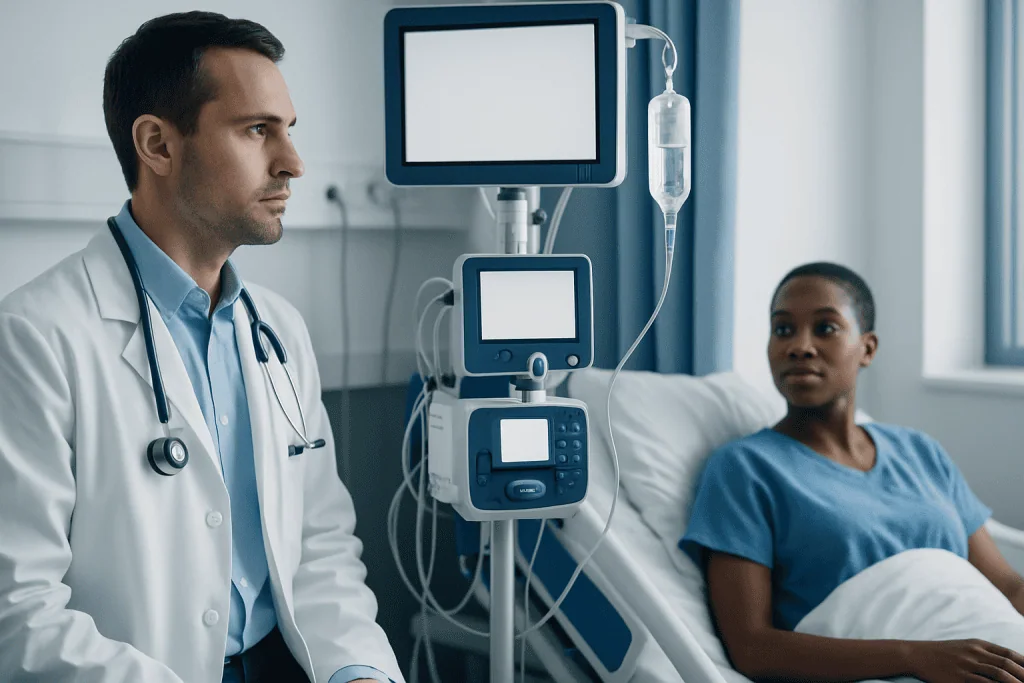
Connected systems may improve patient care by helping the right information reach the right person at the right time. When nurses, doctors, pharmacists, radiologists, and other professionals can access updated information quickly, care decisions may be better coordinated. This is especially valuable for patients with complex conditions, multiple medications, or a need for care from several departments.
Real-time monitoring is another important benefit. Devices that continuously track heart rate, blood pressure, oxygen levels, temperature, or movement can alert staff if a patient needs attention. Earlier awareness may support earlier treatment, which can be especially helpful in high-dependency units, post-operative recovery, or chronic disease management.
Connected systems may also improve safety. Digital medication checks, allergy alerts, and standardized order systems can help reduce preventable errors. Imaging and laboratory results can be reviewed faster, and clinical decision support tools may remind clinicians about evidence-based steps in diagnosis or treatment. Technology does not replace professional judgment, but it can add an extra layer of support.
From the patient perspective, these systems may make the hospital experience feel more organized. Patients may spend less time repeating their medical history, waiting for paper records to be transferred, or moving between services without clear coordination. In some hospitals, patient portals and bedside digital tools also help people understand their treatment plan and stay informed during admission.
Examples of smart hospital technology

One of the most widely used tools in smart hospitals is the electronic health record. This digital record stores important information such as diagnoses, medications, allergies, test results, procedure notes, and discharge plans. When used well, it helps different departments view a more complete picture of the patient and communicate more consistently.
Monitoring technologies are also central to connected care. Bedside monitors, telemetry systems, smart infusion pumps, and wearable devices can send data automatically to clinical teams. Smart beds may track position, movement, and fall risk, while nurse call systems can be integrated with staff communication platforms so that urgent needs are identified more efficiently.
Advanced diagnostics are another part of hospital innovation. Imaging systems, laboratory automation, and digital pathology platforms may speed up testing and improve workflow. In some cases, hospitals combine these tools with MRI scanning, CT scanning, or comprehensive check-up services to support timely assessment and more coordinated treatment planning.
Some hospitals also use artificial intelligence-based support tools, though these vary by setting and purpose. They may assist with image review, patient flow prediction, risk scoring, or flagging abnormal values. These tools are designed to support, not replace, clinicians, and they are most helpful when integrated carefully into standard medical practice.
Benefits for safety, efficiency, and patient experience
Patient safety is one of the strongest reasons hospitals invest in connected technology. Electronic prescribing systems can flag potential drug interactions or allergies, while barcoded medication systems may help confirm that the correct medicine reaches the correct patient. Automated reminders and digital checklists can also support infection prevention, discharge planning, and follow-up care.
Efficiency matters because delays in hospitals can affect comfort, diagnosis, and treatment. When orders, results, and updates move electronically, there may be less waiting between steps. This can help patients move more smoothly from the emergency department to imaging, from surgery to recovery, or from inpatient care to discharge.
The patient experience may improve when care feels more coordinated and transparent. Some hospitals offer bedside screens, secure messaging, or patient portals that allow people to review appointments, test results, medications, and education materials. These tools may encourage patients and families to ask informed questions and take a more active role in care.
Connected systems may also support more personalized care. By combining information from monitoring, test results, and medical history, the care team can better tailor treatment plans to individual needs. This may be especially helpful for people managing ongoing conditions such as diabetes or heart disease, where trends over time can shape decisions.
Challenges and limitations
Although smart hospital technology offers many advantages, it also has limitations. Technology works best when systems are reliable, easy to use, and well integrated. If software platforms do not communicate with one another, important information may still become fragmented. Poorly designed systems can also create extra administrative work for staff instead of reducing it.
Privacy and cybersecurity are major concerns in any connected healthcare environment. Hospitals manage sensitive personal and medical information, so they need strong safeguards to protect patient data. Secure networks, controlled access, regular updates, and staff education all play a role in reducing risk. Patients may wish to ask how their information is stored and shared.
Training is another essential factor. Even excellent technology may not improve care if staff members are not comfortable using it. Hospitals need ongoing education, clear workflows, and support during implementation. This helps teams use digital tools effectively without losing the human side of care, such as listening, explaining, and building trust.
It is also important to remember that technology cannot replace direct medical assessment. Alerts and algorithms can support clinicians, but they are not perfect and may produce false alarms or miss context that a trained professional would notice. The best results usually come from combining advanced systems with experienced, compassionate healthcare teams.
What patients may notice during a hospital stay
Patients in a smart hospital may notice that registration, test scheduling, and communication feel more streamlined. Staff may use handheld devices, bedside computers, or secure mobile systems to review notes and update care plans. Test results may appear in the system more quickly, and different specialists may seem better connected during consultations.
Monitoring devices may collect health information continuously rather than only during scheduled checks. Depending on the unit, patients may see wireless sensors, digital medication verification, or smart beds designed to improve comfort and safety. In some settings, discharge instructions and follow-up plans may also be shared through digital platforms that patients can review after leaving the hospital.
Some people worry that more technology means less personal contact. In practice, the goal is usually the opposite: to reduce unnecessary delays and paperwork so healthcare professionals can focus more on direct care. Patients should still expect clear explanations, opportunities to ask questions, and active involvement in treatment decisions.
For international patients, connected systems may also support coordination across language services, travel planning, diagnostics, and specialist consultations. Near the end of the care journey, some centers such as Acibadem International use multidisciplinary teams and JCI-accredited hospitals to diagnose and treat patients with the support of advanced digital hospital systems.
How hospitals implement smart technology responsibly
Responsible implementation starts with patient needs rather than technology alone. Hospitals usually assess where delays, communication gaps, or safety risks exist, then choose systems that can address those issues. This may include improving imaging workflows, strengthening medication safety, expanding remote monitoring, or connecting departments through a shared digital record.
Successful implementation also depends on testing and gradual integration. New systems often need careful review to make sure they work well with existing equipment and processes. Hospitals may begin in one department, measure results, gather staff feedback, and make adjustments before wider use. This step-by-step approach can improve safety and usability.
Clear standards and governance are important as well. Hospitals should have policies for data protection, informed consent where appropriate, equipment maintenance, and quality monitoring. They may also track indicators such as response time, medication accuracy, workflow efficiency, and patient satisfaction to understand whether the technology is truly helping.
In the future, smart hospital technology is likely to become even more connected with diagnostics, home monitoring, and personalized medicine. This may create smoother transitions between hospital care and follow-up, especially for patients who need ongoing evaluation after procedures such as PET-CT imaging or specialist assessment for complex conditions.
When patients should ask questions
Patients do not need to understand every technical detail of a hospital’s digital systems, but asking a few simple questions can be helpful. For example, they may ask how their records are shared between departments, how results will be communicated, or what devices are being used to monitor them. This can improve understanding and reduce uncertainty during treatment.
It is also reasonable to ask about privacy, especially when mobile apps, patient portals, or remote monitoring are involved. Patients may want to know who can access their information, whether family members can view updates, and how to use hospital digital tools safely. Good hospitals should be able to explain these processes clearly.
If a patient notices conflicting information, repeated tests, or confusion about medications, they should speak up. Technology is designed to support care, but occasional errors or communication gaps can still happen. Patients and families remain important partners in safe healthcare and should feel comfortable discussing concerns with the care team.
Anyone considering treatment should seek a qualified hospital and experienced clinicians who use technology thoughtfully, with patient safety and clear communication at the center of care. The most effective smart hospitals are not simply high-tech; they are organized around the needs, dignity, and wellbeing of each patient.
Frequently asked questions
What is smart hospital technology?
Smart hospital technology is the use of connected digital systems to support patient care and hospital operations. It may include electronic health records, monitoring devices, imaging platforms, medication safety tools, and communication systems that help healthcare teams work together more effectively.
Does smart hospital technology replace doctors and nurses?
No. These tools are designed to support healthcare professionals, not replace them. Clinical judgment, physical examination, communication, and compassionate care remain essential parts of treatment.
How can connected systems make hospital care safer?
Connected systems can improve safety by helping staff see updated information quickly and by adding digital checks for medications, allergies, and test results. They may also allow earlier recognition of changes in a patient’s condition through real-time monitoring and alerts.
Are patient records in smart hospitals secure?
Hospitals are expected to use safeguards such as secure networks, controlled access, and data protection policies. No system is entirely risk-free, but responsible hospitals work continuously to protect patient privacy and strengthen cybersecurity.
What might a patient notice in a smart hospital?
A patient may notice faster sharing of test results, digital registration, bedside screens, connected monitoring devices, or staff using mobile tools to review records. In many cases, the main difference is that care feels more coordinated and information is easier to access.
Can smart hospital technology help people with chronic illnesses?
Yes, it may be especially useful for chronic conditions that require repeated monitoring, multiple specialists, or long-term follow-up. Connected records and monitoring tools can help teams track changes over time and adjust care plans more efficiently.
References
- World Health Organization
- U.S. Food and Drug Administration
- Agency for Healthcare Research and Quality
- National Institute for Health and Care Excellence
- Joint Commission International
This article is for general information only and is not a substitute for professional medical advice. Please consult a qualified doctor about your individual situation.
Explore treatments in Turkey — costs, top hospitals & a free quote
JCI-accredited · board-certified surgeons · reply within 24h
Add us as a Preferred Source to see more of our trusted health content across Google Search, AI Overviews and Discover.
Check your numbers in seconds
BMI, calories, due date, blood pressure and 30+ more clinical calculators — free, instant, doctor-reviewed ranges.

More from the Health Library


Related Specialists

Assoc. Prof. Dr. Tunay Erden
Orthopedic Surgery & Traumatology
Dr. Murat Yıldar
Kidney Transplant Center
Dr. Ülkü Tuba Parlakkılıç
Breast Clinic Clinical Service
Prof. Dr. Tülin Tuğlular
Hematology