Neuropsychological Evaluation: What It Is and What to Expect Step by Step

A neuropsychological evaluation measures thinking, memory, attention, language, and emotional functioning using interviews, questionnaires, and standardized tests. It is not a single brain scan or blood test; it is a detailed clinical process led by a trained neuropsychologist.
Key Takeaways
- A neuropsychological evaluation measures thinking, memory, attention, language, and emotional functioning using interviews, questionnaires, and standardized tests.
- It is not a single brain scan or blood test; it is a detailed clinical process led by a trained neuropsychologist.
- The results can help clarify diagnoses, track changes over time, and support treatment, rehabilitation, school, or workplace planning.
- Testing is tailored to the person’s age, symptoms, education, language background, and medical history.
- Most evaluations are noninvasive, but they require focus and can take several hours or more than one visit.
A neuropsychological evaluation is a structured assessment of how the brain is functioning in daily life. It helps identify strengths and difficulties in areas such as memory, attention, language, problem-solving, and mood, and it can guide diagnosis, treatment, and support planning.
Overview: What a Neuropsychological Evaluation Is
A neuropsychological evaluation is a detailed assessment of cognitive and emotional functioning. In simple terms, it looks at how well a person’s brain is managing everyday skills such as attention, learning, memory, language, planning, reasoning, visual-spatial skills, and mood. The evaluation is performed by a neuropsychologist, a specialist trained to understand how brain function relates to behavior and thinking.
Unlike a routine office conversation alone, this evaluation uses standardized tests and carefully chosen tasks. These tasks are designed to compare a person’s performance with expected patterns for people of a similar age and background. The goal is not to judge intelligence or effort in a general way, but to build a clear picture of strengths and areas of difficulty.
A neuropsychological evaluation may be recommended for many reasons. It can help when someone has memory complaints, trouble concentrating, changes in personality or behavior, learning difficulties, developmental concerns, or symptoms after a neurological illness or injury. It may also be useful in conditions such as stroke, epilepsy, dementia, traumatic brain injury, Parkinson’s disease, multiple sclerosis, ADHD, or mood disorders when cognition is affected.
The final report can help answer practical questions: whether symptoms are consistent with a neurological condition, whether changes may be related to stress or depression, how severe the difficulties are, and what support or treatment may help. In many cases, it becomes an important part of a broader care plan alongside neurological examination, imaging, laboratory tests, and rehabilitation.
Why It May Be Recommended
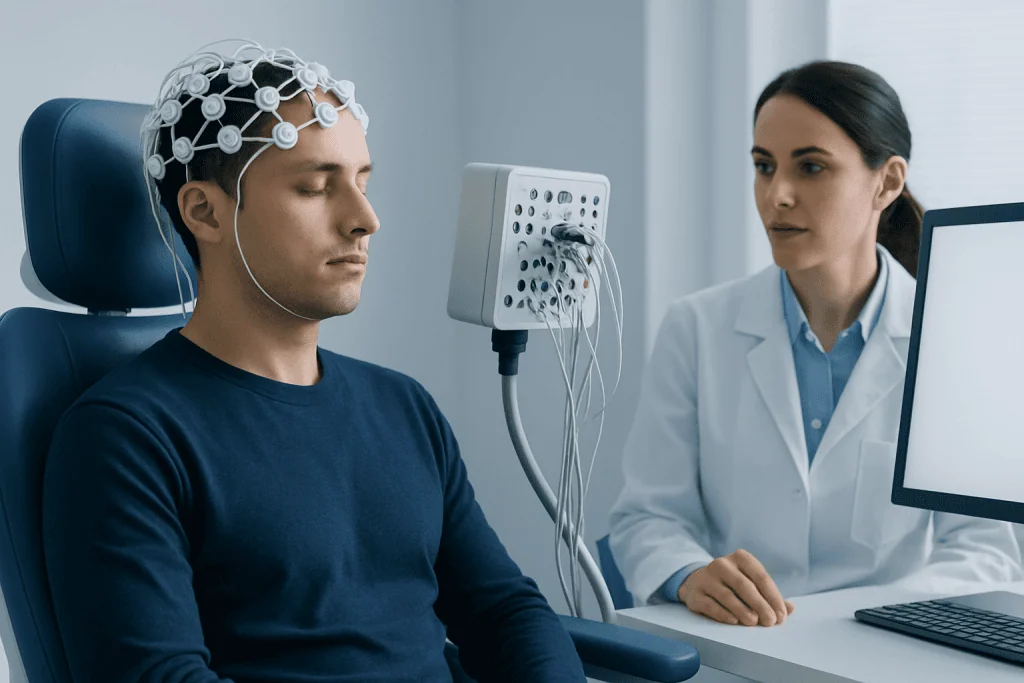
Doctors may suggest a neuropsychological evaluation when there are concerns about thinking, behavior, or day-to-day functioning that are not fully explained by a routine appointment. A person might notice increased forgetfulness, difficulty following conversations, slower problem-solving, reduced concentration, or changes in work, school, or home performance. Family members sometimes notice these changes first.
The evaluation can help distinguish between different possible causes of symptoms. For example, memory problems may relate to normal aging, anxiety, sleep problems, medication effects, depression, a neurodevelopmental difference, or a neurological disorder. Testing does not replace other medical investigations, but it can add important detail about the pattern of strengths and weaknesses, which often helps guide diagnosis.
It may also be used before and after medical treatment to establish a baseline and monitor change over time. This is common in epilepsy surgery planning, brain tumor care, concussion follow-up, and rehabilitation after stroke or brain injury. In children and adolescents, testing may clarify learning profiles, attention difficulties, or developmental concerns.
In some situations, the evaluation supports planning for daily life. Results may help with school accommodations, return-to-work decisions, driving discussions, therapy planning, or family education. When symptoms appear related to neurological disease, a clinician may also consider further assessment through neurology evaluation or related specialty care.
Symptoms and Concerns That Testing Can Explore

Neuropsychological testing does not diagnose every symptom on its own, but it is especially helpful when there are changes in mental abilities or behavior. Common concerns include memory loss, poor concentration, distractibility, difficulty finding words, confusion, slower thinking, trouble organizing tasks, or problems with decision-making. Some people also report getting lost more easily, missing appointments, or struggling with familiar routines.
Emotional and behavioral changes can be part of the picture as well. Increased irritability, low motivation, anxiety, depression, impulsivity, social withdrawal, or personality changes may affect daily function and may interact with cognitive symptoms. The evaluation looks at these areas together because mood, sleep, pain, and stress can influence test performance.
In children, concerns may include trouble learning to read, writing difficulties, attention problems, poor academic progress, or developmental delays. In adults and older adults, testing is often requested when there are questions about mild cognitive impairment, Alzheimer’s disease, other dementias, head injury, or the cognitive effects of medical treatment.
The pattern matters as much as the symptom itself. For example, a person may have strong language skills but reduced processing speed, or excellent recognition memory with weaker attention. These patterns help the neuropsychologist understand whether the difficulties fit a known condition, suggest functional effects of stress or fatigue, or call for additional medical evaluation.
Step by Step: What to Expect During the Evaluation
The process usually begins with a clinical interview. The neuropsychologist asks about current symptoms, medical history, medications, education, work, mood, sleep, development, and daily functioning. If appropriate, a family member or caregiver may provide extra information, especially when memory or insight is affected. Previous school records, imaging reports, or earlier assessments may also be reviewed.
Next comes the testing session. The person completes a series of paper-and-pencil, verbal, visual, or computer-based tasks. These may include remembering words or stories, solving puzzles, naming objects, drawing shapes, responding quickly to symbols, or switching between tasks that require attention and mental flexibility. Some questionnaires about mood, anxiety, fatigue, or daily function may be included.
Testing is individualized, so not everyone receives the same set of tasks. The selection depends on age, concerns, language, education level, cultural background, and the referral question. Some evaluations take two to four hours, while more complex cases may require a longer session or a second appointment. Breaks are usually provided, and it is normal to find some tasks easy and others challenging.
After testing, the neuropsychologist scores and interprets the results in the context of the person’s history and medical information. A feedback visit may then be arranged to explain the findings in clear language. If needed, the wider workup can include MRI scanning or EEG testing when a doctor is evaluating possible structural or electrical brain conditions alongside cognitive symptoms.
How Results Are Interpreted and Used
The results are not based on one score alone. Neuropsychologists look for overall patterns across multiple areas, including attention, memory, language, executive function, processing speed, and visual-spatial abilities. They also consider whether mood symptoms, sleep disruption, pain, hearing or vision problems, medication effects, or limited language familiarity could have influenced performance.
Test scores are compared with normative data from people of a similar age and, when relevant, similar educational background. This comparison helps determine whether a result falls within the expected range or whether it suggests a meaningful weakness. Equally important, the report highlights preserved abilities, which can be used to build effective coping strategies and rehabilitation plans.
Findings may support a diagnosis, but they are usually interpreted together with the full medical picture. For example, a pattern of deficits might be more consistent with attention problems than memory storage failure, or with depression-related slowing rather than progressive dementia. In other cases, the profile may suggest the need for additional neurological assessment, follow-up testing, or treatment of related medical issues.
The report often includes practical recommendations. These may cover memory strategies, school or workplace accommodations, safety considerations, psychotherapy, speech and language therapy, occupational therapy, or cognitive rehabilitation. When recovery or adaptation is the focus, doctors may discuss rehabilitation services as part of a broader care plan.
How to Prepare and What Happens Afterward
Preparation is usually simple but important. Before the appointment, the person should bring a list of medications, past medical records if requested, eyeglasses or hearing aids, and any relevant school or work documents. It helps to get adequate sleep, eat as usual unless instructed otherwise, and avoid alcohol or recreational drugs before testing. If there are concerns about language, vision, hearing, or fatigue, it is helpful to mention them in advance.
On the day of testing, comfortable clothing and a calm schedule can make the experience easier. Because the tasks require concentration, some people prefer to postpone demanding plans until later. Children may benefit from a clear explanation that the session is not a pass-or-fail exam but a way to understand how they learn and think best.
Afterward, the neuropsychologist prepares a written report and often schedules a feedback appointment. During this visit, results are explained in understandable terms, and recommendations are tailored to the person’s goals and daily life. Patients and families are encouraged to ask questions and request clarification if any part of the report is unfamiliar.
If the evaluation raises concern about a neurological condition, the next step may involve further referral or treatment. For international patients who need coordinated assessment, Acibadem International’s multidisciplinary specialists and JCI-accredited hospitals provide diagnosis and treatment planning in neuropsychology and related neurological fields.
When to See a Doctor
It is sensible to seek medical advice when changes in memory, attention, language, behavior, or problem-solving begin to affect everyday life. Examples include repeated missed appointments, confusion with finances or medication, decline in school or work performance, frequent word-finding problems, or personality changes noticed by family members. Early evaluation can help identify treatable factors and support timely planning.
A prompt medical review is especially important if symptoms start suddenly, worsen quickly, or follow a head injury, seizure, stroke-like event, or significant infection. Emergency care should be sought right away for sudden weakness, facial drooping, severe confusion, loss of consciousness, new seizures, or sudden trouble speaking, as these require urgent assessment rather than routine outpatient testing.
Even when symptoms seem mild, persistent concerns deserve attention. Mood disorders, sleep disorders, medication side effects, and medical illnesses can all affect thinking and may improve with proper treatment. A doctor can decide whether neuropsychological evaluation, neurological testing, mental health support, or other investigations are most appropriate.
Follow-up can also be valuable over time. Repeat testing may be recommended to track recovery after injury, monitor stability, or assess progression if a neurodegenerative condition is suspected. A qualified clinician can explain whether re-evaluation is likely to be helpful and when it should be scheduled.
Frequently asked questions
Is a neuropsychological evaluation the same as an IQ test?
No. It may include tasks related to general intellectual abilities, but it is much broader than an IQ test. It examines multiple areas such as memory, attention, language, executive function, visual-spatial skills, and emotional functioning to answer a specific clinical question.
Does neuropsychological testing diagnose dementia or Alzheimer’s disease?
It can provide important evidence about whether a person’s cognitive pattern is consistent with dementia, mild cognitive impairment, or another cause of symptoms. However, diagnosis usually depends on the full clinical picture, including medical history, examination, and sometimes imaging or laboratory tests.
How long does a neuropsychological evaluation take?
The length varies depending on the reason for referral and the person’s needs. Some evaluations take a few hours, while more detailed assessments may take most of a day or be split across two visits. Breaks are commonly included.
How should someone prepare for the appointment?
It helps to sleep well, eat normally unless instructed otherwise, and bring glasses, hearing aids, medication lists, and any records requested by the clinic. Being honest about fatigue, pain, anxiety, or language needs is also important, because these factors can affect performance.
Can anxiety or depression affect test results?
Yes. Mood, stress, sleep problems, and fatigue can influence concentration, speed, and memory during testing. That is one reason the evaluation includes clinical history and often questionnaires, so the neuropsychologist can interpret scores in the right context.
Will the tests be painful or involve needles or surgery?
No. Neuropsychological testing itself is noninvasive and usually consists of questions, paper-and-pencil activities, visual tasks, and sometimes computer-based exercises. If other medical tests are needed, the doctor will explain them separately.
References
- National Institute of Neurological Disorders and Stroke
- American Psychological Association
- National Institute on Aging
- Centers for Disease Control and Prevention
- American Academy of Neurology
This article is for general information only and is not a substitute for professional medical advice. Please consult a qualified doctor about your individual situation.
Explore treatments in Turkey — costs, top hospitals & a free quote
JCI-accredited · board-certified surgeons · reply within 24h
Add us as a Preferred Source to see more of our trusted health content across Google Search, AI Overviews and Discover.