Brain Aneurysm Coiling: Who Is a Good Candidate?

Brain aneurysm coiling treats some aneurysms through a catheter rather than open surgery. Good candidates are assessed based on aneurysm size, shape, neck width, location, and whether it has ruptured.
Key Takeaways
- Brain aneurysm coiling treats some aneurysms through a catheter rather than open surgery.
- Good candidates are assessed based on aneurysm size, shape, neck width, location, and whether it has ruptured.
- Age, other medical conditions, blood vessel anatomy, and ability to take certain medicines can affect suitability.
- Not every aneurysm needs treatment right away; some are monitored carefully over time.
- Treatment decisions are best made by an experienced multidisciplinary team including interventional neuroradiology, neurology, and neurosurgery.
Brain aneurysm coiling is a minimally invasive procedure used to treat certain brain aneurysms from inside the blood vessel. Whether a person is a good candidate depends on the aneurysm’s features, rupture status, symptoms, and the patient’s overall health and treatment goals.
Overview: What Brain Aneurysm Coiling Is
Brain aneurysm coiling is an endovascular procedure used to treat selected brain aneurysms. A brain aneurysm is a weak, bulging area in the wall of a brain artery. During coiling, a specialist guides a thin catheter through the blood vessels, usually from the wrist or groin, to the aneurysm and places tiny coils inside it. These coils help reduce blood flow into the aneurysm and encourage clotting within the sac, lowering the risk of rupture or rebleeding.
Because it is performed from inside the blood vessel, coiling is considered minimally invasive compared with open surgical clipping. For many patients, this can mean a shorter hospital stay and recovery period. However, coiling is not automatically the best option for every aneurysm. Some aneurysms are better treated with surgery, while others may be monitored with regular imaging rather than treated immediately.
The main question is not only whether coiling is possible, but whether it is the safest and most effective choice for that individual aneurysm. Specialists consider the shape and location of the aneurysm, whether it has already ruptured, and the patient’s overall health. In practice, candidacy is determined after careful review of brain scans and a discussion of risks, benefits, and alternatives.
Who Is Often a Good Candidate for Coiling?
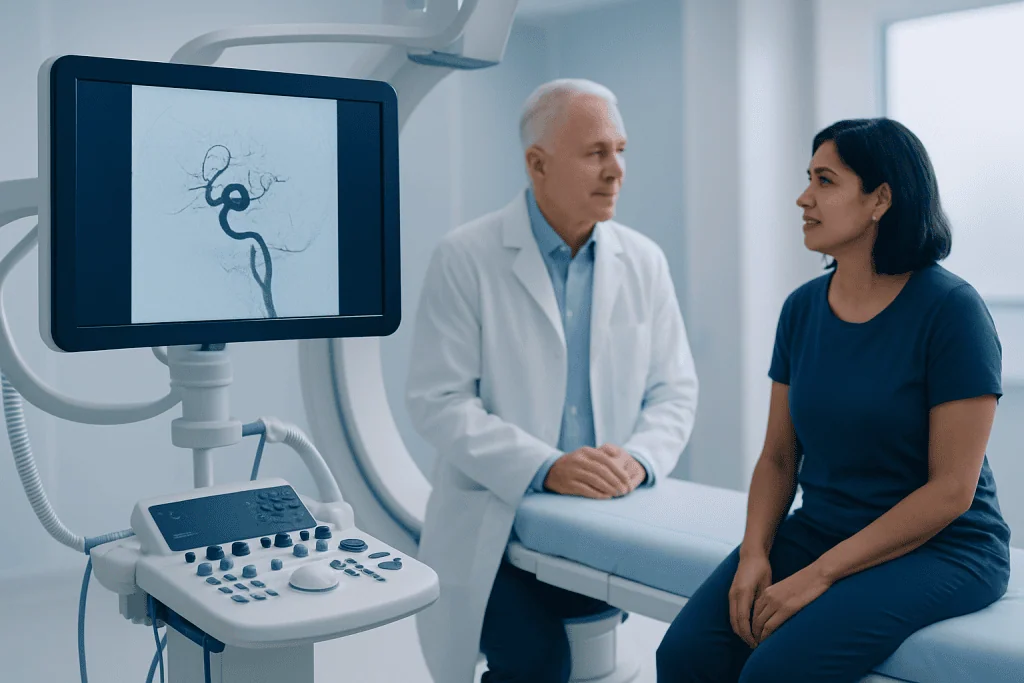
People may be good candidates for brain aneurysm coiling when the aneurysm can be reached safely through the blood vessels and when sealing it from within is likely to provide durable protection. Coiling is often considered for aneurysms in locations that are difficult to access with open surgery, and for patients who may benefit from a less invasive approach because of age or other medical conditions.
Doctors commonly assess aneurysm-related features such as:
- Size: Small, medium, and large aneurysms may all be considered, but treatment decisions vary based on rupture risk and technical factors.
- Shape: Narrow-necked aneurysms are often more straightforward for standard coiling, while wide-necked aneurysms may require additional devices.
- Location: Some aneurysms in the posterior circulation or other deep brain vessels may be especially suited to endovascular treatment.
- Rupture status: Coiling is commonly used in emergency treatment of ruptured aneurysms and may also be used for unruptured aneurysms at meaningful risk.
A patient’s general condition matters as much as the aneurysm itself. Specialists review blood vessel anatomy, kidney function, bleeding risk, medications, and whether the patient can safely undergo contrast imaging and anesthesia. If stents or other support devices may be needed, the ability to take antiplatelet medicines can be an important part of the decision.
For some people, coiling is part of a broader group of interventional neuroradiology procedures used to treat vascular conditions in the brain with minimally invasive techniques. The best candidates are usually identified after team-based review rather than a one-size-fits-all rule.
When Coiling May Be Less Suitable

Coiling may be less suitable when the aneurysm’s anatomy makes it difficult to keep coils securely in place or when there is a high chance that the aneurysm could reopen over time. Very wide-necked aneurysms, branching vessel involvement, or unusual shapes may reduce the effectiveness of standard coiling alone. In these situations, doctors may consider stent-assisted coiling, flow-diverting techniques, surgery, or monitoring instead.
Some patients are not ideal candidates because of health or procedural factors rather than the aneurysm itself. Examples include severe contrast allergy that cannot be safely managed, significant kidney problems, uncontrolled bleeding disorders, or inability to take medicines needed after certain endovascular devices. Emergency circumstances can also influence the choice of treatment, especially if swelling, bleeding, or other complications require a different approach.
It is also important to remember that not all unruptured aneurysms should be treated. A small aneurysm with lower estimated risk may be safest to observe with regular scans rather than intervene immediately. This is especially true if treatment risks appear to outweigh likely benefit. Careful follow-up can be an appropriate and active plan, not a sign that the condition is being ignored.
How Doctors Evaluate Candidacy
Determining whether someone is a good candidate for brain aneurysm coiling starts with detailed imaging. Doctors may use CT angiography, MR angiography, or catheter angiography to understand the aneurysm’s exact size, neck width, direction, nearby branches, and relationship to the parent artery. These details help the team estimate both technical success and the chance of long-term aneurysm closure.
The medical team also reviews symptoms and rupture status. A ruptured aneurysm causing subarachnoid hemorrhage often requires urgent treatment. An unruptured aneurysm may be found incidentally during scans for headaches or another reason. In those cases, the decision is more individualized and may depend on factors such as family history, aneurysm growth, smoking, high blood pressure, and prior aneurysm history.
General health assessment is equally important. Doctors consider heart and lung health, prior stroke, kidney function, pregnancy status when relevant, and current medicines including blood thinners. They also look at practical factors such as whether the patient can return for follow-up imaging, because some coiled aneurysms need long-term surveillance to make sure they remain securely treated.
In many centers, candidacy is discussed by specialists in neurology, neurosurgery, and endovascular care. This type of collaboration can be especially helpful when the aneurysm could potentially be treated in more than one way, such as with coiling or brain surgery. The goal is to match the treatment to the patient rather than force the patient into a single treatment pathway.
Benefits, Limits, and Possible Risks
The main benefit of brain aneurysm coiling is that it avoids opening the skull. For suitable patients, this less invasive approach may lead to a faster initial recovery and can be particularly valuable when the aneurysm sits in a difficult-to-reach area. In ruptured aneurysms, prompt coiling may help reduce the risk of another bleed. In unruptured aneurysms, it may lower future rupture risk when treatment is judged appropriate.
At the same time, coiling has limits. Some aneurysms can recur or reopen, which is why follow-up imaging is important. Certain shapes are technically challenging and may require additional tools or a different treatment method. Compared with surgery, coiling can have a higher need for later retreatment in some aneurysm types, although this varies from person to person.
As with any procedure involving the brain and blood vessels, there are possible risks. These may include bleeding, clot formation, stroke, vessel injury, reactions to contrast dye, and complications related to anesthesia. If a stent is used, there may also be medicine-related considerations because antiplatelet therapy is often required. A qualified doctor can explain which risks are most relevant in an individual case.
Understanding these benefits and limits helps patients make informed choices. Many people find it helpful to ask not only “Can this aneurysm be coiled?” but also “What are the expected results compared with clipping or observation?” For some, the answer favors coiling; for others, another plan may offer the best balance of safety and durability.
Other Treatment Options and Follow-Up Care
If coiling is not the best fit, other treatment options may be considered. One traditional option is surgical clipping, in which a neurosurgeon places a small clip across the aneurysm neck through open surgery. Another option in selected cases is the use of flow-diverting stents or other advanced endovascular devices. The right choice depends on the aneurysm’s anatomy and the patient’s clinical situation.
Some people are diagnosed with a brain aneurysm that does not need immediate intervention. In these cases, careful observation with periodic imaging may be recommended. This approach may include managing blood pressure, avoiding smoking, and reassessing the aneurysm if it changes in size or shape. Monitoring is commonly used when the risk of treatment is higher than the expected short-term risk from the aneurysm itself.
After coiling, follow-up care usually includes imaging studies over time to confirm that the aneurysm remains sealed. The schedule varies, but long-term surveillance is a routine part of care. Patients may also need medicine review, blood pressure management, and advice about returning to normal activities. If headaches, new neurological symptoms, or other concerns occur after treatment, medical review is important.
In experienced centers, aneurysm treatment is often planned through a multidisciplinary pathway. Acibadem International’s multidisciplinary specialists and JCI-accredited hospitals diagnose and treat this condition for international patients, including evaluation for minimally invasive aneurysm treatment when appropriate.
Prevention, Self-Care, and When to See a Doctor
There is no guaranteed way to prevent every brain aneurysm, but healthy habits may help reduce vascular risk. Managing high blood pressure, not smoking, limiting excess alcohol, and following treatment for cholesterol or other cardiovascular conditions can all support blood vessel health. People with a family history of aneurysm should discuss whether screening is appropriate with a qualified doctor.
For someone already diagnosed with an unruptured aneurysm, self-care means following the treatment plan closely. That may involve taking prescribed medicines, attending imaging appointments, and asking before starting or stopping blood-thinning medicines. It is also wise to talk with a doctor about exercise, travel, and daily activities rather than relying on general advice from non-medical sources.
Urgent medical attention is needed for symptoms that could suggest aneurysm rupture or bleeding, such as a sudden severe headache, loss of consciousness, seizure, sudden weakness, trouble speaking, or sudden vision changes. These symptoms do not always mean an aneurysm has ruptured, but they require immediate evaluation. New or worsening neurological symptoms after aneurysm treatment also deserve prompt care.
Routine medical review is appropriate even without emergency symptoms if a person has been told they have a brain aneurysm, has a strong family history, or wants a second opinion about treatment options. Early assessment can help clarify whether observation, coiling, or another approach is most suitable.
Frequently asked questions
Is brain aneurysm coiling better than surgery?
It is not always better; it depends on the aneurysm and the patient. Coiling is less invasive, but some aneurysms are better treated with surgical clipping or another endovascular method. A specialist team can compare the likely benefits and risks of each option.
Can all brain aneurysms be treated with coiling?
No. Some aneurysms have shapes, neck widths, or branch-vessel involvement that make standard coiling less suitable. In those cases, doctors may recommend assisted coiling, another device-based treatment, surgery, or careful observation.
Do unruptured brain aneurysms always need treatment?
No, not always. Some unruptured aneurysms are small or low risk and can be monitored with regular imaging instead of treated right away. The decision depends on aneurysm features, personal risk factors, and the balance between treatment benefit and procedural risk.
What tests are used to decide if someone is a candidate for coiling?
Doctors usually use imaging such as CT angiography, MR angiography, or catheter angiography to study the aneurysm in detail. They also review symptoms, overall health, kidney function, medications, and whether the patient can safely undergo the procedure and follow-up care.
How long is follow-up needed after aneurysm coiling?
Follow-up is typically long term because some aneurysms can reopen after treatment. Imaging appointments help confirm that the aneurysm remains securely sealed and whether additional treatment is needed. The exact schedule varies by aneurysm type and treatment result.
What symptoms should prompt emergency care?
A sudden severe headache, collapse, seizure, sudden weakness, trouble speaking, confusion, or sudden vision changes need emergency evaluation. These symptoms can have several causes, but bleeding in or around the brain must be ruled out quickly.
References
- World Health Organization
- National Institute of Neurological Disorders and Stroke
- American Heart Association
- Brain Aneurysm Foundation
- Society of NeuroInterventional Surgery
This article is for general information only and is not a substitute for professional medical advice. Please consult a qualified doctor about your individual situation.
Explore treatments in Turkey — costs, top hospitals & a free quote
JCI-accredited · board-certified surgeons · reply within 24h
Add us as a Preferred Source to see more of our trusted health content across Google Search, AI Overviews and Discover.