Sleeve Gastrectomy: What Happens During Surgery Step by Step
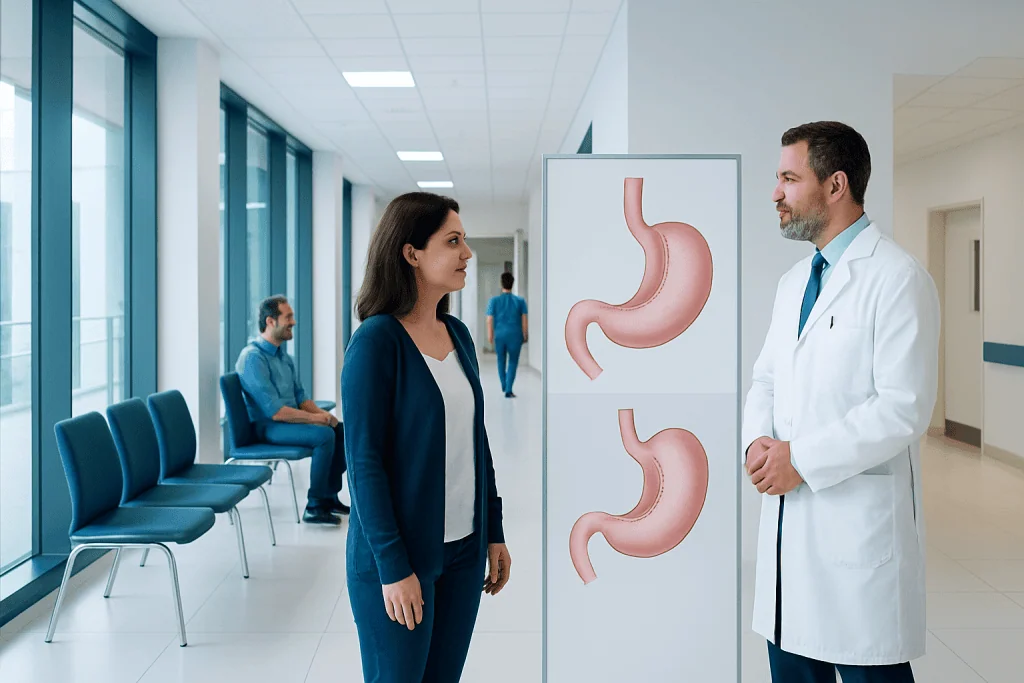
Sleeve gastrectomy reduces the stomach to a narrow tube, limiting food intake and changing hunger-related hormones. The procedure is usually performed laparoscopically through small incisions under general anesthesia.
Key Takeaways
- Sleeve gastrectomy reduces the stomach to a narrow tube, limiting food intake and changing hunger-related hormones.
- The procedure is usually performed laparoscopically through small incisions under general anesthesia.
- Preparation includes medical assessment, nutrition counseling, and lifestyle changes before surgery.
- Recovery happens in stages, with a gradual return from liquids to solid foods and close follow-up.
- Long-term success depends on regular medical care, healthy eating, physical activity, and vitamin supplementation when advised.
Sleeve gastrectomy is a bariatric surgery that removes a large portion of the stomach to help with long-term weight loss. Understanding what happens before, during, and after the operation can help patients prepare with more confidence and realistic expectations.
Overview of Sleeve Gastrectomy
Sleeve gastrectomy, also called gastric sleeve surgery, is a type of bariatric surgery used to support weight loss in people with obesity. During the procedure, a surgeon removes a large portion of the stomach, leaving behind a smaller, sleeve-shaped stomach. This smaller stomach holds much less food, which helps a person feel full after eating smaller portions.
In addition to restricting stomach volume, sleeve gastrectomy also affects hormones involved in appetite and blood sugar regulation. Many patients notice reduced hunger after surgery, which can make healthy eating habits easier to maintain. For some people, the operation may also improve obesity-related conditions such as type 2 diabetes, high blood pressure, sleep apnea, and fatty liver disease.
Sleeve gastrectomy is not a cosmetic procedure and it is not a quick fix. It is a medical treatment recommended for carefully selected patients after a full evaluation. It works best when combined with long-term lifestyle changes, including balanced nutrition, physical activity, and regular follow-up with a bariatric care team.
Who May Be a Candidate and How to Prepare
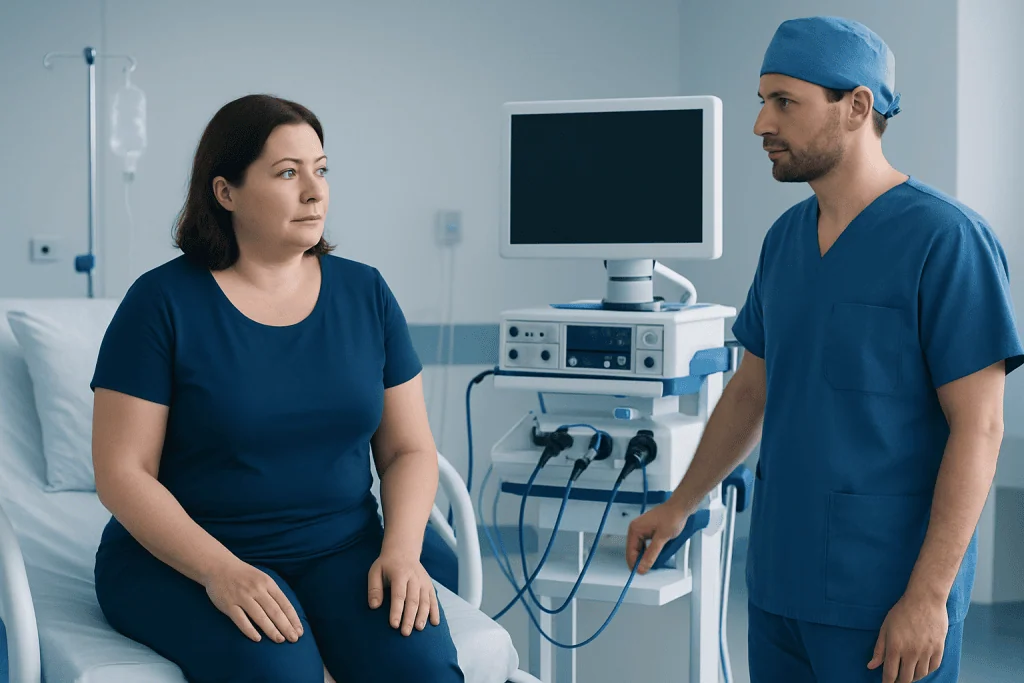
Doctors usually consider sleeve gastrectomy for adults with obesity who have not achieved lasting weight loss through diet, exercise, and medical support alone. Eligibility often depends on body mass index, overall health, and whether obesity is affecting other medical conditions. The decision is individualized, so a specialist will review each patient’s medical history, medications, previous weight-loss efforts, and readiness for long-term follow-up.
Before surgery, patients usually complete a detailed assessment. This may include blood tests, heart and lung evaluation, nutritional screening, and in some cases endoscopy or imaging studies. Many centers also recommend psychological evaluation to identify emotional eating patterns, depression, anxiety, or other issues that could affect recovery and long-term success.
Preparation also involves learning new eating habits before the operation. Patients are often asked to stop smoking, limit alcohol, improve hydration, increase physical activity if possible, and follow a supervised meal plan. The care team explains what to expect during bariatric surgery, how to manage the hospital stay, and which supplements or medications may be needed afterward.
- Review of medical conditions and current medications
- Nutrition and dietitian consultation
- Discussion of surgical risks and benefits
- Preoperative weight-loss plan if advised
- Instructions about fasting and medication changes before surgery
What Happens During Sleeve Gastrectomy Step by Step
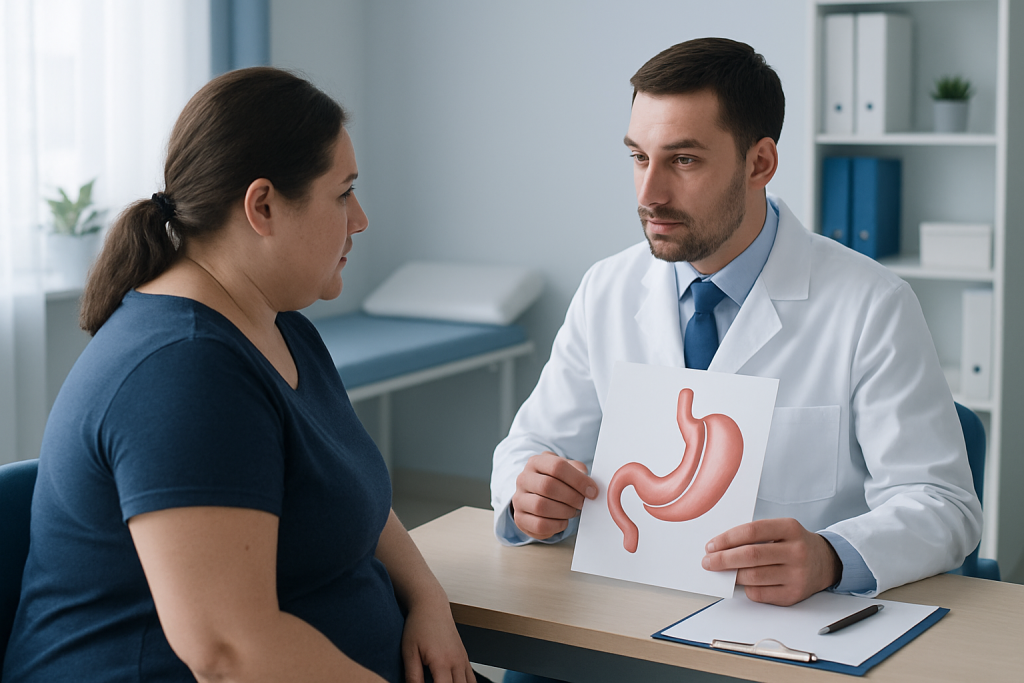
On the day of surgery, the patient arrives at the hospital and is prepared for the operating room. After identity checks, consent confirmation, and routine safety steps, an intravenous line is placed for fluids and medications. The anesthesiology team gives general anesthesia so the patient is asleep and does not feel pain during the operation.
Most sleeve gastrectomy procedures are performed laparoscopically, using several small incisions in the abdomen rather than one large cut. The surgeon inserts a camera and slim instruments through these incisions. Carbon dioxide gas is used to gently expand the abdomen so the surgical team can see and work clearly.
The surgeon then frees the outer curve of the stomach from surrounding attachments and blood vessels. A sizing tube is usually placed inside the stomach to guide the new shape and width. Surgical staplers are used to divide the stomach vertically, creating a long, narrow sleeve. The removed portion of the stomach is taken out through one of the small incisions.
After the sleeve is created, the staple line is carefully checked for bleeding or leakage. Some teams perform a test during surgery to confirm that the new stomach is secure. The instruments are removed, the gas is released, and the small incisions are closed. The operation itself often takes one to a few hours, depending on the patient and the surgical plan.
How Sleeve Gastrectomy Works in the Body
Sleeve gastrectomy helps with weight loss in more than one way. The smaller stomach limits the amount of food that can be eaten at one time, so meals become much smaller. This is often called a restrictive effect. Because patients feel full sooner, it becomes easier to reduce calorie intake.
The procedure also changes gut hormones involved in hunger and metabolism. The part of the stomach that produces much of the hormone ghrelin, which is linked to appetite, is largely removed. As a result, many patients notice they feel less hungry between meals. These hormonal changes may also support better blood sugar control in some individuals.
Unlike some other bariatric operations, sleeve gastrectomy does not reroute the intestines. Food still follows the normal digestive pathway, which means nutrient absorption is generally less affected than in some malabsorptive procedures. Even so, nutritional deficiencies can still happen if food intake is poor or vitamin supplementation is not followed as recommended.
For patients comparing options, a bariatric surgeon may discuss sleeve gastrectomy alongside other procedures depending on health needs and goals. In some cases, conditions related to severe obesity, such as obesity and type 2 diabetes, are part of the treatment decision because they may improve after surgery.
Recovery in the Hospital and at Home
After surgery, the patient wakes up in a recovery area where nurses monitor breathing, heart rate, pain, and nausea. Most people are encouraged to get out of bed and walk as soon as it is safe, often on the same day. Early movement helps reduce the risk of blood clots and supports bowel function and lung recovery.
The hospital stay is often short, commonly one or two days, although this varies. During this time, the care team checks fluid intake, pain control, incision healing, and any early signs of complications. Patients begin with very small sips of clear liquids and receive detailed instructions about how to drink slowly and avoid dehydration.
Once home, recovery continues over several weeks. Tiredness is common at first, but many people gradually return to light daily activities within a short period. Heavy lifting and strenuous exercise are usually delayed until the surgeon says it is safe. Follow-up visits are important to monitor healing, weight loss, nutrition, and adjustment to new eating patterns.
The post-surgery diet progresses in stages, usually from clear liquids to full liquids, pureed foods, soft foods, and then regular textured meals. Patients need to eat slowly, chew carefully, prioritize protein, and avoid drinking large amounts with meals. A structured follow-up plan, sometimes including obesity surgery aftercare support, helps patients adapt successfully.
Benefits, Risks, and Possible Complications
Sleeve gastrectomy can lead to significant weight loss and may improve many obesity-related health problems. Benefits often include better mobility, improved quality of life, reduced joint strain, and better control of blood pressure or blood sugar. For many patients, the procedure also supports long-term lifestyle change by reducing hunger and portion sizes.
Like any operation, however, sleeve gastrectomy has risks. Short-term surgical risks can include bleeding, infection, blood clots, reactions to anesthesia, and leakage from the staple line. These complications are uncommon but important to recognize early, which is why close monitoring after surgery is essential.
Longer-term issues can include acid reflux, narrowing of the sleeve, dehydration, constipation, gallstones related to rapid weight loss, and vitamin or mineral deficiencies. Weight regain is also possible if high-calorie liquids, frequent snacking, or unhealthy eating habits return over time. Regular follow-up with the surgical and nutrition team helps identify and manage these issues promptly.
It is helpful for patients to discuss both the expected benefits and the limits of surgery. Sleeve gastrectomy is a powerful tool, but lasting results depend on ongoing self-care, realistic expectations, and support from qualified professionals. In experienced centers, patients may also be evaluated for other options such as gastric bypass if another procedure may better suit their needs.
Long-Term Lifestyle Changes After Surgery
Successful long-term outcomes after sleeve gastrectomy rely on more than the operation itself. Patients need a sustainable eating pattern built around protein-rich foods, vegetables, fruit, and balanced meals in small portions. Sugary drinks, frequent grazing, and high-calorie processed foods can reduce weight-loss success and increase the chance of weight regain.
Hydration is another essential habit. Because the stomach is much smaller, patients cannot drink large amounts at once, so they need to sip fluids regularly throughout the day. Vitamins and mineral supplements may also be recommended based on individual needs and blood test results. Follow-up appointments help ensure that nutritional status remains safe over time.
Physical activity supports both weight loss and overall health. Walking usually starts early, followed by a gradual return to more structured exercise as recovery progresses. Strength training, flexibility work, and aerobic exercise can all play a role when approved by the care team.
Emotional adjustment matters too. Some people benefit from counseling or support groups, especially if food has been closely tied to stress or mood. Near the end of the treatment journey, patients seeking care abroad may value coordinated follow-up; Acibadem International’s multidisciplinary specialists in JCI-accredited hospitals diagnose and treat obesity for international patients with individualized planning.
When to Contact a Doctor
Patients should contact their surgeon or seek medical advice if they have warning signs during recovery. These include fever, worsening abdominal pain, chest pain, shortness of breath, persistent vomiting, inability to keep fluids down, or redness and drainage from the incisions. Such symptoms do not always mean a serious problem, but they should be assessed promptly.
Ongoing symptoms after the early recovery period also deserve attention. Frequent heartburn, difficulty swallowing, signs of dehydration, dizziness, extreme fatigue, or unexpected changes in bowel habits may need medical review. Nutritional concerns such as hair loss, weakness, numbness, or pale skin can sometimes suggest vitamin or mineral deficiencies.
Regular follow-up is just as important as urgent care. Scheduled visits allow the team to monitor weight loss, lab results, medication needs, and adaptation to lifestyle changes. If patients have concerns about progress or symptoms at any stage, it is safest to speak with a qualified doctor rather than trying to manage the issue alone.
Frequently asked questions
Is sleeve gastrectomy a major surgery?
Yes, sleeve gastrectomy is a major operation, even though it is often done with minimally invasive laparoscopic techniques. It requires general anesthesia and careful follow-up, but small incisions usually help shorten recovery time compared with open surgery.
How long does sleeve gastrectomy surgery take?
The procedure commonly takes one to a few hours, depending on the patient's anatomy, health status, and the surgical team's approach. Additional time is also needed for anesthesia, preparation, and recovery immediately after the operation.
How much of the stomach is removed during sleeve gastrectomy?
A large portion of the stomach is removed, leaving a narrow tube or sleeve-shaped stomach. The exact amount can vary, but the goal is to create a much smaller stomach that limits meal size and supports reduced hunger.
Can the stomach grow back after sleeve gastrectomy?
The removed part of the stomach does not grow back. However, the remaining stomach can stretch somewhat over time if a person regularly overeats, which is one reason long-term eating habits and follow-up are so important.
Will a person need vitamins after sleeve gastrectomy?
Many patients are advised to take vitamin and mineral supplements after surgery, although individual needs vary. Doctors usually monitor blood tests over time to check for deficiencies and adjust supplements as needed.
How soon can normal eating resume after sleeve gastrectomy?
Normal textured foods are usually reintroduced gradually over several weeks, not immediately. Patients move through staged diets from liquids to pureed and soft foods before regular meals, following the guidance of their surgeon and dietitian.
Is weight regain possible after sleeve gastrectomy?
Yes, some weight regain can happen, especially if old eating patterns return or follow-up care is missed. Even so, many patients maintain meaningful long-term benefits when surgery is combined with healthy lifestyle habits and regular medical support.
References
- World Health Organization
- American Society for Metabolic and Bariatric Surgery
- National Institute of Diabetes and Digestive and Kidney Diseases
- National Health Service
- Mayo Clinic
This article is for general information only and is not a substitute for professional medical advice. Please consult a qualified doctor about your individual situation.
Sleeve Gastrectomy in Turkey — costs, top hospitals & a free quote
JCI-accredited · board-certified surgeons · reply within 24h
Add us as a Preferred Source to see more of our trusted health content across Google Search, AI Overviews and Discover.
Check your numbers in seconds
BMI, calories, due date, blood pressure and 30+ more clinical calculators — free, instant, doctor-reviewed ranges.

Bariatric & Metabolic Surgery
Surgical and endoscopic treatments for obesity and metabolic conditions.