When Is Breast Cancer Awareness Month?

Breast Cancer Awareness Month takes place every October. The month focuses on education, awareness, screening, and support.
Key Takeaways
- Breast Cancer Awareness Month takes place every October.
- The month focuses on education, awareness, screening, and support.
- Early detection can improve treatment options and outcomes.
- Breast cancer can affect people of all genders, though it is much more common in women.
- Regular screening and awareness of personal breast changes are both important.
Breast Cancer Awareness Month is observed every October. It aims to increase public understanding of breast cancer, encourage screening and early detection, and support people affected by the disease.
Overview: When Is Breast Cancer Awareness Month?
Breast Cancer Awareness Month is observed every year in October. Around the world, health organizations, hospitals, advocacy groups, and community programs use this month to share clear information about breast cancer, the value of screening, and the importance of support for patients and families.
The purpose of Breast Cancer Awareness Month is not only to raise visibility, but also to encourage practical action. This includes learning about symptoms, understanding personal risk, discussing screening with a doctor, and supporting people who are going through diagnosis, treatment, or recovery.
Although October is the best-known time for breast cancer campaigns, breast health matters all year. Awareness efforts during this month can help people start conversations that lead to earlier diagnosis and timely care. For many patients, earlier evaluation can make treatment planning more effective and less overwhelming.
Why Breast Cancer Awareness Month Matters
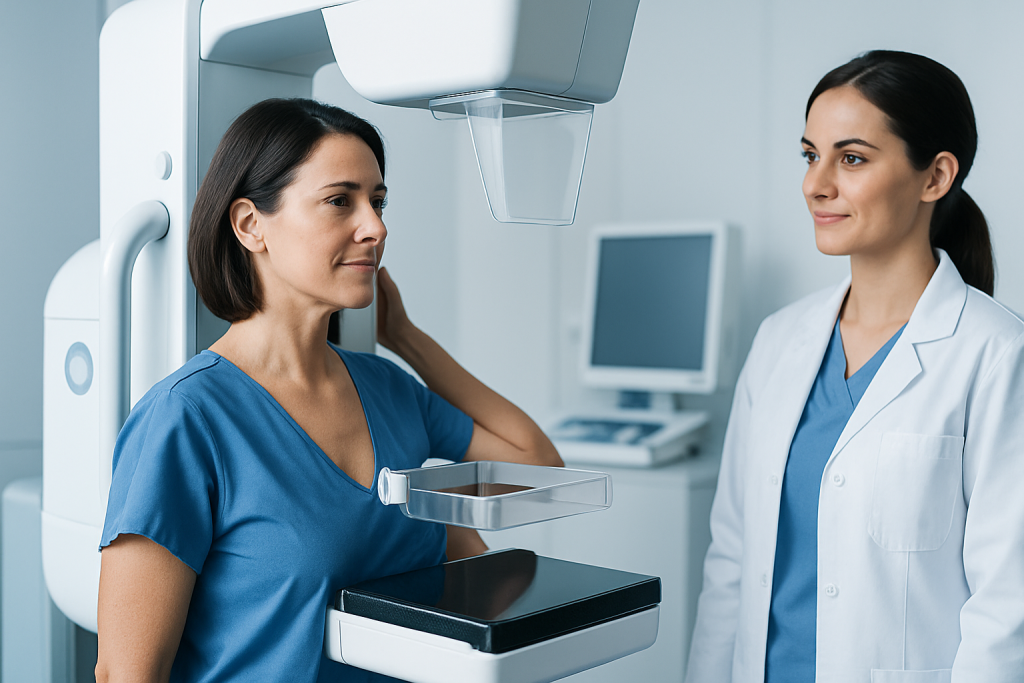
Breast cancer is one of the most common cancers worldwide. Because of this, public education is especially important. Many people know the term “breast cancer awareness,” but may still be unsure about symptoms, screening schedules, or what to do if they notice a change.
Awareness campaigns can help correct common misunderstandings. For example, not every breast lump is cancer, and breast cancer does not always cause pain in its early stages. A person may feel well and still have an abnormality found on screening, which is one reason regular checkups and mammograms are so valuable.
Awareness month also highlights the emotional and practical side of cancer care. Patients may need help with medical decisions, transportation, work-life balance, family communication, and mental well-being. Support from healthcare teams, loved ones, and community resources can make a meaningful difference throughout the cancer journey.
For readers looking for broader information about the disease itself, breast cancer care usually includes diagnosis, staging, treatment planning, and follow-up tailored to the individual.
Breast Cancer Symptoms and Warning Signs
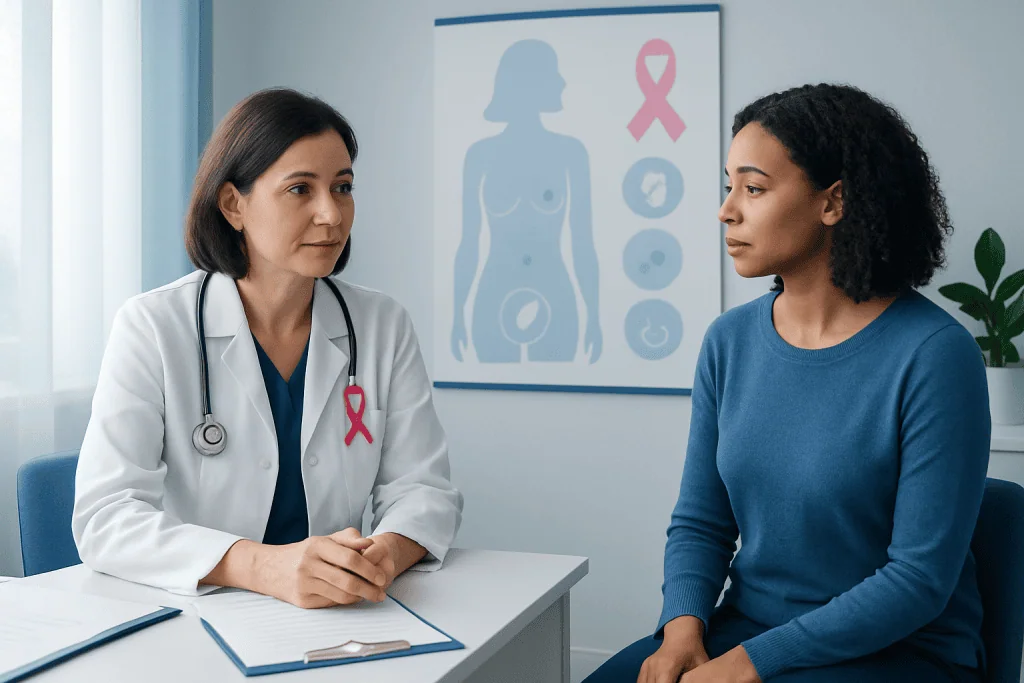
One important message of Breast Cancer Awareness Month is that people should know what changes to watch for. Breast cancer symptoms can vary, and some people have no symptoms at all, especially in early stages. This is why screening remains essential even when a person feels healthy.
Possible warning signs may include a new lump in the breast or underarm, a change in breast size or shape, skin dimpling, nipple inversion, unusual nipple discharge, or redness and thickening of the skin. These changes do not always mean cancer, but they should be assessed by a qualified doctor.
It can help to be familiar with what is normal for one’s own body. Rather than following a rigid self-exam technique, many experts encourage general breast awareness. This means noticing changes during regular daily life and seeking medical advice if something seems different and does not go away.
- New breast or underarm lump
- Swelling or thickening in part of the breast
- Change in breast shape, size, or contour
- Skin dimpling or irritation
- Nipple changes or unexpected discharge
- Persistent redness, warmth, or scaling of breast skin
Risk Factors and Causes
Breast cancer develops when cells in the breast grow in an abnormal and uncontrolled way. There is no single cause, and in many cases it occurs without one clear explanation. Breast Cancer Awareness Month often brings attention to risk factors, but having a risk factor does not mean a person will definitely develop cancer.
Risk can be influenced by age, family history, inherited gene changes such as BRCA mutations, personal history of breast conditions, hormone-related factors, alcohol use, excess body weight after menopause, and low physical activity. Some people develop breast cancer without any known risk factors, while others with several risk factors never develop it.
Family history is important, but it is only one piece of the picture. Many people diagnosed with breast cancer do not have a close family member with the disease. This is why routine screening and attention to symptoms are recommended based on age, personal history, and medical guidance rather than family history alone.
Risk discussion can be especially helpful for people with dense breasts, strong family history, or previous abnormal imaging results. In these cases, a doctor may recommend a more individualized screening plan.
Screening and Diagnosis
Screening aims to find breast cancer before symptoms appear. During Breast Cancer Awareness Month, mammography is often the most discussed screening test because it can detect some cancers at an earlier stage. Screening recommendations vary by country, age, and personal risk, so it is best to ask a doctor which schedule is appropriate.
If a screening test shows an abnormal area, this does not automatically mean cancer. Additional imaging may be needed, such as mammography, breast ultrasound, or breast MRI to look more closely at the tissue. These tests help doctors decide whether a finding is benign, needs short-term follow-up, or should be sampled.
A definitive diagnosis usually requires a biopsy. In a biopsy, a small tissue sample is removed and examined in a laboratory. If cancer is confirmed, further tests may be used to understand the type of cancer, its hormone receptor status, and whether it has spread. This information helps guide the most suitable treatment plan.
For people with suspicious findings, care is often coordinated between radiologists, pathologists, surgeons, and oncology specialists. This team-based approach supports accurate diagnosis and clear next steps.
Treatment Options for Breast Cancer
Breast Cancer Awareness Month often leads people to ask what happens after diagnosis. Treatment depends on the cancer type, stage, tumor biology, overall health, and patient preferences. Many people receive more than one kind of treatment, and plans are personalized rather than one-size-fits-all.
Common treatments include surgery, radiation therapy, chemotherapy, hormone therapy, and targeted therapy. Surgical care may involve removing the tumor while preserving as much healthy breast tissue as possible, or removing the whole breast in selected cases. Some patients may also need evaluation or removal of lymph nodes under the arm. When appropriate, breast cancer surgery is part of a broader treatment strategy.
Drug treatments may be given before surgery to shrink a tumor or after surgery to reduce the chance of recurrence. Radiation is often used after breast-conserving surgery and in certain other situations. The exact sequence varies from person to person and is based on pathology findings and multidisciplinary review.
Supportive care is also an important part of treatment. This can include pain control, rehabilitation, nutrition guidance, counseling, and management of side effects. For reconstruction after mastectomy, some patients may discuss options such as breast reconstruction with their care team.
Prevention, Self-Care, and Support
There is no guaranteed way to prevent breast cancer, but some healthy habits may help reduce risk and support overall well-being. Breast Cancer Awareness Month is a good time for people to review their routine health habits and screening plans. Small, steady steps can be meaningful over time.
Helpful self-care measures may include staying physically active, maintaining a healthy weight, limiting alcohol, avoiding tobacco, and attending recommended health visits. For those with higher inherited risk, doctors may discuss more specialized prevention strategies, which can include enhanced screening or genetic counseling.
Emotional support matters too. A breast cancer diagnosis can affect confidence, relationships, work, and mental health. Patients may benefit from speaking with psychologists, social workers, support groups, or survivorship programs. Family members and caregivers may also need information and support as they help a loved one through treatment.
Near the end of an awareness discussion, it is also useful to remember that expert care is available when needed. Acibadem International’s multidisciplinary specialists and JCI-accredited hospitals diagnose and treat breast cancer for international patients as part of coordinated oncology care.
When to See a Doctor
People should arrange a medical evaluation if they notice a new breast lump, persistent skin change, nipple discharge, or any ongoing change in the breast or underarm area. It is especially important to seek advice if a symptom lasts more than a short time or seems to become more noticeable. Most breast changes are not cancer, but it is safest to have them assessed.
A doctor should also be consulted about routine screening, especially for adults approaching the recommended screening age or for anyone with a strong family history. People with previous breast abnormalities, dense breast tissue, or known genetic risk may need a more individualized plan.
If a person has already been treated for breast cancer, follow-up visits remain important. Ongoing care helps monitor recovery, manage side effects, and watch for any signs that need further attention. Questions about new symptoms should always be discussed with the oncology team rather than ignored.
Frequently asked questions
When is Breast Cancer Awareness Month?
Breast Cancer Awareness Month is observed every October. During this month, health organizations and communities focus on education, screening, support, and early detection.
Why is Breast Cancer Awareness Month important?
It helps people learn about breast cancer symptoms, risk factors, and the value of screening. It also encourages support for patients, survivors, and families affected by the disease.
Does Breast Cancer Awareness Month only apply to women?
No. Breast cancer is much more common in women, but men can also develop it. Awareness messages are relevant to anyone who wants to understand symptoms, family risk, and screening discussions.
What is the main goal of breast cancer awareness campaigns?
The main goal is to promote earlier detection and better understanding of breast health. Campaigns also aim to reduce stigma, encourage timely medical care, and connect people with support resources.
Should everyone get a mammogram during October?
Not necessarily in October specifically. Mammograms should be scheduled according to a doctor's advice, age, and individual risk, even if that falls at another time of year.
What should someone do if they notice a breast change?
They should arrange an evaluation with a qualified doctor. Many breast changes are benign, but any new or persistent symptom deserves medical assessment to rule out serious causes.
References
- World Health Organization
- American Cancer Society
- Centers for Disease Control and Prevention
- National Cancer Institute
- European Society for Medical Oncology
This article is for general information only and is not a substitute for professional medical advice. Please consult a qualified doctor about your individual situation.
Breast Cancer in Turkey — costs, top hospitals & a free quote
JCI-accredited · board-certified surgeons · reply within 24h
Add us as a Preferred Source to see more of our trusted health content across Google Search, AI Overviews and Discover.

Medical Oncology Department
Medical treatment of cancer with chemotherapy, immunotherapy and targeted therapies under a multidisciplinary tumor board.
60 specialists in this unitMore from the Health Library



Related Specialists

Prof. Dr. Fuat Demirkıran
Gynecology & Obstetrics
Dt. Zehra Mutlu
Dentistry
Dr. Hudheifa Yussuf Haji
Inpatient Clinic Physicians Clinical Service
Prof. Dr. Metin Türkmen
Orthopedic Surgery & Traumatology