What Is Lymphoma Cancer? Types and Symptoms

Lymphoma cancer begins in lymphocytes, a type of white blood cell in the lymphatic system. The two main groups are Hodgkin lymphoma and non-Hodgkin lymphoma.
Key Takeaways
- Lymphoma cancer begins in lymphocytes, a type of white blood cell in the lymphatic system.
- The two main groups are Hodgkin lymphoma and non-Hodgkin lymphoma.
- Common symptoms can include painless swollen lymph nodes, fever, night sweats, weight loss, and fatigue.
- Diagnosis usually involves a biopsy, blood tests, imaging, and sometimes bone marrow testing.
- Many lymphomas are treatable, and care is tailored to the specific subtype and stage.
- Persistent swollen lymph nodes or unexplained systemic symptoms should be assessed by a doctor.
Lymphoma cancer is a type of blood cancer that starts in cells of the lymphatic system, most often lymphocytes. It includes several diseases, mainly Hodgkin lymphoma and non-Hodgkin lymphoma, and treatment depends on the exact type, stage, and a person’s overall health.
Overview of lymphoma cancer
Lymphoma cancer is a cancer that starts in the lymphatic system, an important part of the body’s immune defense. The lymphatic system includes lymph nodes, the spleen, thymus, bone marrow, and a network of lymph vessels. In lymphoma, certain white blood cells called lymphocytes grow abnormally and can collect in lymph nodes or other organs.
The two broad categories are Hodgkin lymphoma and non-Hodgkin lymphoma. These groups are identified by how the cells look under a microscope and by specific laboratory features. Non-Hodgkin lymphoma is not a single disease but a large group of related cancers with different behaviors, ranging from slow-growing to fast-growing forms.
Lymphoma can occur at any age, although some types are more common in children, young adults, or older adults. Symptoms and outlook vary widely depending on the subtype, how far the disease has spread, and how well it responds to treatment. A clear diagnosis is important because treatment plans can differ significantly from one type to another.
Types of lymphoma
Hodgkin lymphoma is a distinct type of lymphoma defined by characteristic abnormal cells, often called Reed-Sternberg cells. It commonly begins in lymph nodes and may spread in a predictable pattern from one group of nodes to another. Many people with Hodgkin lymphoma respond well to modern treatment, especially when the disease is identified early.
Non-Hodgkin lymphoma includes many subtypes that arise from either B lymphocytes or T lymphocytes. Some forms are indolent, meaning they grow slowly and may be monitored for a period before treatment is needed. Others are aggressive and require prompt therapy but can still be highly treatable.
Examples of non-Hodgkin lymphoma include diffuse large B-cell lymphoma, follicular lymphoma, mantle cell lymphoma, Burkitt lymphoma, and certain cutaneous or gastrointestinal lymphomas. Because these subtypes behave differently, diagnosis often involves specialized pathology and molecular tests. Readers interested in related blood cancers may also come across leukemia, which is a separate condition even though both affect blood-forming cells.
- Hodgkin lymphoma
- Non-Hodgkin lymphoma
- B-cell lymphomas
- T-cell lymphomas
- Indolent lymphomas
- Aggressive lymphomas
Symptoms of lymphoma

One of the most recognized lymphoma symptoms is a painless swollen lymph node, often in the neck, armpit, or groin. However, not every swollen node is cancerous. Infections and other common conditions can also cause enlarged lymph nodes, which is why ongoing or unexplained swelling should be checked by a doctor.
Other symptoms may include fever, drenching night sweats, unintentional weight loss, persistent fatigue, and itching. Some people notice shortness of breath, chest discomfort, abdominal fullness, or recurrent infections if lymphoma affects the chest, abdomen, or immune function. These symptoms are sometimes called “B symptoms” when they include fever, night sweats, and weight loss, and they can help doctors assess the disease.
Symptoms can vary depending on where the lymphoma is located. For example, lymphoma in the abdomen may cause bloating or pain, while involvement of the chest may lead to cough or breathing difficulty. Some slow-growing lymphomas cause very few symptoms and are discovered during evaluation for an unrelated issue.
Causes and risk factors
In many people, the exact cause of lymphoma cancer is not known. Cancer begins when changes develop in the genetic material of cells, allowing them to grow and survive when they should not. These changes are usually not caused by anything a person did or did not do.
Several factors can increase risk, although having a risk factor does not mean someone will develop lymphoma. Risk may be higher with increasing age for many subtypes, while some forms are more common in younger people. A weakened immune system, autoimmune diseases, certain chronic infections, previous cancer treatment, and family history can also play a role in some cases.
Examples of infections linked to particular lymphoma subtypes include Epstein-Barr virus, Helicobacter pylori, hepatitis C, and human T-cell lymphotropic virus type 1. Environmental exposures are still being studied, but in most patients no single clear trigger is identified. Because lymphoma is complex, doctors focus on accurate classification rather than trying to assign one definite cause.
How lymphoma is diagnosed
Diagnosis usually starts with a medical history and physical examination, especially checking for enlarged lymph nodes, liver, or spleen. Blood tests may help assess general health, blood cell counts, liver and kidney function, and signs of inflammation or tumor activity. However, blood tests alone cannot confirm lymphoma.
The most important test is a biopsy, in which all or part of an enlarged lymph node or affected tissue is removed and examined by a pathologist. This allows doctors to confirm whether lymphoma is present and determine the exact subtype. Fine-needle aspiration may sometimes be used, but a larger tissue sample is often preferred because lymphoma classification depends on cell structure and special laboratory staining.
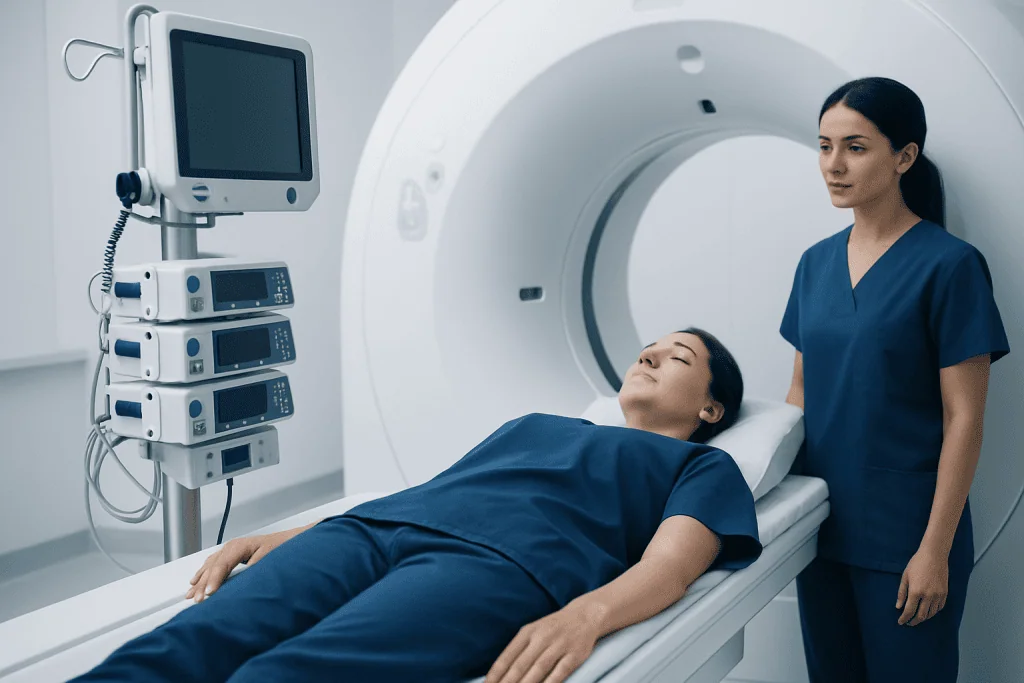
After diagnosis, imaging scans such as CT, PET/CT, or MRI may be used to see where the lymphoma is located and whether it has spread. Some patients also need bone marrow evaluation or additional molecular testing. This staging process helps guide treatment choices and is often coordinated through a hematology and bone marrow transplantation program when advanced therapies may be relevant.
Treatment options for lymphoma
Lymphoma treatment depends on the subtype, stage, symptoms, age, and overall health of the patient. Common options include careful monitoring for selected slow-growing lymphomas, chemotherapy, immunotherapy, targeted therapy, radiation therapy, stem cell transplantation, or combinations of these approaches. The aim may be cure, long-term disease control, symptom relief, or prevention of progression, depending on the situation.
For many patients, treatment is delivered through a personalized medical oncology plan. Immunotherapy can help the immune system recognize and attack lymphoma cells, while targeted therapies act on specific features of cancer cells. Radiation therapy may be used for localized disease or to treat areas causing symptoms. In some cases, doctors may discuss bone marrow transplant as part of treatment for relapsed or high-risk lymphoma.
Supportive care is also important throughout treatment. This may include medicines to reduce side effects, infection prevention, nutritional support, fertility counseling, and emotional support. Patients often benefit from a multidisciplinary team that may include hematologists, oncologists, pathologists, radiologists, nurses, and supportive care specialists.
Prevention and self-care
There is no guaranteed way to prevent lymphoma cancer, because most cases do not have a known avoidable cause. Still, general health measures may support overall immune health and reduce some infection-related risks. These include avoiding tobacco, limiting unnecessary exposure to harmful chemicals, following medical advice for chronic infections, and keeping up with routine healthcare.
For people living with lymphoma or undergoing treatment, self-care can make day-to-day life easier. Rest, balanced nutrition, light physical activity as tolerated, good hydration, and practical infection precautions may all help. It is also wise to discuss vaccinations, travel plans, work, and family exposure to illness with the care team, especially during treatment.
Emotional wellbeing matters too. A lymphoma diagnosis can bring uncertainty, even when the condition is treatable. Many people find it helpful to ask questions, bring a family member to appointments, keep a list of medications and symptoms, and seek counseling or support groups when needed. At the end of the care pathway, some international patients choose centers such as Acibadem International, where multidisciplinary specialists in JCI-accredited hospitals diagnose and treat lymphoma with coordinated care.
When to see a doctor
A doctor should assess lymph nodes that stay enlarged for several weeks, continue growing, or are associated with other unexplained symptoms. Medical attention is also important for persistent fever, drenching night sweats, unexplained weight loss, marked fatigue, or frequent infections. These signs do not always mean lymphoma, but they deserve proper evaluation.
Urgent assessment may be needed if a person has significant shortness of breath, severe chest symptoms, confusion, uncontrolled bleeding, or signs of serious infection. People with a history of immune suppression, prior cancer treatment, or known blood disorders should be especially careful about new symptoms. In some situations, doctors may also evaluate other cancers in the differential diagnosis, such as multiple myeloma, depending on symptoms and test results.
Early evaluation can help identify whether symptoms are caused by lymphoma, infection, or another condition. Even when lymphoma is found, starting care with the right specialist team can clarify the diagnosis and open the way to effective treatment options. Patients should feel encouraged to seek medical advice rather than wait and worry.
Frequently asked questions
Is lymphoma cancer curable?
Some lymphomas are curable, and many others can be controlled effectively for long periods. The outlook depends on the exact subtype, stage, and how the lymphoma responds to treatment. A specialist can explain the expected treatment goals for an individual case.
What is the difference between Hodgkin and non-Hodgkin lymphoma?
Hodgkin lymphoma has specific abnormal cells seen on pathology, while non-Hodgkin lymphoma includes many different subtypes without those same cells. They can differ in age patterns, spread, and treatment approaches. An accurate biopsy is essential to tell them apart.
Are swollen lymph nodes always a sign of lymphoma?
No, swollen lymph nodes are very often caused by infections or other non-cancerous conditions. Lymphoma is only one possible cause. Nodes that persist, enlarge, or occur with fever, night sweats, or weight loss should be evaluated.
How is lymphoma confirmed?
Lymphoma is usually confirmed with a biopsy of a lymph node or another affected tissue. Blood tests and imaging can support the assessment, but they do not replace tissue diagnosis. The biopsy also helps determine the exact lymphoma subtype.
Can lymphoma happen without symptoms?
Yes, some slow-growing lymphomas cause few or no symptoms at first. They may be found during an examination, blood test, or imaging done for another reason. This is one reason why follow-up of unexplained enlarged lymph nodes can be important.
What treatments are used for lymphoma?
Treatment may include monitoring, chemotherapy, immunotherapy, targeted therapy, radiation therapy, or stem cell transplantation. The choice depends on the specific type of lymphoma and the patient’s overall health. Care is usually planned by a multidisciplinary team.
References
- World Health Organization
- National Cancer Institute
- American Cancer Society
- Leukemia & Lymphoma Society
- National Comprehensive Cancer Network
This article is for general information only and is not a substitute for professional medical advice. Please consult a qualified doctor about your individual situation.
Lymphoma in Turkey — costs, top hospitals & a free quote
JCI-accredited · board-certified surgeons · reply within 24h
Add us as a Preferred Source to see more of our trusted health content across Google Search, AI Overviews and Discover.

Medical Oncology Department
Medical treatment of cancer with chemotherapy, immunotherapy and targeted therapies under a multidisciplinary tumor board.
60 specialists in this unitMore from the Health Library



Related Specialists

Prof. Dr. İbrahim Tuncay
Orthopedic Surgery & Traumatology
Prof. Dr. Akin Sabanci
Neurosurgery
Dr. Doğan Öncü
Pediatrics
Assoc. Prof. Dr. Ali Harman
Interventional Radiology