

Tumour: Meaning, Types, and Cancer Risk

A tumour is an abnormal growth of cells and may be benign, premalignant, or malignant. Benign tumours are not cancer, but they can still cause problems depending on their size and location.
Key Takeaways
- A tumour is an abnormal growth of cells and may be benign, premalignant, or malignant.
- Benign tumours are not cancer, but they can still cause problems depending on their size and location.
- Malignant tumours are cancerous and may invade nearby tissue or spread to other parts of the body.
- Diagnosis often involves imaging, laboratory tests, and a biopsy to confirm the tumour type.
- Treatment depends on whether the tumour is benign or malignant, where it is located, and the person’s overall health.
A tumour is an abnormal mass of tissue caused by uncontrolled cell growth. Not all tumours are cancer, but understanding the type, location, and behavior of a tumour helps guide diagnosis and treatment.
Overview: What Is a Tumour?
A tumour is an abnormal mass or swelling caused by cells growing and dividing more than they should. The word “tumour” does not automatically mean cancer. In medicine, it is a broad term used to describe many different kinds of growths, ranging from harmless lumps to aggressive cancers.
Healthy cells in the body usually grow, divide, and die in an orderly way. A tumour forms when this process becomes disrupted. Some tumours stay localized and grow slowly, while others can invade nearby structures or spread through the blood or lymphatic system.
Doctors usually classify a tumour into three main groups: benign, premalignant, and malignant. Benign tumours are non-cancerous. Premalignant changes are not cancer yet but may have the potential to become cancer over time. Malignant tumours are cancerous and can behave more aggressively.
Because tumours can develop in almost any organ or tissue, symptoms, risks, and treatments vary widely. A careful medical assessment helps determine exactly what kind of tumour is present and whether it needs monitoring, treatment, or both.
Types of Tumour
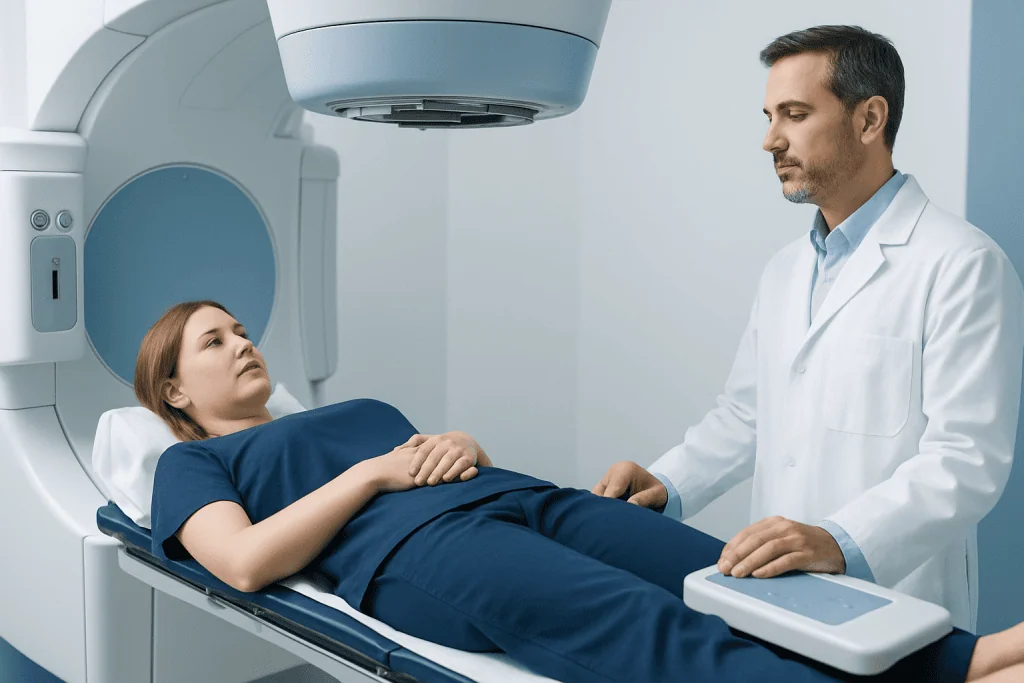
Tumours are often grouped by their behavior. Benign tumours do not spread to distant parts of the body. They may still need treatment if they press on nerves, blood vessels, or organs, or if they affect appearance or daily comfort. Examples include some lipomas, fibroids, and certain skin growths.
Premalignant or precancerous lesions contain abnormal cells that are not yet invasive cancer. These changes may remain stable, but some can progress over time. This is why regular follow-up and timely treatment can be important when a doctor identifies a precancerous condition.
Malignant tumours are cancers. They can grow into surrounding tissues and, in some cases, spread to distant organs in a process called metastasis. Different malignant tumours behave differently, so the exact diagnosis matters. For example, doctors distinguish between cancers that begin in organs, blood cells, connective tissues, or the brain.
Doctors also classify tumours by the tissue they arise from. Common categories include:
- Carcinomas: start in epithelial cells, such as the lining of the skin, breast, lung, or colon
- Sarcomas: begin in bone, muscle, fat, or connective tissue
- Leukemias and lymphomas: affect blood-forming tissues and the lymphatic system
- Brain and spinal tumours: develop in the central nervous system and may be benign or malignant
- Germ cell tumours: arise from reproductive cells, often in the ovaries or testicles
Symptoms and Signs
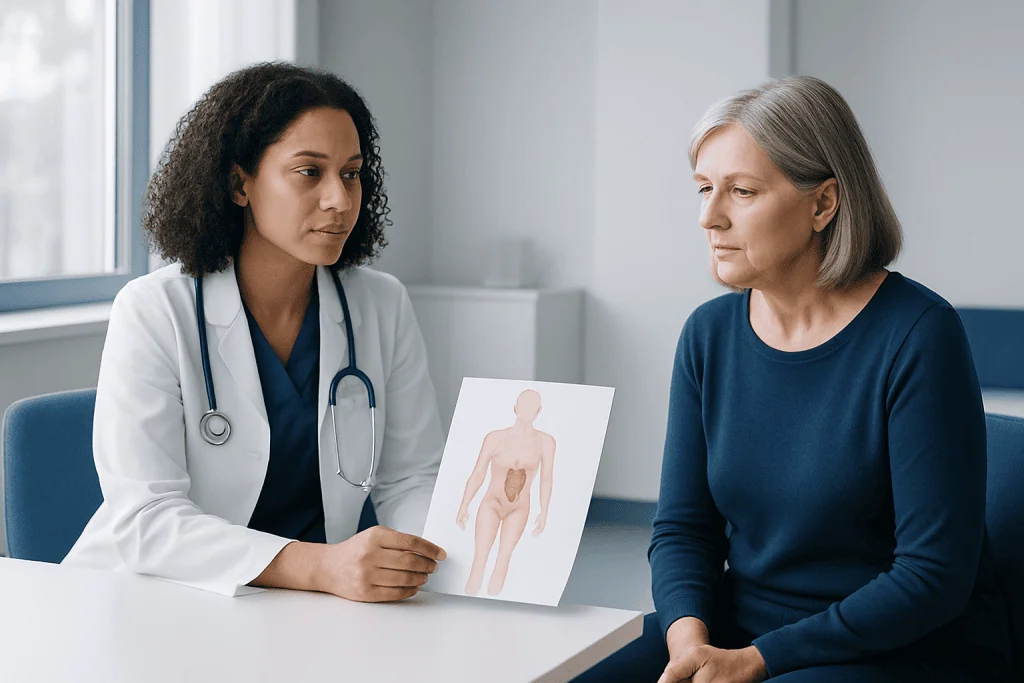
Some tumours cause no symptoms at all and are found incidentally during a routine examination or imaging test. Others become noticeable because they create a lump, swelling, pain, pressure, bleeding, or a change in how an organ works. Symptoms depend more on the tumour’s size and location than on the word “tumour” itself.
A tumour near the skin may be felt as a new lump. In the digestive system, it may cause changes in bowel habits, unexplained bleeding, or ongoing discomfort. In the brain, a tumour may lead to headaches, seizures, balance changes, or vision problems. In the lungs, there may be a persistent cough, breathlessness, or chest discomfort.
General symptoms can sometimes occur with malignant tumours, though they are not specific to cancer. These may include unexplained weight loss, fatigue, persistent fever, or night sweats. However, many non-cancerous conditions can also cause these symptoms, so they should not be used to self-diagnose.
Warning signs that deserve medical review include:
- A new or growing lump
- Persistent pain or pressure in one area
- Unexplained bleeding
- A mole or skin lesion that changes in size, color, or shape
- Difficulty swallowing, persistent hoarseness, or long-lasting cough
- Unexplained weight loss or ongoing tiredness
Causes and Risk Factors
Tumours develop because of changes in a cell’s genetic material that affect how it grows and divides. These changes may happen over time due to aging, environmental exposures, inherited conditions, or random errors during cell division. Often, there is no single clear cause.
Risk factors differ by tumour type. Tobacco use, heavy alcohol use, obesity, certain infections, radiation exposure, and long-term exposure to some chemicals are known to increase the risk of specific cancers. Family history can also matter, especially when several close relatives have had the same or related cancers.
Not every person with a risk factor will develop a tumour, and some people develop tumours without any known risk factors. This is one reason regular health checks and attention to unusual symptoms are important. For some cancers, screening tests can find abnormalities before symptoms begin.
In some cases, benign tumours are linked to hormones, inflammation, or inherited syndromes. For example, uterine fibroids may be influenced by hormones, while some polyps in the colon can become precancerous over time. Understanding whether a growth is harmless or part of a broader condition is an important part of medical evaluation.
How Doctors Diagnose a Tumour
Diagnosis begins with a medical history and physical examination. A doctor will ask when the symptom started, whether a lump has changed, and whether there are related symptoms such as pain, bleeding, fatigue, or weight loss. Family history and lifestyle factors may also help guide the next steps.
Imaging tests are commonly used to locate a tumour and assess its size and relationship to nearby tissues. Depending on the body area involved, this may include ultrasound, X-ray, CT, MRI, or PET imaging. Blood tests can provide supportive information, though they usually cannot confirm the exact nature of a tumour on their own.
In many cases, the most important test is a biopsy. During a biopsy, a small sample of tissue is removed and examined under a microscope. This helps determine whether the tumour is benign or malignant and identifies the exact cell type. The pathology result is central to choosing the most appropriate treatment plan.
If cancer is confirmed, doctors may perform additional tests to determine the stage, which describes how large the cancer is and whether it has spread. Staging helps guide decisions about surgery, medicines, radiation therapy, and follow-up care. When needed, people may also be evaluated for related conditions such as colon cancer or lung cancer if the tumour is suspected to arise in those organs.
Treatment Options
Treatment depends on the tumour type, whether it is benign or malignant, its location, how fast it is growing, and the person’s general health. Some benign tumours may only need observation with periodic imaging or examinations. Others are removed if they cause symptoms, cosmetic concerns, or uncertainty about the diagnosis.
Surgery is a common treatment for many tumours. It may be used to remove the entire growth, obtain a biopsy, relieve pressure on nearby structures, or reduce tumour size. In cancer care, surgery is often combined with other treatments depending on the stage and pathology findings. For appropriate cases, doctors may discuss cancer surgery as part of the overall plan.
Malignant tumours may also be treated with systemic therapies such as chemotherapy, targeted therapy, immunotherapy, or hormone therapy. The choice depends on the cancer type and its biological features. Some tumours respond particularly well to chemotherapy or newer targeted medicines, while others are better managed with a combination approach.
Radiation therapy may be used to destroy cancer cells, shrink a tumour before surgery, or reduce symptoms. Certain patients may benefit from radiation therapy as part of coordinated cancer care. Near the end of the care pathway, people may seek treatment in centers such as Acibadem International, where multidisciplinary specialists in JCI-accredited hospitals diagnose and treat tumour-related conditions for international patients.
Prevention and Self-care
Not all tumours can be prevented, but healthy habits can lower the risk of many cancers. Avoiding tobacco, limiting alcohol, maintaining a healthy weight, staying physically active, and following a balanced diet all support overall health and may reduce cancer risk. Protecting the skin from excessive sun exposure is also important.
Keeping up with recommended vaccinations and screening tests can make a meaningful difference. Depending on age and personal risk, this may include screening for breast, cervical, colorectal, prostate, or lung cancer. Screening does not prevent every cancer, but it can help detect changes early, when treatment may be simpler and more effective.
Self-care also includes paying attention to the body and seeking medical advice for symptoms that do not go away. It is best not to ignore a lump, unusual bleeding, a changing mole, or persistent unexplained symptoms. Early evaluation can bring reassurance when a growth is benign and allows timely treatment when more care is needed.
For people already diagnosed with a tumour, self-care may include attending follow-up appointments, taking medicines as prescribed, eating well, staying active within personal limits, and asking for emotional support when needed. Learning about the diagnosis from reliable sources can help people feel more informed and prepared.
When to See a Doctor
A person should arrange a medical evaluation if they notice a new lump, a growth that is getting larger, unexplained bleeding, a skin change that does not heal, or symptoms that persist without a clear cause. Ongoing pain, changes in bowel or bladder habits, and unexplained weight loss are also worth discussing with a doctor.
Urgent medical attention may be needed if a tumour causes severe pain, sudden neurological symptoms, trouble breathing, heavy bleeding, or signs of intestinal blockage such as severe abdominal pain and vomiting. These symptoms do not always mean cancer, but they should be assessed promptly.
It is natural to feel worried when the word “tumour” is mentioned, but many tumours are treatable, and many are not cancer at all. Getting checked early helps clarify the cause and gives the healthcare team more options if treatment is needed.
If there is a strong family history of cancer or a known inherited syndrome, a doctor may recommend earlier screening or referral for genetic counseling. Personalized advice can help people understand their level of risk and make informed choices about monitoring and prevention.
Frequently asked questions
Does a tumour always mean cancer?
No. A tumour simply means an abnormal growth of tissue. Some tumours are benign and non-cancerous, while others are malignant and cancerous.
What is the difference between benign and malignant tumours?
Benign tumours usually grow locally and do not spread to distant organs. Malignant tumours are cancers that can invade nearby tissue and may spread to other parts of the body.
How do doctors know if a tumour is cancerous?
Doctors often use imaging tests to identify the location and size of a tumour, but a biopsy is usually needed to confirm the diagnosis. Examining the tissue under a microscope shows the exact cell type and whether it is benign or malignant.
Can a benign tumour become cancer?
Some benign tumours stay harmless and never become cancer. However, certain growths and precancerous lesions can change over time, which is why follow-up and medical advice are important.
What are common warning signs of a tumour?
Common warning signs can include a new or enlarging lump, unexplained bleeding, persistent pain, changes in skin lesions, or long-lasting symptoms such as cough or bowel changes. These signs do not always mean cancer, but they should be evaluated by a doctor.
Can a tumour be treated without surgery?
Yes, depending on the type and location. Some tumours are monitored, while others may be treated with radiation therapy, chemotherapy, hormone therapy, targeted therapy, or other medicines.
References
- World Health Organization
- National Cancer Institute
- American Cancer Society
- National Health Service
- Mayo Clinic
This article is for general information only and is not a substitute for professional medical advice. Please consult a qualified doctor about your individual situation.
Oncology care in Turkey — second opinion and treatment plan
JCI-accredited · board-certified surgeons · reply within 24h
Add us as a Preferred Source to see more of our trusted health content across Google Search, AI Overviews and Discover.

More from the Health Library



Related Specialists

Dr. Mustafa Engin Çakmakçı
Otorhinolaryngology
Dt. Ferah Kuybulu
Oral & Dental Health
Prof. Dr. Mehdi S. Öğüt
Ophthalmology
Prof. Dr. Ahmet Karabulut
Cardiology