Cell Therapy for Cancer: Types, Benefits, and Risks

Cell therapy for cancer includes several approaches, such as CAR T-cell therapy, tumor-infiltrating lymphocyte therapy, donor lymphocyte infusion, and stem cell transplant support. These treatments aim to help the immune system recognize cancer or restore healthy blood cell production after intensive therapy.
Key Takeaways
- Cell therapy for cancer includes several approaches, such as CAR T-cell therapy, tumor-infiltrating lymphocyte therapy, donor lymphocyte infusion, and stem cell transplant support.
- These treatments aim to help the immune system recognize cancer or restore healthy blood cell production after intensive therapy.
- Cell therapies can offer meaningful benefits in selected cancers, especially certain blood cancers, but they are not suitable for every patient or every tumor type.
- Possible risks include infection, immune reactions, inflammation, and organ-related side effects, so close medical monitoring is essential.
- Treatment planning usually involves a multidisciplinary cancer team and careful follow-up before, during, and after therapy.
Cell therapy for cancer is a group of treatments that use living cells to fight cancer, rebuild blood-forming cells, or support the immune system. It can be highly effective for some people, but the benefits, side effects, and suitability depend on the cancer type and the specific therapy used.
Overview of Cell Therapy for Cancer
Cell therapy for cancer refers to treatments that use living cells to help treat cancer or support the body during cancer care. These cells may come from the patient, from a donor, or from specially processed cells prepared in a laboratory. Depending on the approach, the goal may be to attack cancer cells directly, strengthen the immune response, or restore healthy blood cell production after intensive treatment.
One of the best-known examples is CAR T-cell therapy, in which a patient’s T cells are collected and modified so they can better recognize and fight cancer. Other forms of cell therapy include tumor-infiltrating lymphocyte therapy, donor lymphocyte infusion, natural killer cell-based approaches, and stem cell transplantation used to rebuild bone marrow after chemotherapy or radiation.
Cell therapies are an important part of modern oncology, but they are not a single treatment. Each method works differently, has different benefits and risks, and is used for different cancers. Some are established standard treatments in selected blood cancers, while others are available mainly through specialized centers or clinical trials.
Types of Cell Therapy Used in Cancer Care
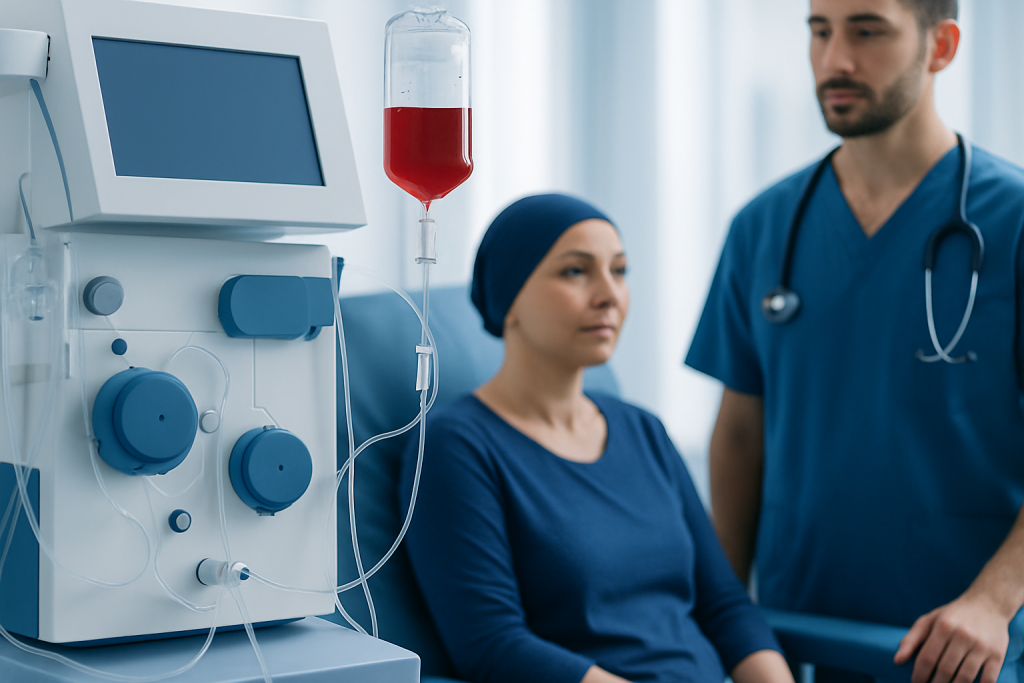
There are several types of cell therapy for cancer, and the right option depends on the diagnosis, the stage of disease, previous treatments, and the patient’s overall health. In many cases, these treatments are considered when standard options have not worked well enough or when a personalized immune approach may offer benefit.
Common forms include:
- CAR T-cell therapy: T cells are collected from the patient and genetically changed in a laboratory to recognize specific proteins on cancer cells before being returned to the body.
- Tumor-infiltrating lymphocyte (TIL) therapy: Immune cells found inside a tumor are collected, multiplied, and infused back to help fight the cancer.
- Donor lymphocyte infusion: White blood cells from a stem cell donor may be given after transplant to strengthen the anti-cancer immune effect.
- Natural killer (NK) cell therapy: NK cells are immune cells that can attack abnormal cells and are being studied or used in some settings.
- Stem cell transplantation: Although not always considered a direct anti-cancer cell therapy, it is often a key supportive treatment in blood cancers because it restores blood-forming cells after intensive therapy.
Stem cell transplantation may involve the patient’s own cells or cells from a donor, depending on the condition being treated. In blood cancers such as leukemia or lymphoma, doctors may consider bone marrow transplantation or stem cell transplant as part of a broader treatment plan.
Who May Benefit and What Are the Potential Advantages?

The benefits of cell therapy for cancer depend on the specific therapy and the cancer involved. Some patients with certain blood cancers may achieve strong responses when other treatments have stopped working or when the cancer has returned. In selected situations, cell therapy may provide another option when standard chemotherapy, radiation, or targeted therapy has not been enough.
Potential advantages can include a more targeted immune response, the ability to treat resistant disease, and in some cases longer-lasting disease control. Because some cell therapies train or strengthen the immune system, their effects may continue after the infusion itself. This is one reason these treatments have attracted significant attention in oncology.
Cell therapy can also play a supportive role. For example, after high-dose chemotherapy, stem cell transplantation helps the body rebuild healthy blood cells. This can make it possible to use intensive cancer treatment in a safer and more controlled way for certain patients. Still, the expected benefit always needs to be balanced against the risks, treatment burden, and the patient’s goals of care.
Risks and Possible Side Effects
Like all cancer treatments, cell therapies can cause side effects, and some may be serious. The exact risks depend on the type of cells used, whether the cells come from the patient or a donor, the cancer being treated, and the patient’s overall health. Care is usually provided in experienced centers because close monitoring is often needed.
With immune-based treatments such as CAR T-cell therapy, one important risk is an excessive immune reaction. This may cause fever, low blood pressure, breathing problems, confusion, or other neurological symptoms. Doctors watch carefully for these complications and may use supportive care and specific medicines if they occur.
Stem cell transplantation and donor-cell treatments can also increase the risk of infection, bleeding, anemia, and organ-related side effects because the immune system and bone marrow may be weakened for a period of time. When donor cells are used, graft-versus-host disease may occur, meaning donor immune cells attack healthy tissues. Other common concerns include fatigue, nausea, loss of appetite, and prolonged recovery. These risks do not mean cell therapy is unsafe for everyone, but they do show why treatment selection and follow-up are so important.
How Doctors Decide If Cell Therapy Is Appropriate
Not every person with cancer is a candidate for cell therapy. Doctors consider many factors, including the exact cancer type, genetic and molecular features of the tumor, how advanced the disease is, prior treatments, age, overall fitness, heart and lung function, infection risk, and personal treatment goals. Some therapies are approved only for certain cancers or after specific earlier treatments have been tried.
The evaluation often includes blood tests, imaging, bone marrow tests for blood cancers, and a careful review of pathology results. The medical team may also assess whether enough time is available to prepare the therapy, since some personalized treatments require collecting and processing the patient’s cells before they can be given back.
A multidisciplinary team usually guides this process. This may include medical oncologists, hematologists, transplant specialists, pathologists, radiologists, intensive care specialists, and supportive care teams. For some cancers, participation in a clinical trial may also be discussed, especially when newer cell therapies are being studied for solid tumors or less common situations.
What Treatment and Recovery Usually Involve
The treatment pathway varies by the specific type of cell therapy. For CAR T-cell therapy, a patient’s immune cells are first collected from the blood. These cells are then modified in a laboratory and returned later by infusion. Before the infusion, patients often receive preparatory treatment to help the modified cells work more effectively in the body.
For stem cell transplantation, the process may involve high-dose chemotherapy, stem cell collection or donor cell preparation, infusion of stem cells, and a recovery phase while the bone marrow begins producing healthy blood cells again. During this time, patients may need careful infection prevention, transfusion support, and frequent blood testing.
Recovery can take time, even when treatment goes as planned. Some people need inpatient care, while others can be monitored through a structured outpatient program. Follow-up usually focuses on side effects, signs of infection, blood counts, organ function, and how well the cancer is responding. In complex cases, additional cancer treatments may still be needed after cell therapy. For suitable patients with advanced blood cancers, specialists may also discuss CAR T-cell therapy as part of an individualized treatment strategy.
Questions to Ask, Self-Care, and When to Seek Medical Help
Patients and families often find it helpful to ask practical questions before starting treatment. These may include why a specific cell therapy is recommended, what benefits are realistic, what side effects to expect, how long recovery may take, whether hospitalization is needed, and what kind of support will be required at home. Understanding the plan in advance can make the process feel more manageable.
Self-care during and after treatment focuses on rest, nutrition, hydration, infection prevention, and keeping all follow-up appointments. Patients should take medicines exactly as prescribed and tell the care team about any new symptoms, even if they seem mild. Emotional support is also important, as cancer treatment can affect mental well-being as well as physical health.
Urgent medical advice is needed for symptoms such as fever, chills, shortness of breath, chest pain, severe weakness, unusual bleeding, confusion, or sudden worsening of any symptom. These signs do not always mean a serious complication, but they should be assessed promptly. In experienced centers such as Acibadem International, multidisciplinary specialists and JCI-accredited hospitals diagnose and treat complex cancers for international patients, including advanced therapies when appropriate.
Frequently asked questions
What is cell therapy for cancer?
Cell therapy for cancer is a treatment approach that uses living cells to fight cancer or support the body during cancer care. Depending on the method, the cells may attack cancer directly, improve immune function, or help rebuild blood-forming cells after intensive treatment.
Is CAR T-cell therapy the same as all cell therapy?
No. CAR T-cell therapy is one type of cell therapy, but it is not the only one. Other examples include tumor-infiltrating lymphocyte therapy, donor lymphocyte infusion, natural killer cell approaches, and stem cell transplantation.
Which cancers can be treated with cell therapy?
Cell therapy is used most often in certain blood cancers, such as some leukemias, lymphomas, and myeloma-related conditions. Research is also expanding into solid tumors, but suitability depends on the exact cancer type and current treatment approvals or clinical trial availability.
What are the main risks of cell therapy for cancer?
Risks vary by treatment, but they can include infection, low blood counts, immune reactions, inflammation, and neurological side effects. When donor cells are used, there can also be graft-versus-host disease. Because some complications can develop quickly, close monitoring is essential.
How long does recovery take after cancer cell therapy?
Recovery time differs widely depending on the therapy, the person’s general health, and whether complications occur. Some patients recover over days to weeks, while others, especially after stem cell transplantation, may need a longer period of monitoring and support.
Can cell therapy cure cancer?
For some patients, cell therapy can lead to deep and lasting remission, and in certain situations it may contribute to a cure. However, outcomes vary greatly, and no treatment can promise the same result for every person. A specialist can explain what is realistic for a specific diagnosis.
References
- National Cancer Institute
- American Cancer Society
- National Comprehensive Cancer Network
- European Society for Medical Oncology
- Leukemia & Lymphoma Society
This article is for general information only and is not a substitute for professional medical advice. Please consult a qualified doctor about your individual situation.
Oncology care in Turkey — second opinion and treatment plan
JCI-accredited · board-certified surgeons · reply within 24h
Add us as a Preferred Source to see more of our trusted health content across Google Search, AI Overviews and Discover.
Check your numbers in seconds
BMI, calories, due date, blood pressure and 30+ more clinical calculators — free, instant, doctor-reviewed ranges.

More from the Health Library



Related Specialists

Prof. Dr. Fuat Demirkıran
Gynecology & Obstetrics
Dr. Buğra Alpan
Orthopedic Surgery & Traumatology
Hanife Durak
Physical Medicine & Rehabilitation
Dr. Gülgün Atilla
Radiology