How Long Does a Hip Replacement Last?

Many hip replacements function well for 15 to 20 years or longer. Implant lifespan varies from person to person and depends on several medical and lifestyle factors.
Key Takeaways
- Many hip replacements function well for 15 to 20 years or longer.
- Implant lifespan varies from person to person and depends on several medical and lifestyle factors.
- Healthy weight, regular low-impact activity, and follow-up care can help protect the joint.
- Persistent pain, instability, or reduced function may suggest implant wear or other complications.
- If a hip replacement fails, revision surgery may sometimes be needed.
A hip replacement is designed to relieve pain and improve movement, and many modern implants last 15 to 20 years or longer. How long a hip replacement lasts depends on factors such as age, activity level, body weight, bone health, implant type, and surgical technique.
Overview
When asking how long does a hip replacement last, the short answer is that many modern hip replacements continue to work well for 15 to 20 years or longer. Some last even longer, especially when the joint is placed well, the surrounding bone remains strong, and the person avoids excessive strain on the implant. Improvements in surgical methods and implant materials have helped increase durability over time.
A hip replacement, also called total hip arthroplasty, replaces damaged parts of the hip joint with artificial components. It is commonly used to treat severe pain and stiffness caused by osteoarthritis, inflammatory arthritis, hip damage after injury, or other joint diseases. The main goals are to reduce pain, improve mobility, and support daily activities such as walking, climbing stairs, and sleeping more comfortably.
Even though hip replacements are built to last, they are not considered lifetime devices for every person. Younger, very active patients may place more stress on the implant over many years, while older adults with lower activity demands may keep the same replacement for the rest of their lives. This is why doctors usually discuss expected implant lifespan in relation to the individual rather than giving a single fixed number.
What Affects Hip Replacement Lifespan?
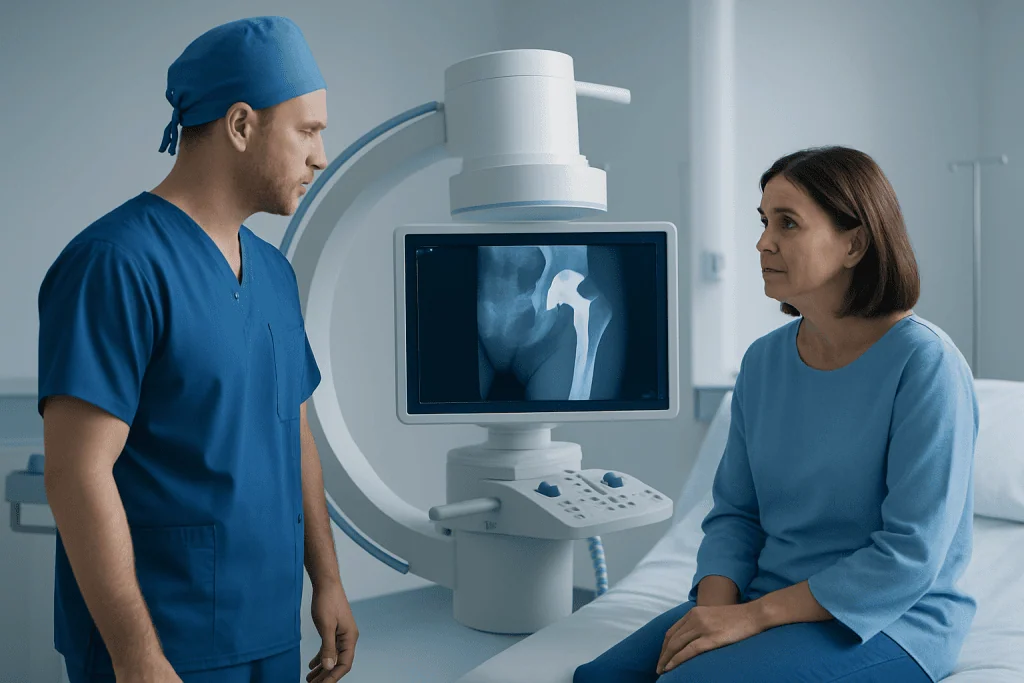
Several factors influence how long a hip replacement lasts. Age at the time of surgery matters because younger people usually live longer with the implant and may be more physically active. Activity level is also important. Regular movement is healthy, but repeated high-impact activities can increase wear on the artificial joint over time.
Body weight can affect the load placed on the hip. Carrying excess weight may increase stress on the implant and surrounding bone, although many people of different body sizes still do very well after surgery. Bone quality is another key factor. Good bone support helps keep the implant stable, while weakened bone from osteoporosis or other conditions may contribute to loosening or fracture.
The design and materials of the implant also play a role. Modern bearing surfaces are made to reduce friction and wear. Surgical technique, correct positioning of the implant, and proper healing after the operation are equally important. In many cases, the joint lasts longer when there is a good match between the implant, the patient’s anatomy, and long-term lifestyle habits.
- Age and expected years of use
- Activity level and type of exercise
- Body weight and overall health
- Bone strength and quality
- Implant material and design
- Surgical technique and implant positioning
Signs a Hip Replacement May Be Wearing Out

Most people do not feel the implant wearing out day by day. Instead, if problems develop, symptoms may appear gradually. New or increasing hip pain is one of the most common warning signs, especially if the pain returns after a period of good function. Stiffness, limping, or a feeling that the hip is less reliable can also occur.
Some people notice instability, clicking, grinding, or reduced range of motion. These symptoms do not always mean the implant is failing, because pain can also come from muscles, tendons, the lower back, or nearby joints. Still, any persistent change in symptoms deserves medical assessment, particularly if walking becomes more difficult or daily activities become limited.
In some cases, implant-related problems are found on routine follow-up even before major symptoms appear. Doctors may identify loosening, wear, or bone changes on imaging studies. Early evaluation is helpful because treatment options may be simpler when problems are detected sooner rather than later.
Common Reasons for Failure or Revision
Hip replacements can fail for different reasons. One possible cause is wear of the bearing surfaces over many years. Tiny wear particles can sometimes lead to inflammation around the joint and loss of supporting bone. Another reason is loosening, when the implant no longer stays firmly attached to the bone.
Infection is less common but important because it can affect the implant and surrounding tissues. Dislocation, fracture around the implant, and differences in leg length or alignment can also create problems. Some patients may need further care because of persistent pain from soft tissue irritation or other mechanical issues.
If the implant no longer works properly, revision surgery may be considered. Revision means replacing part or all of the existing artificial joint. This is usually more complex than the first operation, but it can still help restore comfort and function in carefully selected patients. People who need additional care may be evaluated for hip replacement surgery or, when appropriate, revision hip replacement.
How Doctors Check a Hip Replacement
Assessment begins with a detailed review of symptoms, general health, and activity level. The doctor will ask when the pain started, whether it is constant or activity-related, and if there have been changes in walking, balance, or daily function. A physical examination helps check range of motion, muscle strength, leg alignment, and signs of tenderness or instability.
X-rays are often the first imaging test used to look at the position of the implant, the condition of the surrounding bone, and possible loosening or wear. In some situations, doctors may recommend additional imaging such as CT, MRI with metal-artifact reduction techniques, or nuclear medicine studies. Blood tests can help look for signs of infection or inflammation.
This evaluation also helps identify other causes of hip-area pain, such as spinal problems, bursitis, or osteoarthritis in another joint. A careful diagnosis is important because treatment depends on the cause. Not every painful hip replacement needs surgery, and many concerns can be managed conservatively.
Treatment, Follow-Up, and Protecting the Joint
When a hip replacement is functioning well, ongoing care usually focuses on maintaining strength, flexibility, and healthy joint habits. Low-impact activities such as walking, cycling, swimming, and guided strengthening exercises are often encouraged. These help support the muscles around the hip without placing repeated heavy impact on the implant.
If pain or stiffness develops, treatment depends on the reason. Some people benefit from physical therapy, changes in activity, assistive devices, or medicines recommended by a doctor. Others may need closer monitoring with repeat imaging. If there is significant loosening, infection, fracture, or severe wear, surgical treatment may be needed.
Follow-up appointments are important even when symptoms are mild. Regular review allows the orthopedic team to check the implant over time and address concerns early. In some cases, a person may also benefit from physical therapy and rehabilitation to improve movement and reduce strain on the joint.
For international patients seeking orthopedic care, Acibadem International’s multidisciplinary specialists and JCI-accredited hospitals diagnose and treat hip conditions, including evaluation of painful or aging hip replacements.
Prevention, Self-Care, and When to See a Doctor
Although no one can guarantee exactly how long an implant will last, certain habits may help protect it. Maintaining a healthy body weight can reduce stress on the hip. Staying physically active supports muscle strength and joint stability, but it is usually wise to favor low-impact exercise over repetitive jumping or contact sports unless a surgeon advises otherwise.
It is also helpful to prevent falls, especially in older adults. Good footwear, home safety adjustments, vision checks, and balance training can all lower the risk of injury around the implant. Bone health matters too, so people should speak with their doctor about calcium intake, vitamin D, and screening for osteoporosis when appropriate.
A doctor should be consulted if there is new or worsening hip pain, swelling, fever, a sudden change in walking, a popping sensation, or the feeling that the joint is unstable. Urgent care is especially important after a fall or injury, or if the leg appears shortened or difficult to move. Early assessment can clarify the cause and help preserve function.
Frequently asked questions
How long does a hip replacement usually last?
Many modern hip replacements last 15 to 20 years or longer. Some continue to function well beyond that, but lifespan varies based on the person's age, activity, bone quality, and the type of implant used.
Can a hip replacement last 30 years?
Yes, in some people a hip replacement can last 30 years. This is more likely when the implant remains stable, wear is limited, and the person avoids excessive strain while keeping good overall bone and joint health.
What are the signs that a hip replacement is failing?
Possible signs include increasing pain, stiffness, limping, reduced range of motion, or a feeling that the hip is unstable. Some people may also notice clicking or difficulty with walking and everyday activities, although these symptoms can have other causes as well.
Do younger patients need another hip replacement later?
Younger patients may be more likely to need another operation in the future because they often place more years of use on the implant. However, this is not certain, and many younger people still do very well for a long time after surgery.
Can exercise help a hip replacement last longer?
Regular low-impact exercise can help by improving muscle strength, balance, and joint support. It is generally best to follow a surgeon's or physical therapist's advice about which activities are safest for the individual.
When is revision hip surgery needed?
Revision surgery may be needed if the implant becomes loose, wears out, gets infected, dislocates repeatedly, or is affected by a fracture around the joint. The decision depends on symptoms, imaging findings, overall health, and whether nonsurgical treatment is likely to help.
References
- American Academy of Orthopaedic Surgeons
- National Institute for Health and Care Excellence
- National Institute of Arthritis and Musculoskeletal and Skin Diseases
- American Association of Hip and Knee Surgeons
This article is for general information only and is not a substitute for professional medical advice. Please consult a qualified doctor about your individual situation.
Hip Replacement in Turkey — costs, top hospitals & a free quote
JCI-accredited · board-certified surgeons · reply within 24h
Add us as a Preferred Source to see more of our trusted health content across Google Search, AI Overviews and Discover.

Orthopedics & Spine
Care for bones, joints and the musculoskeletal system, including joint replacement, sports injuries and trauma.
125 specialists in this unit