Pancreas: Function, Diseases and When to Seek Care
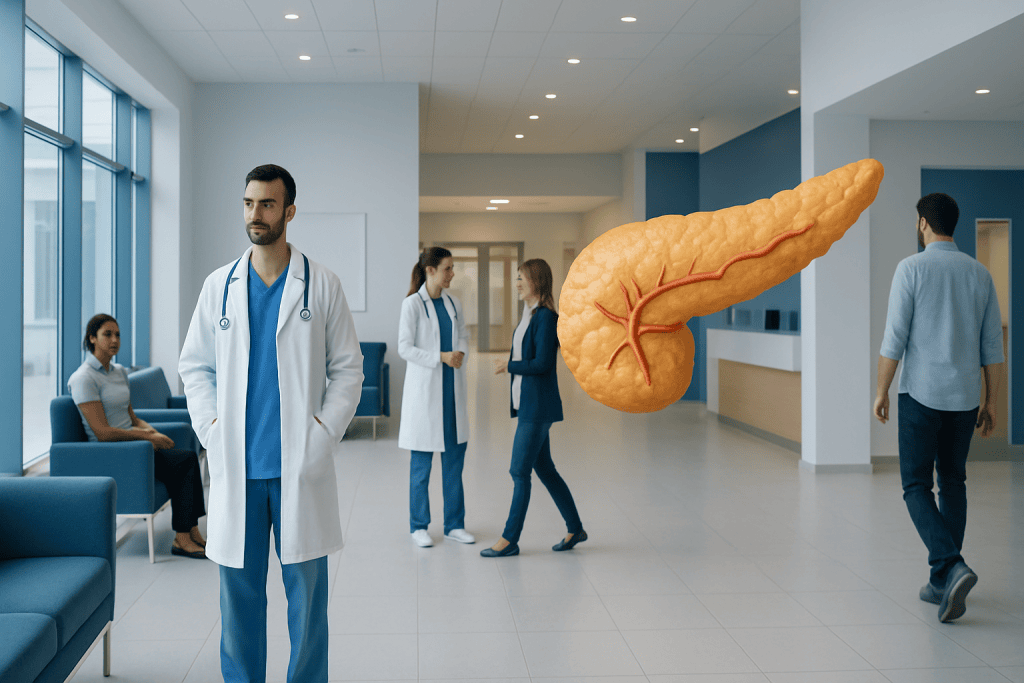
The pancreas supports both digestion and blood sugar balance. Common pancreas diseases include pancreatitis, diabetes, pancreatic cysts, and pancreatic cancer.
Key Takeaways
- The pancreas supports both digestion and blood sugar balance.
- Common pancreas diseases include pancreatitis, diabetes, pancreatic cysts, and pancreatic cancer.
- Symptoms such as ongoing upper abdominal pain, jaundice, unexplained weight loss, or persistent vomiting need medical attention.
- Diagnosis may involve blood tests, imaging, and sometimes endoscopy or biopsy.
- Treatment depends on the cause and may include lifestyle changes, medicines, endoscopic procedures, or surgery.
- Avoiding smoking, limiting alcohol, and managing metabolic health may help reduce risk.
The pancreas is a small but essential organ that helps digest food and regulate blood sugar. Understanding pancreas function, common pancreas diseases, and warning signs can help people seek timely medical care and protect long-term health.
Overview: What the Pancreas Does
The pancreas is a gland located deep in the upper abdomen, behind the stomach. Although it is not usually felt from the outside, it plays a vital role in everyday health. It has two major jobs: helping the body digest food and helping regulate blood sugar levels.
Its digestive role is called the exocrine function. The pancreas produces enzymes that travel into the small intestine, where they help break down fats, proteins, and carbohydrates from food. Without enough of these enzymes, the body may struggle to absorb nutrients properly.
Its hormone-producing role is called the endocrine function. Specialized cells in the pancreas make hormones such as insulin and glucagon, which help keep blood glucose within a healthy range. Because of these dual functions, pancreas disorders can affect digestion, nutrition, and metabolism at the same time.
Symptoms of Pancreas Problems

Pancreas symptoms vary depending on the condition, but certain patterns are common. Pain in the upper abdomen is one of the best-known warning signs. This pain may spread to the back, become worse after eating, or come with nausea and vomiting. Some people describe it as a deep, steady discomfort rather than a sharp pain.
Digestive changes can also occur. These may include bloating, loss of appetite, diarrhea, greasy or pale stools, and unintentional weight loss. When the pancreas does not release enough digestive enzymes, food may not be absorbed well, which can lead to malnutrition and fatigue over time.
Problems affecting the endocrine part of the pancreas may cause blood sugar changes. Increased thirst, frequent urination, unusual tiredness, blurred vision, or unexplained weight loss can occur if diabetes develops. In some cases, pancreas disease is found only after routine blood work or imaging for another reason.
Jaundice, which causes yellowing of the skin or eyes, is another symptom that should never be ignored. It can happen when a blockage affects the bile duct near the pancreas. Persistent abdominal pain, recurrent vomiting, fever, or signs of dehydration deserve prompt medical assessment.
Common Pancreas Diseases

Several different conditions can affect the pancreas. Pancreatitis is inflammation of the pancreas and may be acute or chronic. Acute pancreatitis develops suddenly and may cause severe abdominal pain, nausea, and vomiting. Chronic pancreatitis involves long-term inflammation that can gradually damage the organ and interfere with digestion and blood sugar control. People looking for more detail about inflammation of the pancreas may come across pancreatitis.
Diabetes is another major pancreas-related condition because the pancreas makes insulin. In type 1 diabetes, the body no longer produces enough insulin. In type 2 diabetes, the body becomes resistant to insulin and the pancreas may not keep up with demand. Some pancreas diseases can also lead to a form of diabetes that develops after pancreatic injury.
Pancreatic cysts and benign or precancerous growths are sometimes found during imaging scans. Some cysts are harmless and simply monitored, while others need closer evaluation. Pancreatic exocrine insufficiency can also occur when the pancreas does not make enough digestive enzymes, leading to poor nutrient absorption.
Pancreatic cancer is one of the most serious pancreas diseases. It can be difficult to detect early because symptoms may be subtle at first. Ongoing abdominal or back pain, jaundice, loss of appetite, and weight loss can be warning signs. Readers interested in this condition may also want to learn more about pancreatic cancer.
Causes and Risk Factors
Pancreas disease can develop for many reasons. Gallstones and heavy alcohol use are common causes of acute pancreatitis. Certain medicines, high triglyceride levels, high calcium levels, infections, abdominal injury, and some procedures can also trigger inflammation. In a number of cases, no clear cause is found even after testing.
Chronic pancreatitis is often linked to long-term alcohol exposure, smoking, repeated episodes of acute pancreatitis, or inherited conditions. Over time, ongoing inflammation may lead to scarring and permanent loss of pancreatic function. Smoking is also an important risk factor for pancreatic cancer.
Other factors that may raise the risk of pancreas problems include obesity, diabetes, family history, increasing age, and some hereditary syndromes. Not everyone with these risk factors will develop disease, but they can help guide a doctor’s level of concern and screening decisions in selected people.
Because symptoms can overlap with other digestive conditions, risk factors are only part of the picture. A careful medical history, physical examination, and appropriate testing are needed to understand the cause accurately and to rule out other conditions affecting the stomach, liver, or gallbladder.
How Pancreas Diseases Are Diagnosed
Diagnosis begins with a medical history and physical exam. A doctor will ask about the location and timing of pain, eating habits, alcohol use, family history, weight change, bowel habits, and symptoms such as jaundice or vomiting. Blood tests may check pancreatic enzymes, liver function, blood sugar, inflammation, and nutritional status.
Imaging is often essential. Ultrasound can help detect gallstones and some abdominal changes. CT scans and MRI provide more detailed images of the pancreas and surrounding structures. A specialized MRI called MRCP may be used to look at the pancreatic and bile ducts without surgery.
In some cases, endoscopic tests are recommended. Endoscopic ultrasound can create close-up images and may allow tissue sampling if a lump or cyst needs evaluation. ERCP is a procedure used mainly when treatment is needed, such as relieving a blockage in the bile or pancreatic duct, rather than for simple diagnosis alone.
If cancer is suspected, biopsy and staging tests may be needed to confirm the diagnosis and guide treatment planning. Depending on findings, the care team may include gastroenterologists, endocrinologists, radiologists, surgeons, oncologists, and dietitians. A multidisciplinary approach is especially helpful when diagnosis is complex.
Treatment Options
Treatment depends on the specific pancreas problem and how severe it is. Acute pancreatitis often requires hospital care with fluids, pain control, and temporary dietary adjustments while the pancreas recovers. If gallstones or a blocked duct are the cause, treatment may include an endoscopic procedure such as ERCP to relieve duct blockage. Chronic pancreatitis care may involve pain management, nutrition support, and treatment of complications.
When the pancreas is not making enough digestive enzymes, doctors may prescribe enzyme replacement to help with digestion and nutrient absorption. Blood sugar problems may need monitoring, lifestyle changes, and diabetes treatment. Nutritional support is important because pancreas disease can affect appetite, weight, and vitamin absorption.
Pancreatic cysts or tumors may need regular monitoring, endoscopic evaluation, or surgery depending on their type and risk. For selected patients with pancreatic cancer or other pancreatic tumors, an operation such as the Whipple procedure may be part of treatment. Some people may also need pancreatic cancer treatment that includes chemotherapy, radiation therapy, surgery, or supportive care.
Because treatment plans differ widely, self-diagnosis is not reliable. A personalized approach helps address symptoms, the underlying cause, and long-term effects on digestion and blood sugar. Near the end of the care journey, some international patients choose centers such as Acibadem International, where multidisciplinary specialists in JCI-accredited hospitals evaluate and treat pancreas diseases.
Prevention and Self-care
Not all pancreas diseases can be prevented, but healthy habits can lower risk and support recovery. Avoiding smoking is one of the most important steps, especially because smoking raises the risk of both chronic pancreatitis and pancreatic cancer. Limiting alcohol can also help protect the pancreas, particularly in people with a history of pancreatitis.
Maintaining a balanced diet, a healthy weight, and good control of blood sugar and triglycerides may reduce strain on the pancreas. Some people do better with smaller, more frequent meals if they have digestive symptoms. A doctor or dietitian can guide changes based on the exact diagnosis and nutritional needs.
It is also wise to follow treatment plans carefully after a pancreas diagnosis. This may include taking medicines as prescribed, attending imaging or laboratory follow-up, and reporting new symptoms early. People with chronic pancreatitis or pancreatic insufficiency may need long-term monitoring for nutrition, vitamins, bone health, and diabetes.
Regular medical care matters because pancreas conditions can change over time. Ongoing follow-up helps detect complications early and supports better symptom control and quality of life.
When to Seek Medical Care
People should seek prompt medical care for severe or persistent upper abdominal pain, especially if it spreads to the back or is accompanied by vomiting, fever, or inability to eat or drink. These symptoms can occur in acute pancreatitis and other urgent digestive conditions. Sudden worsening of pain always deserves professional evaluation.
Yellowing of the skin or eyes, dark urine, pale stools, or itching should also be assessed quickly because they may suggest bile duct blockage or another significant liver-pancreas problem. Unexplained weight loss, loss of appetite, new-onset diabetes without a clear reason, or lasting digestive changes should not be ignored.
Emergency care may be needed if a person becomes faint, confused, severely dehydrated, short of breath, or unable to keep fluids down. Even milder symptoms are worth discussing with a doctor if they continue or recur. Early evaluation can lead to earlier treatment and better management of both benign and serious pancreas diseases.
Frequently asked questions
What is the main function of the pancreas?
The pancreas has two main roles. It makes digestive enzymes that help break down food in the small intestine, and it produces hormones such as insulin that help control blood sugar.
Can pancreas problems cause back pain?
Yes. Pain from the pancreas often starts in the upper abdomen and may spread to the back. This pattern is seen in some cases of pancreatitis and pancreatic cancer, but other conditions can also cause similar symptoms.
Is every pancreatic cyst dangerous?
No. Many pancreatic cysts are benign and may only need monitoring. However, some cysts have a higher risk of becoming cancerous, so proper evaluation with imaging and sometimes endoscopic testing is important.
What are early signs of pancreatic cancer?
Early signs can be subtle and may include loss of appetite, weight loss, upper abdominal discomfort, back pain, or new digestive symptoms. Some people develop jaundice or new-onset diabetes, but symptoms vary and are not always present at first.
Can the pancreas heal after pancreatitis?
It can, especially after a single episode of acute pancreatitis when the cause is treated and complications do not develop. Chronic pancreatitis is different because repeated or ongoing inflammation can cause lasting damage over time.
When should someone see a doctor for pancreas symptoms?
A doctor should be consulted for persistent abdominal pain, repeated vomiting, unexplained weight loss, jaundice, or ongoing changes in digestion. Urgent care is important if symptoms are severe, sudden, or associated with dehydration or fever.
References
- World Health Organization
- National Institute of Diabetes and Digestive and Kidney Diseases
- American Cancer Society
- National Cancer Institute
- American Gastroenterological Association
This article is for general information only and is not a substitute for professional medical advice. Please consult a qualified doctor about your individual situation.
Persistent digestive symptoms? Get evaluated in Turkey
JCI-accredited · board-certified surgeons · reply within 24h
Add us as a Preferred Source to see more of our trusted health content across Google Search, AI Overviews and Discover.

More from the Health Library



Related Specialists

Dr. Nesibe Sönmez Demiryoğuran
Emergency Service
Prof. Dr. Şahin Şenay
Cardiovascular Surgery
Assoc. Prof. Dr. Ceren Yıldız Eren
Gynecology & Obstetrics
Dr. Ahmet Temizyürek
Anesthesiology