Neuromuscular Disorders in Children: Early Signs Parents Should Not Ignore

Repeated falls, trouble climbing stairs, and delayed motor milestones can be early warning signs. Neuromuscular disorders may affect muscles, peripheral nerves, motor neurons, or the neuromuscular junction.
Key Takeaways
- Repeated falls, trouble climbing stairs, and delayed motor milestones can be early warning signs.
- Neuromuscular disorders may affect muscles, peripheral nerves, motor neurons, or the neuromuscular junction.
- Diagnosis often involves a careful physical exam, blood tests, imaging, genetic testing, and nerve or muscle studies.
- Treatment depends on the cause and may include medicines, rehabilitation, respiratory support, and nutritional care.
- Parents should seek medical advice if weakness is progressive, asymmetric, or interferes with daily activities.
Neuromuscular disorders in children are conditions that affect muscles, nerves, or the connection between them, often leading to weakness, delayed movement skills, or unusual fatigue. Many causes are treatable or manageable, and early medical assessment can help a child receive the right support as soon as possible.
Overview
Neuromuscular disorders in children are a group of conditions that affect how the brain, nerves, muscles, and neuromuscular junction work together to produce movement. In simple terms, a child may want to move normally, but the signal from the nervous system may not reach the muscle properly, or the muscle itself may not respond as expected. This can lead to weakness, low muscle tone, poor endurance, or delays in motor development.
These disorders are not all the same. Some are present from birth because of genetic changes, while others develop later due to inflammation, metabolic disease, infection, autoimmune causes, or injury. The symptoms can range from mild clumsiness to more significant problems with walking, swallowing, breathing, or posture. Because the signs may appear gradually, families sometimes notice only small changes at first.
Early recognition matters. A child who is evaluated promptly may benefit from treatment, rehabilitation, respiratory monitoring, nutritional support, and educational planning. Even when a condition cannot be cured, timely care can improve function, comfort, and quality of life.
Early Signs and Symptoms Parents Should Not Ignore
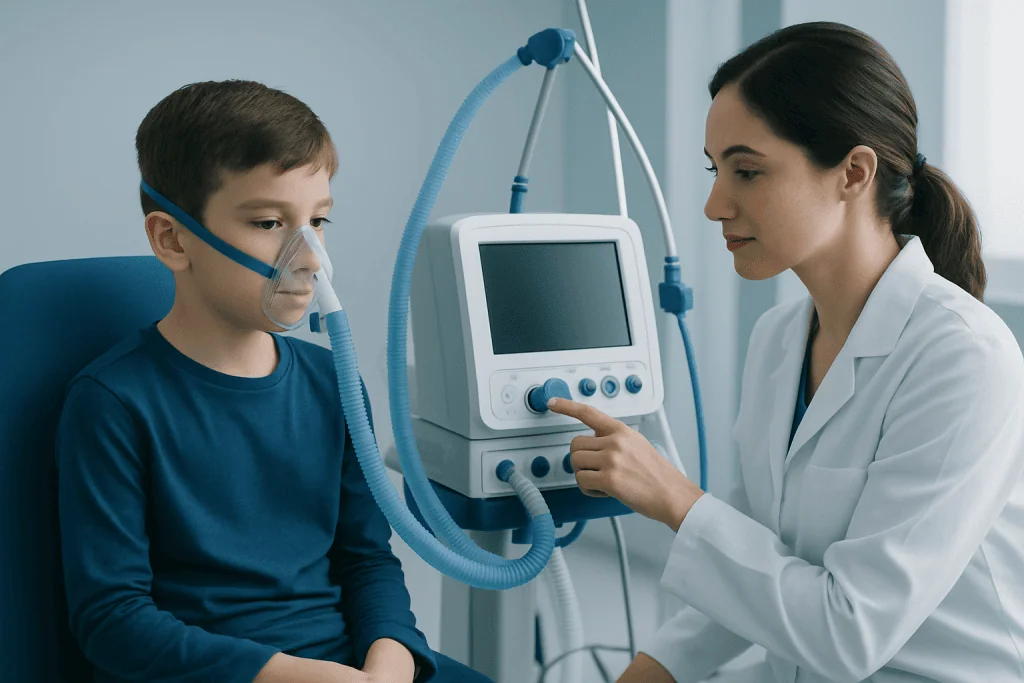
Parents often notice the first clues during everyday activities. A child may seem slower than peers to roll over, sit, crawl, stand, or walk. An older child may avoid running games, struggle to climb stairs, need to push on the thighs to stand up, or fall more often than expected. Some children tire quickly, ask to be carried more than usual, or complain that their legs feel heavy.
Weakness can affect different parts of the body. Proximal weakness, which involves the shoulders, hips, and trunk, may make it hard to rise from the floor, jump, or lift the arms. Distal weakness, which affects the hands or feet, can cause tripping, poor grip, or difficulty with buttons and pencils. A floppy baby with low muscle tone, poor head control, or weak sucking also needs prompt evaluation.
Other symptoms may be less obvious but still important. These include muscle cramps, pain after activity, drooping eyelids, double vision, slurred speech, trouble swallowing, nasal speech, scoliosis, frequent chest infections, or shortness of breath during sleep. Parents should also watch for muscle enlargement that seems unusual, especially large calves with weakness, or shrinking muscles in the arms or legs.
- Delayed sitting, standing, or walking
- Frequent falls or toe walking
- Difficulty climbing stairs or getting up from the floor
- Low muscle tone or a “floppy” appearance
- Fatigue that seems out of proportion to activity
- Problems with swallowing, speech, or breathing
Causes and Risk Factors
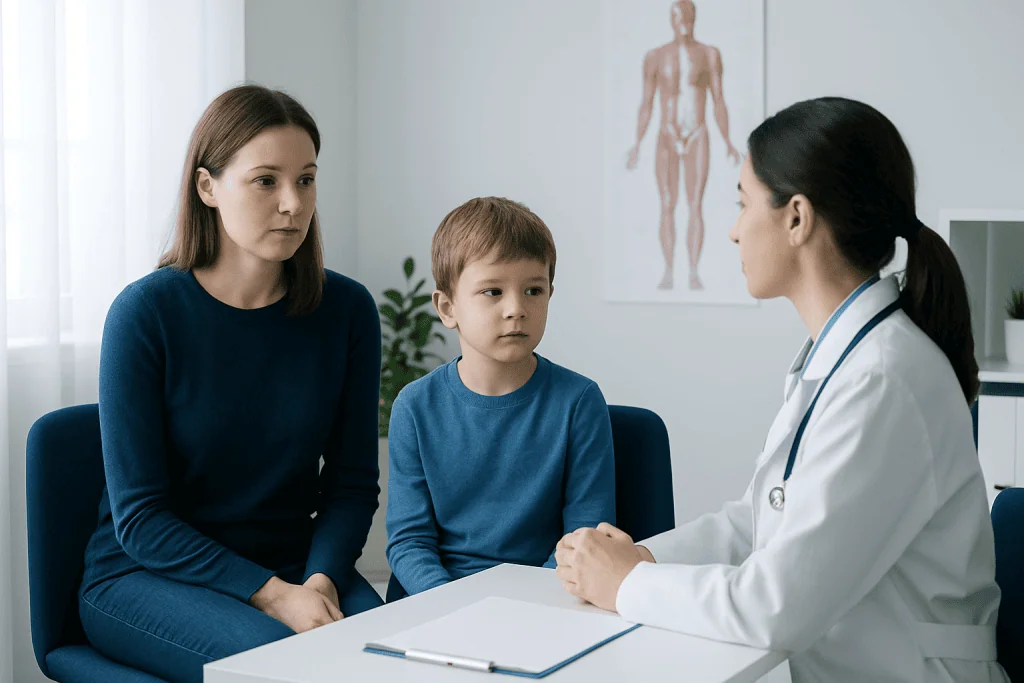
Neuromuscular symptoms in childhood can arise from several parts of the motor system. Muscle disorders, also called myopathies or muscular dystrophies, affect the muscle fibers themselves. Nerve disorders, known as neuropathies, affect the peripheral nerves that carry signals to the muscles. Conditions involving motor neurons affect the nerve cells that control movement, while disorders of the neuromuscular junction interfere with communication between nerve and muscle.
Many pediatric neuromuscular conditions are genetic. Examples include muscular dystrophy, spinal muscular atrophy, congenital myopathies, and inherited neuropathies. A family history of weakness, delayed walking, unexplained falls, or relatives who used braces or wheelchairs can be an important clue, although some children develop a genetic condition even without a known family history.
Not all causes are inherited. Some children develop autoimmune conditions such as myasthenia gravis, inflammatory muscle disease, or nerve inflammation after infection. Metabolic and mitochondrial disorders can also affect energy production in muscles. Prematurity, nutritional deficiencies, and chronic illness may contribute to weakness as well, but these do not explain every case. A pediatric neurologist will look at the whole clinical picture before deciding which causes are most likely.
How Doctors Diagnose Neuromuscular Disorders
Diagnosis begins with a detailed medical history and physical examination. The doctor will ask about pregnancy and birth history, developmental milestones, school and sports performance, fatigue, swallowing, breathing, and family history. During the examination, the doctor checks muscle strength, tone, reflexes, gait, posture, coordination, and whether weakness is symmetrical or affects certain muscle groups more than others.
Blood tests may help identify muscle injury, inflammation, metabolic problems, or genetic clues. A commonly used test is creatine kinase, which may be elevated in some muscle diseases. Depending on the child’s symptoms, the evaluation may also include thyroid tests, vitamin levels, metabolic screening, or autoimmune markers. Genetic testing has become increasingly important because it can confirm many inherited conditions and help guide treatment decisions.
Specialized tests are sometimes needed. Electromyography and nerve conduction studies assess how nerves and muscles function. Imaging such as MRI imaging may be used to examine muscles, the brain, or the spine when needed. In selected cases, doctors may recommend a muscle biopsy, respiratory function testing, heart evaluation, or sleep studies. Because diagnosis can be complex, many children benefit from care in a multidisciplinary clinic with neurology, rehabilitation, pulmonology, cardiology, nutrition, and genetics support.
Treatment Options and Ongoing Care
Treatment depends on the specific diagnosis, the child’s age, and which body systems are involved. Some neuromuscular disorders have targeted therapies, while others are managed with supportive care that helps preserve strength, mobility, and independence. For example, treatment may include medications for autoimmune disease, therapies that address certain genetic conditions, or symptom-based care for pain, cramps, or fatigue.
Rehabilitation is often central to care. Physical therapy can support stretching, posture, balance, and safe mobility. Occupational therapy helps with hand function, self-care skills, and adaptive equipment. Speech and language therapy may assist children who have swallowing, feeding, or speech difficulties. If weakness affects walking or posture, braces, orthotics, wheelchairs, or other mobility aids may improve comfort and participation.
Some children need monitoring beyond the muscles. Breathing muscles can become weak, especially during sleep, so respiratory assessment is important. Heart monitoring may be recommended in conditions known to affect the heart. Nutritional support can help if chewing and swallowing are tiring or if growth is poor. In some cases, doctors may recommend advanced treatments or surgery, such as spine surgery for severe scoliosis or physical therapy and rehabilitation as part of long-term care planning.
Near the end of the care pathway, families may seek specialized centers for coordinated evaluation. Acibadem International’s multidisciplinary specialists in JCI-accredited hospitals diagnose and treat neuromuscular conditions in children and adults, particularly when complex imaging, genetics, rehabilitation, and subspecialty follow-up are needed.
Prevention, Home Support, and Self-care
Many inherited neuromuscular disorders cannot be prevented, but early support can reduce complications and help a child function at their best. Families can encourage regular follow-up, prescribed therapy exercises, adequate sleep, and balanced nutrition. Children often do best with activity that is appropriate for their abilities rather than complete avoidance of movement. A therapist can advise on safe levels of exercise and ways to prevent overexertion.
At home, simple adaptations can make daily life easier. Supportive shoes, handrails, step stools, seating adjustments, and school accommodations may reduce fatigue and improve safety. Teachers and caregivers should understand that a child may look well but still become tired more quickly or need extra time for physical tasks. Emotional support also matters, because frustration, anxiety, and social isolation can develop when a child cannot keep up with peers.
Parents should keep a record of symptoms, including falls, changes in endurance, pain, breathing concerns, swallowing problems, or loss of previously gained skills. This information can help doctors understand whether symptoms are stable or progressing. If there is a known inherited condition in the family, genetic counseling may help parents understand recurrence risk and future planning.
When to See a Doctor
Parents should arrange medical assessment if a child has delayed motor milestones, repeated falls, trouble standing from the floor, persistent toe walking, or weakness that interferes with play, school, or self-care. It is also important to seek advice if a child loses a skill they previously had, such as climbing stairs, running, or feeding independently. Progressive symptoms should never be dismissed as simple clumsiness or lack of fitness.
Urgent medical attention is needed if weakness appears suddenly, follows an illness, involves trouble breathing, causes choking or swallowing difficulty, or is associated with severe pain or rapid worsening. A child who seems unusually floppy, has poor feeding, or has reduced alertness also needs prompt evaluation. These symptoms do not always mean a serious emergency, but they do require timely assessment.
A pediatrician may start the evaluation and then refer the child to a pediatric neurologist or a dedicated neuromuscular team. Early assessment can clarify whether the issue is benign motor delay, a muscle disorder, a nerve problem, or another condition entirely. The goal is not only to name the problem, but to help the child receive the most appropriate treatment, support, and follow-up.
Frequently asked questions
What are the earliest signs of neuromuscular disorders in children?
Early signs can include delayed sitting, crawling, standing, or walking, as well as frequent falls and unusual tiredness during play. Some children have trouble climbing stairs, getting up from the floor, or keeping up with peers in physical activities.
Are neuromuscular disorders in children always genetic?
No. Many are inherited, but others can be caused by autoimmune disease, inflammation, metabolic problems, infection-related complications, or other medical conditions. A doctor uses the child’s history, examination, and tests to determine the most likely cause.
Can a child have a neuromuscular disorder even if there is no family history?
Yes. Some genetic changes happen for the first time in a child, and some inherited conditions may not be recognized in earlier generations. A lack of family history does not rule out a neuromuscular disorder.
How are neuromuscular disorders diagnosed in children?
Diagnosis usually involves a physical examination, developmental review, and questions about symptoms and family history. Blood tests, genetic testing, nerve conduction studies, electromyography, imaging, and sometimes muscle biopsy may also be used.
Are neuromuscular disorders treatable?
Many are treatable or manageable, although treatment depends on the exact diagnosis. Care may include medications, physical therapy, respiratory support, nutritional guidance, mobility aids, and regular monitoring of heart and lung function when needed.
When should parents seek urgent medical attention?
Urgent assessment is important if weakness starts suddenly, gets worse quickly, or affects breathing, swallowing, or alertness. Parents should also seek prompt care if a child loses previously gained motor skills or has severe feeding difficulties.
References
- World Health Organization
- American Academy of Pediatrics
- National Institute of Neurological Disorders and Stroke
- Muscular Dystrophy Association
- Centers for Disease Control and Prevention
This article is for general information only and is not a substitute for professional medical advice. Please consult a qualified doctor about your individual situation.
Explore treatments in Turkey — costs, top hospitals & a free quote
JCI-accredited · board-certified surgeons · reply within 24h
Add us as a Preferred Source to see more of our trusted health content across Google Search, AI Overviews and Discover.